STEP 14 and STEP 15
MAAIN MUDI SHIVNCHEN and OPSUN DIVNCHEN
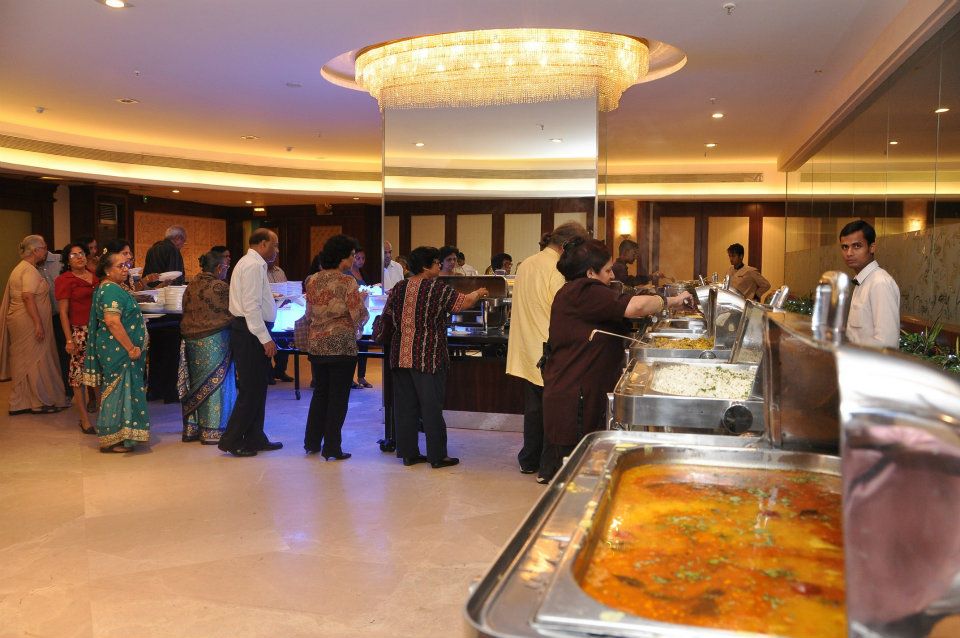
These customs though important, are short ceremonies perfomed at the wedding reception either before dinner or at the end of the wedding, as this is mainly performed between the very close members of the family.
STEP 14 – MAAIN MUDI SHIVNCHEN – Mother-in-law presenting a ring to her son-in-law, the groom
Then:
After the wedding dinner was concluded, the mudi shivnchen ceremony was performed. The bridegroom was made to stand in the matov and the bride’s mother presented him with a ring as a sign that she is his mother-in-law and henceforth he had to address her as “mai’ mother. The elder women of the bride’s family her aunts’ i.e. sisters, sisters-in-law and cousins of her mother were addressed by the groom as fagor mai and any distantly related woman could become his fagor mai if she presented him with a ring. More importantly the woman were expected to give their blessings to the groom as his fagor mai.
Now:
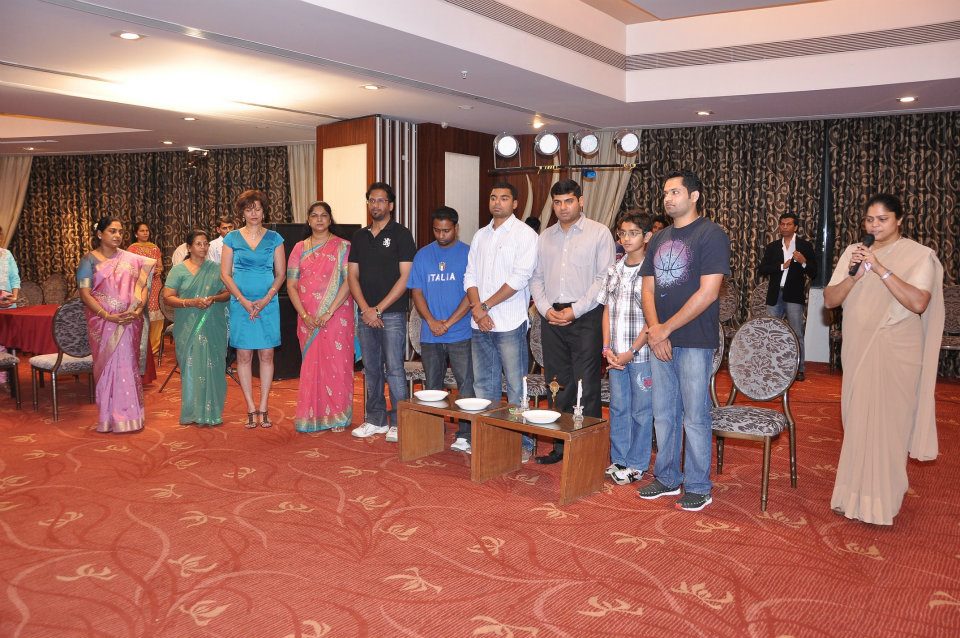
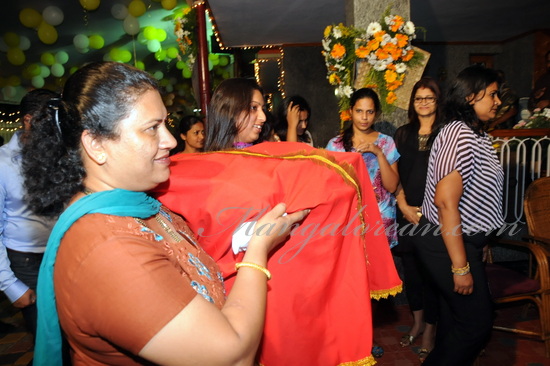
As I have seen for my son’s wedding, the bridegroom is made to stand in a prominent place in the reception hall and his mal dedho stands next to him with a handkerchief held open in both hands. The mother-in-law will bless the groom and present him with the ring. The other fagor mais i.e. the brides aunts, etc. will come forward to bless the groom and put some cash into the handkerchief held by the mal dedho (bestman). This money goes to the bestmen who celebrate later with the money collected.
The following song is appropriately sung or played for the Mudi Shivnchen ceremony.
- Bhaglyar Kityak Ubo Voretha….
The following video of Maxim and Melita’s wedding (Youtube) depicts the customs in detail and in a very clear format, thanks to the MC who has done a great job in explaining each step clearly and the videographer who has captured the important and solemn moments.
STEP 15 – OPSUN DIVNCHEN – The solemn transferment of the bride to the bridegrooms family
Then:
Once the presentation of rings was completed (at the bride’s house) the bridegroom takes the bride to his house in procession with the band playing. Relatives of the bride also accompany the bride. When the procession reaches the matov the Laudate is sung. Then the solemn opsun divnchen ceremony is performed and here the bridegroom is not present.
The father of the bride or an older Uncle alongwith his closest relatives steps forward and takes the hand of his daughter and presents her formally to the bridegroom’s father and his family with the typical proclamation as follows (which is in english the konkani translation of which is in the above video :-
“Up to this time we have loved this girl. Today we hand her over to you in the hope that you will love her in the same measure”.
The bridegrooms father or an elder Uncle, takes the hand of the bride while giving an appropriate reply which is something like :
“We are happy to receive your daughter and will love her and take care of her even more than you have given her and will look after her just as our own daughter”.
The bride usually breaks into tears upon the realisation that she must now part from her near and dear ones in earnest. The women break into the parting song which brings everyone present to tears.
- Sovo Sovo Surngarone (Opsun ditana song) ….
The bridegrooms mother then takes the bride by the hand and leads her into the house, accompanied by other women. While the bride steps over the threshold she must do so with her right foot.
Now:


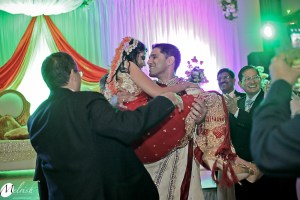
Various Opsun Divnche scenes above.
In the wedding hall, after the Mudi Shivnchi ceremony the bride and groom are blessed by their parents and all elders of the family. Then the bride is brought forward and the Opsun Divnchen ceremony takes place as detailed above with the bride and her family breaking into tears.
- Rodonaka Baye ….
The laudate is sung at the end of the ceremony.
After the ceremony the bride is led away from her family and seated and welcomed by her monther-in-law with a glass of milk to drink (and in some customs also an elchi banana to eat). This marks the end of the wedding ceremony.
- Tambde Roza
When the bride reaches the bridegrooms house she is carried over the threshold by her husband.
YENI SAMMAN
In earlier times when weddings lasted for 8 to 10 days, the yeni samman i.e. the brides mothers’ dinner and the grooms mothers dinner took place after the porthapon and both the mothers gifted each other a saree. But since the duration of the weddings are now curtailed to 3 to 4 days, skipping the yeni dinners, the yeni saree is exchanged at the porthapon or at the wedding reception.
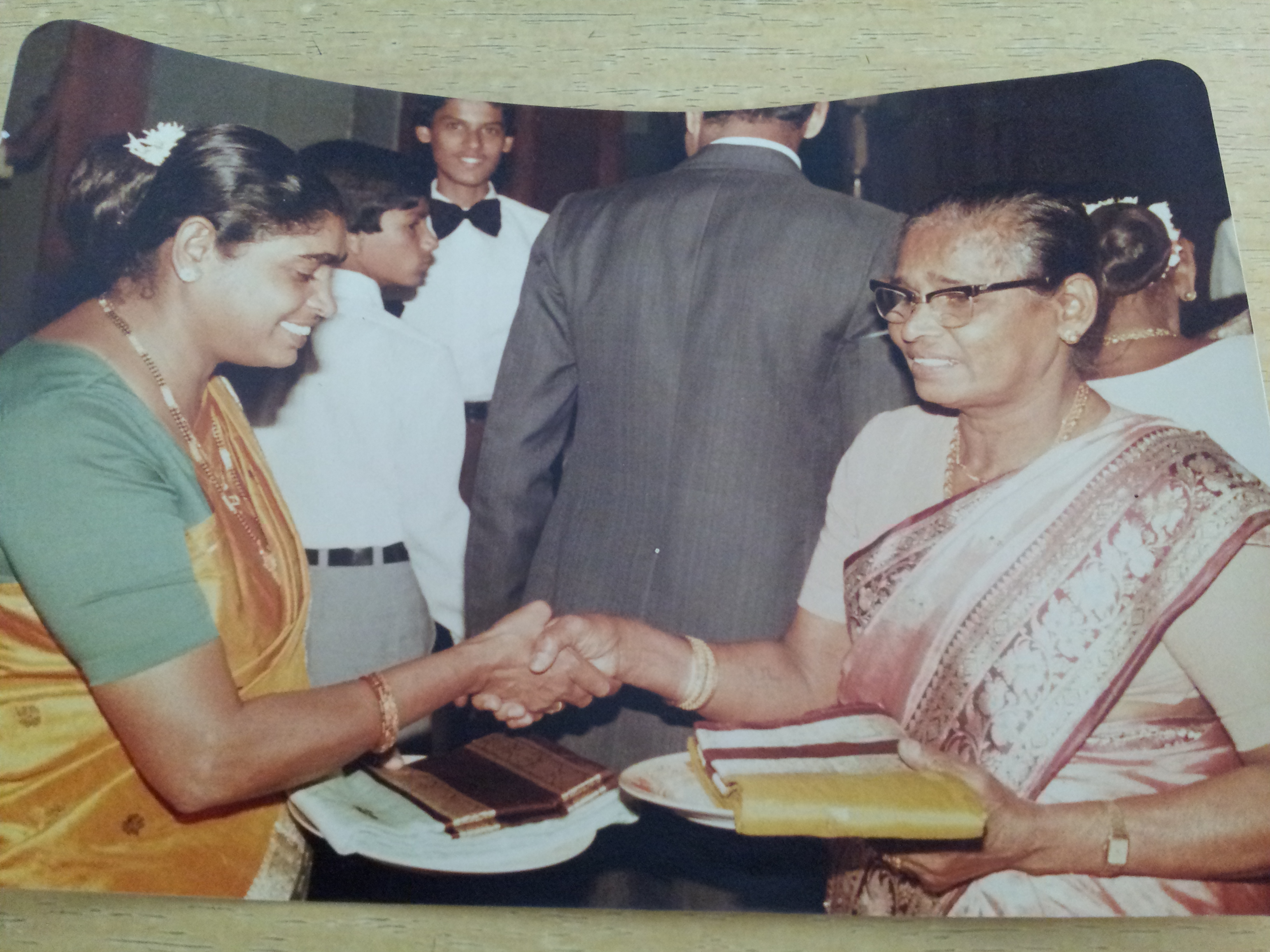
Yeni Kappad – My mother (L) and my mother-in-law (R)
The yeni saree gift exchange which was at the reception for my wedding 37 years ago.
Previous Post: Weddng reception – Kazara Jevon Next Post: Porthapon
References: Severine Silva and Stephen Fuchs & Victor D’sa, S.V.D.: The Marriage Customs of the Christians in South Canara, India
N.B.: I am open to accepting research projects on culture and traditions. Please email me with details to cecilia65@gmail.com
Contribution towards research on culture and traditions
If you find my research and posts on The Mangalorean Culture and Traditions useful and worthy and would like to participate towards improving and enhancing my website and my research, please contribute how you see fit.
$5.00


 pickle followed by different vegetarian dishes and then non-vegetarian dishes, wealthy people served sanna-mas and finally with vorn. The meal was concluded with a sweet called soji made of wheat flour and jaggery. Dinner was started with the prayer ‘Hail Holy Queen’ and also said at the conclusion of dinner.


 changing into the sado and the custom as stated above stands even today but the mangalsutra ‘pirduk’ is put around the neck of the bride by the groom. Today, the groom also changes his attire into a typical Indian wear. The following song is appropriate when the sado dressed bride and the groom make their re-entry:


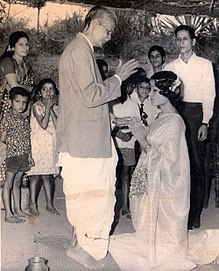


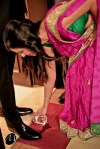 brides/grooms feet with water (usually done by brother of bride/sister of groom) and drinking milk as stated above, the groups then proceed for the resper which is usually at the brides church but can be at the bridegrooms church as per convenience. The bridegroom first proceeds to the church and then sends the car for the bride. The relatives follow by private cars/transport or if close by, on foot to the church.



























 nut trees (madi) and the roof of leaves of coconut tree. The front arches were of plantain trees with the bunches of plantains hanging down. The plantain trees tied to the front posts of the matov seems to be a hindu custom carried over by the catholics as the tree is considered auspicious and a sign of fertility and prosperity.



 Printed invitation cards, Save the date, RSVPs, announcements on social media, etc. have become the norm. A wedding invite should be kept as simple as possible but as it provides a glimpse and sets the tone of the events leading to the wedding, the style and contents require some thoughtful planning as it is an important medium in announcing the ‘good news’ to family and friends.
 The girl was dressed up nicely for the occasion and put red flowers in her hair and was sometimes invited by her hosts to stay overnight and a bath was prepared for her. These invitations expressed the loving sentiments and respect the hosts had for the girl and her family. Close family relatives could not easily excuse themselves from these invitations, which were expected to be returned when a wedding was to take place in the family of the hosts.
 I do recall my elder sister who got married 39 years ago, being invited for a meal hosted by our Aunt and I had accompanied her as I was her brides-maid. Some of our other relatives and neighbours too may have also invited us but can’t recall.
 The custom now though is the Bachelor/Bachelorette also called
  ‘Hen’ parties or ‘Bridal Shower’ hosted by the bridesmaid and groomsmen or close friends which signifies a farewell to his bachelor days and her spinster days. These parties are based on Western traditions and are to some extent ‘wild’ parties giving the guests an opportunity to let their hair down, so to say, especially the bride and groom to celebrate for the last time their spinsterhood/bachelorhood.
 event hosted by the groom’s father to raise a toast in honor of the groom and his bride.
 Equivalent to the Bachelor is the Bacholerette party for the bride which is also called Hen’s Night (Europe), Stagette (Canada).

 held 2 to 6 weeks before the wedding and traditional gifts are for bedroom or kitchen to help the bride start her new home, but nowadays the usual gifts are personal items for the bride, like sexy lingerie or sleep wear.


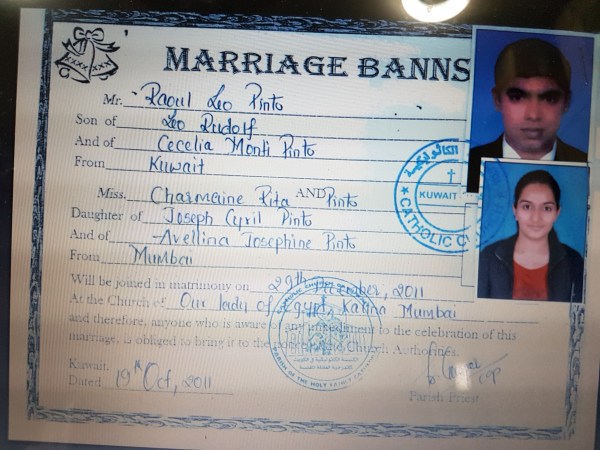
 Marriage Licences began to be issued by a Church or a State Authority in the 14th century, to permit a marriage which would otherwise be illegal. There were always people who were in a hurry to marry for various reasons and didn’t wish to wait for the usual period for the three banns to be read; in such cases and with special approval and payment of a higher fee a marriage licence was issued giving the couple the necessary permission to be married.
 Banns now are read/published on one Sunday only. In Kuwait the banns are just put up on the church notice board for a week or two without any formal announcement during mass.
 Once the banns are published and the results of the banns obtained, the Banns Certificate is issued to proceed.







Recent Comments