Authentic tried and tested simple recipes in mainly Indian cooking, including traditional mangalorean, Goan, East Indian, North Indian recipes and much more…
This light satisfying meal will certainly be relished after the festive season after spending days feasting on sorpatel, vindaloo, roasts and heavy festive food. Dal rice is invariably our go to meal when we just need to slow down on our cooking to give our digestive system a bit of rest. Having said that, dal rice is one meal that is welcome anytime.
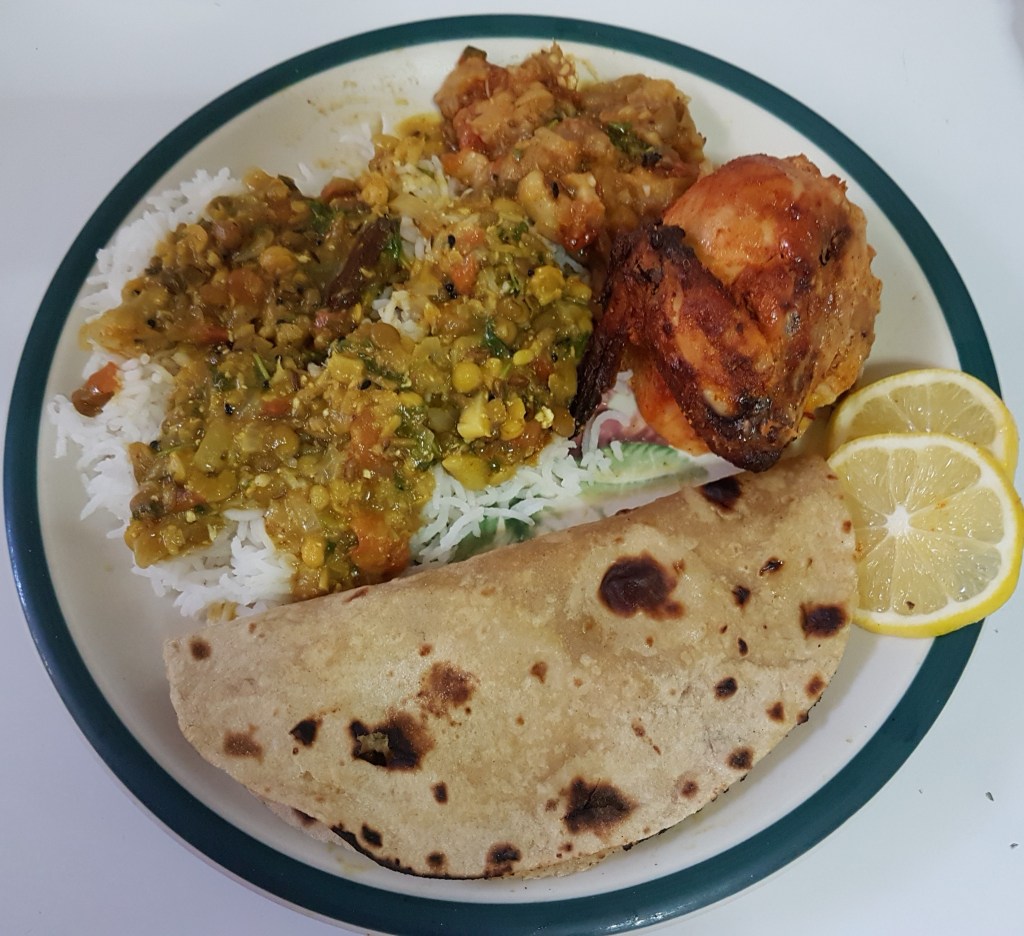
This Lemon Masoor Dal is cooked without tomatoes and includes lemon to add a bit of tang. Make it thick to eat with rotis or pooris or a bit runny to pour over your rice and enjoy!
Ingredients
1.5 cups masoor dal
1 medium onion
1” pc. Ginger shredded
1 tsp. red chilli powder
2” pc cinnamon
1 lemon
¼ cup coriander leaves, chopped
Tempering
2 tbsp. oil or ghee
1 medium onion chopped
2 to 3 cloves garlic chopped
2 green chillies
2 to 3 bay leaves
Clean and rinse the dal, add 4 cups water, alongwith the onion, ginger, cinnamon sticks and bring to a boil.
Reduce flame and cook 10 minutes. Add the red chilli powder, juice of the lemon (discard the seeds) and add the peels to the dal.
Bring to a boil and cook 30 to 40 minutes, stirring occasionally till soft.
Heat oil in a pan, add the chopped onion, garlic, green chilli and bay leaves and fry till onions are brown.
Add to the dal.
Remove the bay leaves and the lemon skins and garnish with chopped coriander leaves.
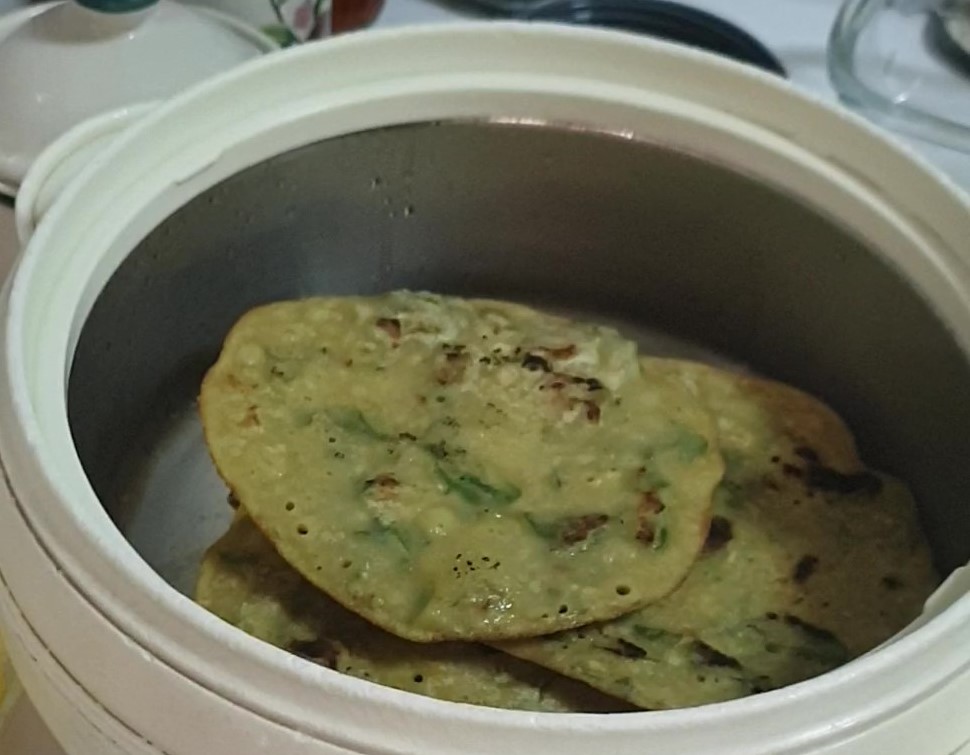
These are not the usual Mooli Parathas but more like theplas, usually served at mealtimes but can be enjoyed for breakfast or as a teatime snack with a hot cup of tea or coffee.
Ingredients
2 cups grated raddish
4 cups wheat flour
2 tsp. ginger-garlic paste
2 tsp chilli powder
1 tsp. ajwain
Salt to taste
2 tbsp. oil
Ghee for smearing the rotis
Method
Peel, clean and wash the mooli (raddish).
Mix all the above and and knead to a soft dough.
Divide into equal portions (about 15 to 18) and roll into a circle as thin as possible dusting some flour to prevent it sticking.
Cook the roti to a golden brown on a hot griddle (tava) on both sides applying some ghee on both sides.
Serve hot with lunch or dinner or for breakfast with yogurt, pickle.
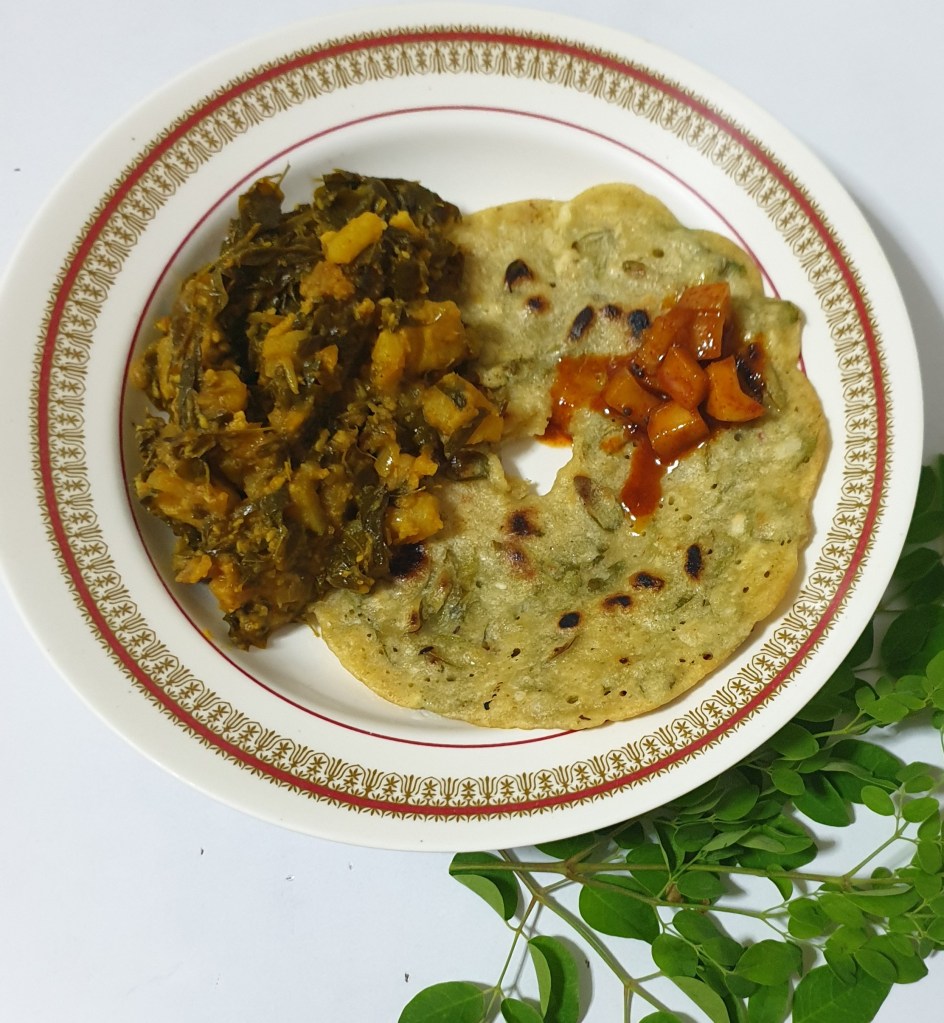
Enjoy healthy and nutritious drumstick leaves, popularly known as ‘Moringa leaves’ which are a powerhouse of nutrition. There are several ways to cook drumstick leaves some of which are herebelow. We used to have plenty of the drumstick trees around our houses and don’t think our mothers ever had to purchase drumsticks or the leaves for cooking.
As they are currently available in the market decided to make a few dishes and post recipes.
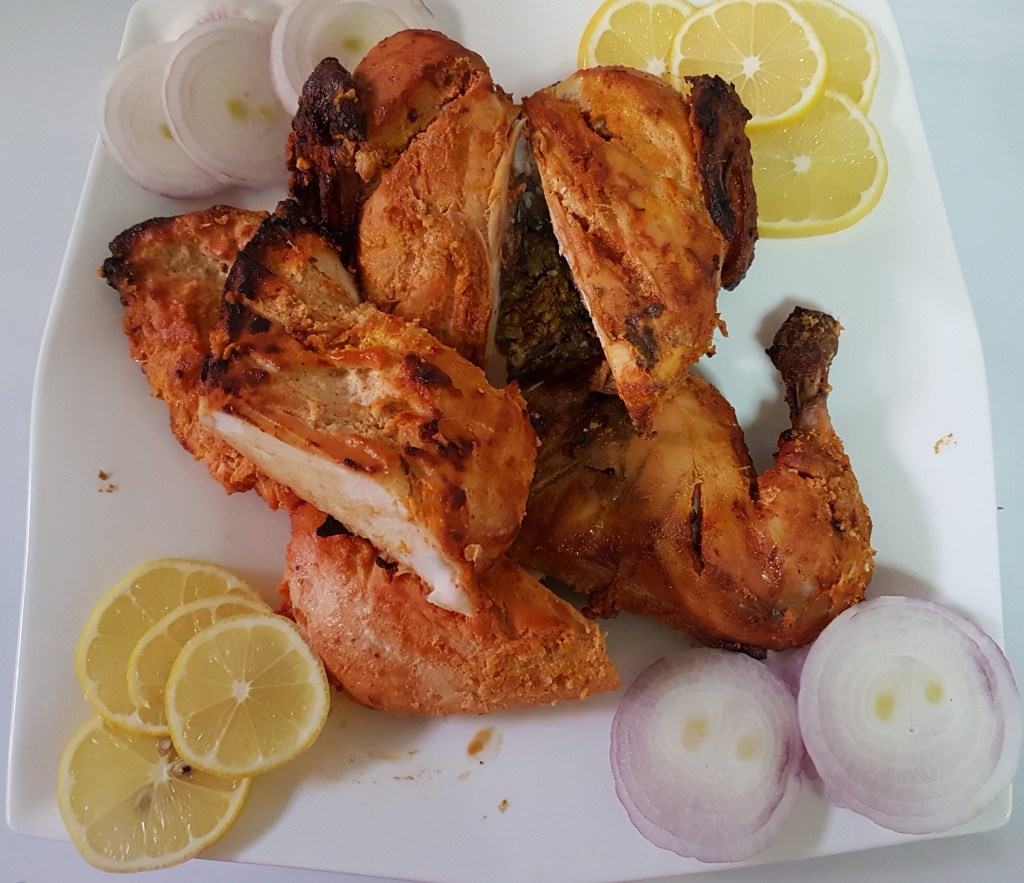
Tandoori chicken is synonymous with Indian cooking, a universally loved and enjoyed roasted chicken! Tandoori chicken also forms the basis of many Indian gravy dishes like, Butter Chicken, Chicken Tikka masala, Chicken boti kababs. Try this 5 star quality tandoori recipe, which may seem overwhelming but is really quite simple. Roast in an oven or charcoal grill or BBQ on an electric grill. You may also roast on a pan on the stove top, but with this method the chicken tends to leave water while roasting, resulting in loosing some of the flavors of the marinade. But still possible to make tandoori chicken without an oven! Substitute the saffron with turmeric if not available and avoid the orange color if you must! I have not used butter to baste the chicken but does add more flavor and taste.
Ingredients
1 Medium chicken
First Marinade
Salt
1 tsp red chillie powder or to taste
2 tbs. lemon juice
Butter for basting
Second Marinade
3 tsp. yogurt
3 1/2 tsp. cream
3 tsp. ginger garlic paste
1/2 tsp. cumin powder
1/4 tsp garam masala
1/2 tsp. saffron
2-3 drops orange color
Remove skin, clean and wash chicken. Make two to three deep incsions each on the breasts, legs and thighs and marinate with salt, chilli powder and lemon juice. Keep aside for 15 minutes.
Whisk yoghurt in a large bowl, add the remaining ingredients and mix well. Rub the chicken with this mixture. Keep aside for four hours or overnight if desired.
Preheat oven to 350deg F. Skewer the chicken and keep a tray underneath to collect the drippings or roast in a hot tandoor or pre-heated oven till the moisture evaporates and it starts leaving oil. Baste with butter, if required.
.Cut the tandoori chicken into desired sized pieces and serve with sliced onion, lemon, green salad and naan or any bread of your choice.
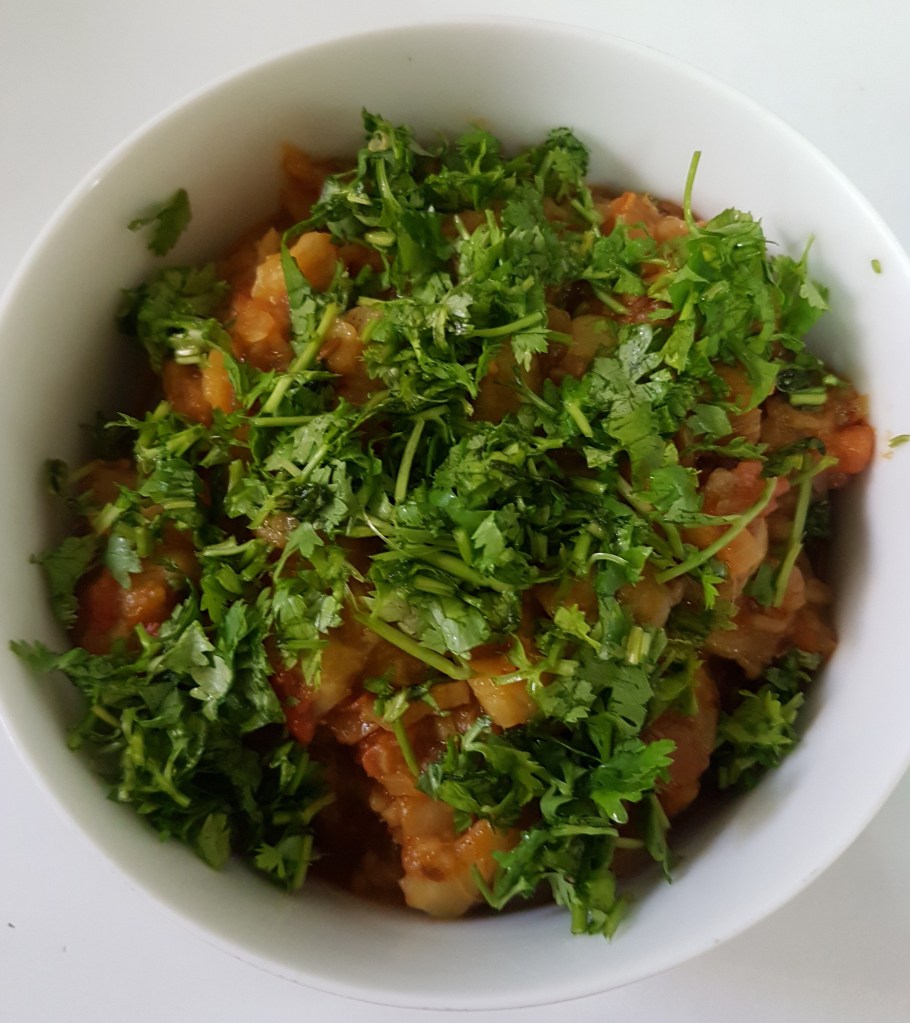
This Aubergine delicacy is a famous punjabi recipe. Brinjals are available throughout the year and a very common vegetable. A simple vegetable turns into a delectable dish. Even though brinjals are considered as a night shade it is widely consumed. Enjoy this delicious bhartha sa a meal by itself with rotis or phulkas and serve as an accompaniment.
Ingredients
500 gms. Brinjals (Aubergine, Eggplant)
¼ cup ghee
1 tsp. cumin seeds
1 medium onion, chopped
1 tsp. ginger. chopped
1 tsp. paprika (or Kashmiri chilli powder) or to taste
Salt
2 medium tomatoes, chopped
3 green chillies, chopped
1 cup coriander leaves, chopped
Method
Wash brinjals and wipe dry.
Apply a little oil to the brinjals and roast on direct flame till charred and skin starts peeling off. This can be done in a charcoal grill to get the charcoal flavor or oven.
Remove and immerse in water to cool. Remove he skin and stem and chop.
Heat ghee, add cumin and when it crackles, add onions and cook till translucent, add ginger and saute few seconds.
Add the chilli powder, salt, mix, add tomatoes and saute till fat appears at the sides.
Add the chopped brinjals and saute for 5 minutes, add green chillies and mix. Check seasoning.
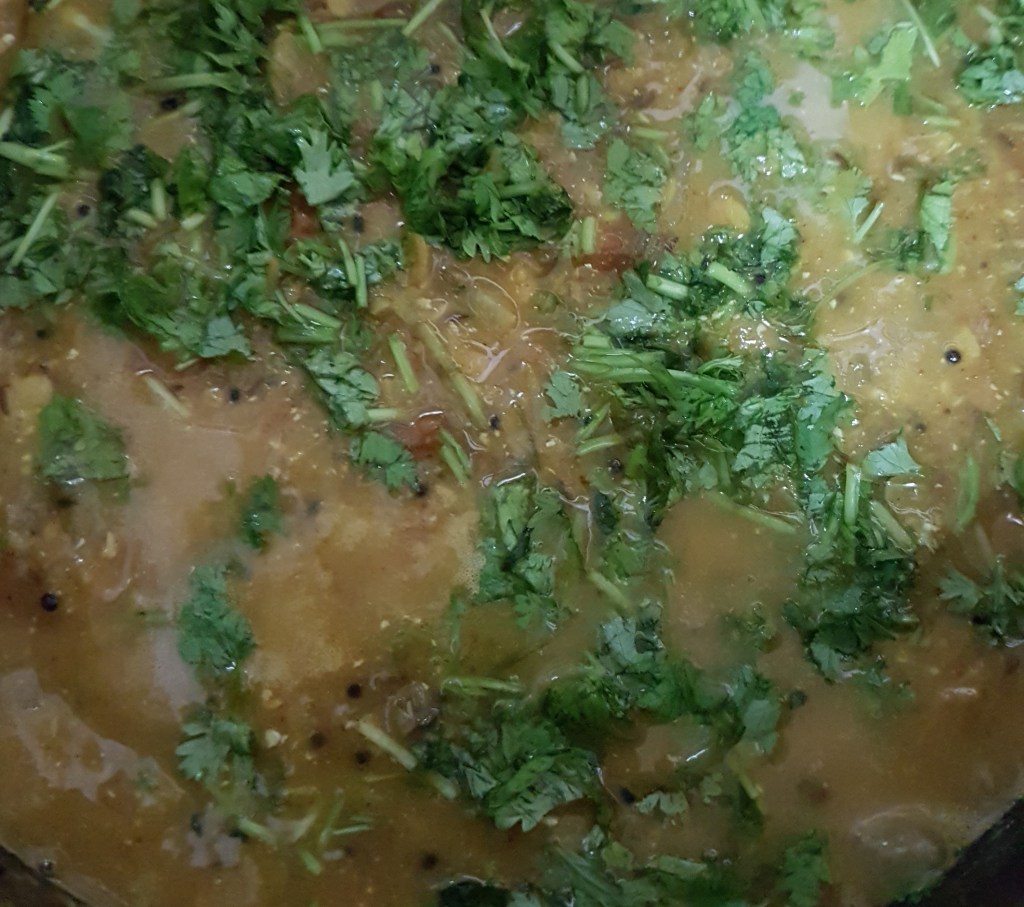
Dal made with a combination of five lentils and tempering with combination of five spices and condiments. Also referred to as “Panch Rattan Pakwan”.
Ingredients
2 tbsp. Moong (whole)
2 tbsp. Masoor (Whole)
2 tbsp. Urad dal (preferably whole)
2 tbsp. Chana dal
2 tbsp. Tur dal
2” sticks cinnamon
1 tbs. coriander powder
1 tsp. cumin powder
½ tsp. chilli powder
½ tsp. turmeric powder
1 tsp. salt
½ cup coriander leaves
1 tbsp. cream (optional)
Tempering #1
2 tbsp. butter
1 onion, chopped
1″ pc ginger, chopped
2 tomatoes, chopped
2 tbsp. yogurt
½ tsp garam masala
Tempering #2
1 tsp oil or ghee
1/2 tsp. each black cumin, kalonji (onion seeds), methi (fenugreek), saunf (fennel), mustard seeds
2 red chillies
Method
Wash lentils and soak in water for one hour.
Chop onions, tomatoes and coriander leaves.
Cook the lentils with 8 cups water & 2 sticks cinnamon.
Bring to a boil, remove scum if any, reduce flame.
Add coriander, cumin, red chilli and turmeric powders and salt.
Cover and simmer till cooked and most of the liquid has evaporated.
Mash the dals lightly again the sides of the vessel with a wooden spoon.
Tempering #1 : Heat a pan and add butter, onions, ginger, tomatoes, yogurt and garam masala, stir over medium heat till fat leaves the mixture. Pour over the dal and mix well. Cook 5 mns.
Tempering #2 : Heat ghee, add all the five seeds, break the red chillies and saute till they crackle and add to the dal.
Stir in malai.
Serve hot garnished with coriander leaves with rotis, phulkas or steamed rice.
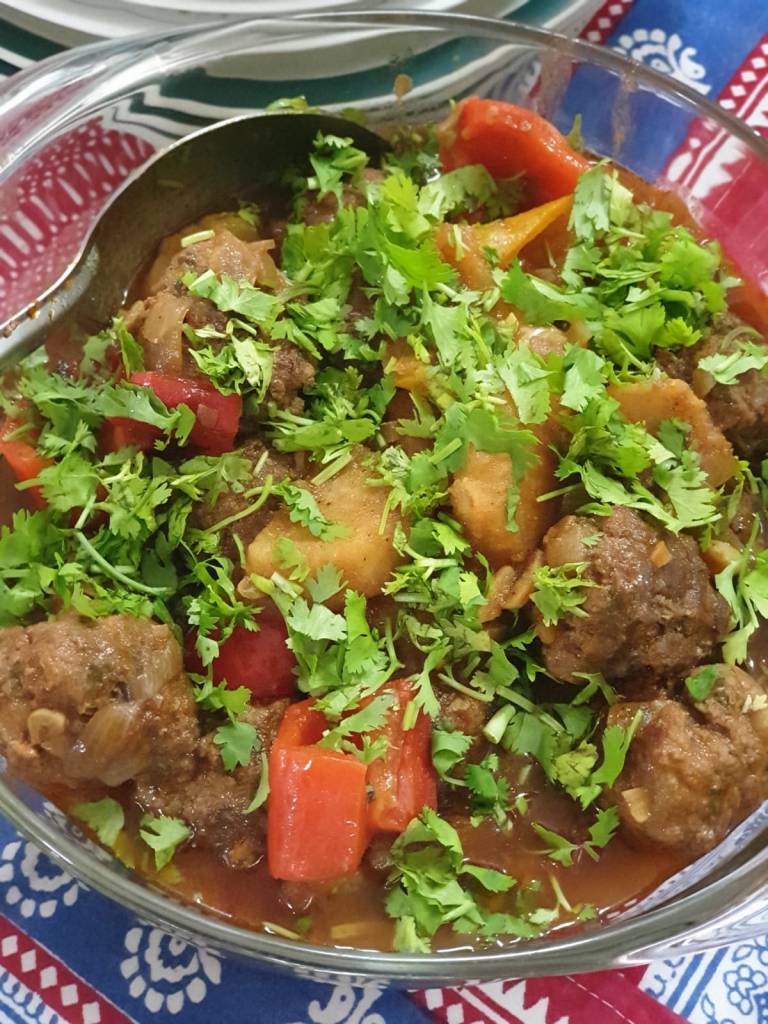
Gosht Korma is a great lamb curry which does not make use of turmeric. The consistency of the curry can be made to your choice of taste, thin gravy or thick to almost dry and all are delicious. Adjust the amount of water accordingly. The thin gravy can be served as a main course with steamed rice. The thick/dry version with any Indian bread.
Ingredients
1 Kg. Lamb, assorted cuts if desired
½ cup ghee
10 green cardamoms
5 cloves
2 sticks cinnamon (1”)
2 Bay leaves
1 cup chopped onions
4 to 6 tbsp. ginger-garlic paste
2 tsp. coriander powder
1 tsp. red chilli powder
Salt to taste
1 cup yogurt
1 tsp. garam masala
½ tsp. black pepper powder
2 drops vetivier (optional)
½ tsp. saffron
2 tbsp. milk
Chandi-ka-Varq (optional)
20 Roasted Almonds (optional)
Clean and cut lamb into 1” chunks, clean chops.
Whisk yogurt in a bowl
Dissolve saffron in warm milk
Pound Almonds lightly with a pestle
Heat ghee in a vessel, add cardamoms, cloves, cinnamon and bay leaves, sauté over medium heat until they begin to crackle.
Add onions, sauté until light brown, add the ginger and garlic pastes and sauté until the moisture has evaporated.
Then add the coriander powder, red chillies and salt and stir.
Add lamb, fry for 5 minutes, add yogurt, bring to a boil, add approx. 3 to 4 cups water, cover and simmer stirring occasionally until lamb is almost cooked.
Now add garam masala, and pepper and mix well.
Add vetivier, stir and cover. Simmer for 10 minutes. Adjust seasoning.
Add saffron and stir.
Remove to a bowl, garnish with varq and roasted almonds.
Deep Fried Shrimp Balls (in sweet & sour sauce)Deep Fried shrimp balls (as an appetiser)
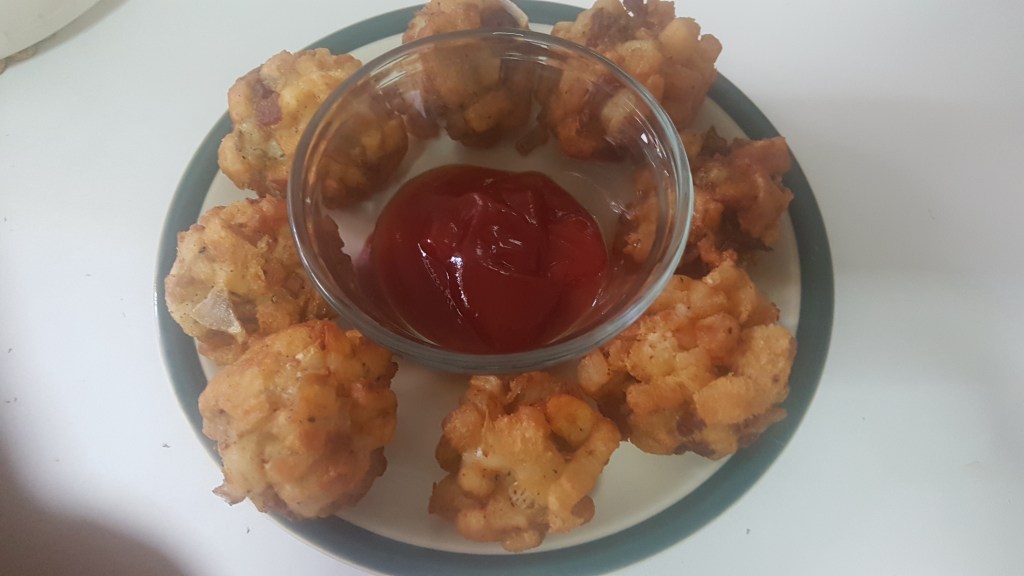
These delicious, super crispy and crunchy shrimp balls make a great appetiser to complement any chinese or other meal. Serve with ketchup, or any other chinese dipping sauce.
Serve it also as a main chinese accompaniment with noodles or rice, with a sweet and sour sauce.
2 Cups chopped shrimp, large or small pieces as desired
2 strips bacon
1 medium onion chopped or 3 to 5 water chestnuts chopped
½ tsp. pepper powder
1 tsp. salt
2 tsp. corn flour
1 egg beaten
6 slices bread, chopped into fine cubes (Use more bread if required)
Oil for frying
Sweet and sour sauce
2 tbsp. tomato paste
2 tbsp. rice vinegar (or regular vinegar)
2 tbsp. fresh orange juice
2 tbsp. light soya sauce
5 tsp. brown sugar
2 cups water
Method
Clean, devein and chop shrimp.
Chop the bacon strips. ( have used beef bacon).
Mix the shrimp, bacon and chopped onion (or chestnuts) with the beaten egg, pepper powder, salt and corn flour.
If you wish you may grind this mixture so it is easy to handle when forming the shrimp balls or cut the shrimps very fine.
Cut out the sides of the bread slices and discard.
Chop the bread.
Add a handful to the prawn mixture.
Keep the rest for coating the shrimp balls.
Heat oil in a wok.
Meanwhile form the shrimp balls
When the oil is heated, reduce the flame and fry the shrimp balls in batches.
Remove and keep aside.
Serve as an appetiser with any sauce or dip.
Alternatively serve in sweet and sour sauce as a side dish with Steamed rice, fried rice or noodles.
To Make Sweet & Sour Sauce –
Mix the tomato paste, vinegar, orange juice, soya sauce, brown sugar, corn flour and water. Heat a vessel with a tbsp. of oil, add the sauce ingredients and keep stirring on low heat till the sauce thickens and becomes translucent. Taste and add salt if required.
Reduce the amount of water if you want the sauce to just coat the shrimp balls. Add the deep fried shrimp balls to the sauce just before serving. Serve with steamed rice, fried rice or Chow mein.
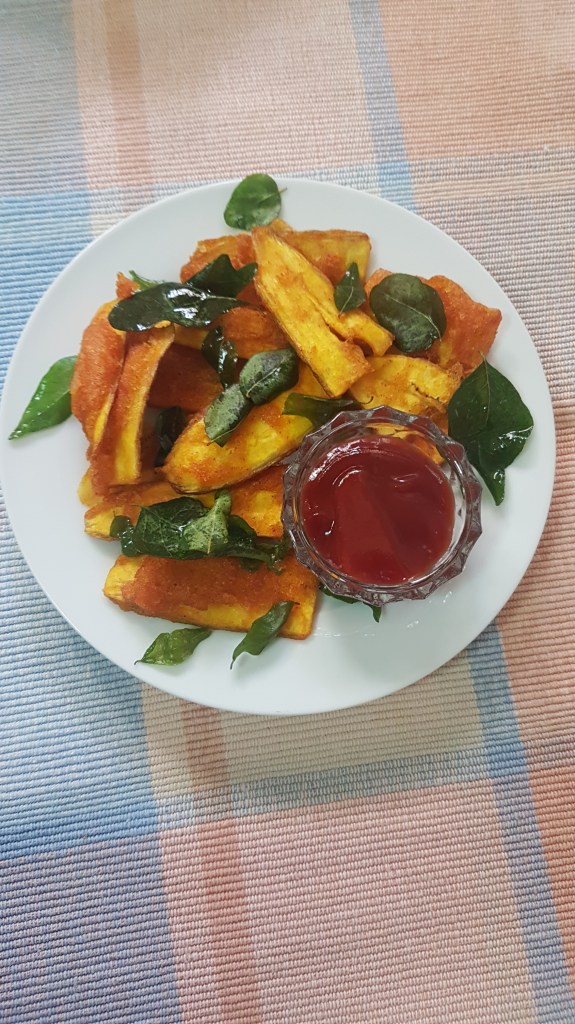
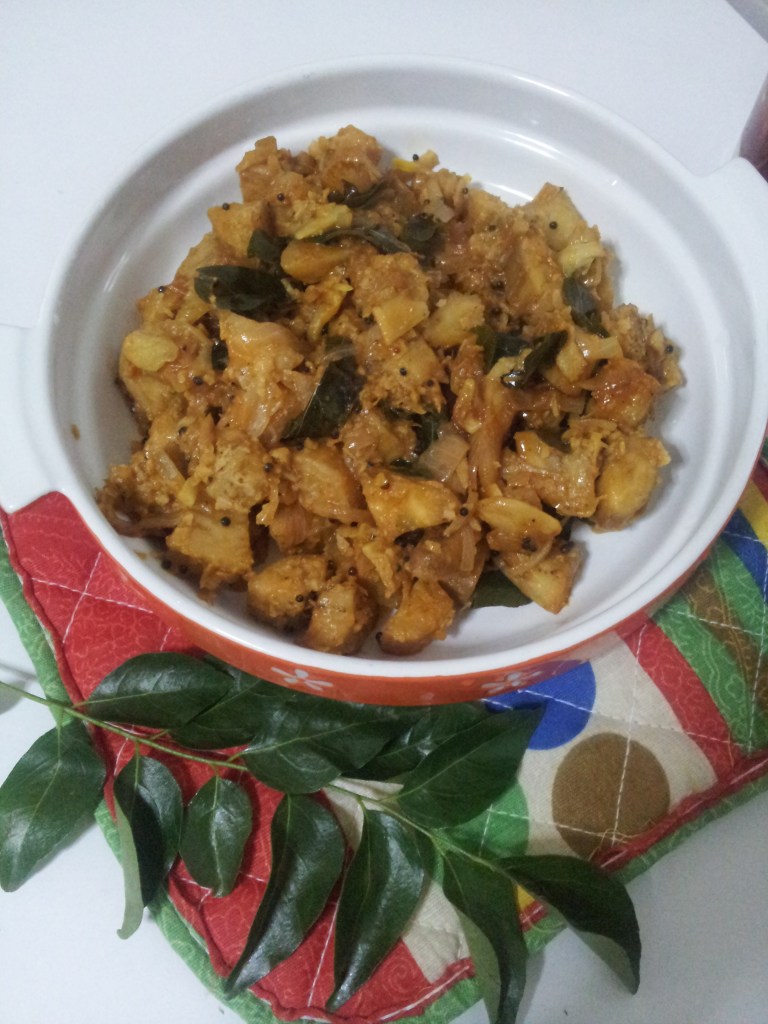
Enjoy the goodness and health of Raw Bananas by including them in your diet. Easily available throughout the year. Here are three delicious and easy recipes to try out.
Peel the bananas and soak in water to prevent them turning black.
Slice the Bananas horizontally into thin slices.
Mix the ginger garlic paste, chilli & turmeric powder, rice flour, corn flour, vinegar and salt and make a thick paste using as much water as required.
Mix the slices with the batter.
Heat oil for deep frying, when hot reduce flame and fry in small batches till crisp and golden.
Drain on kitchen towel.
Fry the curry leaves in the hot oil for a minute and remove.
Garnish the fried bananas with the curry leaves and serve as a side with a main meal or with tomato ketchup as a snack or appetizer.
P.S.: The same batter can be used to fry arbi, egg plant, zucchini, bread fruit, potatoes, yam, mushrooms, etc.
Clean, remove the skin and cut chicken into medium pieces or 8 large pieces if you wish.
Whisk yogurt in a large bowl, add salt and leave the chicken in this marinade for at least 30 minutes.
Peel, wash and chop onions.
Peel and chop garlic and ginger.
Remove stems and chop green chillies.
Wash and chop tomatoes.
Clean, wash and chop coriander.
Heat ghee in a pan, add whole garam masala and saute over medium heat until it begins to crackle.
Add onions and saute until golden brown.
Then add chopped ginger, garlic and green chilles, stir for 2 minutes
Dissolve turmeric, coriander powder and red chillies in 1/4 cup water and add. Stir for 30 seconds.
Now add tomatoes and fry until fat leaves the masala
Add the marinated chicken alongwith the marinade and 3/4 cup water
Bring to a boil, cover and simmer until chicken is almost cooked and fat leaves the masala once again.
Adjust the seasoning.
Sprinkle fenugreek, ginger juliennes and coriander. Cover with a lid.
Seal the pan if desired and keep on low heat for 15 mintues.
Serve with an Indian bread of your choice.
P.S.: Kasoori methi may be replaced with fresh fenugreek. If using fresh, clean, wash and immerse in salted water for 10 minutes to remove the bitterness. Drain and add to the marinade.
Fry the chopped onions and green chillies till onions turn slightly brown.
Add the ginger garlic paste and fry for few minutes.
Drain the mince completely and add to the pan with a tsp of salt.
Saute till the mince turns brown and the water completely dries up. Continue to brown the mince till fat begins to separate. Do not hasten this step. The browning of the mince brings out the flavor in the meat. Should take 10 to 15 minutes.
Once nicely browned, add the jeere merem powder, mix, add two cups of hot water and bring to a boil.
Lower flame and cook on medium for 30 minutes.
Open after 10 to 15 minutes and give it a good stir.
If water dries up, add some more hot water as per the consistency you desire.
Add the peas and cook further 10 minutes.
Add the vinegar and sugar and simmer 5 minutes.
Garnish with coriander leaves.
Serve with Pao or Parathas or Pooris or steamed rice or pulao.
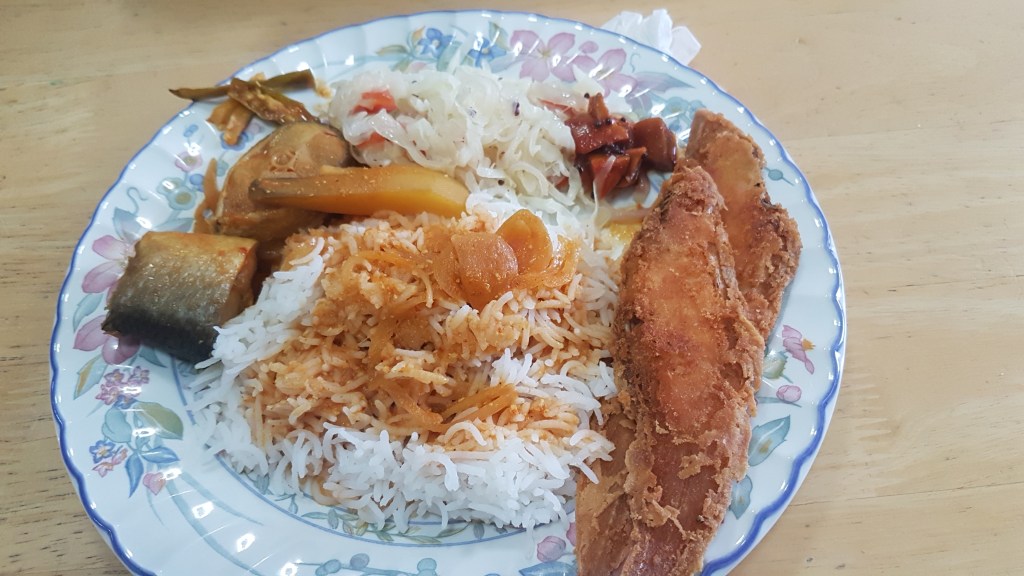
A Typical Konkan Coastal Fish Curry Rice Meal for Four persons cooked in less than 30 minutes (excluding preparation)
To keep it real have used my daily regular utensils 😉 😉
A meal for four persons
Raouns (Rawas, Indian Salmon) Fish Curry
Cabbage Vegetable
Lepo (Sole Tounge Fish) fry
Steamed rice
Mango pickle (homemade)
Rawas/Raouns (Indian Salmon) Fish curry
Ingredients
8 pieces Raouns fish
½ medium onion
2 green chillies
1” pc ginger
1 raw mango
1 tsp. Salt or to taste
To grind to a paste
4 Kashmiri chillies
1/4 tsp turmeric
1 tbsp. coriander seeds
6 peppercorns
½ tsp cumin seeds
3 tbsp. coconut powder
2 flakes garlic
½ medium onion
Method
Clean and wash & cut fish. Apply a little salt and set aside.
Grind the masala to a smooth paste.
Slice the onion, green chillies and ginger.
Wash and peel the raw mango and cut into wedges.
Heat 1 to 2 tbsp. coconut oil and add the sliced onion, green chillies and ginger. Saute till lightly brown.
Keep the flame low so the flavors of the onion, chillies and ginger release and give off a nice aroma.
Add the masala paste, the masala water, raw mango pieces and salt.
Stir and increase the flame and bring to a boil, simmer till oil appears on the edges.
Add the fish, stir and bring to a boil. Reduce flame to medium low and cook for ten minutes.
When curry is done it will leave fat and appear glossy.
Remove from flame.
P.S.: Same recipe may be used for Pomfret, Gole fish (Hammour), Mandeli (Golden Anchovies), Surmai (Kind Fish). This curry is called sweet fish curry where chillies are less and coriander seeds are more. Other curries are the amotik (Spicy hot) usually made with Tarle (Sardines), Bangde (Mackerels), Bhing (Herring) Tato (Shark) etc., Green curry with fresh green masala for Pomfret, Fresh Bombay duck, etc. and the Kane (Lady Fish) where curry to similar to above but Ajwain is added to the masala and onion and garlic are increased.
2. Cabbage vegetable
Ingredients
2 to 3 cups shredded cabbage
1 medium onion
2 green chillies
1 small tomato (Optional)
1 sprig curry leaves
4 flaked garlic
½ tsp mustard seeds
1 tbsp. coconut oil
2 tbsp. fresh grated coconut
1 tsp. salt or to taste
Method
Shred the cabbage and soak in salted water for few minutes.
Slice the onion and green chillies, chop the tomato.
Crush the garlic cloves and wash the curry leaves.
Heat the oil in a pan, add mustard seeds and allow to splutter.
Add the garlic and curry leaves, followed by the chillies and onion and saute for a minute.
Add the cabbage and salt, mix.
Cover and cook for 5 to 10 minutes till done. Do not add any water.
Garnish with fresh coconut.
3. Lepo fry (Sole Tongue fish fry)
Ingredients
8 to 10 Lepo
3 tsp. red chilli powder (or to taste)
½ to 1 tsp. salt (to taste)
2 tbsp. vinegar
Rice flour or Rava to coat the fish
Method
To clean the fish, cut the head and pull out the skin from both sides and the intestines. Wash and leave aside to drain.
Mix the red chilli powder, salt and vinegar to a paste and apply to the fish and marinate for half hour.
Heat some oil to shallow fry the fish.
Take some rice flour or rava in a plate.
Roll the fish to coat evenly and fry on medium flame for 5 minutes on each side till crisp.
4. Steamed Rice
1.5 cups basmati rice or boiled rice if you wish
1 tsp. salt
Wash the rice and soak in water for atleast 15 minutes.
Bring water to a boil in a vessel.
Add the pre-soaked rice, salt and bring to a boil.
Reduce flame and simmer till rice is tender. Strain the water.
Tip: Cook the rice on low flame so the grains remain whole and separate and do not break.
















 My Cooking Diaries "CooklikeCecilia.com"
Recent Comments