Authentic tried and tested simple recipes in mainly Indian cooking, including traditional mangalorean, Goan, East Indian, North Indian recipes and much more…
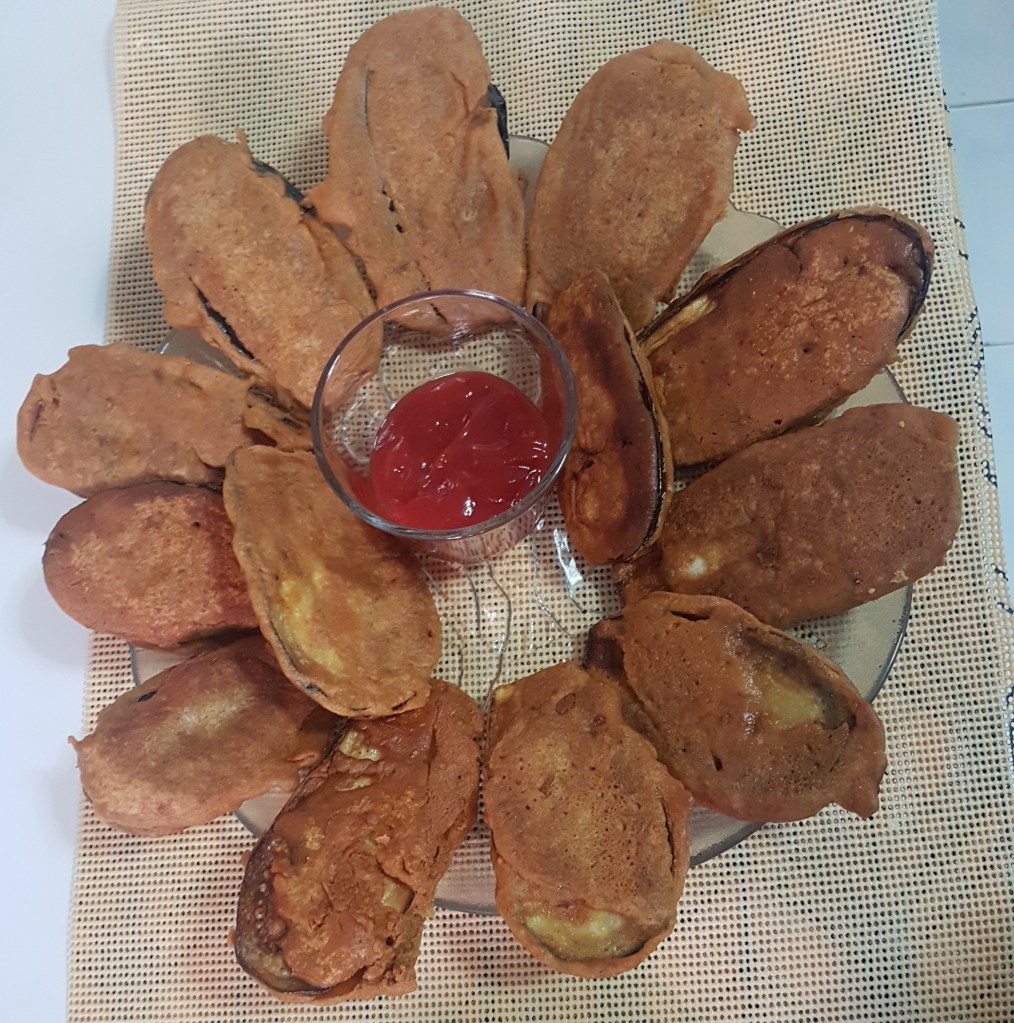
Brinjals or aubergines or eggplants as they are called are a very versatile vegetable and a universal favorite, available roundthe year. They are delicious fried as pakoras, bhajias, stuffed with mince or green chutney masala (these recipes are in the book Mai’s recipes). The brinjal bharta and brinjal pickle are famous and so is the turkish recipe Imam Bayildi
Ingredients
6 medium brinjals (or two large)
1 ½ cups besan (gram flour)
¼ tsp. soda bircarb (optional)
1 tsp. carom seeds (ajwain)
2 tsp. chilli powder or to taste
1 ½ tsp. amchur (dry mango powder) or pomegranate seeds powder
1 tsp. salt or to taste
1 ½ cups water
Oil for shallow frying
Method
Slice the medium brinjals horizontally. If large cut into round slices.
Mix the gram flour, soda bicarb, ajwain, chilli powder, amchur, salt to taste and make a batter with 1 cup water.
Add some more water if batter is too thick.
Batter should coat the brinjals without dripping.
At the same time the coating should not be too thick.
Shallow fry to golden brown on both sides in hot oil.
Serve hot with ketchup, mint sauce, chilli garlic sauce or any sauce of your choice.
Make into sandwiches with bread or pita bread or rolled into a chapati for breakfast, packed lunch or a snack.
A crispy and delicious hot snack to provide some warmth on a wet rainy day or cold weather or simply when relaxing at home wth a nice hot cup of tea or coffee!
To get crisp and crunchy edges, make sure the batter is thick and dry. Batter should not be of dropping consistency. You can achieve this by heating gradually in the microwave after grinding the dals, till you get the right consistency. Mix and then add the rest of the ingredients. When frying take a teaspoon of batter and slide with another spoon into the oil. Avoid making balls with your hand as that would give you smooth edges, you want uneven edges for these vadis to add to the crispiness and crunchiness!!
Extraordinary dishes prepared with ordinary vegetables!!
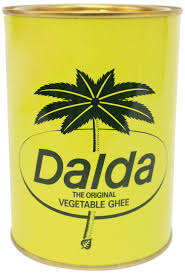
This recipe has been in my book since I was in school in the early 70’s, which was shared by Irene Vaz. In those days “Dalda” a brand of hydrogenated vegetable oil, was an household name for an affordable ‘ghee’ substitute, made famous by Lintas the company responsible for their advertising. One of their vigorous campaigns was a recipe contest and the winning recipes were published. A must ingredient in every recipe was Dalda! Have your ever seen a recipe calling for ‘Parachute’ rather than ”Coconut Oil’? But with Dalda it was the brand that was made famous rather than the product (vanaspati). Vanaspati is a thick vegetable oil NOT Ghee, but was commonly used instead of ghee.
Musallam Phool Gobi is from this recipe contest. Although I had it since the 70’s I tried it only in the 90’s when we invited two of our friends and their families over for Lunch as their parents were visiting Kuwait. The parents were strict vegetarians and wanting to impress them I prepared this dish, but they didn’t believe that it was home-cooked and kept insisting that it was certainly ordered from a restuarant. So that’s how delicious it turns out!
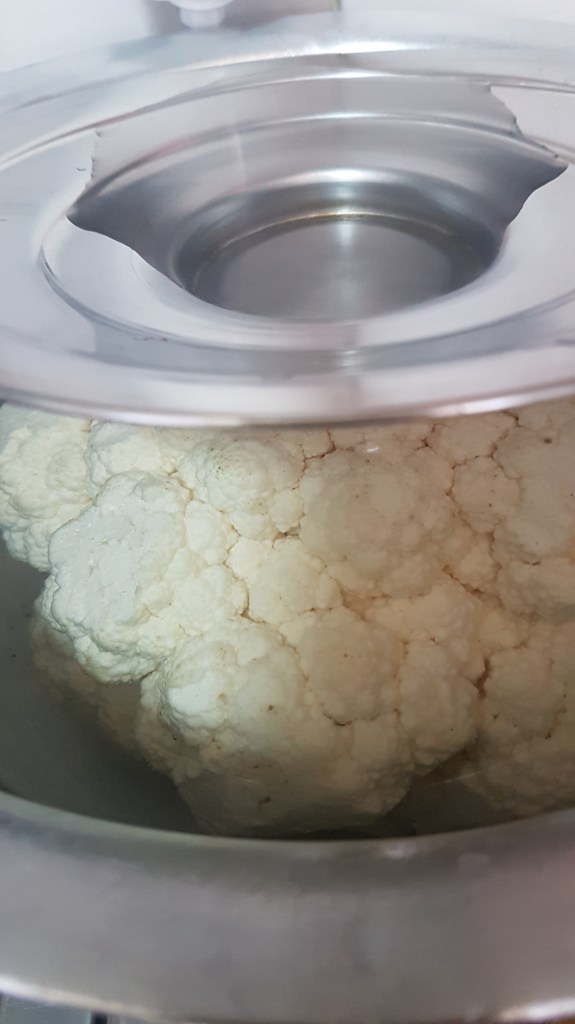
To prepare Musallam Phool Gobi, clean cauliflower and remove the leaves. Wash whole flower well and soak it in warm salted water to 10 to 15 minutes. Drain and rinse.
Immerse in salted water
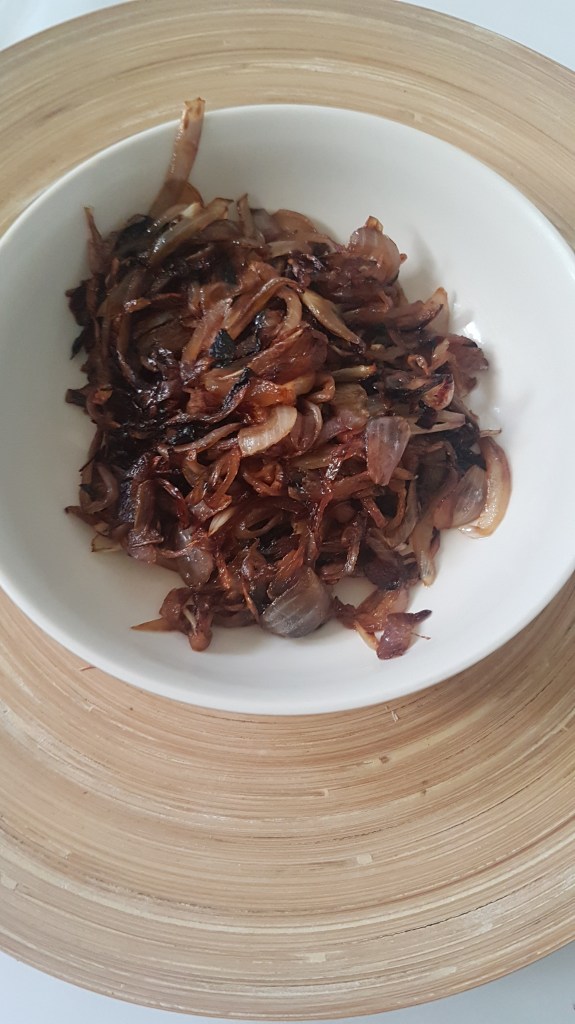
Wash and cut tomatoes into fours. Slice onions finely. Grind the ingredients from garlic to salt. Heat 2 tbsp. ghee in a pan and fry the onions till golden brown, remove and set aside.
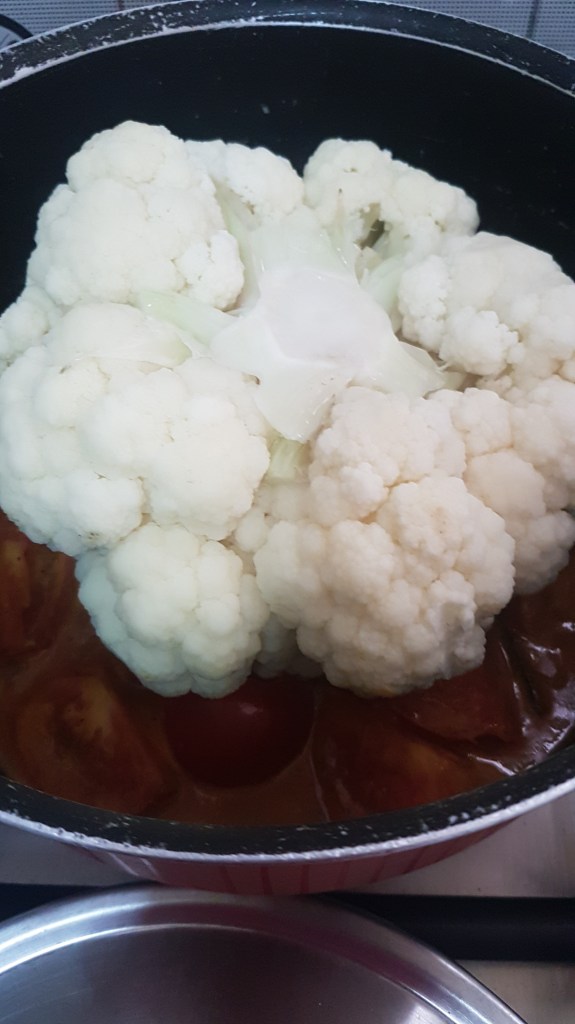
While the onions are frying, take a deep broad vessel and add 2 tbsp. ghee, when hot, add the cardamoms, cinnamon and bay leaves. Add the ground paste and fry for a few minutes. Add the tomatoes and cook for five minutes. Then add the whole cauliflower, stem side up.
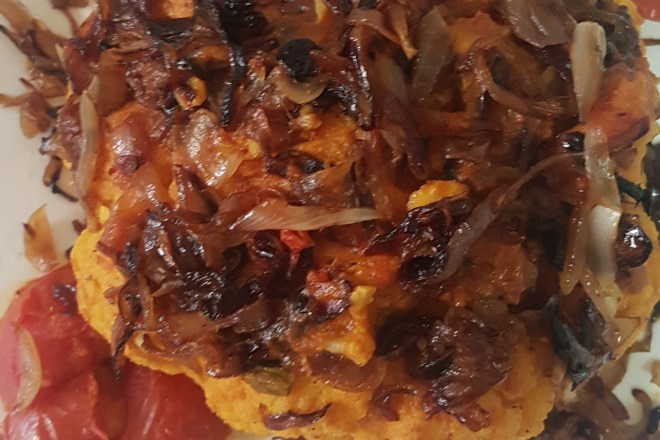
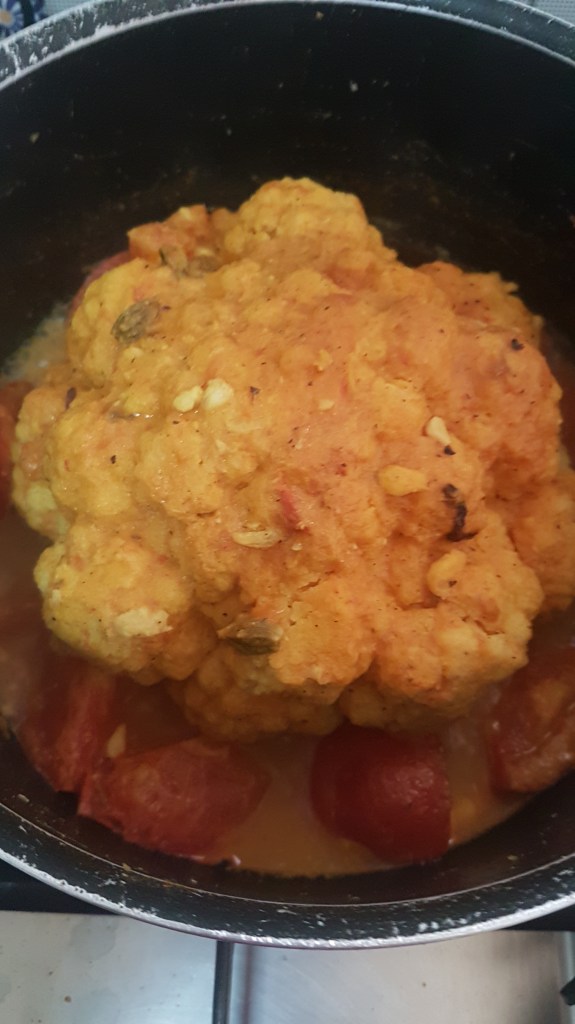
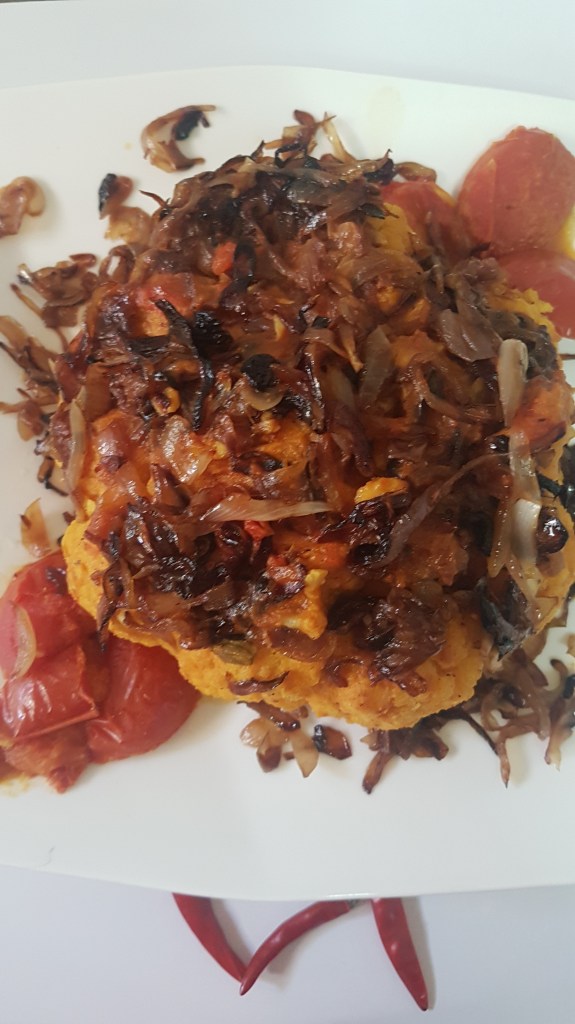
Cook on low heat till half done. Turn over and cook till tender and light brown. Do add any water. Garnish with the browned onions and serve hot with parathas or chapaties or any Indian bread of your choice.
Pao-Bhaji (or Pav Bhaji) is a simple potato and tomato dish, made famous on the side streets of the city that never sleeps and loves to eat out.
I can gorge on street-food anytime and my favorite is undoubtedly Pao-Bhaji. In the late 70’s when I used to work at New Marine Lines, behind the Income Tax Office, the office boy would gladly fetch Pao-Bhaji for my lunch on days I did not carry tiffin from home. This happened very often as it gave me an excuse to have this mouth-watering meal. Those familiar with this area would have tasted this and many other delicious lunch-time options available on the lane leading to cross maidan. The food-carts now, most certainly upgraded to food stalls.









 My Cooking Diaries "CooklikeCecilia.com"
Recent Comments