Authentic tried and tested simple recipes in mainly Indian cooking, including traditional mangalorean, Goan, East Indian, North Indian recipes and much more…
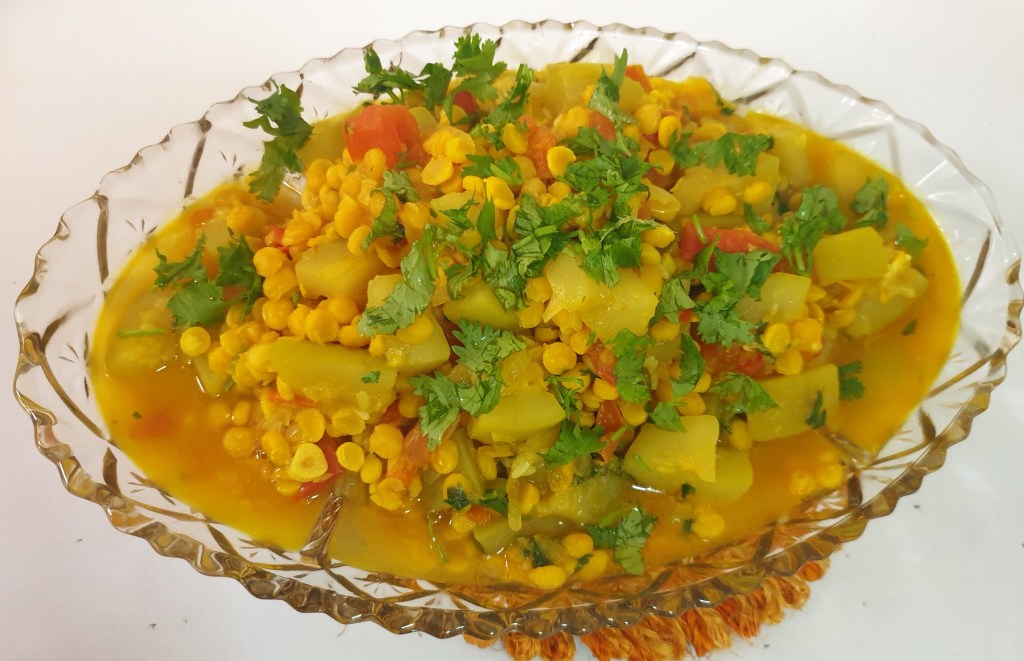
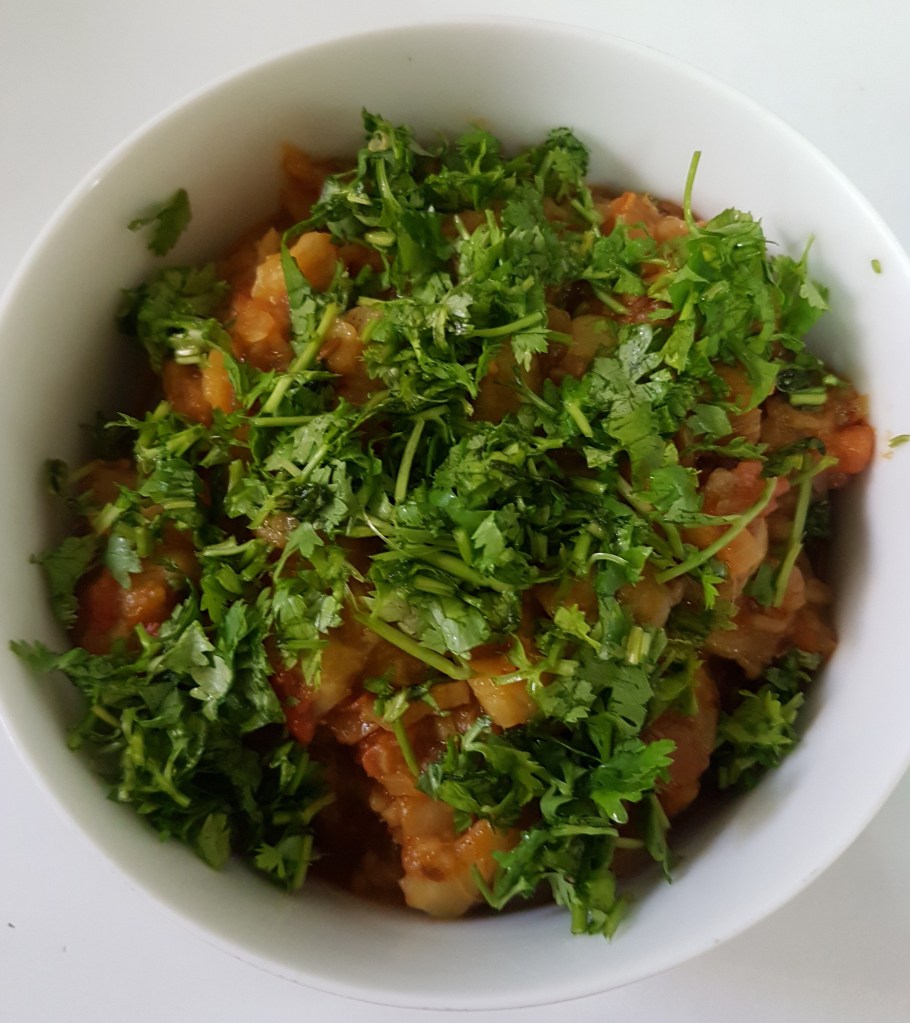
We love this vegetable gravy. Only turmeric powder is added as a spice in addition to the fresh ingredients. So even though it is cooked with minimum spices yet turns out delicious, light & nutritious.
Ingredients
1 cup chana dal
1 medium pumpkin
2 medium onions, chopped
2 green chillies, chopped
2 lakes garlic, sliced
2 medium tomatoes, chopped
1 tsp. turmeric powder
1 tsp. salt or to taste
2 tbsp. oil
2 tbsp. chopped coriander leaves to garnish.
Method
Wash and boil the dal in 2 cups water.
Peel the pumpkin, cut into cubes, wash and drain.
When the dal is half cooked add the pumpkin cubes and salt and cook till dal and pumpkin are tender. Don’t overcook the dal, should be tender yet whole.
Set aside.
Take another vessel and add oil.
When hot add the chopped onion and garlic and green chillies.
Fry till onion is translucent
Then add the chopped tomatoes and cook till tomatoes are soft.
Add turmeric powder, mix and add the cooked dal and pumpkin, sufficient water for gravy and bring to boil.
Lower flame and simmer for 10 minutes or till oil surfaces.
Adjust seasoning and add the chopped coriander leaves, mix.
Wash the dal well and soak in water for 15 minutes. Place in a vessel and boil till almost soft. Clean and cut the tendlis into 4 and add to the dal, add salt and cook till vegetable is tender. Grind the masala to a paste and add to the dal vegetable mixture. Rinse the grinder jar and add to the curry adjusting to desired consistency. Bring to a boil and simmer 10 to15 minutes. Meanwhile prepare the tempering. Heat oil in a pan, add the mustard and when it splutters add the garlic, curry leaves and onion and fry on medium low till light brown. Just before switching off the heat, garnish the curry with the tempering. Serve hot with rice or any bread of your choice.
A quick, deliciuous, nutritious dish without onion and garlic. Rajasthani vegetarian cuisine.
Potato & Red Pumpkin Gravy
Rajasthani cuisine
Ingredients
½ kg. Red pumpkin
½ kg. Potatoes
2 bay leaves
1” pc cinnamon
2 cloves
2 cardamoms
1 tsp. Kalonji (nigella/onion seeds) Optional
½ tsp. mustard seeds
½ tsp. fenugreek seeds
1 tsp. chilli powder
2 tbsp. yogurt
1 tsp. cumin powder
1 tsp. coriander powder
½ tsp. turmeric powder
1 tomato, chopped (or 1 tbsp. tomato paste) (missed it in the video recording)
1 tsp. amchur (dry mango powder)
½ tsp. sugar
1 tsbp. Ghee
1 tsp. Salt or to taste
Method
Clean, Peel and wash the red pumpkin and potatoes. Cut into cubes. Heat the ghee and fry the bay leaves, cinnamon, cloves, cardamoms, nigella seeds, mustard seed and fenugreek seeds until the seeds begin to crackle. Add the yogurt, chili, coriander, cumin and turmeric powders and fry for 2 to 3 minutes. Adjust spices to taste. Add the tomato paste or the tomato and fry for a minute. Add the potato and pumpkin cubes, ½ cup water, cover and cook on medium heat for 15 minutes or until the vegetables are tender. Add the amchur, sugar and salt. Mix and simmer for a minute. Serve hot.
This is my mother-in-laws signature mutton curry which she served with much love Sunday after Sunday. Sadly she passed away too early for me to enjoy her delicious cooking. Apart from our holiday trips, after marriage, I was fortunate to stay three months with her before joining my husband in Kuwait.
My husband has just not had enough of this mutton curry and the turnips that go with it! He relishes the curry especially the turnips. Whenever turnips are in season, he invariably picks them up and when they enter our home they must end up in this curry. No, they absolutely cannot be cooked in any other way! But the truth of the matter is that they are amazingly delicious in this mutton curry. For those who are not very fond of turnips, potatoes are included and make sure to cut them in a shape different from the turnips, either in wedges or halves if the turnips are in cubes, because once cooked it is difficult to differentiate between the potatoes and the turnips in the curry. My children rarely eat turnips so the usual question when serving will be “Mama are the long pieces potatoes”?
So do cook and enjoy this tasty lip smacking curry, the only dish I learnt from my mother-in-law!!
Ingredients
To cook meat
1 Kg. Mutton/Lamb
2 medium onions
2 tomatoes
2” pcs. Cinnamon
4 to 5 cloves
3 to 4 cardamoms
¼ tsp. peppercorns
1 tsp. salt or to taste
Vegetables
1 or 2 turnips
1 or 2 potatoes
1 to 2 cups French beans
1 cup green peas
Grind to a paste
One bunch coriander leaves
6 green chillies
1.5”pc. ginger
6 flakes garlic
1 small onion
1 tbsp. coriander seeds
1 tsp. cumin seeds
½ tsp. mustard seeds
¼ tsp. pepper corns
¼ tsp. turmeric powder
1” pc cinnamon
4 cloves
4 cardamoms
4 to 5 flakes tamarind
4 tbsp. heaped coconut powder
2 to 3 tbsp. coconut oil or ghee
Method
Clean, cut and wash mutton. Drain and set aside.
Chop the onions and tomatoes.
Heat oil in a wide vessel.
Add the onion and saute.
Add the whole spices.
When onions are light brown, add the tomatoes and fry till soft.
Add the meat and saute, cook till meat changes color.
Then add sufficient hot water to cook the meat and bring to a boil.
Lower heat and cook for one hour, stirring once or twice in between.
After one hour add 1 tsp. salt, and check if meat is cooked.
If still to cook, add hot water if required and cook further 15 to 20 minutes till tender.
As the meat is cooking, clean and prepare the vegetables.
Cube the turnip into 8 pieces each, the potato into four wedges each, the French beans break into 2 to 3 pieces. Shell the green peas clean if using fresh. Set the vegetables aside.
Meanwhile grind the masala to a paste.
When the meat is tender add to the meat with the masala water and check required consistency.
Bring to a boil and simmer 5 minutes.
Add the turnips and French beans and cook 10 minutes.
When turnips and French beans are almost done, add the potatoes and green peas and cook further 10 minutes till potatoes are cooked.
Check seasoning and take off heat when oil surfaces.
Serve with steamed rice, pulao, sannas, panpole, appam, bread, etc.
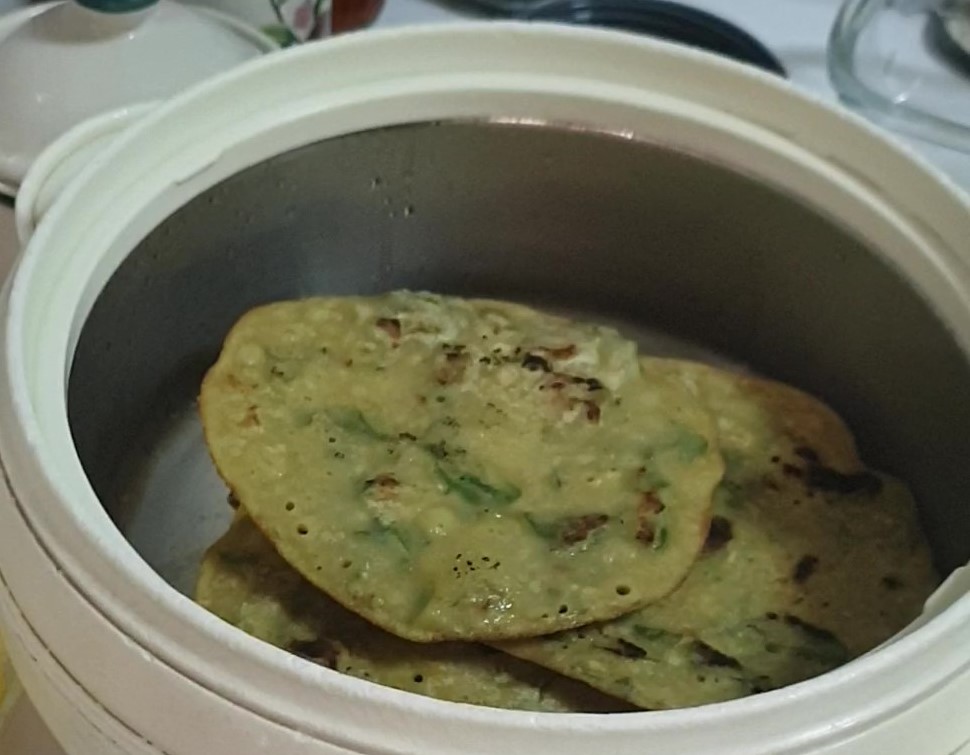
These are not the usual Mooli Parathas but more like theplas, usually served at mealtimes but can be enjoyed for breakfast or as a teatime snack with a hot cup of tea or coffee.
Ingredients
2 cups grated raddish
4 cups wheat flour
2 tsp. ginger-garlic paste
2 tsp chilli powder
1 tsp. ajwain
Salt to taste
2 tbsp. oil
Ghee for smearing the rotis
Method
Peel, clean and wash the mooli (raddish).
Mix all the above and and knead to a soft dough.
Divide into equal portions (about 15 to 18) and roll into a circle as thin as possible dusting some flour to prevent it sticking.
Cook the roti to a golden brown on a hot griddle (tava) on both sides applying some ghee on both sides.
Serve hot with lunch or dinner or for breakfast with yogurt, pickle.
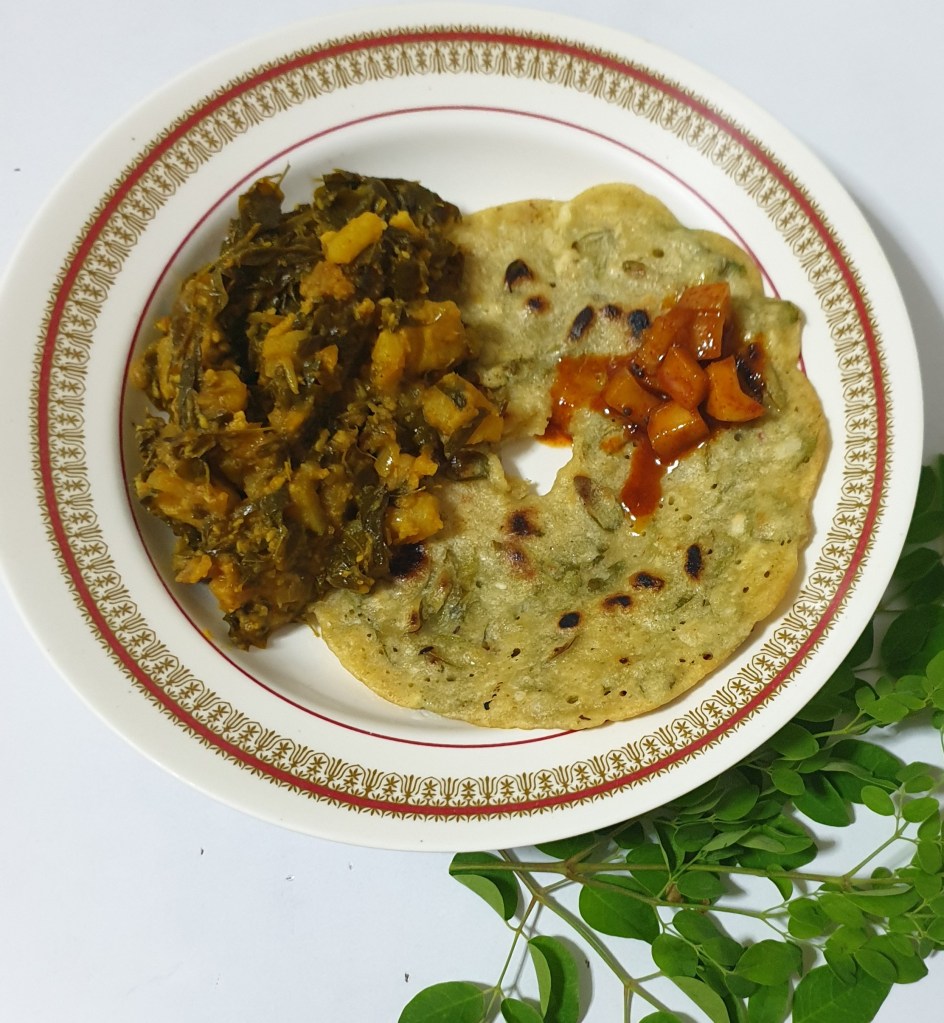
Enjoy healthy and nutritious drumstick leaves, popularly known as ‘Moringa leaves’ which are a powerhouse of nutrition. There are several ways to cook drumstick leaves some of which are herebelow. We used to have plenty of the drumstick trees around our houses and don’t think our mothers ever had to purchase drumsticks or the leaves for cooking.
As they are currently available in the market decided to make a few dishes and post recipes.
These cakes are usually steamed in teak leaves, which impart a unique fragrance and reddish color to the cake. In the absence of teak leaves here, I have used banana leaves but would surely use teak leaves whenever I can get some and re-post the pictures. Canned jackfruit has been used in this recipe.
Ponsache Patoleo – Jackfruit cakes steamed in banana leaves (Pelakai da ghatti in Tulu)
Jaggery 1/4 cup, or as required (may be omitted if jackfruit is extra sweet)
Salt to taste.
8 Teak leaves (or 5 to 6 banana leaves cut into medium sized pieces)
Wash and soak rice for 4 to 6 hours or overnight.
Grind along with jackfruit, coconut and jaggery to a very thick paste using very little water. Add salt.
If using rice rava, soak for 15 minutes. Grind the jackfruit, coconut, jaggery to a paste and mix with the rava.
Place 2 ladles (or more depending on the size of the leaf) and fold into a packet and place in steamer, seam side down and steam for 30 minutes. Cooking time would vary according to size and thickness of the jackfruit cake.
Remove and cut into pieces, if cakes are large.
Serve for breakfast or as tea-time snack. Also goes well with curries on festival menus.
This Aubergine delicacy is a famous punjabi recipe. Brinjals are available throughout the year and a very common vegetable. A simple vegetable turns into a delectable dish. Even though brinjals are considered as a night shade it is widely consumed. Enjoy this delicious bhartha sa a meal by itself with rotis or phulkas and serve as an accompaniment.
Ingredients
500 gms. Brinjals (Aubergine, Eggplant)
¼ cup ghee
1 tsp. cumin seeds
1 medium onion, chopped
1 tsp. ginger. chopped
1 tsp. paprika (or Kashmiri chilli powder) or to taste
Salt
2 medium tomatoes, chopped
3 green chillies, chopped
1 cup coriander leaves, chopped
Method
Wash brinjals and wipe dry.
Apply a little oil to the brinjals and roast on direct flame till charred and skin starts peeling off. This can be done in a charcoal grill to get the charcoal flavor or oven.
Remove and immerse in water to cool. Remove he skin and stem and chop.
Heat ghee, add cumin and when it crackles, add onions and cook till translucent, add ginger and saute few seconds.
Add the chilli powder, salt, mix, add tomatoes and saute till fat appears at the sides.
Add the chopped brinjals and saute for 5 minutes, add green chillies and mix. Check seasoning.
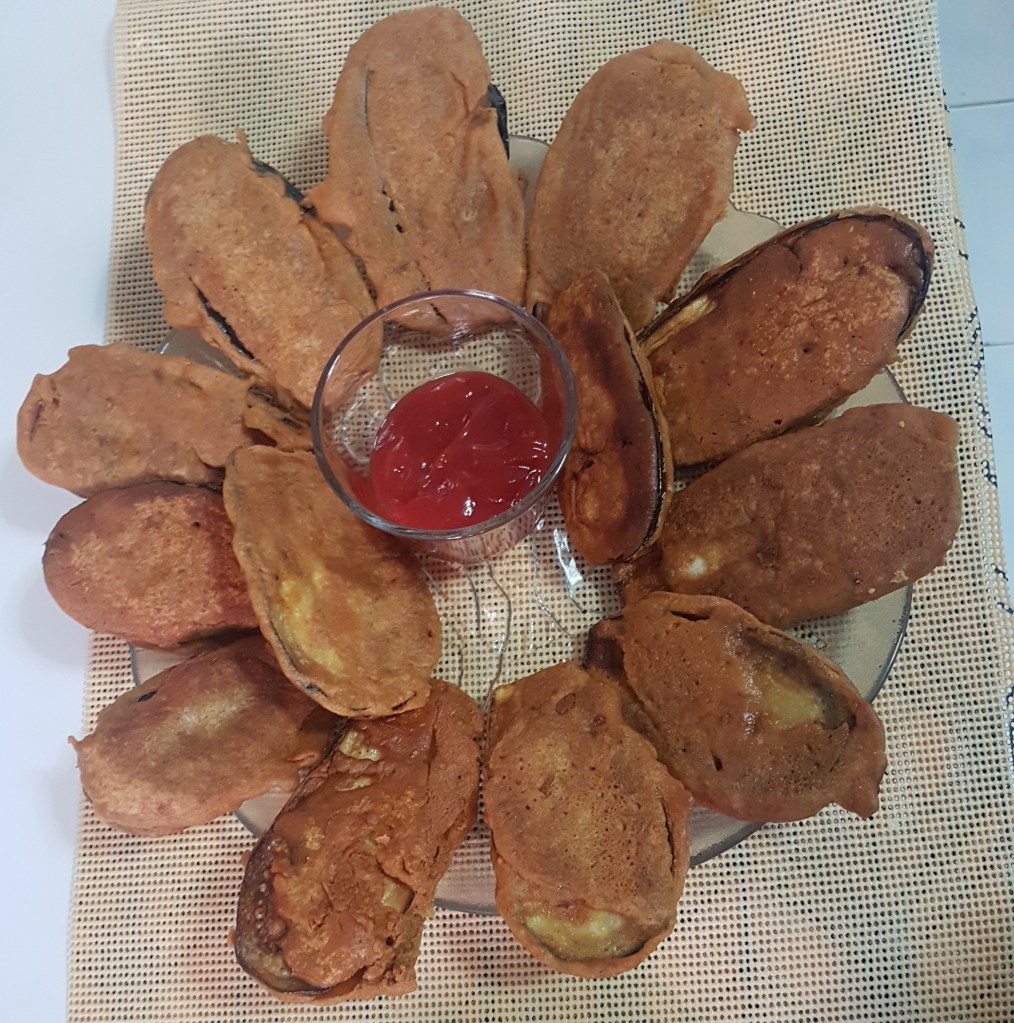
Brinjals or aubergines or eggplants as they are called are a very versatile vegetable and a universal favorite, available roundthe year. They are delicious fried as pakoras, bhajias, stuffed with mince or green chutney masala (these recipes are in the book Mai’s recipes). The brinjal bharta and brinjal pickle are famous and so is the turkish recipe Imam Bayildi
Ingredients
6 medium brinjals (or two large)
1 ½ cups besan (gram flour)
¼ tsp. soda bircarb (optional)
1 tsp. carom seeds (ajwain)
2 tsp. chilli powder or to taste
1 ½ tsp. amchur (dry mango powder) or pomegranate seeds powder
1 tsp. salt or to taste
1 ½ cups water
Oil for shallow frying
Method
Slice the medium brinjals horizontally. If large cut into round slices.
Mix the gram flour, soda bicarb, ajwain, chilli powder, amchur, salt to taste and make a batter with 1 cup water.
Add some more water if batter is too thick.
Batter should coat the brinjals without dripping.
At the same time the coating should not be too thick.
Shallow fry to golden brown on both sides in hot oil.
Serve hot with ketchup, mint sauce, chilli garlic sauce or any sauce of your choice.
Make into sandwiches with bread or pita bread or rolled into a chapati for breakfast, packed lunch or a snack.
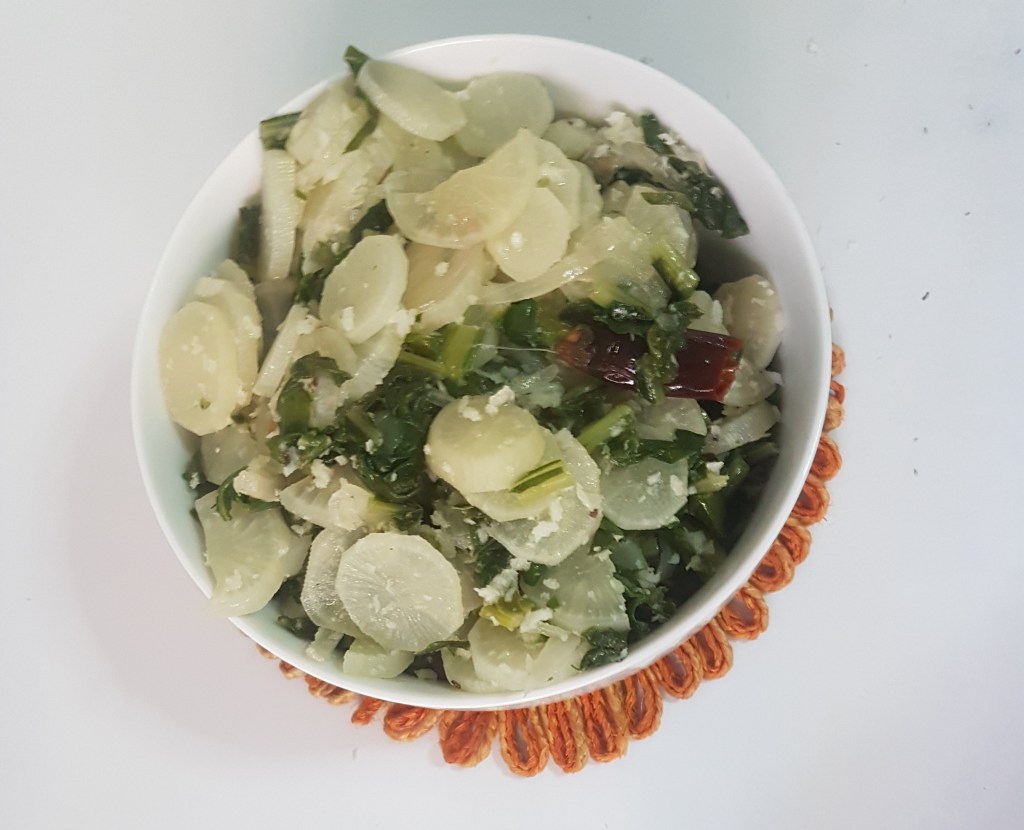
Radish is in season in winters and an excellent way to add fibre and nutrients to your diet. Radish also helps in fighting cough and cold. Have your tried eating fresh radish marinated in vinegar? If you have a blocked nose, it provides instant relief. East Indians make a lamb curry with radish called Lonvas using east indian bottle masala. Turns out delicious. Mooli parathas a North Indian speciality are famous all over. So enjoy the goodness of radish this winter.
Radish Vegetable (Moolo Bhaji)
Ingredients
1 large bunch radishes with leaves
1 onion sliced
2 red chillies
4 flakes garlic
¼ cup fresh coconut
1 tbsp. coconut oil
1 tsp. salt
Method
Clean the radish by discarding the yellow and stained leaves and reserve the tender and unblemished leaves.
Peel the radish
Place everything in salted water for 10 minutes.
Drain an rinse well.
Chop the leaves and slice the radish into thin slices.
Heat the oil in a pan, add the crushed garlic, and red chillies broken into half. Saute a few seconds.
Add the sliced onion and toss, then add the vegetable, salt, cover and cook 5 to 7 minutes.
Not necessary to add water as the vegetable releases water.
However, half way through cooking if the water has dried up, add a quarter cup of water, cover and cook till the radish is tender.
Add the coconut, mix and cook further 2 minutes.
Remove and serve hot as accompaniment with Rice curry or serve with rotis.
Makes a light and healthy dinner with just chapatis (rotis) and moolo bhaji.
A delicious tart & spicy curry made with 6 fleshy mango seeds. I had used the mango flesh to make “God Lonche” pickle (Sweet & Sour Mango Pickle) and didn’t want to waste the mango seeds.
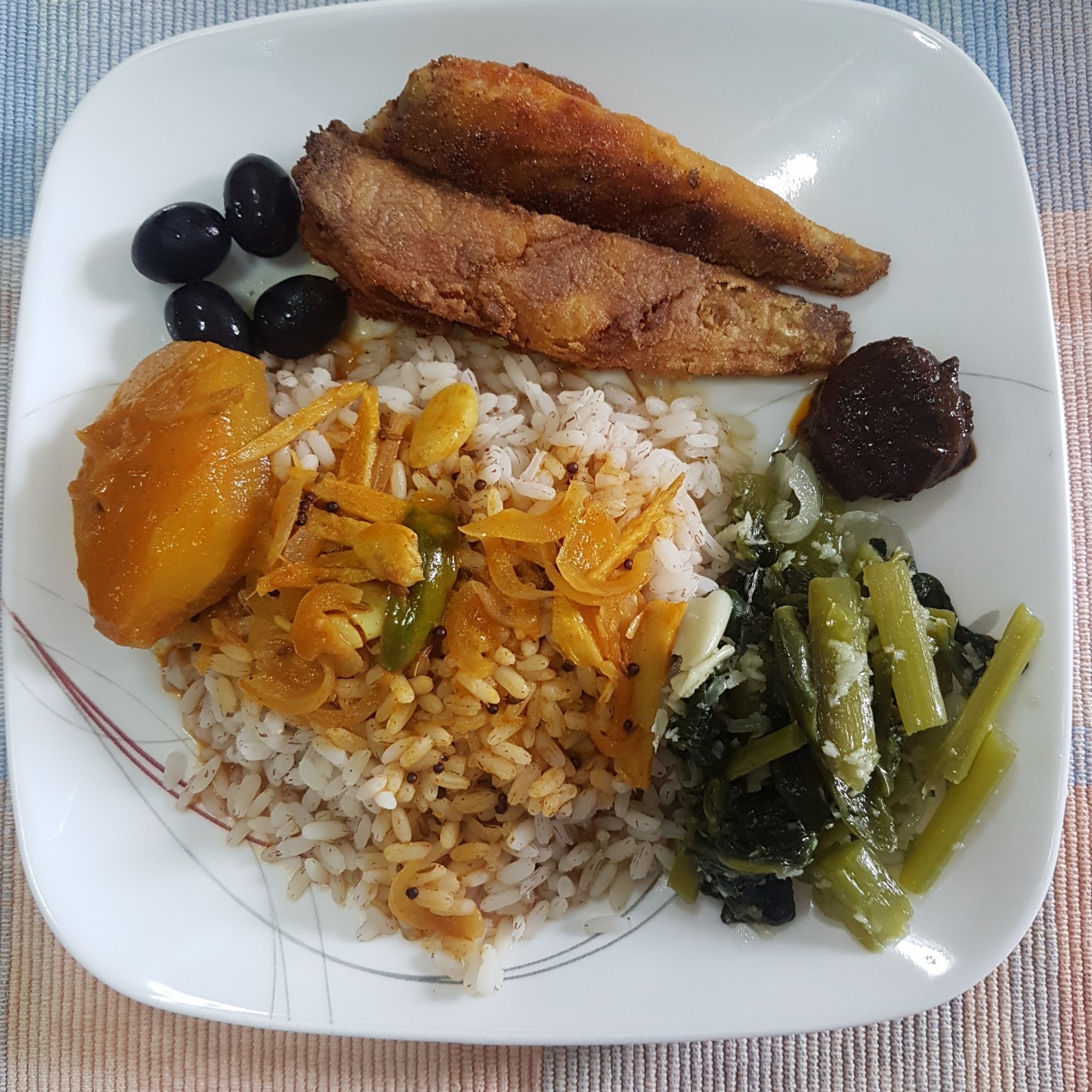
Served the curry for lunch with boiled rice, valchi bhaji tel piyav, kaane fry (lady fish fry) and prawn balchao (made by my friend Melville). Lip smacking!!
Ingredients
3 raw mangoes, peeled and cut into wedges
1” pc. Ginger, shredded
2 green chillies, slit
3 flakes garlic, chopped
1 onion, sliced
½ tsp. mustard seeds
½ tsp. cumin seeds
Salt to taste
1 tsp. jaggery
2 tbsp. oil
Grind to a paste
2 tbsp. Bafat masala powder
2 to 3 tbsp. coconut
Method
Heat oil in a vessel, add the mustard seeds and cumin,
When they pop, add the garlic, ginger, chillies and onion and fry till light brown.
Add the masala paste, with the masala water, salt, stir and cook till oil appears on the edges.
Add the raw mangoes and bring to a boil, lower flame and simmer till oil surfaces.
Add jaggery, cook further 2 minutes and take off flame.
Serve hot with plain boiled (steamed) rice.
We had this curry with rice, valchi bhaji (check out my Valchi Bhaji Tel Piyav video) and Kaane fry (Lady fish fry)
Taro croms (root) is also known as Arbi, Ghuiya, Colacasia root. The leaves are called colacasia leaves, Alun leaves, Pathra leaves. The root, stems and leaves are edible but should not be consumed raw as it containes toxic substances which are neutralised by cooking.
Taro is a tropical plant and consumption of both its root and leaves have many benefits namely, reduces infammation, controls cholestrol, boosts immunity amongst other benefits.
Available in abundance during the monsoons in India. It is also grown in African, Oceanic, Pacific and South Asian countries throughout the year. It is easily available in Indian, East Asian and Latin American Markets around the world and comes in various sizes from small to medium to large. When choosing Taro croms, pick those that seem heavy for their size, are firm and the hairy skin looks somewhat moist.
Taro Roots or Arbi can be prepared into various tasty snacks and vegetables, a few of which are mentioned below. Apply some oil on your hands when handling Arbi or wear gloves as it leaves a sticky liquid.
Taro or Colacasia leaves – also known as Colacasia leaves, Alun leaves, Pathra leaves, have an abundance of benefits and are most commonly used in the traditional mangalorean Pathrode and the famous gujarati snack Pathra (Alu Vadi). The stems of the leaves are also used in cooking and we usually make a curry by adding some legumes, etc.
It is beneficial to eat local and seasonal produce. Not only is it cheaper but also fresh as it is grown in local farms and the supply does not require transportation over days and weeks to long distances therefore the produce reaches markets quicker thereby preserving its nutritional value. Besides the nutrients lost due to contamination from pesticides etc. is eliminated as most local produce is grown organically. Any seasonal produce is naturally good as it supports the body’s nutritional requirements. Buying local produce also supports the local farmer.
Recent Comments