Authentic tried and tested simple recipes in mainly Indian cooking, including traditional mangalorean, Goan, East Indian, North Indian recipes and much more…
We have very often heard the phrase “He doesn’t even know how to boil an egg”! Well, this may hold true for many of us. Read on to find out why…..
There is a certain technique to making perfectly boiled eggs. All these years I just placed the eggs in a pan of water and boiled them away for 20 minutes or sometimes conveniently forgot about the boiling eggs thinking nothing could ruin a boiled egg. But I was so wrong, I realised that eggs tearing through their shells, yolks tasting rubber-like and dry and the colour changing to a grey-green and giving off a sulphuric smell were all characteristics of an imperfectly or over-boiled egg!
The correct technique for boiled but runny eggs is to place the eggs in a pan of cold water to cover the eggs and switch off the heat as soon as the water begins boiling. Cover the pan with a lid and leave the eggs in hot water from 3 to 20 minutes depending on how runny you like them. Transfer the eggs to cold/room temperature water to arrest further cooking. Then, just remove a piece of shell at the top of the egg, season with salt and pepper (if you wish) and dig into the creamy white and yolk with your spoon and yumm…delicious and healthy too! You can even dunk your bread or piece of toast into it and enjoy.
For the perfect soft boiled and hard boiled eggs, bring water to a full rolling boil and simmer for 3 to 5 minutes for soft boiled, 7 to 10 minutes for hard-boiled eggs. Again depending on your desired consistency. Transfer the eggs to cold water, peel and enjoy.
Peeling can be a chore for perfectly boiled eggs, more so if the eggs are fresh. Old eggs (say a week or two old) make better boiled eggs. They are also easier to peel and peeling them under running water also makes it easier. To test for freshness of the eggs, simply place the egg in a bowl of water. Generally, if the egg is stale it will float and if it sinks it is fresh. This is because as the eggs get older, the size of the airsac increases making it float.
In spite of several marketing claims that brown eggs have far more nutrition than white, this is but just a claim. The difference in the color of the egg only seems to be in the price as brown eggs cost five times more than white eggs and for what, only because they are brown and laid by hens with red feathers!! Yes, the color of the eggs are determined by the breed of hen as brown eggs are laid by hens with red feathers and white by hens with white feathers. An interesting observation I made in the process of this project was that with brown eggs the yolk i.e. the inside seemed to cook faster than the white i.e. the outside, as seen in the picture below. Hmm…shouldn’t it be the other way round!!??
The color of the egg yolk also has nothing to do with the nutritional value of the egg but is determined by the diet of the hen. A dark yellow yolk indicates the hen was possibly fed green vegetables and a light yellow a diet of barley and wheat and medium yellow, alfalfa and corn.
Blood-spot that you see in an egg is from the rupture of a blood vessel in the egg yolk and is completely safe to eat.
Eggs are an excellent source of nutrients and contain some healthy unsaturated fats and healthy proteins. They also contain zeaxanthin, lutein and choline. Zeaxanthin and lutein may preserve against loss of vision and choline has been associated with preserving memory and also promotes normal cell activity, liver function and the transportation of nutrients throughtout the body. Eggs contain zero carbs and no sugar. Eggs have all 9 essential amino acids. Eggs are naturally gluten free and hence make an awesome gluten free breakfast option. A medium egg contains less than 70 calories.
There is no need to restrict eggs. Neither The Department of Health nor the British Heart Foundation recommends a limit on the number of eggs you can eat. In the past there have been reservations due to their cholesterol content but it is now known that too much saturated fat is more likely to raise cholesterol levels than eating foods rich in dietary cholesterol. So go ahead and enjoy a breakfast of eggs, a protein packed breakfast helps sustain mental and physical energy throughout the day!
However, beware of fake eggs which are becoming a concern in China. They are made to look real from a mixture of starch, coagulant and resin complete with pigment for color and a counterfiet shell. The ones below are real!
Marinating food prior to cooking is the essence of food preparation for all types of grills, roasts and so on. Whether it’s a short dip or a long soak, marinating enhances a variety of foods. It’s a versatile and indispensable technique which helps to boost the flavor of meats and vegetables.
Marinating refers to soaking food in a flavorful liquid called a marinade. Marinating is a technique that’s been around at least since the Renaissance, when acidic mixtures were commonly used to help preserve foods.
One always speaks of marinating when they would like to tenderize food. But, contrary to this popular belief, marinating only flavors, not tenderizes, food. You may also think marinating is time-consuming, but this is true only if you think marinating is to tenderize. In fact marinades only permeate the surface of the food and have little effect on the interior. If you really have no time, simply smear the food with the sauce or marinade as it is going on the grill or the pan. Tenderizing really comes from the way you cook it.
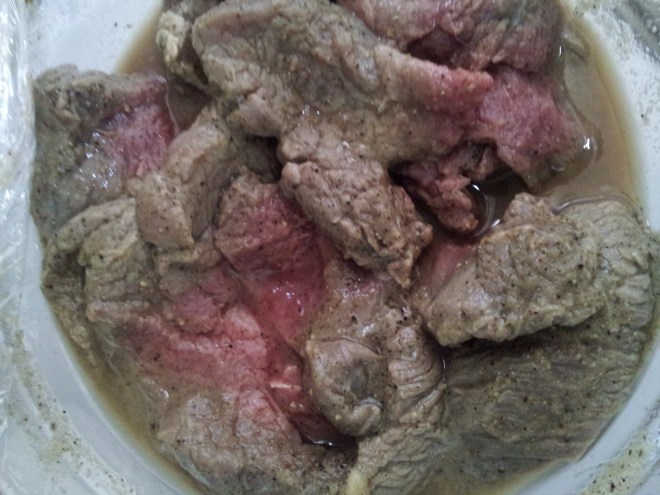
The beef steaks, shown in this picture, were left in the marinade for a couple of hours but the pink centre cleary illustrates how far the marinade has penetrated, which is only the outer layers of the steaks. Of course this would depend on the thickness of the meat, for thin cuts the marinade would permeate evenly.
Beef Steaks in Marinade
The first and most basic of marinades almost always include an acidic element, such as citrus juice or vinegar which boosts flavors and may tenderize the surface proteins of meat. Oil is another common constituent as it helps coat food, carries flavor and helps food stay moist. Ingredients such as garlic, ginger, soy sauce, pepper, chillie, enhance the savory qualities of meats and fish.
The second type of marinade included the use of wine/alchohol. However, when marinating fish or meat that is to be grilled or sauteed, avoid using wine or alchohol, because these cooking methods only heat the meat to about 135 to 165 degrees, well below the boiling point of alcohol, leaving the meat with a taste and flavor of alcohol. Wine is fine for using in stews and braises because these dishes are cooked for a prolonged period at a temperature that boils off the alcohol and eliminates any harsh flavors.
A third kind of marinade includes those that ‘cook’ raw foods, usually seafood, as in the popular Latin dish Seviche. Lime and/or lemon juice turns the flesh opaque and firm so it appears “cooked” but the food is actually still raw. Although the acid in a marinade appears to “cook” raw fish in a seviche, it doesn’t eliminate bacteria the same way cooking with heat does. When marinating fish that won’t be cooked, make sure the fish is sushi-grade, or frozen-at-sea (FAS) fish; both are safe for healthy adults to consume raw.
A fourth category of marinade is used to marinate cooked fish in a vinegar-based mixture to impart more subtle flavors. This type of dish is called Escabeche.
Foods kept for marinating should never be kept in aluminium or copper containers as the marinade is acidic and as these metals are reactive, the acids and will promote discoloration of the food and give it a metallic taste. It is best to use non-reactive containers like glass, ceramic or stainless steel, even plastic is better than aluminium or copper.
Always marinate meat and fish in the refrigerator. Some of the marinade may be used for basting after removing the meat or fish from it only if the marinade is boiled and cooked for five minutes to kill any bacteria. Marinade brushes and other utensils that are used with raw food should not be used again near the end of cooking.
The length of time you marinate food depends on both the food and the marinade. Delicate fish, shellfish and fruit usually soak for a shorter period of time (from 20 minutes to a few hours), while meats can go longer (up to a day or two, but I would really not want to go beyond 24 hours to preserve the texture of the cooked food). It is really not necessary to soak food too long in a marinade but I find it easier to marinate overnight or say half a day in advance, mainly for reasons of convenience. This allows pre-preparation of food and also for cooking to be done in stages to reduce the pressure and time rather than cooking from start to finish in one go. Especially for occasions, I usually plan a menu around food that requires some sort of marinating so that half the preparation can be done the previous night for an afternoon party or in the morning of the day for a dinner event. However meats should not be soaked in a highly acidic marinade too long as it would alter the texture of the meat which may turn grainy and mushy. If a recipe calls for half-cup of lemon juice, then that is a red-flag.
The science seems clear. ”Acid does break down protein, but after it breaks it down, it causes it to coagulate,” said Shirley O. Corriher, whose book, ”Cookwise” (William Morrow & Company, 1997), explores the reasons some recipes work and others do not. ”If you leave it too long, it toughens or turns to mush.”
While some may be tempted to poke holes in the meat to extend the flavoring beyond the surface, that technique has more drawbacks than benefits. It may improve the distribution of flavor, but more fluid will be lost during cooking, resulting in drier meat.
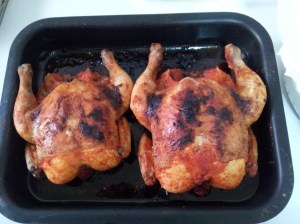
For Grilled Chicken Example I– The chicken was poked all over with a fork thinking the marinade would penetrate the meat and it would turn out more tasty, but instead the meat turned out dry and the skin shriveled up under the grill and the final presentation did not have a very appealing look.
Grilled Chicken Example I
Grilled Chicken Example II – Marinade spices were smeared without poking holes in the chicken and the result was tender and juicy grilled chicken and which looked deliciously appealing.
Grilled Chicken Example II
Another acidic ingredient that has many fans is yogurt. In Indian cooking when food is prepared for the tandoor yogurt breaks down the fiber and tenderizes the meat. Science seems to support the yogurt partisans. Yogurt not only has a far milder acid than those in wine, lemon juice and vinegar, but also contains calcium, which activates enzymes in meat that break down the muscle fiber.
One area where even a harmonizing marinade is not necessary is with an ingredient that is already great and distinctive, like an excellent cut of meat, which needs no marinade to add flavor. (Credits: James Peterson, Mark Bittman, Eric Asimovor)
Pao-Bhaji (or Pav Bhaji) is a simple potato and tomato dish, made famous on the side streets of the city that never sleeps and loves to eat out.
I can gorge on street-food anytime and my favorite is undoubtedly Pao-Bhaji. In the late 70’s when I used to work at New Marine Lines, behind the Income Tax Office, the office boy would gladly fetch Pao-Bhaji for my lunch on days I did not carry tiffin from home. This happened very often as it gave me an excuse to have this mouth-watering meal. Those familiar with this area would have tasted this and many other delicious lunch-time options available on the lane leading to cross maidan. The food-carts now, most certainly upgraded to food stalls.
Goa is known for it’s pure fresh air, scenic beauty, beautiful churches and temples, pristine waters and beaches, heritage structures, extraordinary landscapes, delicious food (especially seafood) and drinks.
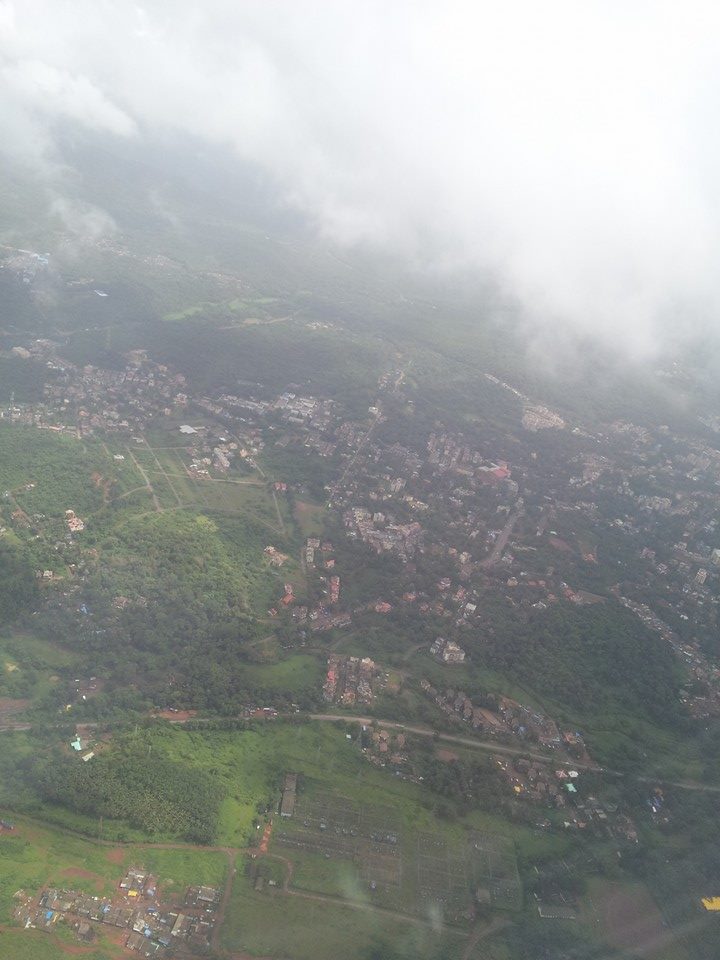
Aerial view of Goa
Duler, my sister’s neighbourhood
Duler
Guirim, My neighbourhood
Guirim fields
My husband and I travelled by Air India direct flight from Kuwait (approx. 4 hr. flight time) and my sisters, brother-in-law and my brother joined us from Mumbai arriving Goa by car (approx. 10 to 11 hrs. travel time, around 604 km.). My brothers’ car made commuting in Goa very convenient. It is a 8-seater Zylo and had more than enough room for our group of six.
We stayed at our apartment in Guirim, off the NH17, situated in a farm/village locale, untouched by tourism and away from the busy beaches and shopping areas. The peace and tranquility, shattered only by our own voices and laughter and occasional chirping of the birds.
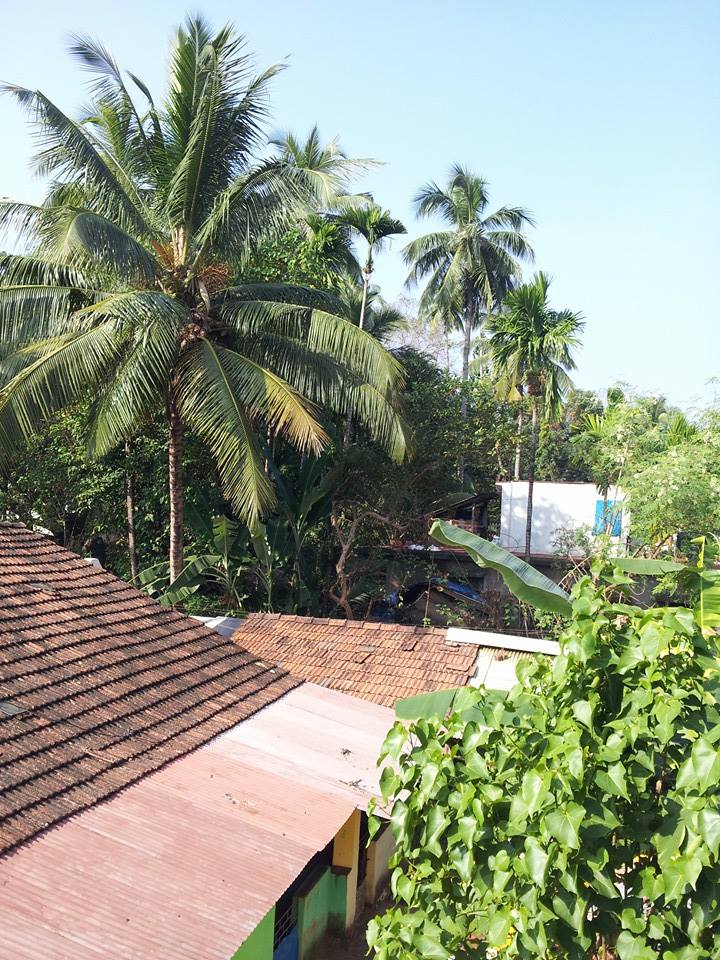
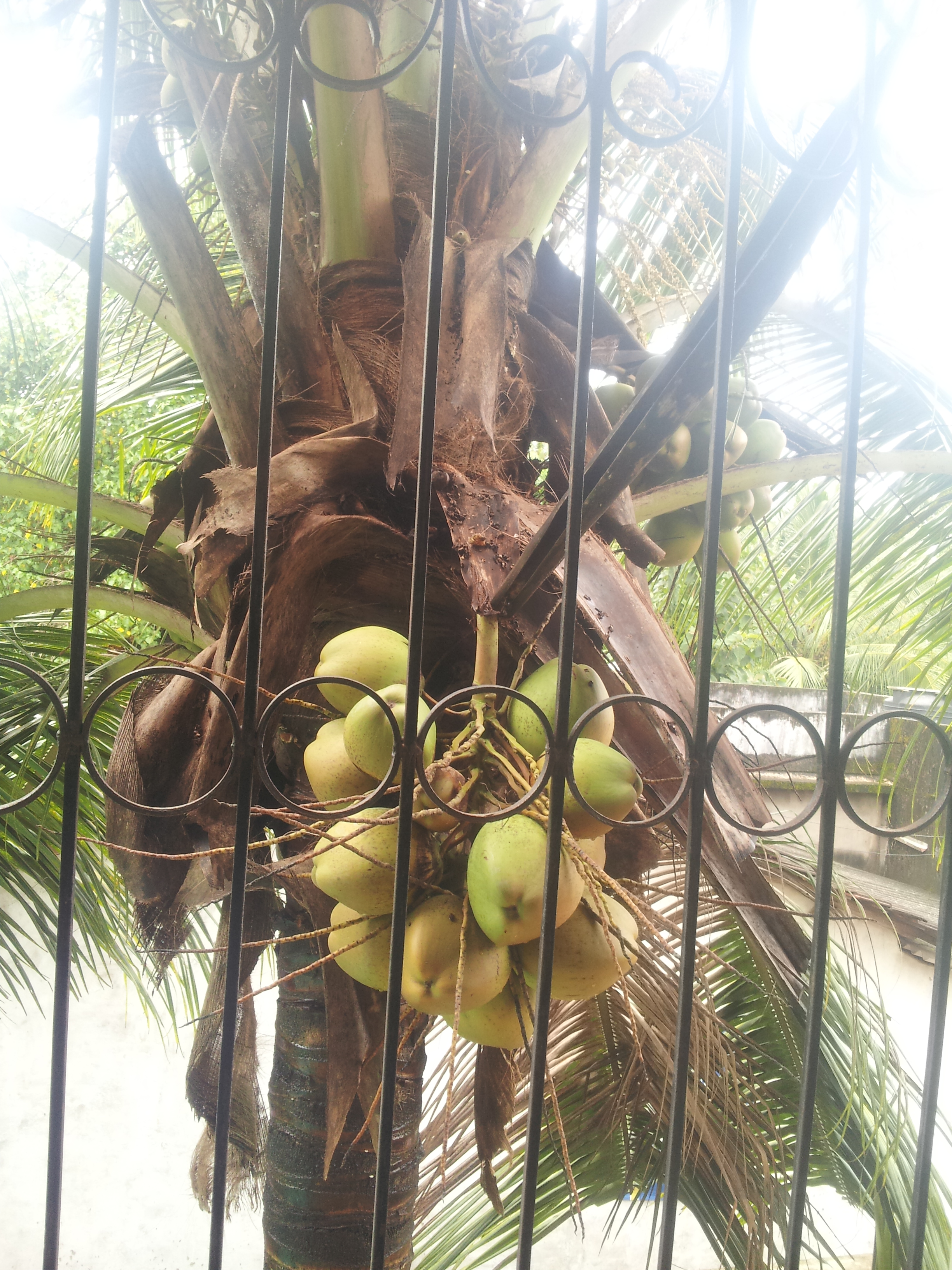
A coconut tree within arms reach from one of our bedroom windows.
As my husband always says…. there are more coconut trees than people in Goa!
Travelling by Air India was a revelation of the new markedly improved services, timely flight departure and arrival, in fact our flight on 25th September to Kuwait arrived 45 minutes early, which is highly commendable as we did have our apprehensions when we booked Air India. The added advantage was 40 kgs. baggage allowance each and on the inbound sector as well; you must be Air India’s frequent flyer Flying Returns member to avail of the additional 10 kgs. Well the effort Air India is making to revamp it’s image and services must be applauded.
Each day we visited a different beach and restaurant for lunch. Had mainly seafood except one of my sisters who is allergic to seafood. However all dinner plans had to be cancelled as none was in the mood to venture out of the house after our blissful afternoon siesta, which sometimes stretched well into late evening as we used to return home around 3 or 4 pm from Lunch. The initial four days of rainy weather did add to the lethargy though… Moreover, all except one of my sister’s being or nearing 60’s, we just felt like chilling and relaxing at home giving us great opportunity to catch-up with each others news and helped us to bond and spend some quality family time together at home.
Before departing Kuwait we had scheduled Kamlabai in Mapuca for our first day lunch and were reminiscing and relishing our past lunches at Kamlabai. Imagine our disappointment when we found the restaurant bearing a notice ‘closed from 17th September until 2nd October’. At this point, we thought it must be closed for renovations, etc. but soon learnt that it is a holiday closure whereby the restaurant closes each year for 15 days during the Ganpati festival. Not only Kamlabai but almost all hindu managed entities remain closed for this festival which is celebrated in a huge way by the Hindus in Goa and all employees go home to celebrate this festival. Am surprised we had never before heard of this shutting down of businesses for the Ganesh festival in Goa. Festivities are relatively peaceful albeit with some bursting of fire crackers and sans the un-manageable traffic jams and crowds experienced in Mumbai during Ganpati.
Day 1, Thursday 17 September
We then went looking for a place to eat lunch in Mapuca and ended up at Reis Corner
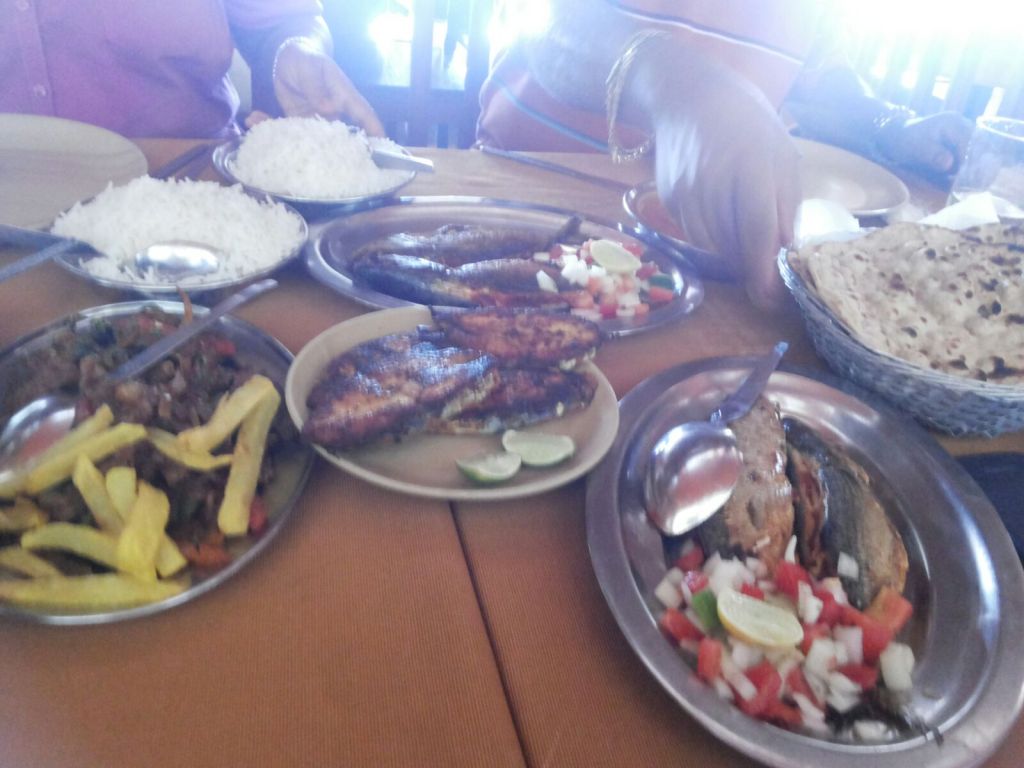
Had Fish Thali and fried Bombay ducks, chicken and fruit salad, caramel custard and ice cream for dessert. The food was okay, nothing extraordinary.
Day 2, Friday 18 September
Headed to Calangute Beach for lunch at Souza Lobo.
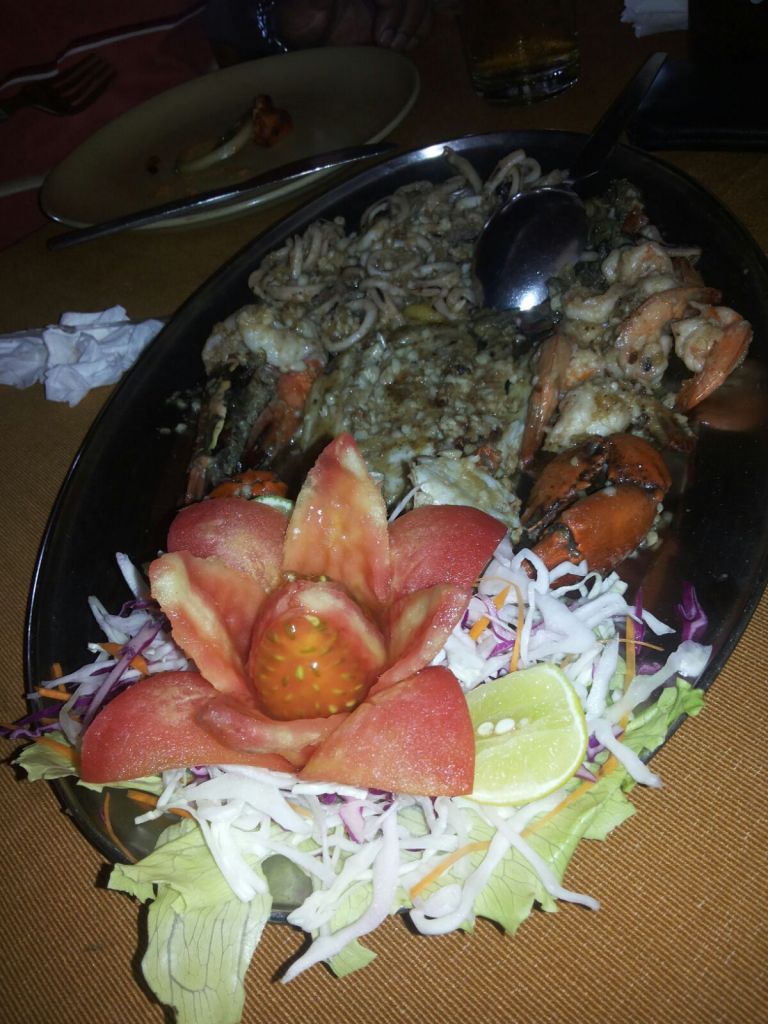
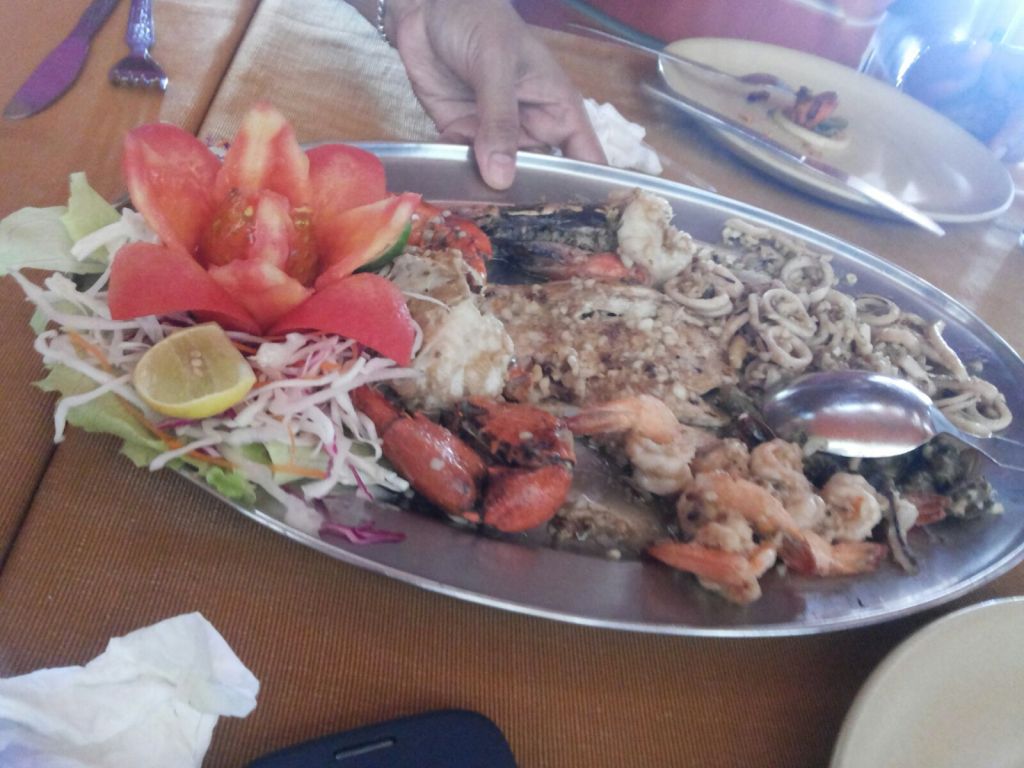
Ordered the seafood platter, mackerel rechado, fish curry (King fish) rice which came with curry fish as well as fried fish, beef chilli fry, rotis and naans. For dessert it was, chocolate brownie with ice cream, fruit salad, fruit salad with ice cream and chocolate crepe with traditional (coconut & jaggery) filling. I must say the seafood platter was awesome and delicious and so was the other food, desserts, drinks, service, etc.. Everything was simply perfect.
Day 3, Saturday 19 September
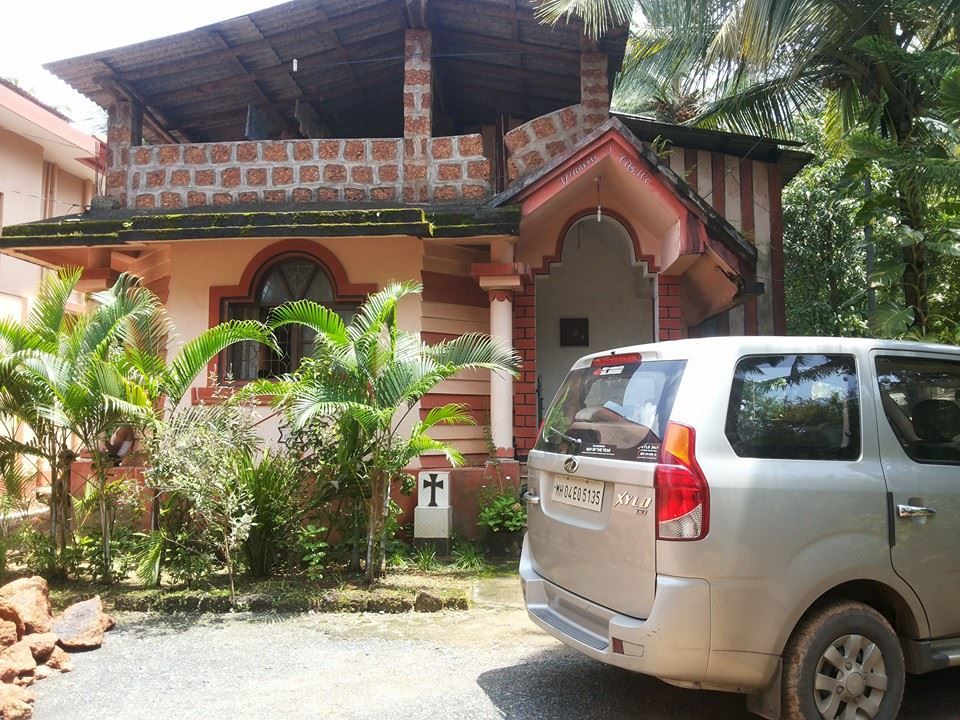
Aunt’s house at Chinchinim
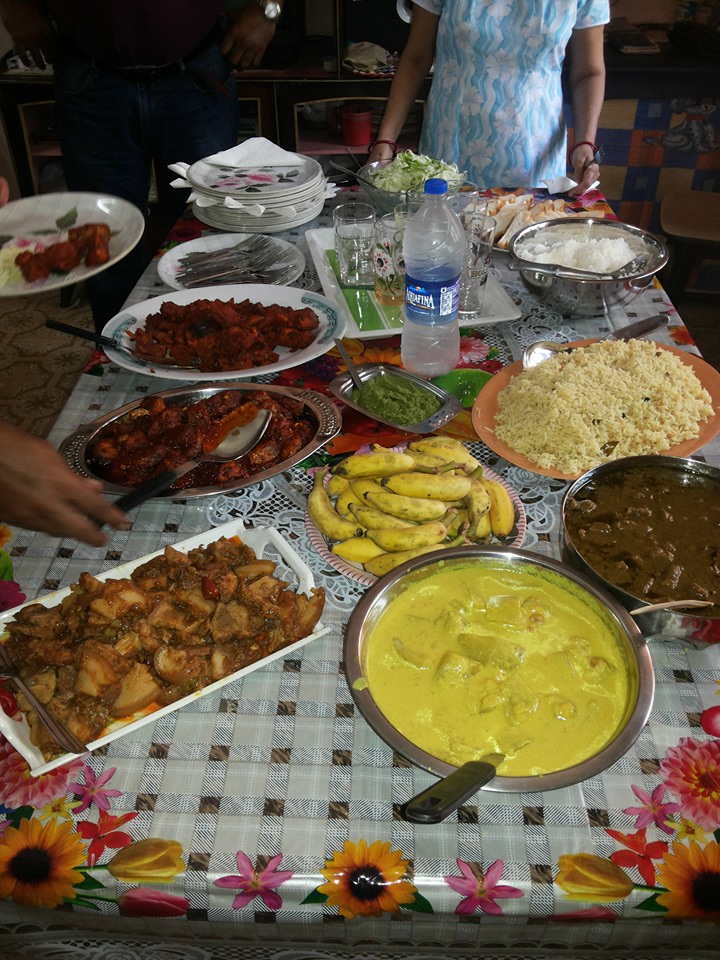
Sumptuous spread, Aunts, Chinchinim
We visited our Aunts in South Goa, Chinchinim, had a sumptuous lunch there. Thereafter, the plan was to visit Benaulim beach but were way too exhausted and headed straight home.
Day 4, Sunday 20 September
Attended the 10:15 a.m. English Mass at our Parish Church, St Diogo’s, Guirim
St.Diogo’s, Guirim
St. Diogo’s Church interior
St. Diogo’s church main Alter
We returned home had a change of clothes and headed to Fat Fish which is located at Agar Wadoo, Calangute – Arpora Road, close to Baga Beach.
Fat Fish Restaurant
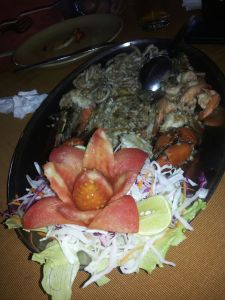
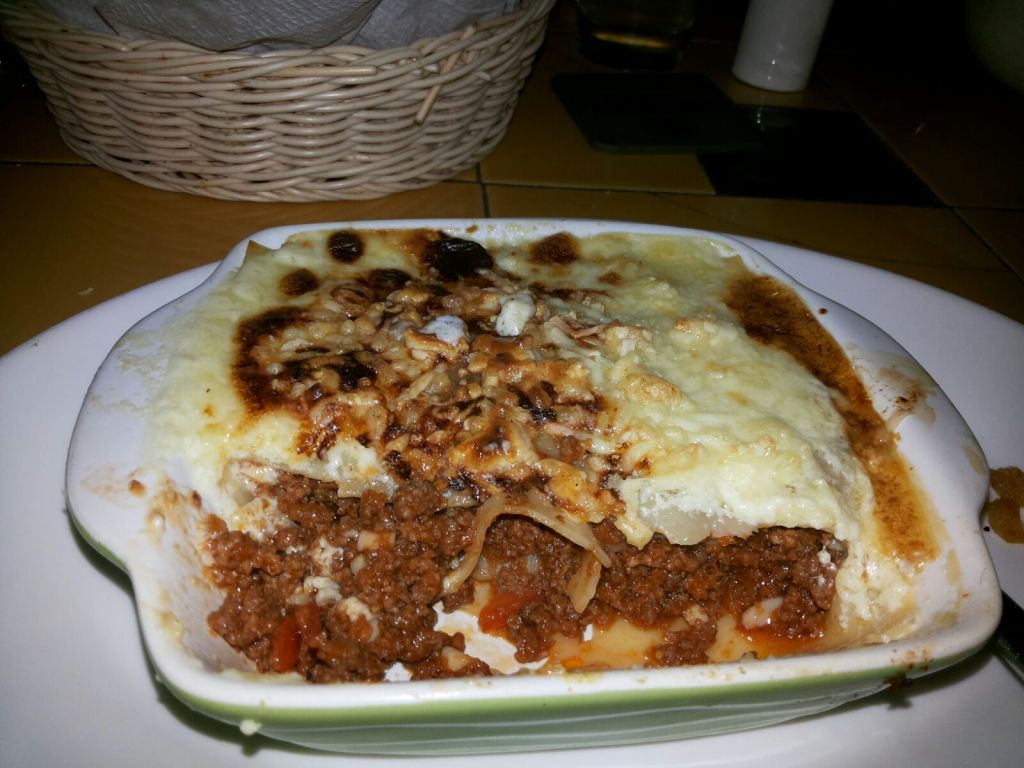
Loved the place and the food. We had Shrimp cocktail (the shrimps looked limp though), King fish fry (they didn’t have the mussels in wine) mussels rawa fry, pomfret curry, pomfret fry and rice, rotis and naans and Lasagne. Everthing was delicious.
Worth a visit. Point to be noted – when we enquired the price of the (above) pomfret prior to ordering it was Rs.800 each but after the order was placed we were informed that the price would be Rs.1000 each. Now do we have a choice when we have decided to have pomfret!! Crabs were just for the picture, we didn’t have any.
Day 5, 21 September
Visited Dona Paula, but as the road leading to the beach was closed and it would have been a very long walk, we skipped Dona Paula and headed to Miramar Beach. Were highly impressed with the clean and beautiful beach, and didn’t find many people there neither were the shops and restaurants open.
Miramar Beach
My son had recommended Tahlassa Restaurant and their mussels in ouzo sauce; and we were looking forward to it but sadly it was closed for the Ganesh holiday, another disappointment! We were then recommended Alcove Restaurant by a passerby.
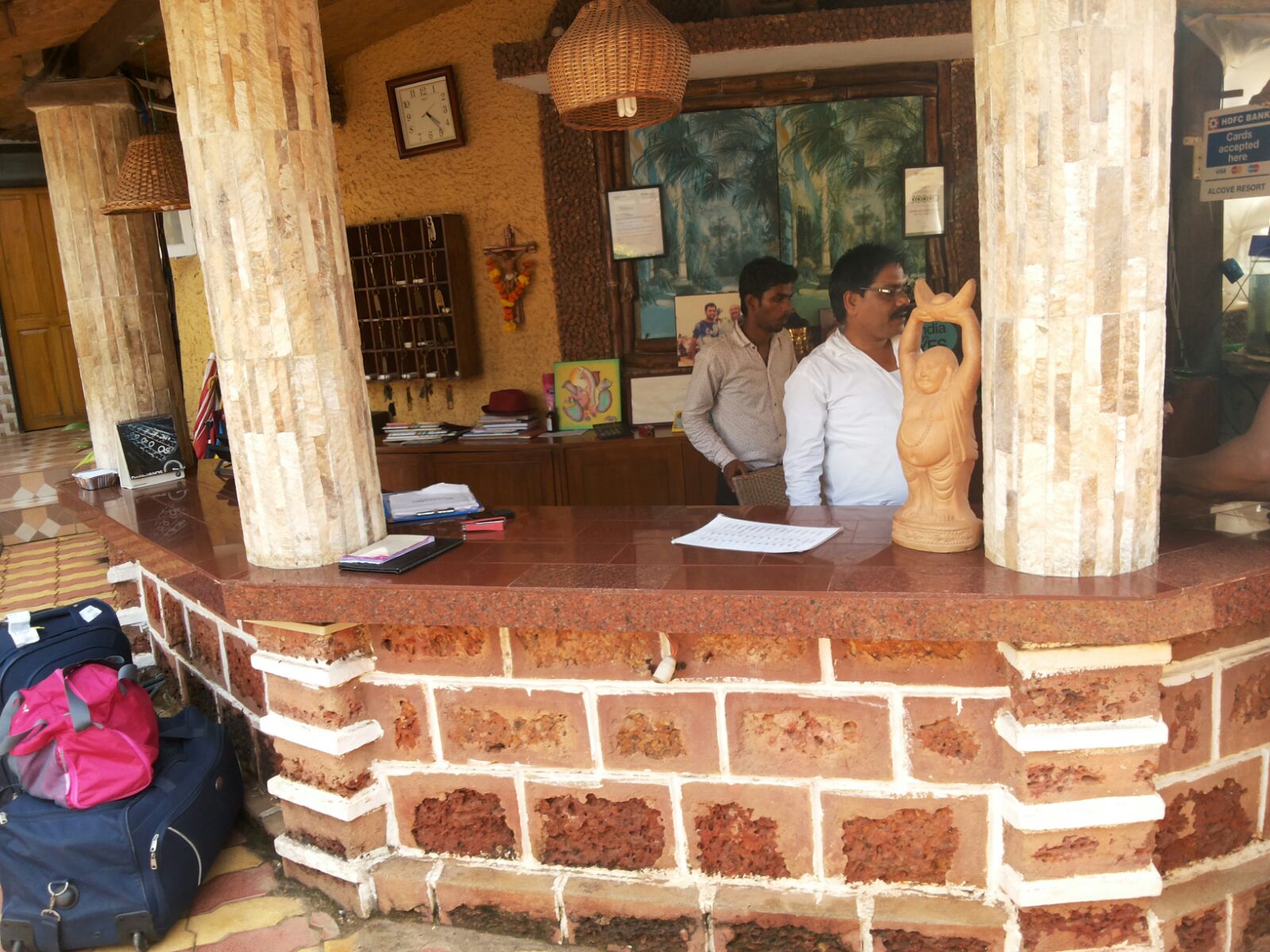
Alcove resort reception
Alcove Resort & Swimming Pool
Turned out to be a splendid suggestion as the ambience and venue was simply amazing and the place spotlessly clean with courteous and helpful staff. Our table faced the ocean overlooking Vagator Beach
Vagator Beach
Vagator Beach
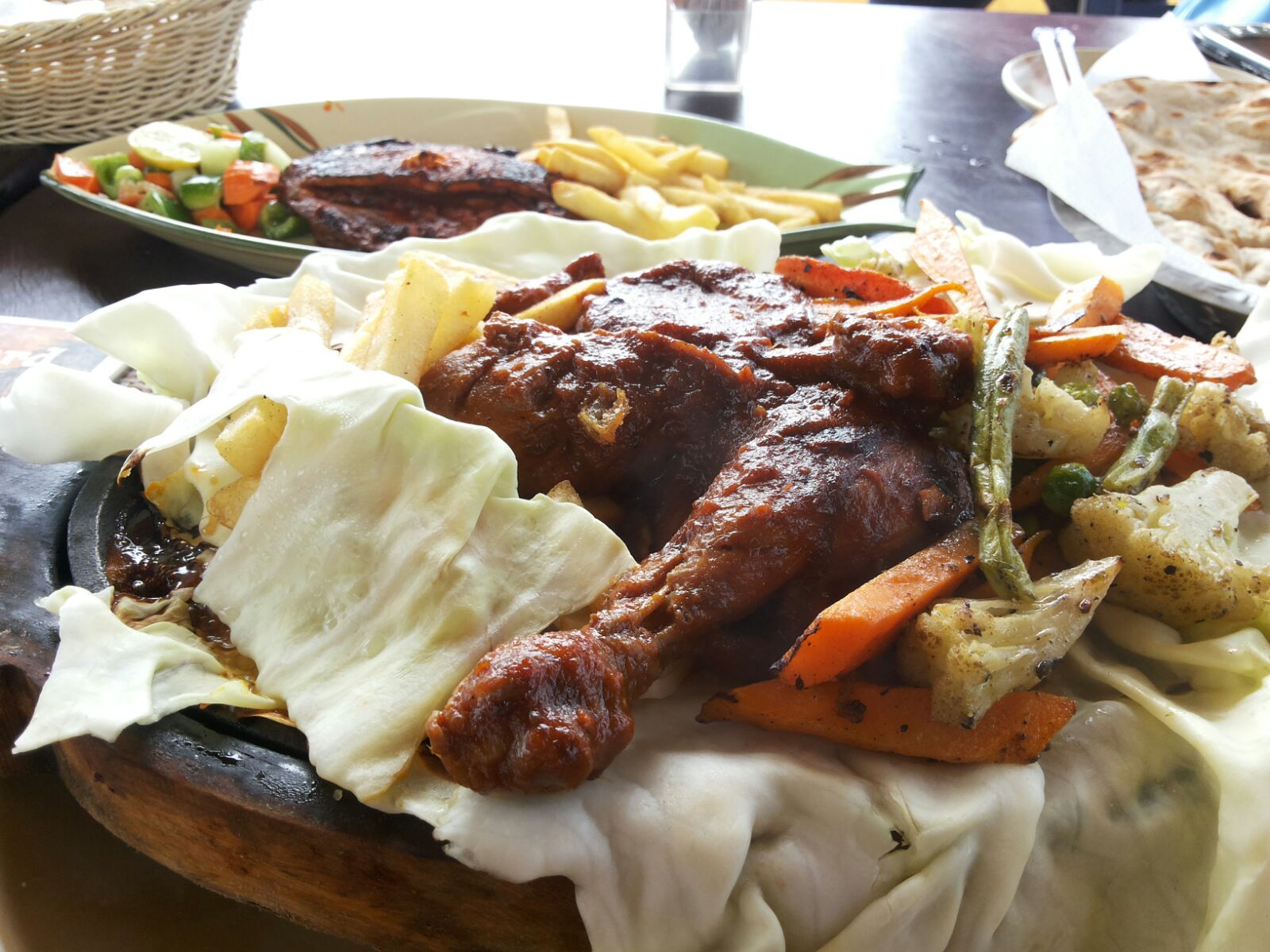
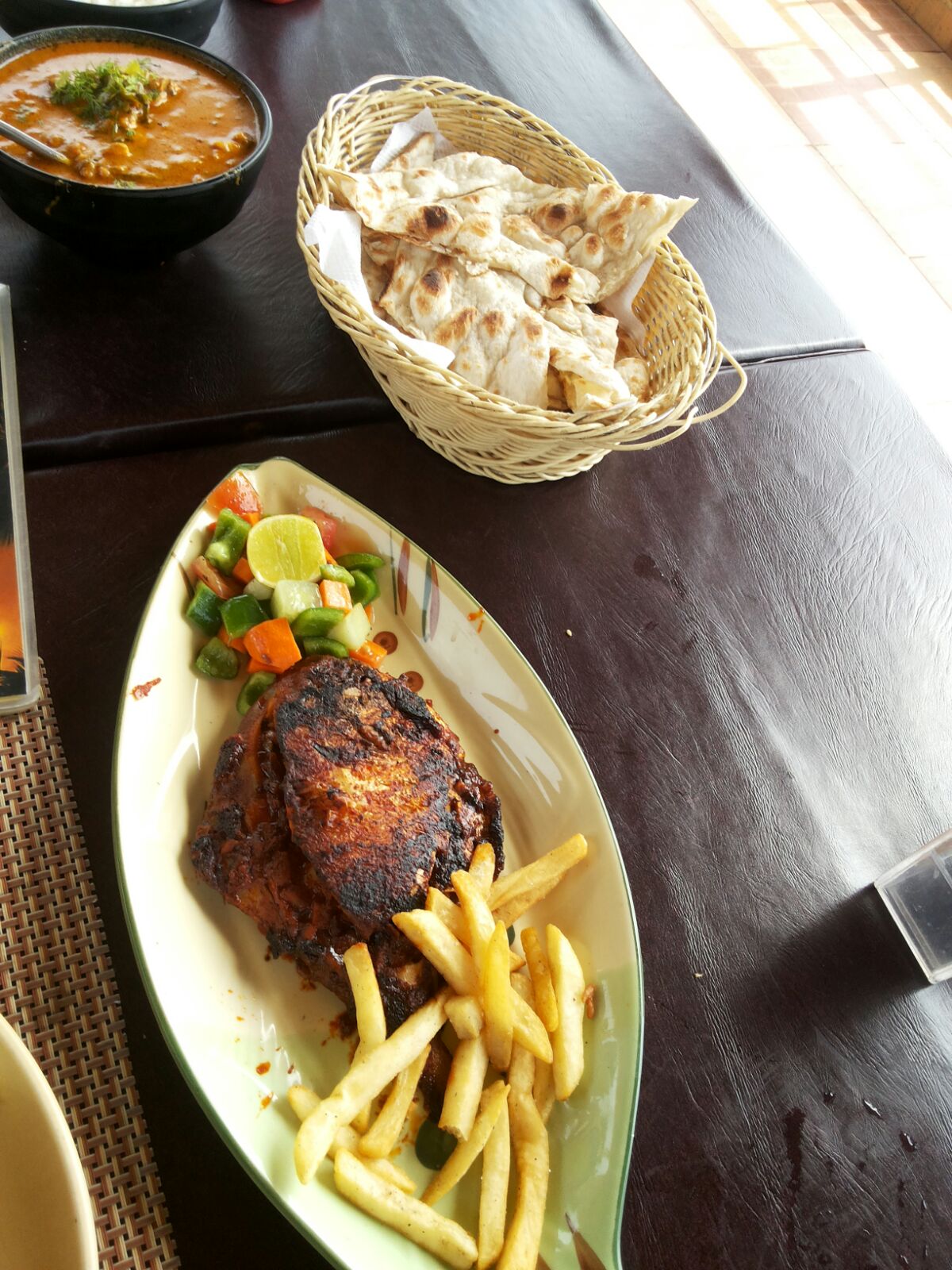
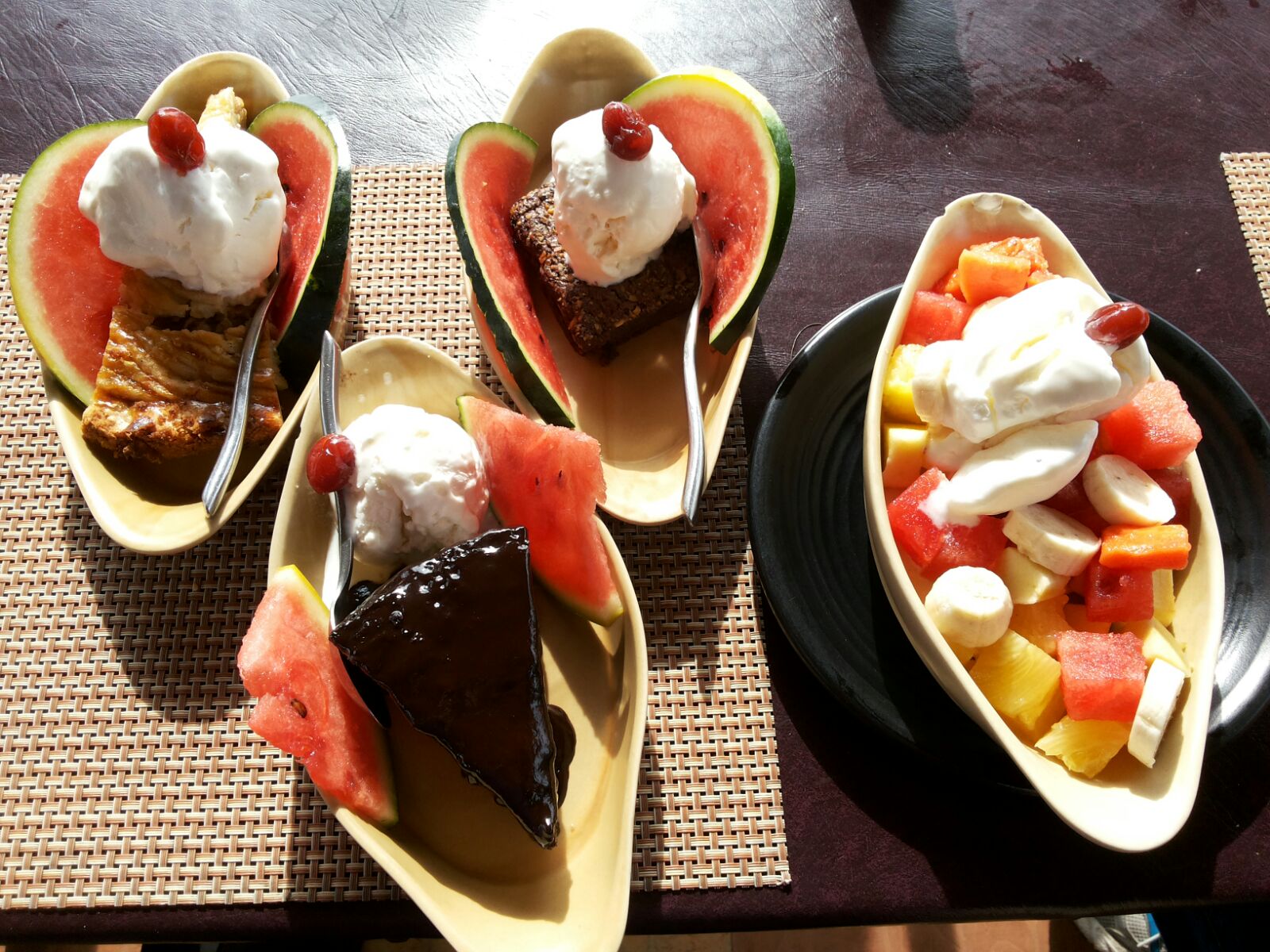
and enjoying a meal in this setting was a dream come true…couldn’t have asked for anything better. With the cool, fresh sea-breeze blowing on us, we had grilled seafood platter, seafood sizzler, pomfret rechado, fish curry rice, vegetable caldin, green salad, rotis and naans and chicken sizzler and drinks, coconut water, fresh lime soda, fresh lime water. and for desserts, chocolate cheesecake, brownie with ice-cream, apple-pie, fruit salad with ice-cream. If we had the capacity we would have ordered some more food just to spend more time there and enjoy the cool sea breeze.
Thoroughly enjoyed the meal and the surroundings and found the pricing reasonable compared to Fat Fish and Brittos. Alcove restaurant is part of Alcove Resort and appears to be an excellent venue for family destination celebrations. Will certainly keep in mind for future events, if any.
Day 6, 22 September
As it was the penultimate day of my family’s departure, we headed to Mapuca market for a bit of shopping and then went for Lunch to Ruchira Restaurant, located at Satyaheera hotel, Mapuca market. Have visited this place on earlier occasions and liked it.
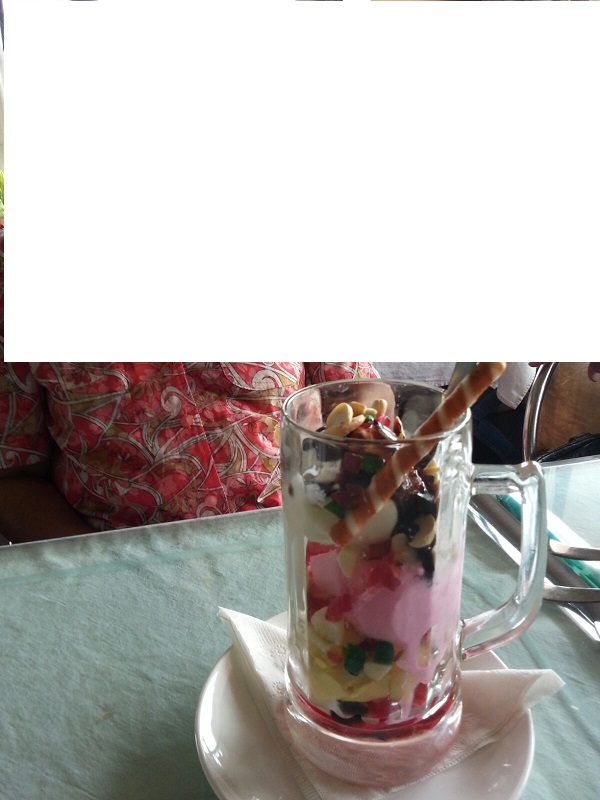
But what was surprising was the price of the pomfret. Fat Fish: Rs.1,000 each, Alcove: Rs.600 each, Ruchira: Just Rs.410 each…size of the fish being the same. Well this is the advantage of eating at city restaurants rather than beach venues where the food and drink has a premium. We ordered as usual fish curry rice which was pomfret fish curry/fried, fried shrimps, vegetables, rotis and naans and for dessert it was ‘Gadbad’ which is famous in Mangalore and is a delicious hotch-potch of three ice-cream flavours stacked together and fruit, nuts, etc thrown in. You can really make a meal out of this dessert.
Day 7, 23 September
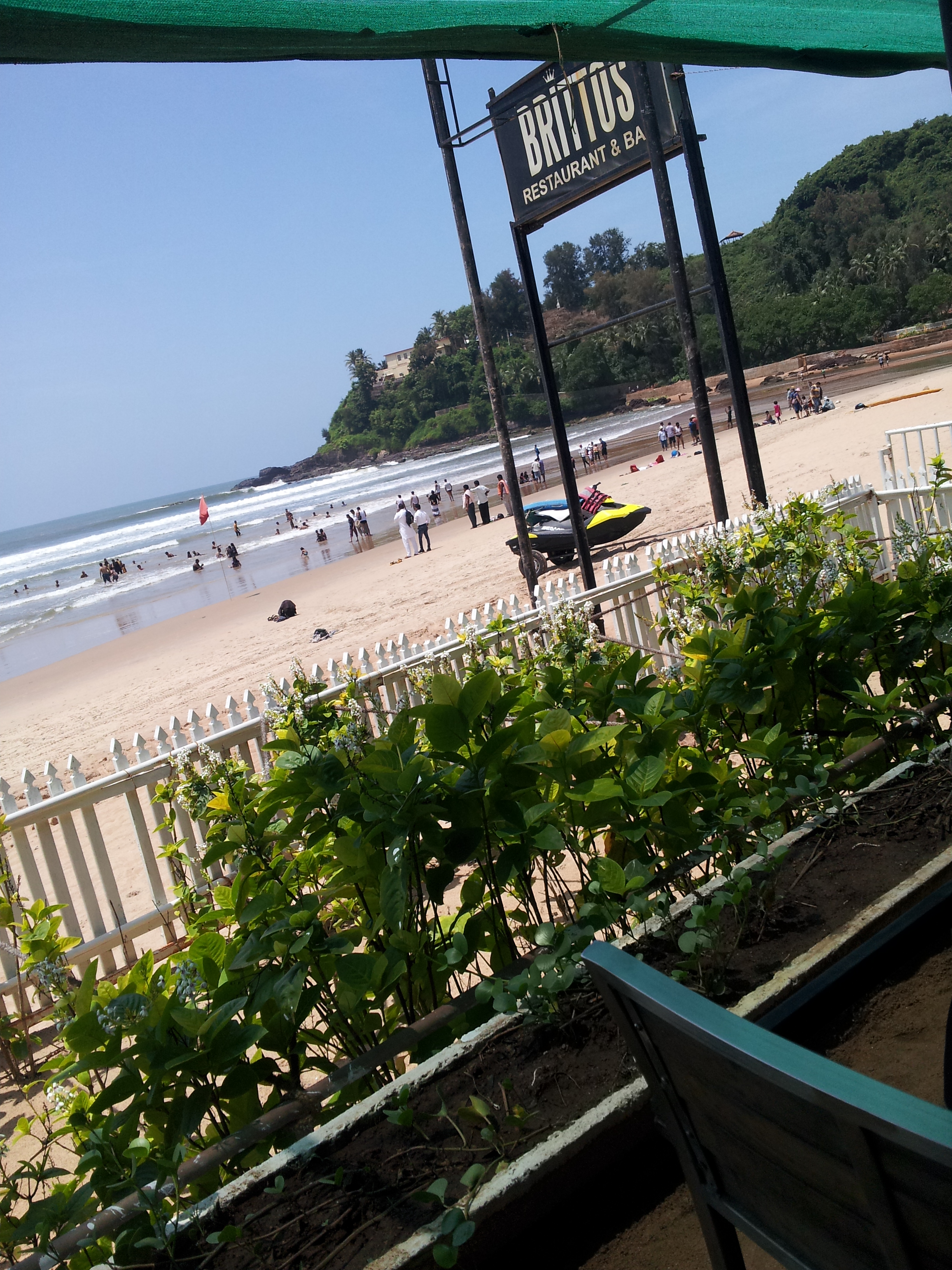
My family left early this morning to Mumbai. My husband and I went to Mapuca for some purchases for Kuwait and then headed to Baga for Lunch at Britto’s.
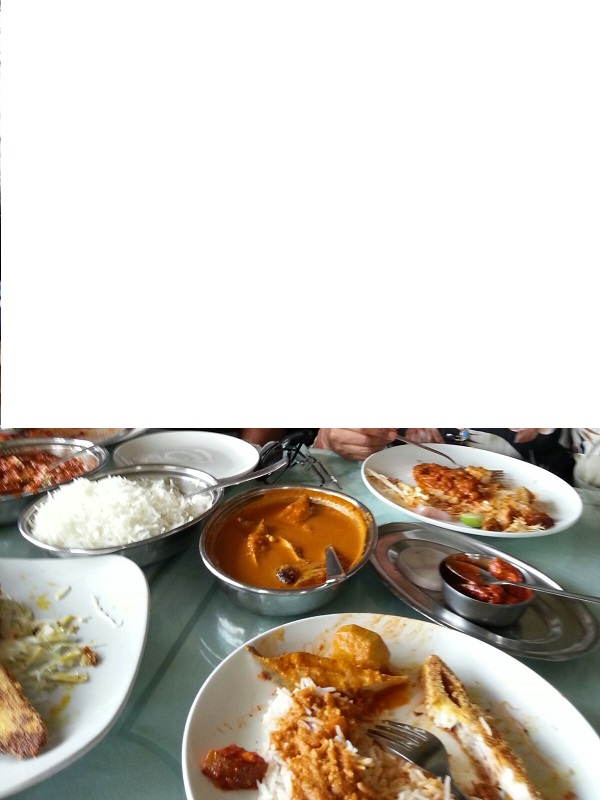
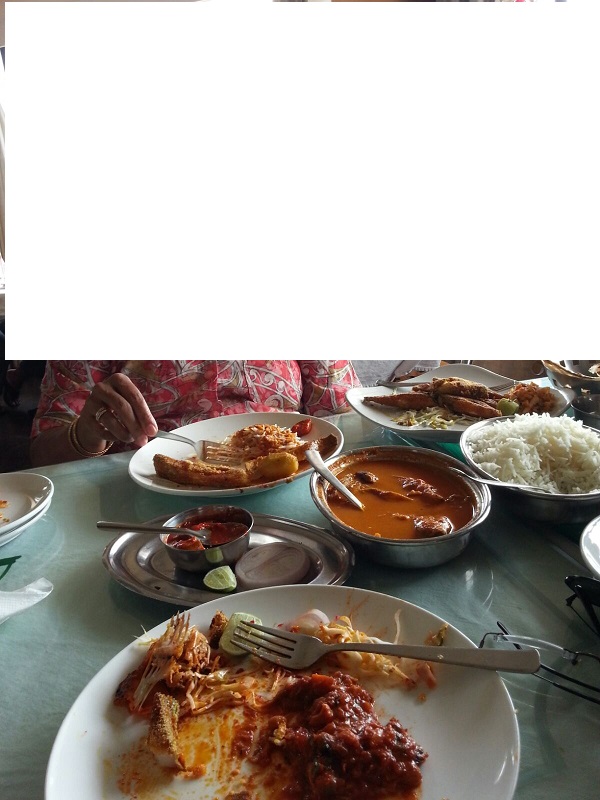
We have felt cheated at Britto’s in the past but decided to give it another try and were again disappointed. The seafood platter, supposed to contain crabs, mussels, shrimps, squids and fish appeared with only squid, fish and tiny shrimp in sauce and the server didn’t think it was important to inform us that the other items on the platter are not available! The fish curry/fry with rice, we were told would be king fish and were served some fish we could hardly recognize, a complete disappointment. In the past we have been cheated on the pomfret price so do be careful and check prices thoroughly before placing your order.
Day 8, 24 September
Made a couple of visits to neighbours and friends near by and some shopping at Mapuca.
Day 9, 25 Septermber
MAPUCA Friday Market
Being a Friday, had to visit Mapuca Friday market.
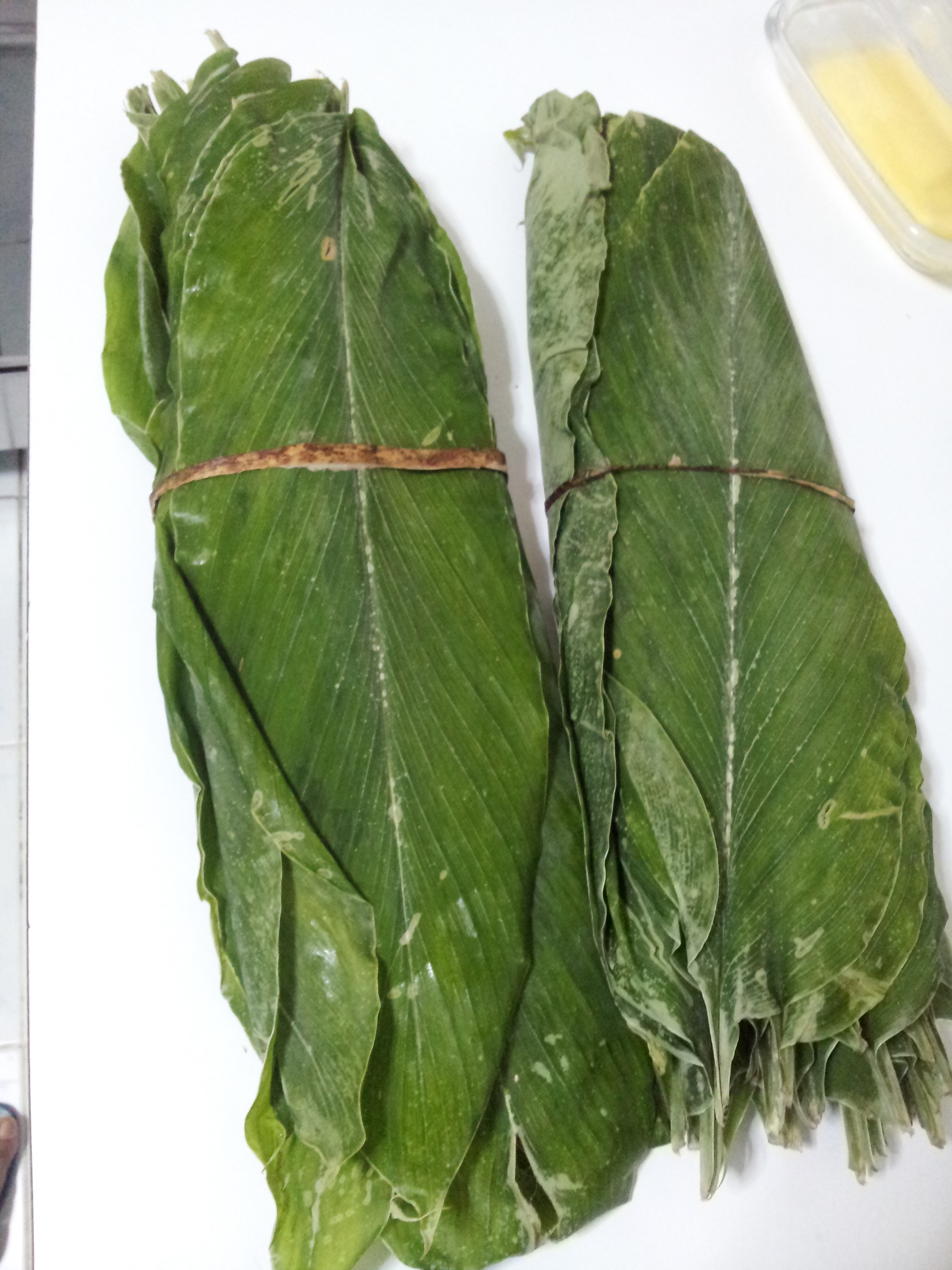
Was looking to buy Haldi (turmeric) leaves, Alun leaves, Alasande (osanay) and Ambade on this trip.
Our programme to visit other restaurants and sight-seeing places on our itinerary remained incomplete due to the festive holiday, namely, The Spice Plantations, Dudhsagar water falls, Cruise on the ‘Santa Monica Riverboat’, etc. Also the Anjuna Flea market and Arpora saturday night market are open only during season which is between November and April. Hope to take in all of these in the future including visit to the casino, discos, etc.
A completely enjoyable, relaxing and satisfying holiday with my husband, siblings and brother-in-law. We certainly look to a repeat of this experience with many more family and friends in the future.
Celebrated my birthday this 5th of September, 2015, at Asha’s with Lunch. The plan was to go to Asha’s Avenues but as that was under renovation we decided to go to Asha’s Marina Crescent. The place was welcoming and had a pleasant ambience. Service was good and we did not have to wait too long for the food to be served. The food was good and not too spicy (except for the Biryani) as we ordered ‘medium spicy’. But was disappointed with the ‘Chingri Chaap’, didn’t taste like prawns at all. The Samosas were delicious. The desserts were not all that great and the Kulfi left a peculiar powdery taste on the tongue.
Sugar (Sucrose) is a carbohydrate that occurs naturally in every fruit and vegetable and in greatest quantities in sugarcane and sugar beets which is then separated for our regular consumption. For most of us sugar reminds us of sweet and happy moments in our lives be it birthdays, celebrations and holidays and the all too addictive morning cuppa! which most people with a health issue would now be having ‘UNSWEETENED’ and refraining from eating cakes and sweets.
But, thanks to the various sugar substitutes, it has been easier and healthier to bake your cake and eat it too! But the question remains – Are ingredient substitutes the answer to solving your health and weight problems Continue reading →
The Middle East namely Kuwait has been my residence for the past 33 years and it is only natural that we are greatly influenced by middle eastern cooking, favorites being Kababs, Shawarmas, Falafel, Hummus, Tabbouleh, Moutabel Baba Ghannouj, Machboos Leham, and the daily favorite Khubz which we now cannot Continue reading →
My cooking has mainly been inspired by these books which were gifted to me earlier in life by my Sisters, Mabel Dias (Prashad), Zenia Machado (Khana Khazana), Sheryl Newnes (Heart healthy & Low fat cooking). My close friend Viola Netto gifted me The East Indian cookery book soon after my marriage and it served as a perfect guide to my meal preparation as a new home-maker. My note-books contain precious recipes shared by my Aunt Prescilla Fernandes and my neighboour Irene Vaz. Am not sure if they would remember sharing Continue reading →
Breakfast is the most important meal of the day and with some time-management it’s not difficult to cook-up a deliciously satisfying and healthy breakfast. On several occasions I have been asked, what are the various foods you prepare for breakfast. I have also heard many times ‘I don’t know what to make for breakfast’ or ‘what can you make for breakfast?’ This post is for all you lovely people and there should be no excuse for ‘I don’t know what to make for breakfast’! Stay tuned…
I spend almost an hour and a half to two hours in the kitchen each morning before I leave for work (that’s because I am an early riser!). But you’ll don’t need to do that. With a little bit of planning, most of the recipes Continue reading →
Cooking is my passion. Had I realised this in my earlier years I would have quite certainly opted for a career related to food …. and most likely… FOOD TECHNOLOGY. The art and science of food and it’s preparation truly excites and fascinates me, but lacking the required expertise, I fulfil my passion by just trying out various recipes!
Ever since I was a child I used to collect all kinds of recipes. The moment I picked a magazine I would first flip through to the recipe section. Being a voracious reader, in addition to various fiction, non-fiction, romance, mystery….I grew up reading Eve’s Weekly, Illustrated Weekly, Readers Digest, Femina, etc. and I used to keep a scrap-book with cuttings of recipes from all magazines. I have also noted down recipes shared by my friends and relatives. This hobby opened new avenues for me to pursue Continue reading →
A great deal of thought has gone into starting this blog…and then some hesitation, should I, should I not…would I find the time, etc. But on 19th of June this year, which happens to be my mother’s birthday, something in my head & my heart nudged me to take the plunge and when I bounced the idea off my children they unanimously encouraged me to just “go for it”.
Click on the picture for contact details to obtain a copy of the book
As I start this blog I can’t help but get choked-up as it brings a flood of memories of my late mother – Juliana Saldanha – things we did, things we didn’t, things we could have done better………. the memories are endless. I am sure the same goes for my siblings and I am ever so grateful for being inspired by none other than my mother herself to write “Mais Recipes” to commemorate her life which keeps us close to her.
We never imagined “Mais Recipes” would become so popular. As explained in the ‘Preface’ the book was just meant to be used within the family, but a series of events lead to a reprint of the ‘souvenir’ and we have now initiated the Third Edition which is in printing stage.
Our desire is to stay connected with all those using the book to have an exchange of queries, comments and suggestions on the recipes and to allow for open discussions. The recipes
Recent Comments