Authentic tried and tested simple recipes in mainly Indian cooking, including traditional mangalorean, Goan, East Indian, North Indian recipes and much more…
Powder the almonds and mix with icing sugar. Knead to a soft dough using rose water a little at a time. Divide into equal number of portions for colors you desire. Add a drop or two of the required colors for each portion and knead lightly till the color evens out. Shape into eggs with a mould or with your hands and decorate with flowers etc. using Royal Icing or fondant.
To make Royal Icing
Take egg white in a small bowl and keep adding icing sugar till the mixture becomes thick. If runny add some more icing sugar, if too stiff add a little bit of water or milk till you get the right consistency for piping so that the piped designs hold and stand up in peaks. I must admit, I am not very good in free hand icing designs, but I am sure you all can do better at the designing 😉
In this blog I would like to share my knowledge and the art of ‘How to make Chocolate Easter Eggs’ to demonstrate step-by-step how easy it is to make your own!
Ingredients and accessories
Chocolate Dark, Milk and White, as required
Chocolate molds
Rubber spatulas
Glass or ceramic bowls
Step 1 Melting plain Chocolate
Microwave method (I use this method)
Break or chop the chocolate and place in a clean dry microwave-safe bowl. A glass bowl is best because it conducts the heat from the chocolate as it melts, and reduces the risk of over-heating. For small quantities it is safest to use a LOW or MEDIUM setting. For larger quantities and once you become experienced, use HIGH . The table below should only be used as a guide because melting times vary according to the brand and type of chocolate, the initial temperature of the chocolate and the size and material of the bowl used. Check the chocolate frequently and prod it with a spoon– it may look solid when in fact it has melted. White chocolate will burn more easily so watch it carefully. A few lumps that appear after microwaving will dissolve upon stirring and help bring the temperature down of the chocolate which is a key to tempering chocolate. The super-market bars of cooking chocolate, also referred to as Baker’s chocolate, do not really require tempering but heating and cooling the chocolate (tempering) is important to avoid the patchy and mottled look, which doesn’t alter taste but wouldn’t give you the glossy professional finish.
Approximate melting times in a 650-watt microwave oven
QUANTITY LOWHIGH
50 g (2 oz) 5 mins 2 mins
75 g (3 oz) 5 mins 2 mins
125 g (4 oz) 5 mins 2 mins
172 g (6 oz) 6 mins 2 mins
225 g (8 oz) 6 mins 2 1/2 mins
Bain Marie (double boiler) method
Cut the chocolate into small pieces and put it in the top of a double saucepan. The bottom pan should be three-quarters full of gently simmering water. If you haven’t got a double saucepan, put the chocolate in a clean, dry heatproof, preferably glass bowl and set it over a saucepan that’s about one third full of gently simmering water. The bowl should fit snugly over the saucepan so that no steam can escape round the sides. The base of the bowl or top pan should not touch the water below. Heat the water gently but do not allow it to boil. Leave the bowl on the pan until the chocolate looks melted. Remove the bowl or pan from he heat and gently stir the chocolate until it is completely melted. The temperature of the chocolate should not go above 50 deg C (122 deg F). If water or steam come into contact with the chocolate, the texture will be spoilt and the chocolate will ‘sieze’, that is it will turn into a solid mass and will not melt.
Step 2 Filling the chocolate molds
Using cotton wool or soft muslin cloth polish the insides of the Easter candy molds. Place on a tray or counter lined with baking parchment.
Spoon the chocolate into the molds (do not over fill) and tap the mold lightly to smoothen the surface and remove air-bubbles, if any.
Step 3 Setting the chocolate
Place the molds in the freezer for a few minutes until set and the underside of the mold appears opaque. If it has wet patches on the underside, then it is not fully set. Keep a while longer.
Step 4 Unmolding the chocolate
Remove molds from the freezer and unmold by turning the mold upside-down onto a flat surface. Tap the mold lightly to release the chocolate. Leave to dry.
Step 5 Presentation
Finish by wrapping in colored chocolate paper and decorative boxes and ribbons.
Be creative and make chocolate eggs with fruit and nuts, rice krispies, praline, marzipan, truffles….
To simply order all these and more from Mumbai, check out my sister’s website at Julianz.in
To make Hollow Egg:
Fill the mold with melted chocolate and place in the freezer for a few minutes till the sides are set but the centre is still soft. Remove and pour out the soft chocolate from the centre. Smoothen the interior of the egg with your fingers and place it back in the freezer until completely set. Unmould and when dry join two halves together by applying some melted chocolate around the edges to form a full hollow egg. Prior to sealing the two halves, place some candy or small toy inside for a beautiful surprise for the kids. Wrap and tie bows with colorful ribbons.
Powder the almonds and mix with icing sugar. Knead to a soft dough using rose water a little at a time. Make small egg shaped portions depending on the size of the chocolate mold. The marzipan egg must be smaller than the chocolate mold.
Pour a little melted chocolate in the mold. Place the marzipan egg in the centre and press lightly. Pour more chocolate over the marzipan to cover and fill the mold. Put in the freezer to set. Unmold when the underside of the mold turns opaque. Leave to dry, then wrap each half in choclate wrapping paper. Place two halves together and wrap again in decorative paper for a full 3D egg!
Chocolate with marzipan eggs
SONY DSC
Ref: Good Housekeeping
Read my Blog on Easter Eggs for further information on making different types of chocolate and marzipan easter eggs and packaging.
As stated is my post for Easter menu, where I have posted Menu I & II options, it is essential that any celebratory meal preparation would require some amount of planning ahead so that the day of the event becomes less stressful. In my Easter Menu post I have given two menu options, one is North Indian fare and the second option is traditional food from Mais Recipes.
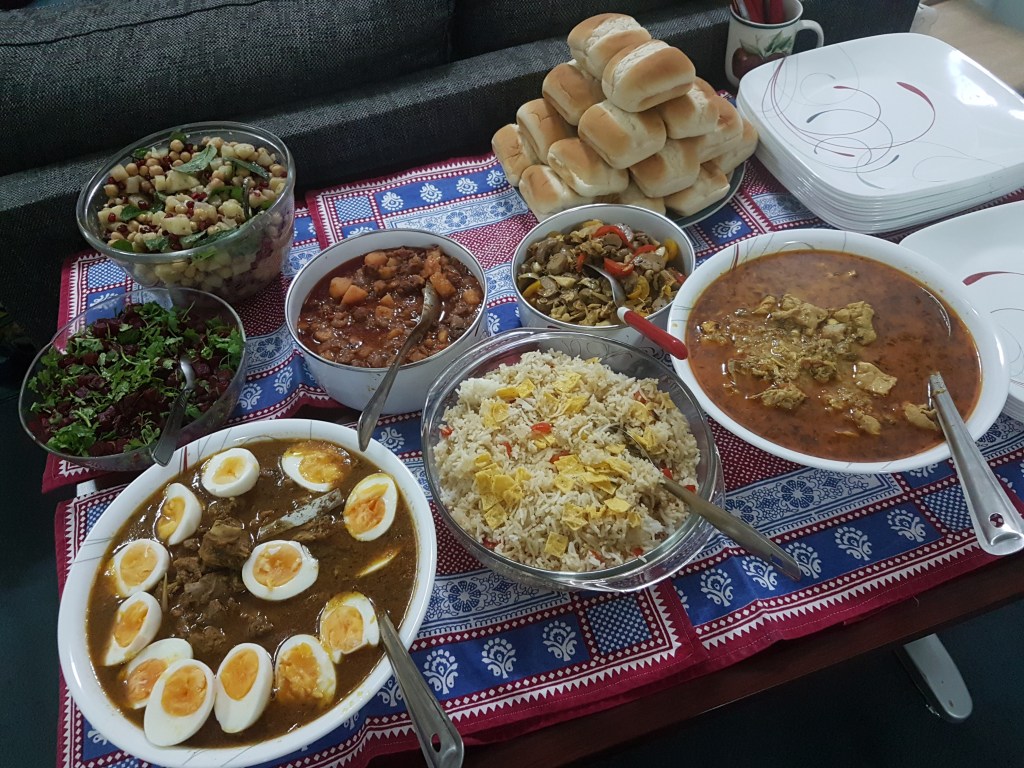
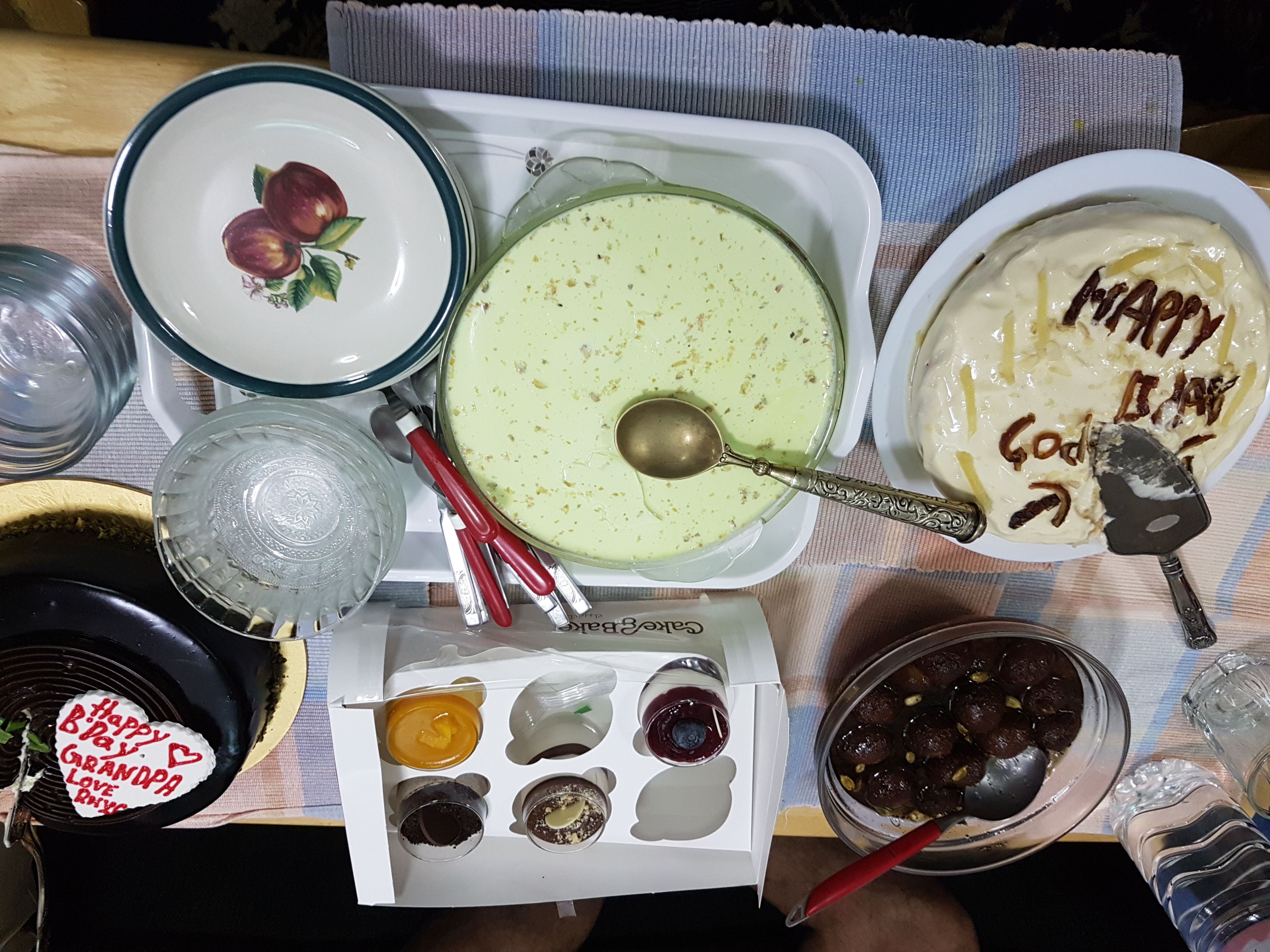
On my husband Rudy Pinto’s brithday on 6th November 2018, I had prepared the following menu which consisted of all traditional mangalorean food which he thoroughly relished and which without a doubt are his favorite dishes.
Any recipe that requires some form of marination can be made a day ahead. Potato chops can be made ahead except for the final frying. Make sure you place butter paper/baking parchment in between the layers to prevent them sticking to each other. Alternatively, spread them out on a tray and place in the freezer to freeze individually, then place in polythelene bags or boxes.
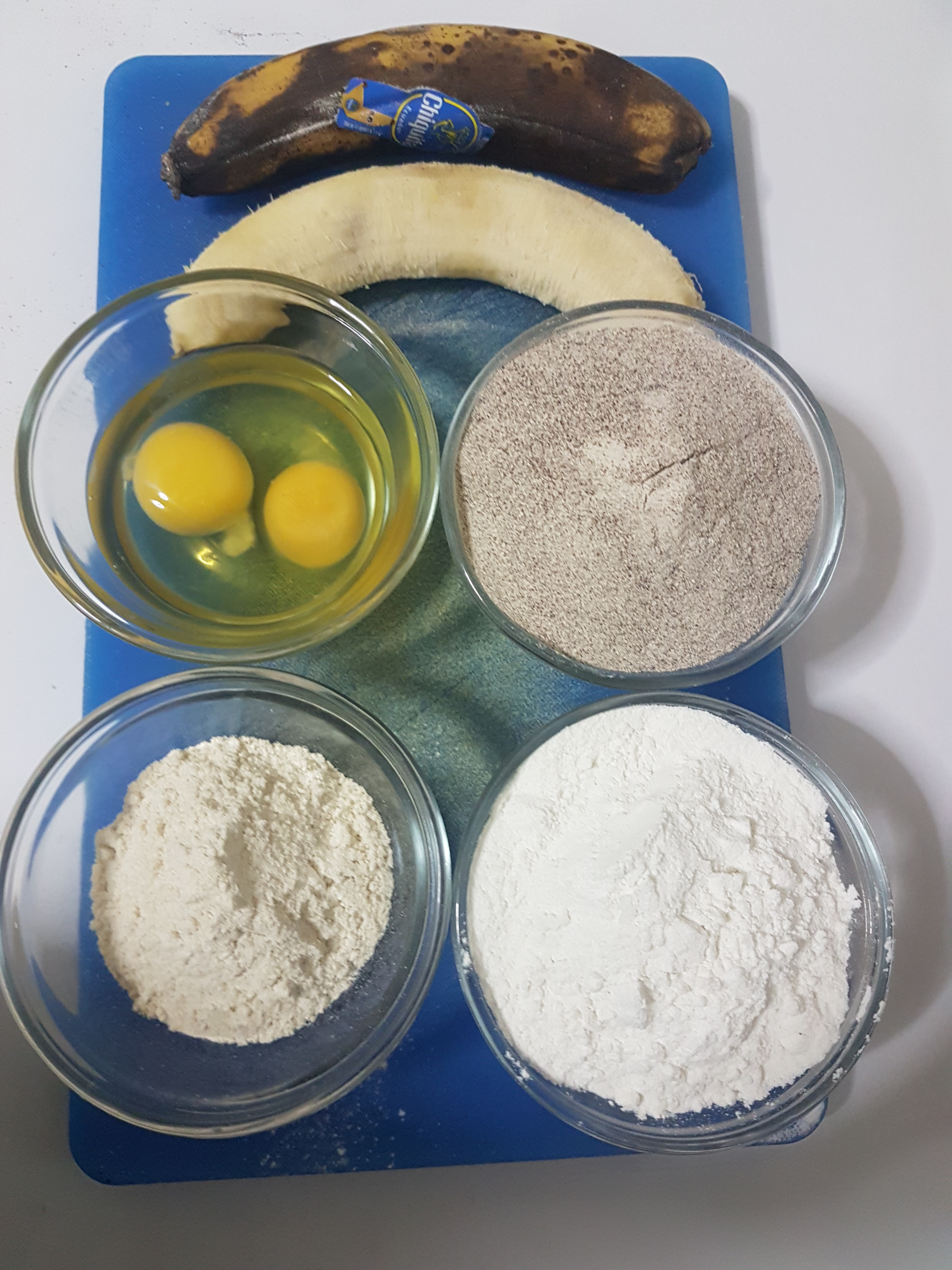
The Ragi supergrain is making a come back. Also called finger millet or nachni it was one of the staples prior to the 50’s. The amazing benefits of Ragi is it is a good source of calcium, is super abundant in polyphenols and dietry fibres, has a low glycemic index, good for diabetics and an excellent source of natural iron.
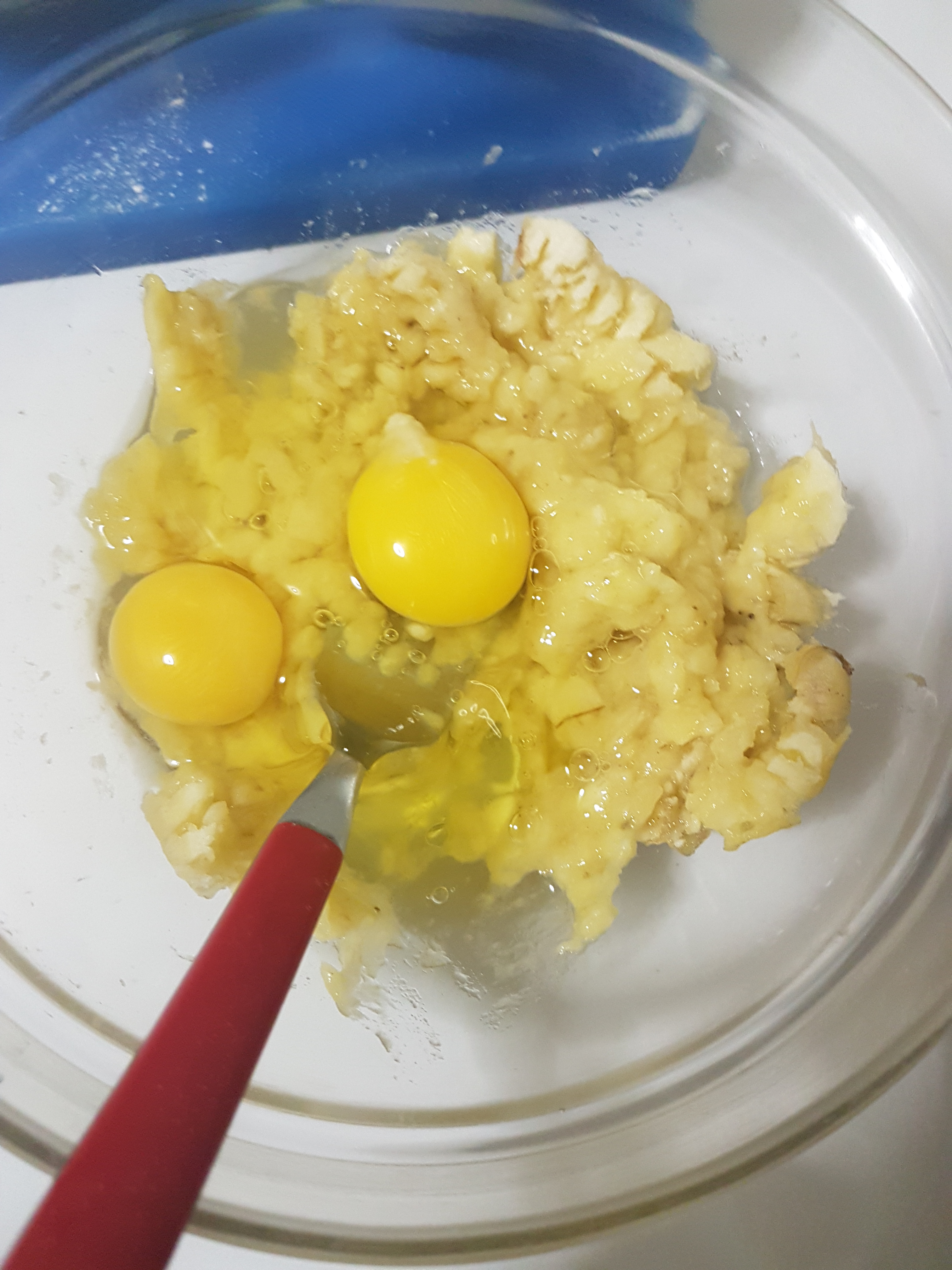
Sieve the flours together alongwith the soda bicarb and salt. Place the mashed bananas, eggs and butter milk in a bowl and whisk together. Gradually add the flours with the soda bicarb and salt and stir well to mix to a smooth batter. Add more butter milk if required, but keep the batter to thick pouring consistency.
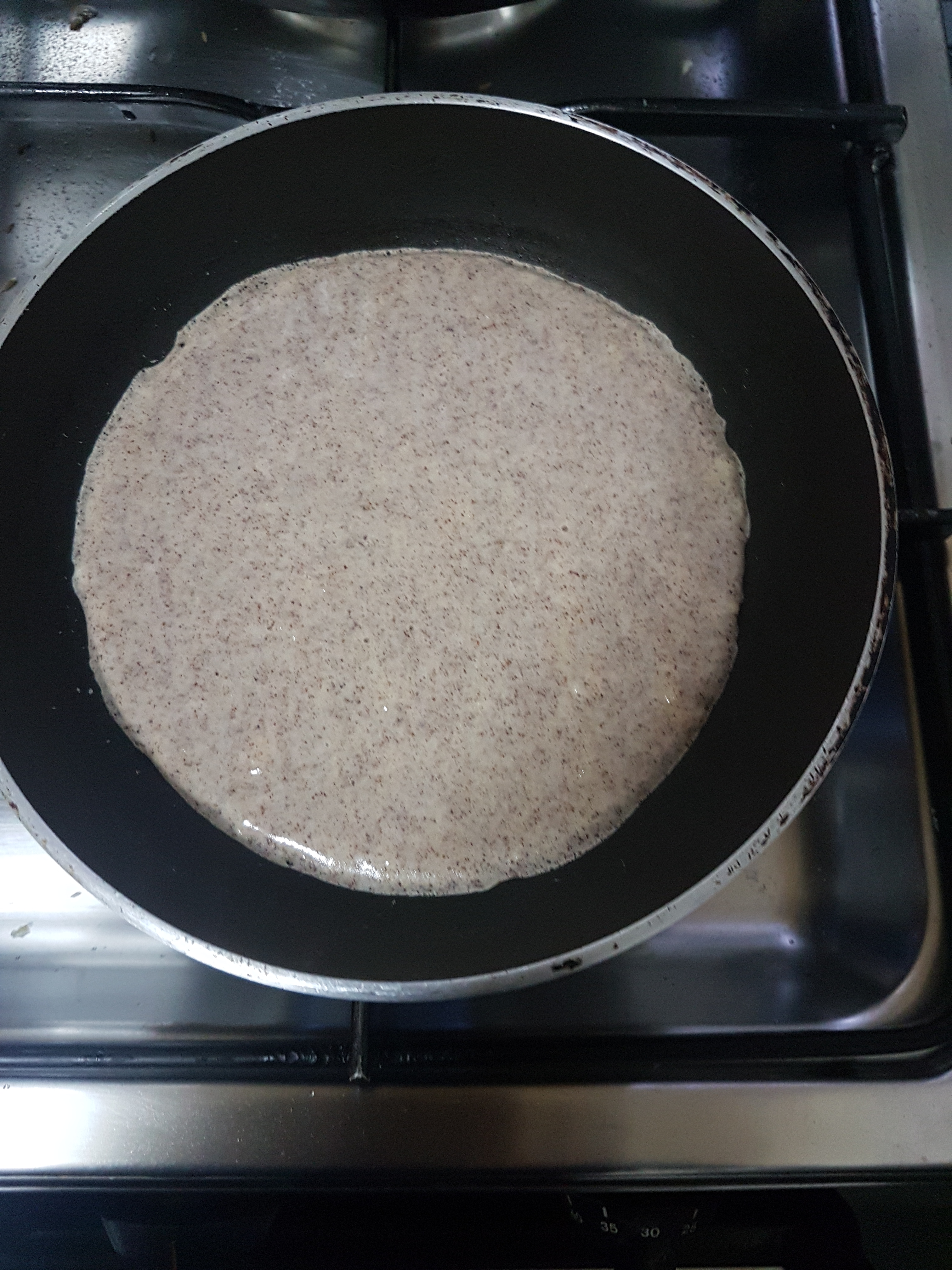
Heat an 8″ inch pan till very hot, grease with 1/4 tsp ghee and pour 1 cup batter and swirl the pan so it spreads evenly. Lower the flame to medium. Cover and cook till bubbles appear on the surface and the sides turn lightly brown. Take 1/4 tsp ghee and smear on the sides and middle of the pancake. Turn and cook till the underside turns brown.
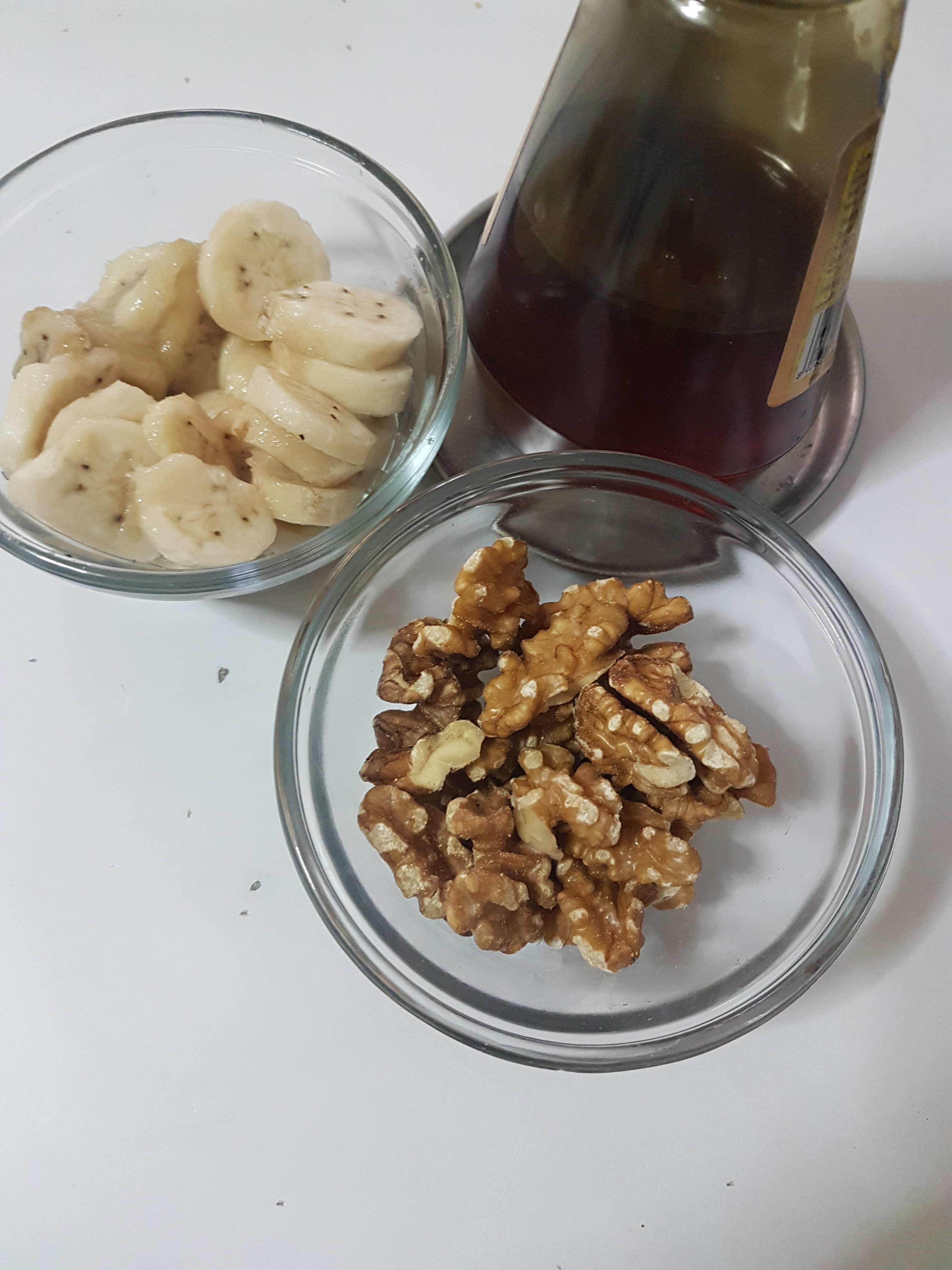
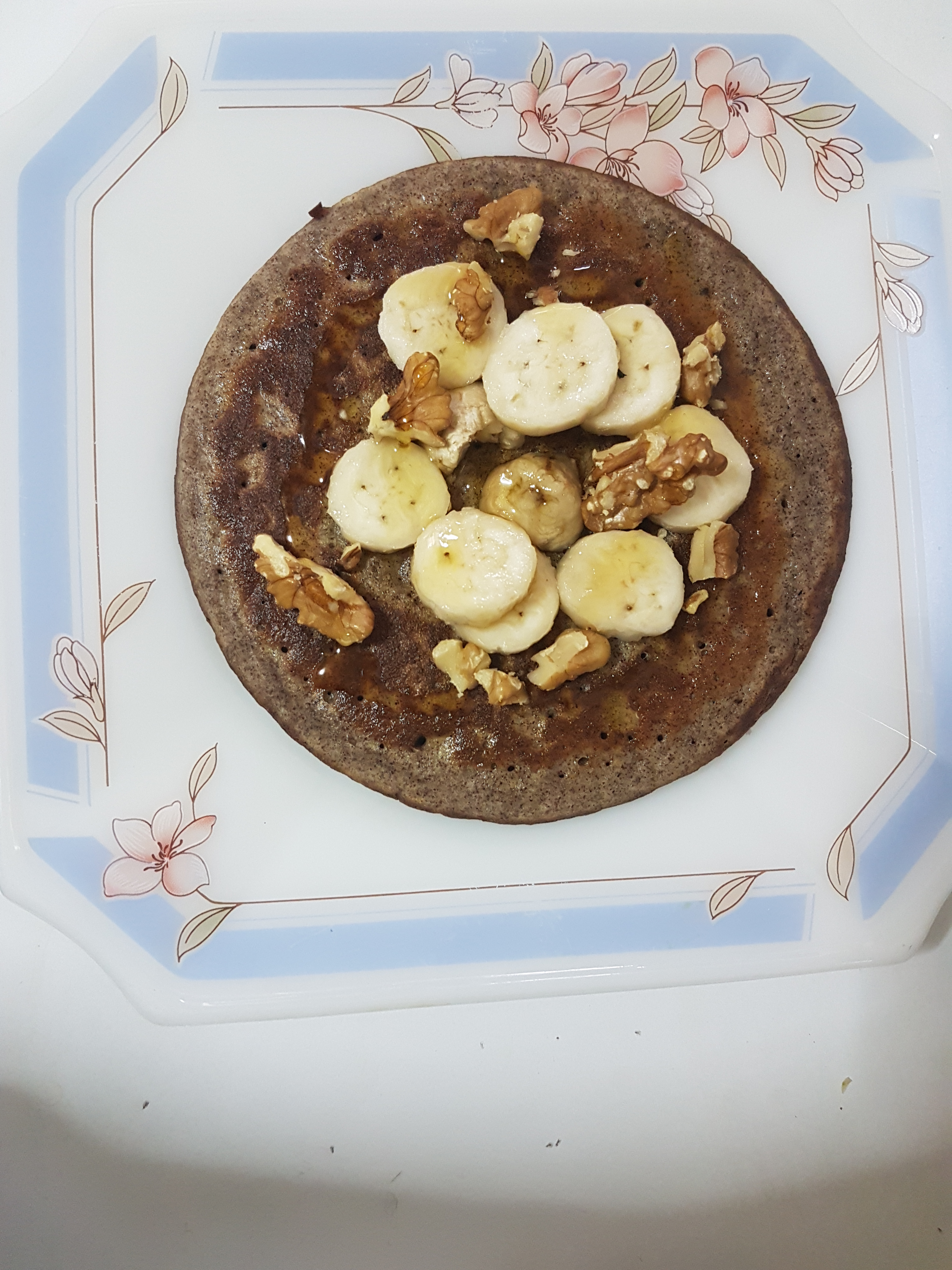
Remove to a plate. Serve hot topped with sliced bananas, walnuts and honey, maple syrup or simply spread with jam and enjoy for breakfast or a tea-time snack.
Powdered cinnamon or grated nutmeg may be sprinkled over the cooked pancake for added flavor.
We would like to bring to the attention of all “Mais Recipes” patrons, specifically those who have purchased/received the new print edition of the book during the past two and a half to three years;
Due to a printing error the ‘Manni’ recipe is also printed for the ‘Vorn’ recipe.
The correct vorn recipe is given herebelow and we request you to kindly replacepage 159 of Mai’s Recipes with this page.
You may also access the recipe with step-by-step procedure online, following this link :
Marriage preparation from match-making to Porthapon consists of sixteen steps. From finalizing the alliance/proposal to the marriage itself would require a minimum of six months for all church formalities, etc to be completed. Even a civil marriage would require a minimum of one month from registration.
After the Porthapon etc. have taken place, personal invitations for lunch/dinner by close family and friends follow so that the bride can visit the home of the grooms family and friends and vice versa. Thus the marriage celebrations are enjoyed for several days. However, these personal invitations are now few and far between and gradually diminishing due to the fast paced lives that all lead. In villages however, these customs would still be followed.
To state some of the rituals followed in earlier days, it is important to remember that (according to old records) most of the Mangalorean Catholic immigrants in 1683, were from the Bardes district of Goa. The Konkani speaking Christians used the word kazar for marriage which is a portuguese word. In South Canara (Mangalore) the Konkani Hindus as well as the Christians use the word vordik, which is probably derived from the sanskrit vri which means ‘to select’ and from the root vri are derived several words connected with marriage; bridegroom voreth, bride vokol, wedding invitation voulik, wedding party voran, female wedding guest vouli, male wedding guest voulo, wedding song vovi (plural: voviyo) and wedding procession is called vor.
The terms from the root vri were most likely imported by the Shenvi Brahmins of Bardes District in Goa who after their conversion were forced to emigrate into South Canara. Thus the marriage rites have many similarities with the marriage rites of the Shenvi Brahmins in Goa.
The ancient Shenvi marriages lasted nine days. First day – Simant puja, worship at the boundary of village to drive away evil spirits. Second day – The essential hindu rite of taking seven steps around the sacred fire. The Dravidian rite consisted in pouring water on the joined hands. Third day – The bridal couple stayed at the bride’s house being feasted. Fourth day – Chouthandan, at night the bride was given to the bridegroom and they left for the bridegroom’s house. Fifth day – At noon the bridal couple returns to the bride’s house. This was called panch parthana and the bridal couple stayed at the bride’s house. Sixth day – The couple remained at the bride’s house. Seventh day – Dinner (gaun jevan) was given at bride’s house. Eigth day – At noon the couple returned to bridegroom’s house and a big dinner (gaun jevan) is held at bridegroom’s house. Ninthday – The couple remained at bridegroom’s house. Tenth day – The wedding ceremonies come to an end and the leave-taking (vasana) ceremony took place.
The Christians, after conversion, continued many of the ancient Hindu customs with some modifications like instead of a Brahmin priest blessing and sacrifices to various Gods, the blessing of the nuptials were performed in the church. For the Porthapon and after a day’s stay at the bride’s house, the couple visit the bride’s house again a week later and again on the 30th day. Also the newly wedded are invited by the bride’s family for all feast-days for a period of one year, the chief feasts being the parish feast, feast of St.John the Baptist, Infant Jesus (Minin Jesus) feast and Nativity of our Lady (Monthi Fest). Apart from the official invitations, the bridegroom was as a rule not expected to visit his in-laws uninvited and if he visits in case of necessity he had to be accompanied by his father or another male relative and his mother does not accompany him, but a year after the wedding the bridegrooms’ mother is formally invited for dinner. Similarly, the bride’s mother is also invited by the bridegroom’s mother and this dinner is called ‘Yenicho samman’.
However as recent as 50 to 60 years ago, my Uncle Mark Oliveira (whose advice we invariably take for any marriage function) confirms that according to mangalorean customs and traditions wedding celebrations lasted 8 days and started one or two days before roce ceremony when all the required things (vojem) were brought by daijis (Uncle and Aunts, etc.) and cooked by wadegar (sector incharge) and their troop. Lawad (gurkar) will be the head of all the functions. Every function would take place in the afternoon due to transport problem and people had to walk for 10-12 miles to reach bride/grooms house.
Accordingly:-
First Day – A day or two before the wedding the vojem ceremonies
Seventh day – Yeni samman for bride’s mother at groom’s house.
Eighth day – Yeni samman for groom’s mother at bride’s house
Thus the community was used to elaborate marriage festivities especially in the rural areas and towns.
However, towards the close of the 19th century (as stated in the book “Catholics in the 19th Century”) efforts were made to trim down the festivities and bring reforms according to changing times as education was spreading. The elaborate festivities were considered to be one of the reasons for poverty among the lower sections and one of the speakers in the Eucharistic Congress held in 1938 in Mangalore, gave a call to end ostentation in catholic weddings and festivities.
Present day wedding festivities go on for three or maximum four days. Nonetheless, celebrations are still very elaborate and thoroughly enjoyable and full of emotions and sentiments if performed in the traditional manner in keeping with the culture and customs of the Mangalorean catholic community. These marriage customs clearly manifest a mixture of the rich and impressive original rituals of our Hindu forefathers with the new Christian concepts expressed in a modern and Western style.
References: Severine Silva and Stephen Fuchs & Victor D’sa, S.V.D.: The Marriage Customs of the Christians in South Canara, India. Catholics in the 19th Century.
The following day of the wedding the newly wedded couple return in the afternoon to the bride’s house which is called porthapon, from porthen apone, “calling again”. The bridegroom is accompanied by twelve of his friends and the father by four close relatives. A grand dinner is served at the bride’s house with great entertainment by singing and playing music with the ghumat**. The bridal pair is served heaps of food which they would never be able to eat but they have to put morsels of food into each other’s mouth. When everyone has finished their meal the guests sitting last for the meal sing the laudate at the end of the meal.
The next day the bridal couple returns to the bridegrooms house for a dinner for the bride’s family and this way there is continuous visiting and re-visiting between the two homes. The following day the two again proceed to the bride’s house and this time stay for four days which gave rise to the term choundisacho novro the ‘four-day bridegroom’. During these four days the couple is feasted by relatives and the bridegroom is given oil bath daily assisted by his own companions and the bride’s sisters. Extra special care is taken to ensure the bridegroom does not leave before the end of the four days.
Now:
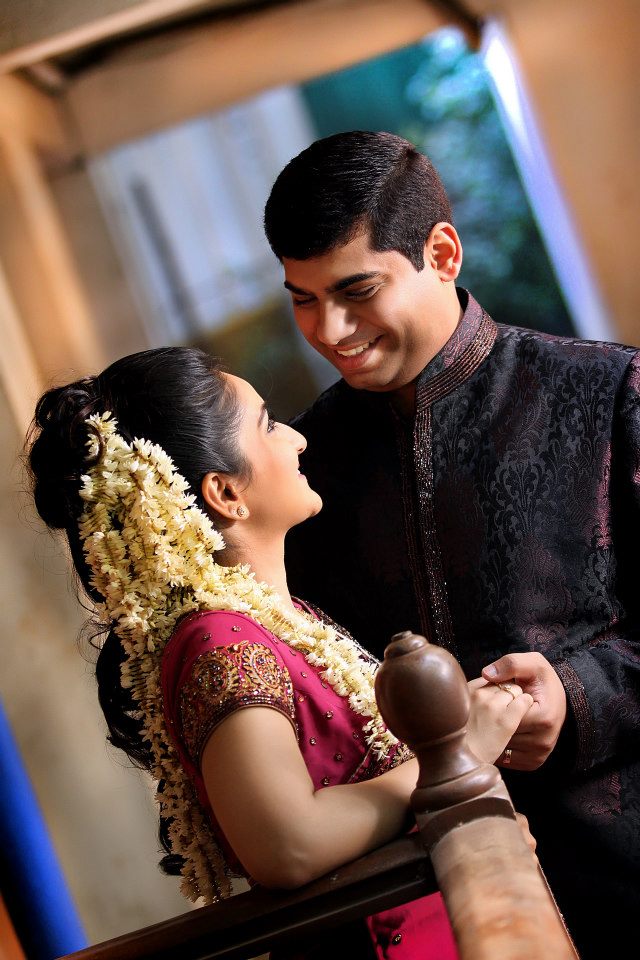
Today since the wedding functions are curtailed due to time constraints, only the next day dinner is celebrated amongst close relatives and friends of the bridal party. The bride’s parents would enquire from the groom’s parents the number of guests who would attend or specify the number of guests they can bring. The grooms family may or may not have the return dinner, but nowadays it is common for the Porthapon to be held jointly by both families and the function is held at a party hall. On my wedding the porthapon was at my parents’ house.
As tradition dictates two male relatives (like brides brother and an uncle) would go to the bridegrooms’ house to personally bring the bridal couple for the dinner. In the past the bridesmaids would accompany the bride to the bridegrooms house after the reception and stay there and then come along with them to the porthapon.
Fancy dress costumes – Indicative
They would all then proceed in procession and the brides relatives would come forward at a convenient location to meet the party and welcome them in song and dance to the playing of the Ghumat. The brides’ guests would dress in fancy costumes to add to the fun and entertainment quotient of the function and the men would usually dress as women.
The bride wears her Dharma Sado, saree given by her parents. At her mother’s house she changes into the Maipano, saree gifted by her mother and flowers are put in hair.
The grooms mother would take along some gifts of fruit and/or sweets which she gifts to the mother of the bride/Yejman. The brides mother in turn would do the same.
My younger son got married in Goa and so we did not have the sado ceremony at the reception. Instead my daughter-in-law wore the sado for the porthapon which was at her parents house. Upon reaching there she changed into the red dress (Goan sado) give by her mother.
Dancing and singing to DJ music and Ghumat continue through the night. At the Porthapon it is customary for the senior members and close members of both families to be introduced to each other and the occasion enables the two new families to get acquainted with each other.
Formal functions may be conduted by a professional MC and DJ. After prayers when dinner is announced, the bridal couple is served first and their plates are piled with food, although they are not expected to finish it, but are expected to put a morsel of food in each others mouth.
The bride and groom usually stay at bride’s house for the night, but this custom may or may not be followed nowadays. At the end of the function, the bride’s suitcase with her personal belongings is carried to her new home by the Mal Dhedo.
** A brief of the Instrument Ghumat: The ghumat is a membranophone percussion instrument from Goa and Karnataka. It is an earthen vessel, in the shape of a pot, having both sides open. On the bigger opening a drum membrane is tied taut around it. In the old days, it was mounted by a membrane made of the skin of the monitor lizard. Now, with the banning of the use of the skin of the lizard, more innovative methods are used. One of the membranes now used are synthetic membranes made from artificial materials. The sounds of the ghumat are manipulated by the opening and closing of the smaller hole with the palm of the one hand while the membrane around the larger opening is delicately struck with the other hand to produce the sound. (Ref: The live music project)
References: Severine Silva and Stephen Fuchs & Victor D’sa, S.V.D.: The Marriage Customs of the Christians in South Canara, India
N.B. I am open to receiving research projects on culture and traditions. Please write to me at cecilia65@gmail.com
Contribution towards research on culture and traditions
If you find my research and posts on The Mangalorean Culture and Traditions useful and worthy and would like to participate towards improving and enhancing my website and my research, please contribute how you see fit.
Turmeric plants are grown from the turmeric root (rhizomes) and are harvested for their leaves and the turmeric rhizomes. Rhizomes are used for plantation. It grows best indoors in cold temperatures. In temperate climates it can be planted in the garden but preferably in shaded areas like under a large tree which would provide the required shade to the turmeric plants as they don’t flourish well in direct sunlight.
Turmeric is different from Ginger. Although they look alike and have common characteristics, they are different in their properties, effects, colors, flavors and benefits.
Fresh Ginger & Ginger Powder
Fresh Turmeric
Fresh Turmeric & Dried Turmeric powder & paste
Dried Turmeric whole
Fresh Turmeric, Dried Turmeric and Turmeric powder or haldi powder
Ginger Plants
Ginger Plants
Turmeric Plants
Turmeric leaves
Turmeric rhizomes can be purchased from any Asian grocery stores and the plants take 7 to 10 months from planting to harvest and are usually planted in July and harvested in April. The best season to plant turmeric in sub-tropic and cold zones is in spring or summer when temperatures are above 54 degF or 12 degC. In tropical regions it can be grown throughout the year.
Charlotte Regional Farmers Market – Peanutbutterrunner.com
Sale of turmeric plants in the market for Pongal – The Hindu
In countries where turmeric leaves are not available in the market it is a good idea to plant your own and enjoy the benefits of this wonderful plant. The World Wide Web is awash with tips and step by step procedure on growing your own turmeric plant so I shall leave it at that. Secondly, as I have personally not yet grown my own plants I shall refrain from preaching on this subject. But, yes I have purchased turmeric leaves from Goa Mapusa market and kept the leaves neatly wrapped in newspaper in the freezer and used them for a couple of years. Trust me, when thawed the leaves were as fresh and as fragrant as if fresh from the market. So for those resident outside India, I would urge you to pick up your stock on your visit to India (when they are in season) and bring it back and freeze until required. I thank my friend Mrs. Margaret D’Cruz for this valuable tip.
Turmeric leaves are a cooling herb and a sattvic food which promotes clear thinking and calm thoughts. The leaves also known as haldi and manjal leaves, contain curcumin which is a powerful antioxidant.
It can be used in various preparations to add flavor but commonly used as a wrapper for steamed dishes. The famous and much revered haldikolyanche Patoleo as it is called in konkani
Patholis
(also called patholis or pathoyos) and kadubu in Kannada, especially in the western coast of India during religious months and festivals, are made by steaming a paste of rice with a coconut jaggery filling wrapped in the turmeric leaf. When heated the leaf imparts a delicious aroma to the dish and it’s fragrance is immensely satisfying.
August 15 (Independence Day in India) happens to coincide with the Assumption of the Virgin Mary (a Holy day of obligation) and Patoleos are a significant item prepared by Mangalorean and Goan catholics on this day. East Indians call it Pan Mori or East Indian leaf cakes. It is also prepared on St, John’s feast (Sao Joao fest) and Konsachem fest (harvest festival). Ediyos, steamed in jackfruit leaves were also prepared on August 15, by my mother.
Konkani hindus prepare patoleos on the second Sunday of Sharavan or Nag Panchami and on Hartalika, the eve of Ganesh Chaturthi. Salt-free patoleos, are offered to Godess Parvati, who the legends say had a strong craving for these sweets during pregnancy.
It is important to procure genuine turmeric/haldi leaves for the patholis. Duplicate or fake leaves are available in plenty in the market and it is difficult to tell the difference. Patholis made with duplicate leaves have an overpowering aroma and give a bitter taste to the patholis. Although difficult to distinguish from appearance, genuine leaves must have a fragrant aroma and to determine this just pinch a piece from the tip of the leaf, it should smell aromatic and fragrant.
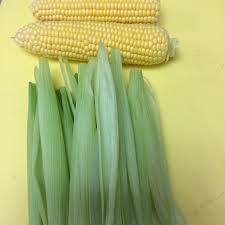
Several types of leaves are available for steaming, grilling food. Some of these are Banana leaves, Jackfruit leaves, Teak leaves, Bay leaves, Fig leaves, Maple leaves, Corn husks, Okra (Lady finger) leaves, etc. Champa flower leaves are also used for steaming food.
Be creative and make do with what is available and enjoy rather than omitting your traditional foods altogether!
These customs though important, are short ceremonies perfomed at the wedding reception either before dinner or at the end of the wedding, as this is mainly performed between the very close members of the family.
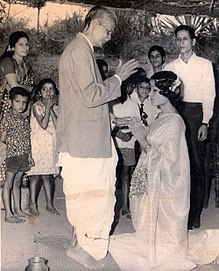
STEP 14 – MAAIN MUDI SHIVNCHEN – Mother-in-law presenting a ring to her son-in-law, the groom
Then:
After the wedding dinner was concluded, the mudi shivnchen ceremony was performed. The bridegroom was made to stand in the matov and the bride’s mother presented him with a ring as a sign that she is his mother-in-law and henceforth he had to address her as “mai’ mother. The elder women of the bride’s family her aunts’ i.e. sisters, sisters-in-law and cousins of her mother were addressed by the groom as fagor mai and any distantly related woman could become his fagor mai if she presented him with a ring. More importantly the woman were expected to give their blessings to the groom as his fagor mai.
Now:
As I have seen for my son’s wedding, the bridegroom is made to stand in a prominent place in the reception hall and his mal dedho stands next to him with a handkerchief held open in both hands. The mother-in-law will bless the groom and present him with the ring. The other fagor mais i.e. the brides aunts, etc. will come forward to bless the groom and put some cash into the handkerchief held by the mal dedho (bestman). This money goes to the bestmen who celebrate later with the money collected.
The following song is appropriately sung or played for the Mudi Shivnchen ceremony.
Bhaglyar Kityak Ubo Voretha….
The following video of Maxim and Melita’s wedding (Youtube) depicts the customs in detail and in a very clear format, thanks to the MC who has done a great job in explaining each step clearly and the videographer who has captured the important and solemn moments.
STEP 15 – OPSUN DIVNCHEN – The solemn transferment of the bride to the bridegrooms family
Then:
Once the presentation of rings was completed (at the bride’s house) the bridegroom takes the bride to his house in procession with the band playing. Relatives of the bride also accompany the bride. When the procession reaches the matov the Laudateis sung. Then the solemn opsun divnchen ceremony is performed and here the bridegroom is not present.
The father of the bride or an older Uncle alongwith his closest relatives steps forward and takes the hand of his daughter and presents her formally to the bridegroom’s father and his family with the typical proclamation as follows (which is in english the konkani translation of which is in the above video :-
“Up to this time we have loved this girl. Today we hand her over to you in the hope that you will love her in the same measure”.
The bridegrooms father or an elder Uncle, takes the hand of the bride while giving an appropriate reply which is something like :
“We are happy to receive your daughter and will love her and take care of her even more than you have given her and will look after her just as our own daughter”.
The bride usually breaks into tears upon the realisation that she must now part from her near and dear ones in earnest. The women break into the parting song which brings everyone present to tears.
Sovo Sovo Surngarone (Opsun ditana song) ….
The bridegrooms mother then takes the bride by the hand and leads her into the house, accompanied by other women. While the bride steps over the threshold she must do so with her right foot.
Now:
Various Opsun Divnche scenes above.
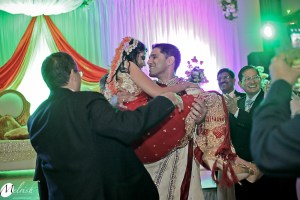
In the wedding hall, after the Mudi Shivnchi ceremony the bride and groom are blessed by their parents and all elders of the family. Then the bride is brought forward and the Opsun Divnchen ceremony takes place as detailed above with the bride and her family breaking into tears.
After the ceremony the bride is led away from her family and seated and welcomed by her monther-in-law with a glass of milk to drink (and in some customs also an elchi banana to eat). This marks the end of the wedding ceremony.
Tambde Roza
When the bride reaches the bridegrooms house she is carried over the threshold by her husband.
YENI SAMMAN
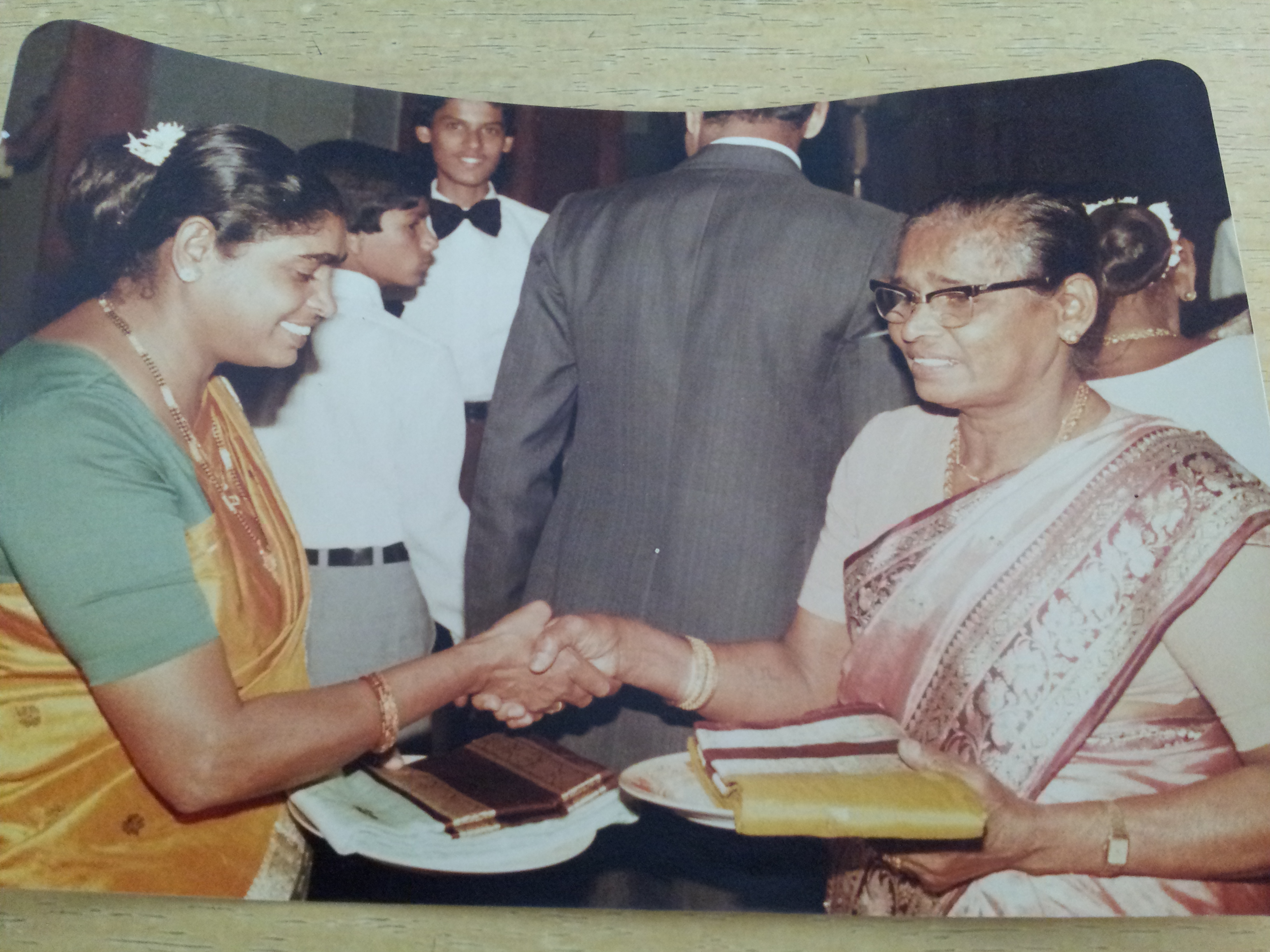
In earlier times when weddings lasted for 8 to 10 days, the yeni samman i.e. the brides mothers’ dinner and the grooms mothers dinner took place after the porthapon and both the mothers gifted each other a saree. But since the duration of the weddings are now curtailed to 3 to 4 days, skipping the yeni dinners, the yeni saree is exchanged at the porthapon or at the wedding reception.
Yeni Kappad – My mother (L) and my mother-in-law (R)
The yeni saree gift exchange which was at the reception for my wedding 37 years ago.
References: Severine Silva and Stephen Fuchs & Victor D’sa, S.V.D.: The Marriage Customs of the Christians in South Canara, India
N.B.: I am open to accepting research projects on culture and traditions. Please email me with details to cecilia65@gmail.com
Contribution towards research on culture and traditions
If you find my research and posts on The Mangalorean Culture and Traditions useful and worthy and would like to participate towards improving and enhancing my website and my research, please contribute how you see fit.
After the nuptial blessing, both parties proceed to the brides house for the wedding lunch and/or dinner. When the wedding party (Voran) arrives, the bride’s yejmani offers the traditional customary udak-pan-pod welcome to the bridegroom’s party by saying ‘dev boren korum gorcha yejmanak’(God bless the master of the house). The yejmanireplies by saying ‘dev borem korum’(God bless). The yejmanithen offers the general and symbolic udak-pan-pod to the rest of the wedding party by declaring ‘sankdank pan-pod, udak ailem’(everybody receive water and panpod). The bridegroom’s party replies ‘pavlem dev borem korum’(We received, God bless you). The bridegroom’s party is received with great honour and invited to sit down in the matov.
Sado
The bridal clothes (sado), jewellery and flowers abolim and jasmine all tied into a bundle in red silk cloth and carried by a younger unmarried sister or relative of the bridegroom, are brought to the bride’s house in procession lead by the groom’s mother. The grooms’ mother who did not accompany the party to church now joins the procession accompanied by a few distinguished women relatives to the playing of the band and the sado, jewellery, etc. would be exhibited to the guests in the matov.
Crackers are fired as the procession enters the matov, while the band plays and at the entrance the people sing the psalm Laudate Dominum.
All along voviyos are sung by the bride’s party with witty replies in voviyos by the grooms party. The bride is led to a private room and surrounded by women singing voviyos and dressed into the wedding attire i.e. the sado and for the first time the end of the sari is thrown over her shoulder known as worl. The mother-in-law has the first right to dress the bride. However, if she is a widow this right falls on the yejman (bridegrooms paternal aunt) who also tie the pirduk (mangalsutra or kariamani) around the bride’s neck.
The bride is adorned in the abolim and mallige flowers which is done in a specific manner and the strings of the flowers are wound around her head to completely cover the hair and the ends of the strings are left to hang down to the waist. Lastly the string of abolims is wound around the jasmine flowers.
The bride is then led to the matov in her bridal finery and invited to take a seat to the left of the bridegroom which is called sovyar bosovnchem (seating at the assembly) and the women once again gather around the bridal pair singing voviyos. The yejmani then announces the ayar (presenting gifts to the bridal couple). When the elders present the ayar (gifts and money) they also bless the couple. The bride is presented with a sari dharma sado by her parents, which ranks second to the sado and is also very expensive. The parents of the bride also present saris and clothes to elder married sisters and elders of the family and this is done in a solemn manner.
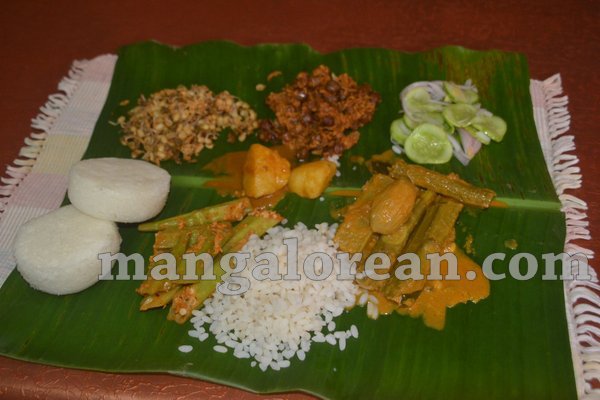
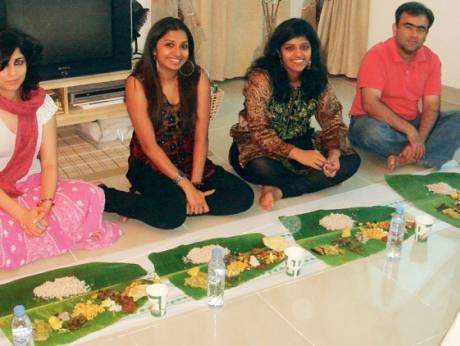
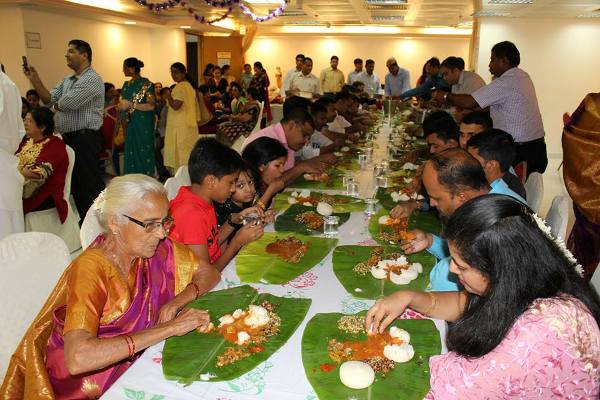
After the gifts presentation, dinner is served and the bridegroom’s party is given first preference. Dinner is served on banana leaves (used to also be served on betel leaves) and guests are seated on long rows of mats. A particular pattern was followed, first a little water is sprinkled on the leaf to clean it, then a little salt was served, then pickle followed by different vegetarian dishes and then non-vegetarian dishes, wealthy people served sanna-mas and finally with vorn. The meal was concluded with a sweet called soji made of wheat flour and jaggery. Dinner was started with the prayer ‘Hail Holy Queen’ and also said at the conclusion of dinner.
Now:
Once the nuptial blessing is done, the bridal entourage proceeds for a photo shoot, etc. Other guests proceed to the reception venue.
When the bridal troupe arrives, they enter in procession to the playing of music and bursting of crackers led by a Master of Ceremonies. The wedding cake is cut, champagne is popped and toasts are raised.
Guests are seated and snacks are served, then the wedding march which all guests look forward to participating. The bride and groom then have their first dance as husband and wife. Dancing continues through the night or upto time-limit restrictions.
After the first dance, the bride is led by the grooms’ younger sister and family for changing into the sado and the custom as stated above stands even today but the mangalsutra ‘pirduk’ is put around the neck of the bride by the groom. Today, the groom also changes his attire into a typical Indian wear. The following song is appropriate when the sado dressed bride and the groom make their re-entry:
Mai’n muntha thu shegunachi sunn….
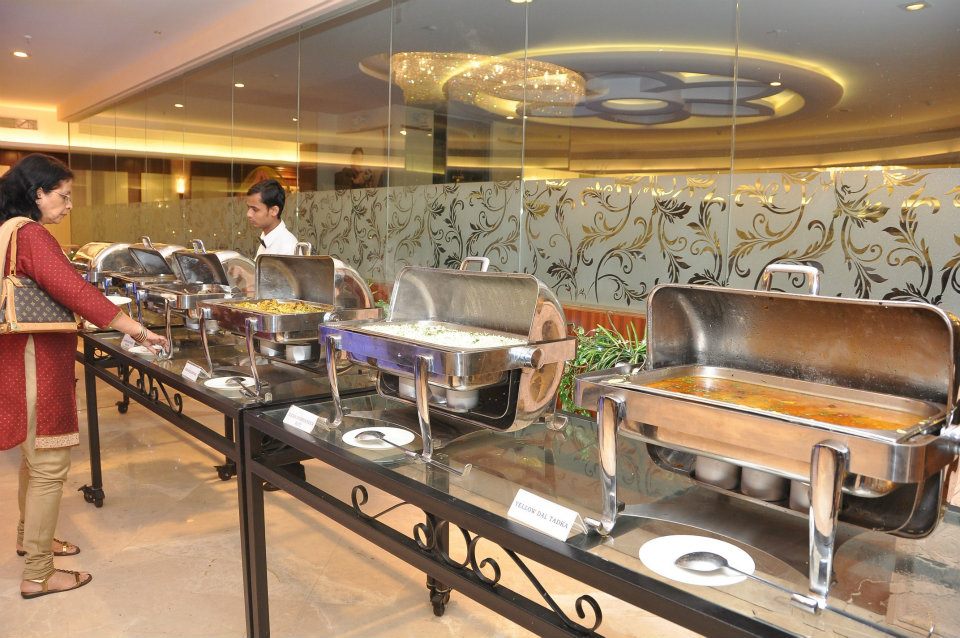
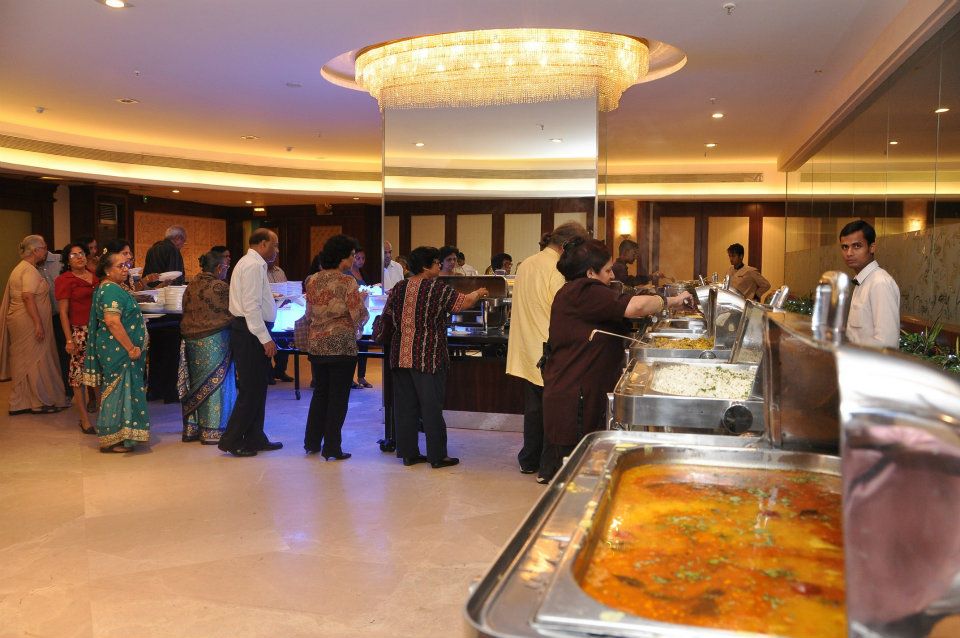
Buffet Dinner is served at an appropriate time, preceded by a short prayer and the Grace before Meals, by a member of clergy if present or any chosen person. The ayar ceremony follows with the guests lining up to wish and bless the bridal couple and the finale, chairing of the couple!
N.B.: According to Monoj Saldanha in his book “Amche Alconz”, konkani speaking people migrated to South Goa from the Saraswat Valley in North India during 1000 BC, due to the drying up of the Saraswati river. The people were predominantly Gouda Saraswat Bahmins, Aryans by descent and Brahmins in identity. Even when these people converted to christianity due to the Goa Inquisition of 1560 and the subsequent conversions in 1570 and 1683, hindu traditions and culture still continued e.g. for the nuptials the white gown or saree is used by the bride in the church and the wedding ring/band is exchanged, but in the reception the bride changes into the sado (red silk saree) and karimani (black bead chain).
Francis Buchanan in his book “Journey through the Southern parts of Canara”, writes in 1807 that the konkanies are in flourishing circumstances and he saw some of the marriage processions passing by on the 21st of January, 1807, which were attended by exceedingly well dressed people and very handsome girls.
The ayar procedure in fomer days: The groom’s elder sister’s husband sat with a clean brass plate to receive the gifts (ayar). In those days it was common to gift a rupee or half a rupee on the plate. When the coin fell on the plate it made a sound. Another man sat nearby to write down the name of the person giving the gift and the amount. When the clinking of the coin falling on the plate was heard, he would ask in Tulu ‘av yerl’ which means ‘who is he’? The yejmani would tell him loudly the persons’ name and the brother-in-law announced the amount to the writer.
In later times the ‘av yerl’ was modified and is now known as ‘a-yar’. The relatives and friends gift atleast one rupee in an enveope with their names on. The mal-dhedo (first best man) keeps an account of the amount.
References: Severine Silva and Stephen Fuchs & Victor D’sa, S.V.D.: The Marriage Customs of the Christians in South Canara, India. Manoj Saldanha: Amche Alconz, Our surnames. Francis Buchanan: Journey through the Southern parts of Canara
N.B.: I am open to research projects on culture and traditions. Please email me with your requests.
Contirbution towards research on mangaloren culture and traditions
If you find my research and posts on The Mangalorean Culture and Traditions useful and worthy and would like to participate towards improving and enhancing my website and my research, please contribute how you see fit.
The most important aspect of a wedding is the Sacrament of Marriage received at the Nuptial Blessing Resper.
On the morning after the roce ceremony the marriage was blessed in the church and this took place either in the bridegrooms or the brides parish.
Upon getting ready in the traditional wedding attire the bride/bridegroom kneel in front of the altar for blessing from parents and elders.
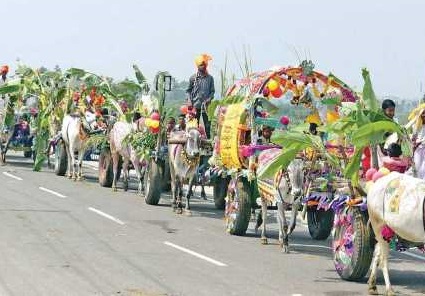
The wedding procession then proceeds to the church in an open car, bullock-cart or on foot, in separate processions accompanied by playing of bands and bursting of crackers.
Bullock cart procession indicative
While proceeding on foot in procession wide red umbrellas were used over the head of the bride and groom held by the bestman (dhedo) or bridesmaid (dhedi). The first best man is called mal dehedo and first bridesmaid mal dhedi. Usually the mother of the bride and the mother of the groom did not accompany the procession.
The Bride wore the kirgi baju (dress of the unmarried) and the groom wore a dhoti (short loin cloth) and a shawl over his shoulders and a red handkerchief on his head which was later improved to the todop (white loincloth with a red and gold hem), a kutav (shirt with gold buttons and a coat), shawl, red kerchief in hand and urmal (long white piece of cloth with golden hem tied around the head like a turban) and the umbrella. The bride was dressed in the proper bridal attire only after the resper. The feet of the bride and groom were sprinkled with water before leaving home.
The bridegroom waits for the bride in case his party reached early and both, holding hands, proceed to the centre of the church. The parish priest blessed the nuptials during a High mass assisted by deacon miron or mirniam* and sub-deacon. There are instances when the marriage party has reached the church but the parish priest was absent as priests were very few then and also had to attend urgent sick calls far from the church. The wedding party then used to wait many hours and then return home without a church wedding and continue with the wedding celebrations and the nuptial blessing and sacrament of marriage was bestowed on the bridal couple one or two days later.
Now:
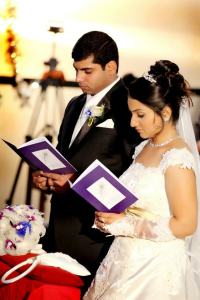
The nuptials are usually in the afternoon/early evening two or three days after the roce ceremony. The bride and groom dress in their modern wedding attire i.e. white gown/saree worn by the bride and black tuxedo or suit by the bridegroom. Bestmen and bridesmaids are several in number now and generally relatives and friends of the couple.
Photo and video sessions are elaborate today and once the dressing is done, prayers and blessing is given by parents and elders and good wishes also by the younger relatives and friends. A glass full of milk is also sometimes given to the bride/groom by the mother/yejman, to drink before stepping out of the house. After sprinkling the brides/grooms feet with water (usually done by brother of bride/sister of groom) and drinking milk as stated above, the groups then proceed for the resper which is usually at the brides church but can be at the bridegrooms church as per convenience. The bridegroom first proceeds to the church and then sends the car for the bride. The relatives follow by private cars/transport or if close by, on foot to the church.
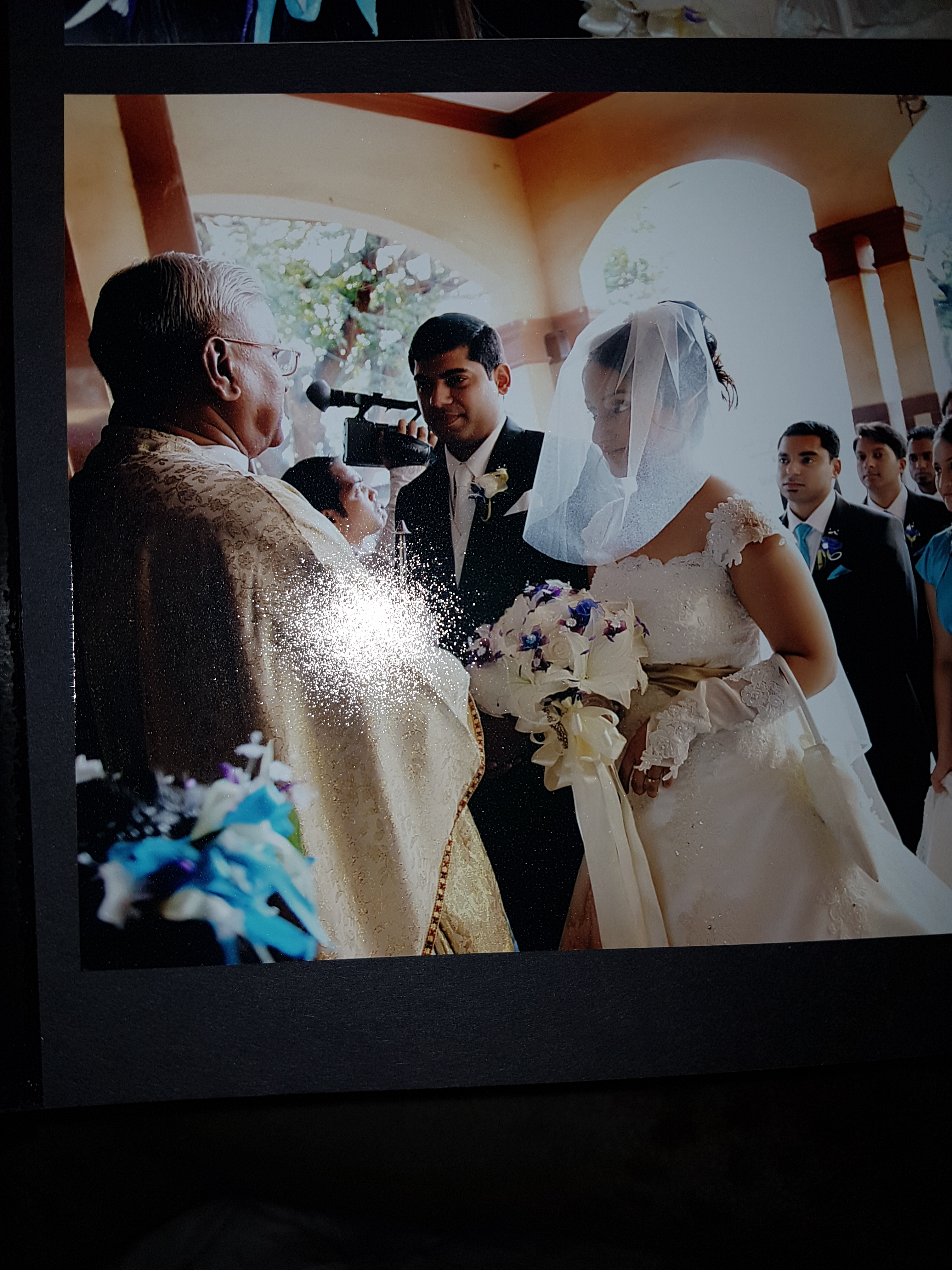
The bride is greeted outside the church by the mal dhedo with a kiss and presented the bridal bouquet.
The couple is received at the church entrance by the Priest and then led into the church, the bride accompanied by her father and the groom by his mother. The bridesmaid, bestmen, page-boys and flower-girls precede the priest. The nuptials usually take place at an high mass reserved exclusively for the marriage. The Union is blessed by the Bishop or Parish Priest or if a priest is a relative of the family then he would be given the honor of blessing the nuptials where the rings, the wedding bands (resperachi mudi) are exchanged and the Sacrament of Marriage is received by the bride and groom, in the presence of two witnesses one from the brides side and one from the grooms side.
The program for the nuptial mass, which is printed on color coordinated booklets is prepared with great care and family members take pride in partaking in the nuptial program where certain tasks or duties like readings, choir singing, offertory, etc. are assigned to the family. The selection of readings, hymns, etc. must be discussed and agreed with the parish priest, so also the program. For instance the lighting of the unity candles may be allowed by some churches and may not be acceptable to others. The church pews are decorated and it must be borne in mind that the altar too must be decorated with fresh flowers for the occasion which many a times is overlooked.
The sado, karimani, jewellery, red glass bangles alongwith the aboli (Crossandra infundibuliformis or firecracker flowers) and mangalore mallige flowers (jasmine flowers) which the bride will be adorned with at the reception are carried to the church by the bridegrooms family so that they can be blessed at the nuptials. All the articles are placed in two trays, one for the saree and ornaments and other for the flowers and wrapped in a red satin or velvet cloth. The honor of dressing the bride at the reception is given to the yejman. If the yejman is the mother of the groom she may give this honor to an elder aunt, bappu’s (elder brother of father of groom) wife i.e. the daijis who are also considered as yejmani and yejman and she is handed over charge of the sado and ornaments from the house to church to the reception venue.
At the end of the mass, the bride and groom and the witnesses are invited by the Parish Priest to sign the marriage register thereby concluding the Sacrament** of marriage and sealing the contract, which in catholicism understands marriage as a contract by which a man and a woman establish between themselves a partnership for their whole life.
*The miron or mirniam discharges many of the duties at the church which traditionally were performed by Gurkar, Luvad or Chamador. In early times Juntawas the assembly of all catholic households in a village. The elected officials were (i) Gurkars(tulu pre-christian term) (headman). Gurkars were also called Budvont which is of pure Goan origin (Silva II-101). (ii) Luvad (portuguese term) (assistant headman) and (iii) Chamador (crier) in portuguese means to call. The Gurkar had to help the Parish Priest in various ways and communicate to the people orders, admonitions and advice of the parish priest and keep the parish priest informed of happenings in the village. The Luvad helped the Gurkar and in his absence performed Gurkar duties. The Chamador’sduty was to call the people Junta for the meetings to inform about deaths and duties also included digging of graves for burials. The three were important officers and were supreme in the social life of the community in the village and considered as ‘first’ parishioners of the parish. They had honor at religious functions and these offices were usually hereditary as eldest son would be selected when father died or resigned. **Catholic marriages come under the purview of Canon Law and the Civil Law of the country in which a catholic lives. In India, Catholic marriages are regulated by the Indian Christian Marriage Act of 1872 that accords the Parish Priest the status of marriage registrar. Catholicism considers marriage as a Sacrament only when both the partners are catholics. When one of the partners is not a catholic it is a mixed-marriage and recognised as a contract but not as a sacrament. Besides, a catholic marriage must be contracted in public in the presence of a Bishop or Parish Priest and with 2 witnesses. A catholic marriage has two essential properties, Unity – which rules out polygamy and thereby fidelity in a marriage; and Indissolubility– which rules out divorce. Hence a catholic marriage comes to an end only when a partner dies. Marriages are ‘annulled’ i.e. declared invalid and this must be established and a decision given by a court according to canon law. However a decree of divorce does not mean nullity. Divorce implies the existence of a marriage while nullity does not. A partner re-marrying after a divorce is considered as adultery (for both partners i.e. the divorcee and the one marrying a divorcee), if the spouse of the divorcee is living and the marriage has not been annulled.
References: Severine Silva and Stephen Fuchs & Victor D’sa, S.V.D.: The Marriage Customs of the Christians in South Canara, India, Konkani Roman Catholics of Dakshina Kannada Chapter III.
Read on for a helpful Catholic wedding program template.
Religious elements or traditions can enrich a wedding ceremony, but determining what to include in the program to reflect your beliefs as a couple can be difficult. Use this sample program as a guide to get you started. Then add your own spin to make your day truly personal. Below is some helpful sample wording for a traditional Catholic wedding program.
Front Cover– Design and colors as per your choice and wedding color scheme
A Celebration of Marriage
Bride’s name and Groom’s name
Date
Name of Church
City, State
Inside Page 1
Celebrant name
Concelebrant/s name/s
Parents of the Bride names
Parents of the Groom names
Matron of Honor name
Best Man name
Ushers names
Ring Bearer name
Flower Girl name
Organist name
Soloist name
Musicians name(s)
Inside Page 2
Prelude
Processional
“Name of Song,” Composer
Bride’s Processional
“Name of Song,” Composer
Liturgy of the Word
Opening Prayer
First Reading—Book of the Bible Chapter: Verse, reader’s name
Responsorial Psalm: Name of Psalm, reader’s name
Second Reading—Book of the Bible Chapter: Verse, reader’s name
Gospel Acclamation—Book of the Bible Chapter: Verse, reader’s name
Homily
Inside Page 3
Sacrament of Marriage
Exchange of Vows
Blessing and Exchange of Rings
Unity Candle “Name of Song,” Singer’s name
Prayer of the Faithful reader’s name
Response: Lord Hear Our Prayer
Presentation of the Gifts
Liturgy of the Eucharist
Eucharistic Prayer
Lord’s Prayer
Nuptial Blessing
Sign of Peace
Communion
“Name of song,” Singer’s name
Final Blessing
Recessional “Name of Song,” Composer
Note for Back Cover (Optional)
Thanks so much to all of our family and friends for your love and generosity. We are so grateful all of you were able to join us and share in our special day.
Bride’s name and Groom’s name
P.S.: Number of pages may differ according to the readings, hymns, etc.
Roce is a beautiful ceremony preceding the nuptials, symbolizing purification of the body of the young bride/groom to cleanse her/him and make them pure in the eyes of God as they are about to enter into the Sacrament of Holy Matrimony. After the anointing she/he is led to take a ritual bath to end their bachelorhood or spinstership in preparation for the most important event of his/her life – The Wedding.
Roce is sort of an emotional ceremony and is held only once in a life time. A person re-marrying, for whatever reasons, will not hold this ceremony. So it is a unique ceremony and should be respected. After this ceremony the bride/groom are not supposed to leave the house except for the nuptials.
Then:
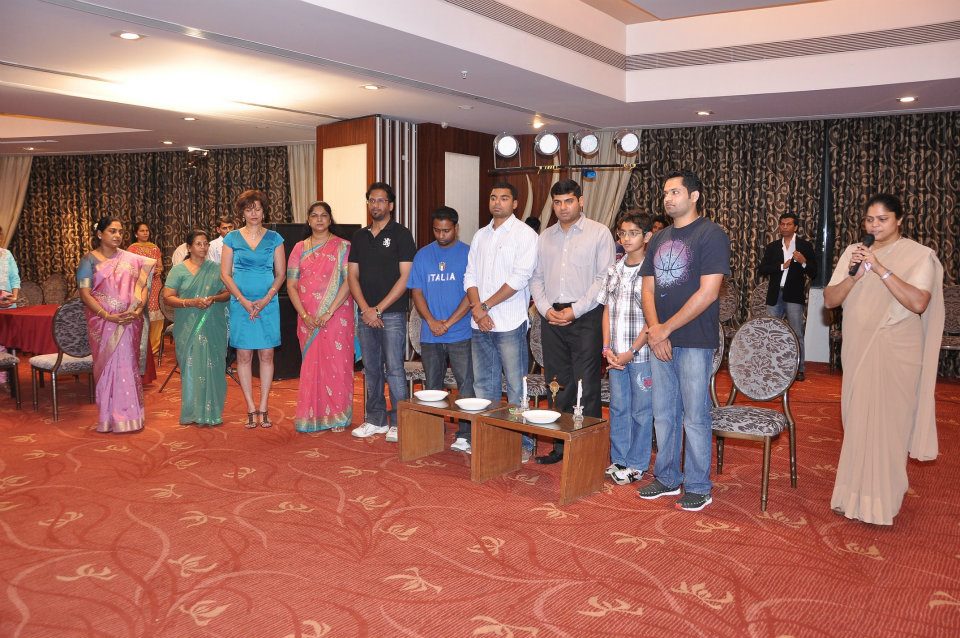
On the eve of the wedding an important ceremony is performed at the bride and groom’s house respectively, called the ‘roce’– oil bath or anointing and with this the wedding ceremonies actually begin. This ceremony signifies the mother’s love for her son/daughter. Guests were warmly welcomed at the entrance to the matov with pan-pod and udak. Guests who are in the habit of eating pan-pod take the plate in their hands and chew some pan-pod.
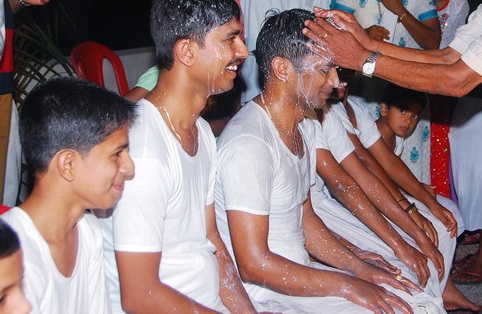
Traditional dress worn by bride is a skirt and blouse (called ‘Kirgi bhaju’) and changes into skirt blouse for the roce application. The groom (voreth or novro) wore a loin cloth called ‘pudvem’ or a half pant or a ‘lungi’ and the upper body may or may not be covered with a half sleeved singlet and the dhedes wore the same.
The yejmani accounces the roce. Yejmani can be the parents or any elder family member, but not widows or widower. The male is yejmani and female is yejman.
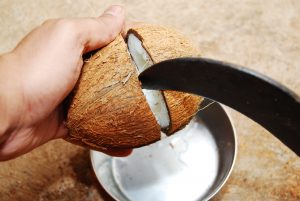
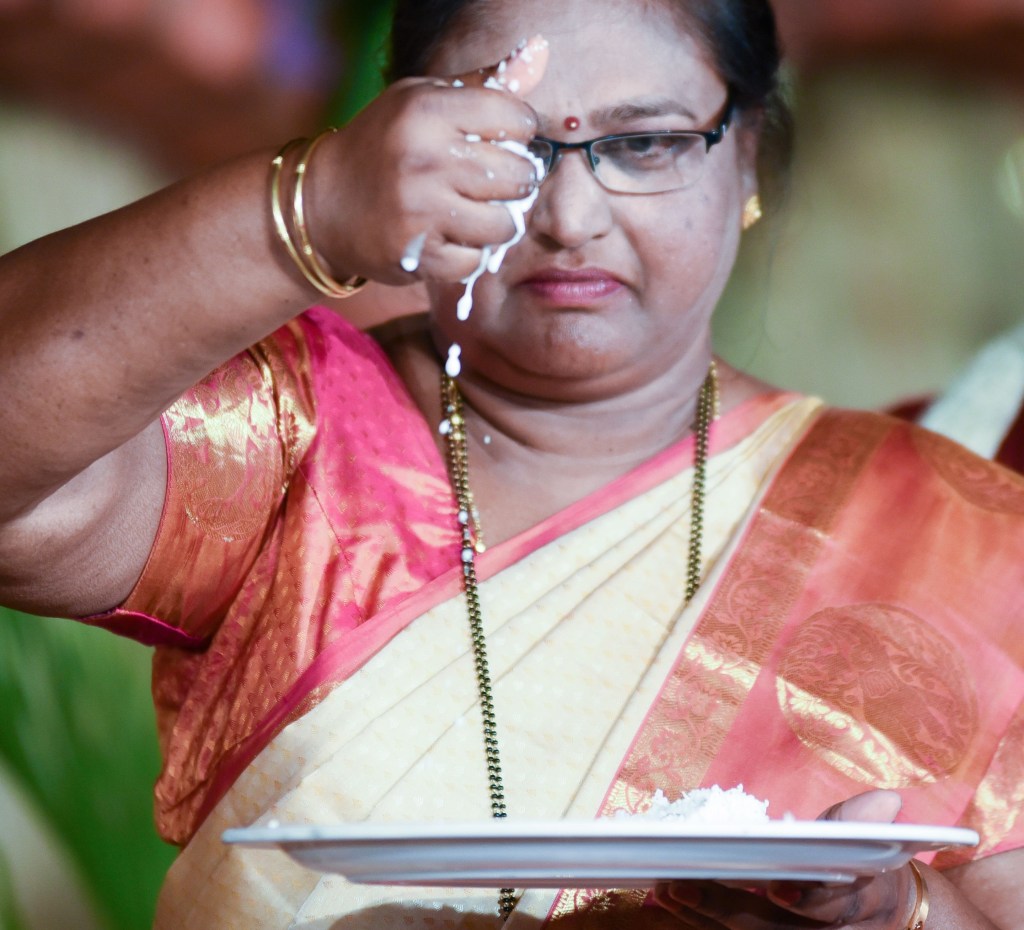
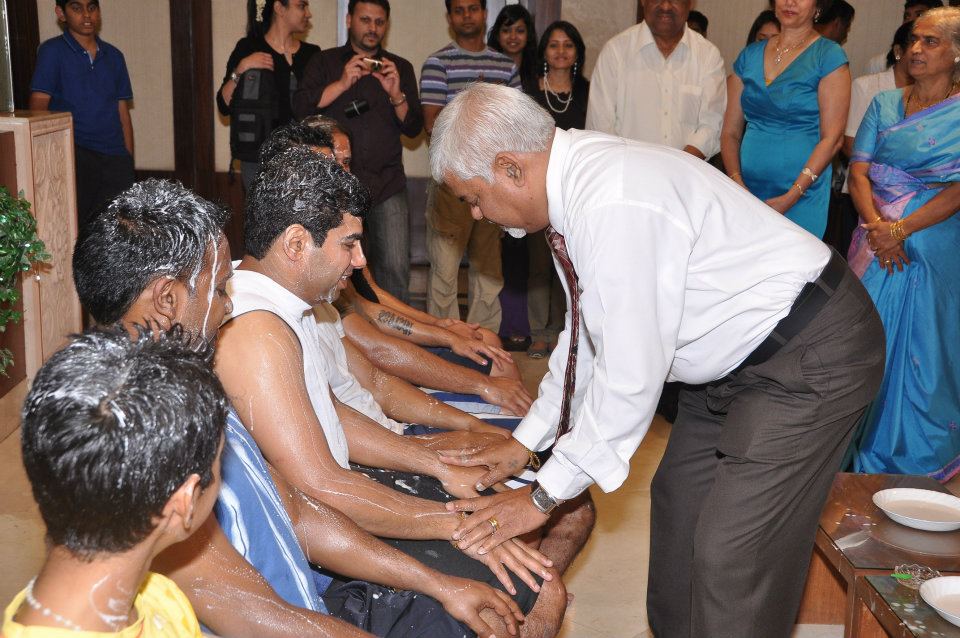
The bride/groom with their dedhiyo (bridesmaid)/dhedes (groomsmen) sit on a low stool monoi or a bench surrounded by the guests. The yejman enters with two plates vatli, one containing coconut oil and one coconut juice. She puts a sign of the cross with oil on the forehead of bridegroom, puts oil on the head rubs it in and puts oil in the ears. Then proceeds to apply the coconut juice all over the body and softly rubs it in. The bridesmaids and groomsmen are also anointed likewise. In earlier days only the women applied roce to the bride/groom.
This anointing is done accompanied by singing of the voviyos by women, the procedure being one women leads the song while the rest of the women say ‘voi’ voi’ (yes, yes) at the end of each verse and then repeat the last verse. These wedding songs voviyos express the genuine enterprising nature of the manglorean Christians, their high ideals, respect for elders, their deep faith in God invoking the blessing of God on the couple. It was not uncommon for two senior women to sing the voviyos in competition with each other, one praising the bride and the other the groom.
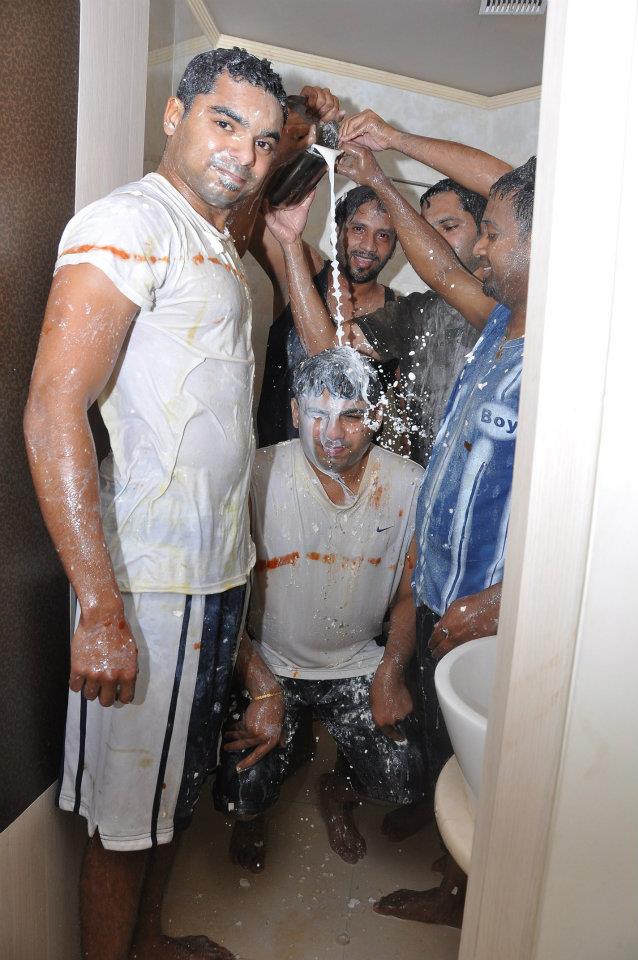
When the anointing comes to an end the bride/groom are led by the mother to the bath for their last ‘bachelor’s bath’ avnkarponachem nan-navnche. The mother and god-mother, elder aunts would symbolically bathe the bride/groom by pouring the first few mugs of water on them.
The roce ceremony is an impressive and ritual purification rite by which the bride and groom embarks on a new state of life i.e. saunskar. The blessings of God are invoked and their dead ancestors remembered.
The roce banquet consists of steamed rice, polov of ash-pumpkin (kuvalo), chone sukkeblack-gram curry, lonchepickles, kele sukke curry of raw bananas and vornsweet dessert. Those who can afford serve muton-polov.In some communities the main dish of the roce meal consists of fish curry.
The meal began when the bride/groom finished their bath and had taken their seat of honor in the matov. The MC or Garcho Yejmani says a few words while raising a toast for a bright future to the bride/groom. This is called boliki magchi – wishing good health to all present in the matov. At the end of the yejmani’s short speech everyone says ‘dev borem korum’ – ‘May God Bless you’ and the meal begins. Usually children, women and people coming from long distance would eat first (poili pankti). When people sitting at the last turn (kadechi pankti) finish their meal the laudate is sung. That night there is great merry-making, singing and joking in the matovwhich continues through the night. Those in charge of cooking, keep themselves busy killing the pig, slicing onions, etc. for the wedding banquet.
Now:
The Roce ceremony is held two or three days before the wedding. In the cities, roce may be held at home if there is sufficient place in the compound or a building terrace where a wedding matov/pandal is erected or in a private hall.
The day would begin by mass being offered for the departed souls of the family Gharchin almaun. The close family members then gather for lunch at the bride/bridegrooms home to prepare for the evening roce ceremony like extracting roce. The vojem gifts are made.
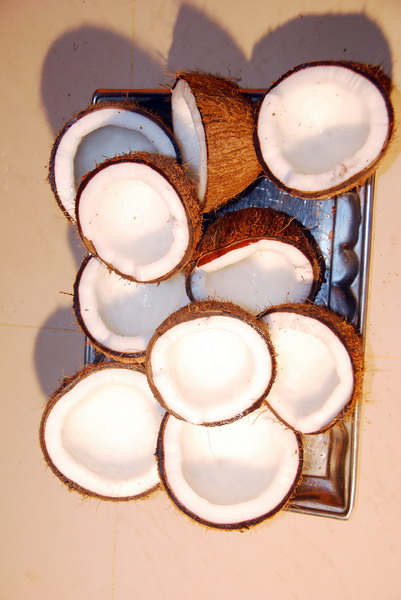
The coconuts used should be in odd number, three, five, seven, etc. depending on how much roce is required which would depend on the number of guests expected at the function. The scraping of the coconuts are done by the elder sisters, sister-in-law, maushis, etc. and extraction of the roce although required to be squeezed by hand only, maybe ground in the mixer and extracted by placing the coconut paste in a cloth and squeezed if a large quantity of roce is required.
The roce plates are also in odd number 3, 5, 7 etc. depending on the number of women who will be given the honor by the yejmanof carrying the roce plates. Elder sister-in-law, God mother, aunts, etc. are given the honor but not widows and spinsters.
As the concept of matov and rashyo is seldom followed various traditional kitchen items are displayed near the stage on the roce day, as shown in the kazara matov post.
The event is conducted by a professional Master of Ceremonies who will make the required announcements to give a proper format to the event. Food is catered and music is hired so that there is great entertainment for the function.
When the anointing comes to an end the bride/groom are led by the mother to the bath for their last ‘bachelor’s bath’ avnkarponachem nan-navnche. The mother and god-mother, elder aunts would symbolically bathe the bride/groom by pouring the first few mugs of water on them.
The roce ceremony today is similar to the earlier custom and by far many of the rituals are followed even if only symbolically, like the stage decorations, vojem procession, traditional costumes, singing of voviyos or recorded voviyos. Symbolic cutting of the kuvalo by the bappu and extracting coconut juice is also symbolically performed at the begining of the formal roce function.
The traditional roce menu is served but in addition mutton, pork, chicken etc. are also included depending on individual choice and/or financial status of the host. The meal is served buffet style instead of the traditional banana leaf meal.
No mangalorean roce function or for that matter any wedding function is complete without the Mangalore Mallige Jasmine flowers. As with all preparations it is ensured that an order for the flowers is made well in time. The Altar is also decorated with jasmine flowers and after reserving for the bride to adorn her hair after her ritual roce bath, the remaining flowers are distributed to women of the family, relatives and friends.
A typical roce ceremony would go along the following lines::-
Keep the Roce plates at the alter
Welcome
Prayer at the alter
Bible reading
If priest or nun is present or a senior person, can give short commentary over the bible reading and the Roce program.
Make bride/bride groom to stand at a prominent place and all senior people come in a line and give blessings.
Make the people involved in Roce to sit at the bench provided in a Matov. (If it is bride then bride along with her sisters or cousins or dedhiyos. If it is bridegroom then along with him his brothers/cousins or dedhes)
N.B.: I am open to accepting research projects on Culture and Traditions. Please email me with your requests at Cecilia65@gmail.com.
Thank you.
Contribution towards research and development of Mangalorean Culture and Traditions
If you find my research and posts on The Mangalorean Culture and Traditions useful and worthy and would like to participate towards improving and enhancing my website and my research, please contribute how you see fit.
References: Severine Silva and Stephen Fuchs & Victor D’sa, S.V.D.: The Marriage Customs of the Christians in South Canara, India, Konkani Roman Catholics of Dakshina Kannada
The Laudate Psalm (Psalm 116(117) – a song sung in Praising God is one of the most sung by Mangalorean Catholics at all weddings and related functions and all auspicious functions. It is traditionally sung in Latin.
The below psalm/hymn is recited at the end or after the first round of serving meals at the Roce and at the wedding after the Opsun Divnchem ceremony is concluded.
Laudate Dominum
Laudáte Dóminum omnes gentes
omnes populi; Quóniam confirmáta est
súper nos misericordia eius
et véritas Domini mánet in æternum (2)
[At this point all rise and mark themselves
with the Sign of the Cross
as they sing the Glory Be]
Glória Pátri et Filio et Spiritui Sáncto.
Sicut érat in pricipio et nunc et semper
et in sáecula sáeculorum Amen.
Laudáte Dóminum omnes gentes
omnes populi; Quóniam confirmáta est
súper nos misericordia eius
et véritas Domini mánet in æternum (2)
Laudate – Translation in english
O Praise the Lord, all nations, Praise Him, all people. For he has bestowed His mercy upon us. And the truth of the Lord endures forever.
Glory to the Father and to the Son and to he Holy Spirit. As it was in the begining, is now, and forever, and for generations of generations. AMEN













![136 vorn[3]](https://cooklikececilia.com/wp-content/uploads/2016/03/136-vorn3.jpg?w=300)




 It grows best indoors in cold temperatures. In temperate climates it can be planted in the garden but preferably in shaded areas like under a large tree which would provide the required shade to the turmeric plants as they don’t flourish well in direct sunlight.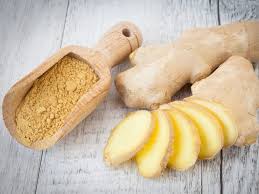


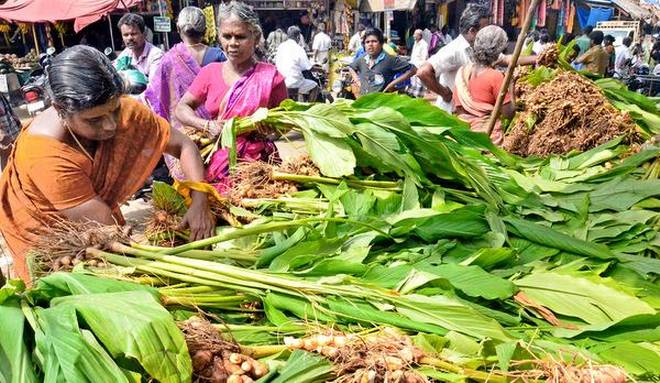 Sale of turmeric plants in the market for Pongal – The Hindu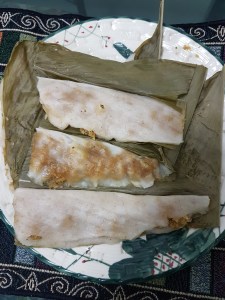










 pickle followed by different vegetarian dishes and then non-vegetarian dishes, wealthy people served sanna-mas and finally with vorn. The meal was concluded with a sweet called soji made of wheat flour and jaggery. Dinner was started with the prayer ‘Hail Holy Queen’ and also said at the conclusion of dinner.


 changing into the sado and the custom as stated above stands even today but the mangalsutra ‘pirduk’ is put around the neck of the bride by the groom. Today, the groom also changes his attire into a typical Indian wear. The following song is appropriate when the sado dressed bride and the groom make their re-entry:




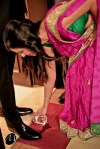 brides/grooms feet with water (usually done by brother of bride/sister of groom) and drinking milk as stated above, the groups then proceed for the resper which is usually at the brides church but can be at the bridegrooms church as per convenience. The bridegroom first proceeds to the church and then sends the car for the bride. The relatives follow by private cars/transport or if close by, on foot to the church.




















Recent Comments