Author Archives for My Cooking Diaries

Unknown's avatar

About My Cooking Diaries

This is Cecilia Pinto, based in Mumbai, India. Started this blog to share my cooking experiences with the world.

Mangalorean marriage customs and traditions – Vojem


STEP 9

VOJEM gifts

Then:
Vojem2

On the eve of the wedding, neighbours, people from the vaddo and close family brought gifts ‘vojem’ to the family which consisted mainly of various kinds of food required for the roce and wedding dinner like rice, vegetables like pumpkins, gourds, fruits like jackfruits and plantains and plaintain leaves, the latter were used as plates. Those who could not afford food contributed money.

*Wealthy and influential people brought their gifts accompanied by a brass band and group of dancers brandishing swords or wooden staves and this group was called talim. The bearers of the gifts came in a long line and in a solemn manner. The gifts were received with some solemnity by the master of ceremonies ‘yejmani’ and his wife ‘yejman’. No widow or widower can act as Yejmani and Yejman and this honor is then given to the closest married elder relative. The family accepting these gifts had to return them in a larger measure when a wedding was celebrated in the donor’s house.

* In the early 20th century most of the konkani roman catholics were temporary cultivating tenants ‘Chalgeni’ and the lanlords used to bestow various privileges on the cultivators. It was necessary to provide presents on important festivals and occasions of birth, marriage, etc., e.g. on a wedding the minimum present from the landlord in addition to various fruit, vegetables, coconuts was; 4 muras of paddy and another 4 muras worth of cash to pay the dowry, 16 yards of cloth, 4 1/2 kudatis (1 kudati = 12 tolas) of coconut oil, 1000 betel leaves, 100 areca nuts and some cash, etc. It was after the land reform act was passed and introduced that surplus land was re-distributed among poor cultivators and needy landless agricultural labourers that most of the ‘cultivating tenants’ became land owners.

So when a reference to *Wealthy and influential people bringing vojem is made and the symbolic vojem processions we see at present day functions, I would think these wealthy people were the landlords bringing their presents with great pomp and show accompanied by the band. Hence you see the head of the vojem procession a wealthy man (based on his attire) accompanied by his workers/labourers carrying the vojem.

This video which Mr. John Rodrigues of Johncy Digitals was kind enough to allow me to present, depicts the traditional vojem procession complete with brass band and the traditional music played on this occasion.

Now:

The vojem culture, albeit on a limited scale, still continues in our family and I am sure, in many mangalorean families. Although not in procession, but close family members gift fruit like bunch of bananas, vegetables, coconut oil, coconuts, rice (by relatives from native place), cash, alchohol, etc. but the gifts are made privately. The vojem is usually given couple of days before the wedding or on the morning of the roce day when the close family members gather to prepare for the evening roce function.

Today’s Roce functions also have the symbolic vojem dance/procession where close family members dressed in traditional attire participate, to enhance the entertainment quotient of the roce celebration. Professional vojem dance and voviyo singing and performing teams are also available, if required.

Dinner for the Deceased

Then:

A special dinner was served at noon of the last day before the wedding in remembrance of the deceased of the family. Prayers were recited for them and dinner served.

Now:

The dinner is omitted, but an individual requiem mass is offered for all deceased members of the family and for the souls in purgatory.

Special thanks to Mr. John Rodrigues for sharing the vojem procession video.

Previous Post: Kazara Matov Next Post: Denem, etc.

References: Severine Silva and Stephen Fuchs & Victor D’sa, S.V.D.: The Marriage Customs of the Christians in South Canara, India, R.G.Kakade in ‘Depressed classes of South Kanara’ a socio-ecenomic survey, Francis Buchanan Land Reforms of Karnataka

Mangalorean marriage customs and traditions – Kazara Matov


STEP 8

Wedding Pandal ‘kazara matov’

matov entrance

Then:

In the wedding week or couple of days before the wedding, preparations were made to erect the wedding pandal ‘matov’ both at the bride’s and the bridegroom’s house and it was essential that all weddings took place in the ‘matov’. A special invitation called ‘matvachi voulik’ was given to the neighbours expert in erecting matovs, inviting them to put up the matovs.  Usually two are erected, one for the main wedding function in the front courtyard and the second one at the side for cooking etc. called the rashyo.

The posts of the matovs had to be of an odd number and were made of stems of aerca-beetlenut1 tree madinut trees (madi) and the roof of leaves of coconut tree.  The front arches were of plantain trees with the bunches of plantains hanging down.  The plantain trees tied to the front posts of the matov seems to be a hindu custom carried over by the catholics as the tree is considered auspicious and a sign of fertility and prosperity.

The rashyo had the newly formed hearths for cooking the roce and wedding feasts. A few days before the wedding the women of the house and neighbourhood gathered to prepare the various spices which were first fried and then ground to a powder for the cooking.  This powder was called karpo.

The traditional kitchen equipment used in the rasshyo were the Ghatno/Vaan, the tondor,  adalo, kail, kailatho, kanthne, koitho, koithi, bornis, etc.

Traditional Kitchen Equipments

Now:

The Matov culture continues to exist even in modern cities provided the houses or apartments have sufficient place in the compound or the apartments’ terraces especially for the roce and porthapon ceremonies, if conducted at the homes of the bridal couple. Food however is rarely cooked at home and instead catered.  The modern matovs are built with bamboo and cloth/fabric.

Weddings though, take place in banquet halls, which in most cases must be reserved almost a year in advance.  Roce and Porthapon also in most cases take place in banquet halls.


Previous Post: Wedding invitation Voulik                       Next Post:  Vojem, etc.

References: Severine Silva and Stephen Fuchs & Victor D’sa, S.V.D.: The Marriage Customs of the Christians in South Canara, India


Marriage customs and traditions – Wedding Invitation


STEP 7

Wedding Invitation “Voulik”

Then:

Upon finalising the dates of the wedding ceremonies, utmost care was taken and special attention was given to inviting close relatives in person, going from house to house and this form of invitation is called ‘voulik’.  It used to be a verbal invitation. The bridegroom and a near relative of the bride alongwith two elderly men of either party would go to issue the ‘voulik’ by giving details of the ceremonies like time of ros, resper nuptials, jevan wedding banquet, etc.  ‘First’ invitation was made to the parish priest, then the gurkar (head of the Christian community). Then invitations were exchanged between the bride and the groom’s family.  First the bridegroom’s father and some relatives went to the bride’s place for inviting the family to the wedding.  Then the father of the bride with some relatives went to the bridegroom’s place for extending the invitation.

Pan pod

Certain rules had to be observed when going for the voulik. Upon reaching the relatives house, they had to stand outside the main door, greet the owner, enquire about their health and then reveal the purpose of their visit. He would say “Havn voulik sangonk ailam” – I have come to invite you for the wedding. At once the master of the house would welcome them saying ‘dev borem korum, udak ailem’ – God bless you, please, accept this water.  The invitation had to be announced in a particular manner lest it be taken as an insult.  If any invitees were not present at their home at the time of the visit ‘pan-pod’ was left at the entrance of the house to indicate the visit.  This system of invitation may be still be in practise in rural remote villages.

Now:

Three-color-50pcs-lot-Wedding-Invitation-Cards-With-Purple-Ribbon-Printing-Laser-Cut-Wedding-Invitations

Personal invitations ‘voulik’ are still made alongwith the ‘printed invitation’, but the  bride and the groom’s family go separately for the ‘voulik’, each inviting their own relatives.  Some rules though are customary to be followed.

The first invitation is a symbolic invitation to “The Holy Family” Jesus, Mary & Joseph to seek blessings on the bridal couple and the marriage ceremonies. So an invitation card is placed at the altar at home.  This may have been done in olden days also but have not found any mention of this.

The next invite goes to the bride’s family by the bridegroom’s family and vice-versa. Then the elders of the family are to be invited in person, followed by other relatives and friends according to time and convenience.  Invitations are also sent using postal, courier, electronic services and social media, followed-up by a telephone call if necessary.

e972dc2f889c7fc9650ff6b6b296cff4--wedding-paper-wedding-cardsPrinted invitation cards, Save the date, RSVPs, announcements on social media, etc. have become the norm.  A wedding invite should be kept as simple as possible but as it  provides a glimpse and sets the tone of the events leading to the wedding, the style and contents require some thoughtful planning as it is an important medium in announcing the ‘good news’ to family and friends.

Tips to be followed so that no information is omitted, is to ensure ‘who, what, when, where’ details are provided on the card i.e. who is getting married, date and venue is important to be on the invite.  Any other information should be on separate cards or can be directed to the wedding website if there is one or by word of mouth.  It is also important to add the names of who is hosting the wedding as the wording on the invite would differ if the parents are hosting, bridal couple is hosting or both parents and couple are hosting.

A typical timeline for wedding invitations would be :-

  1. Save the Date invites go out 6 to 8 months before the wedding
  2. Order the wedding invites 6 to 8 months prior to the wedding
  3. Invites are sent 6 to 8 weeks before the wedding
  4. Invites to a destination wedding, 3 to 4 months before the wedding
  5. RSVP requests 2 to 3 weeks before the wedding
  6. Wedding website details should be included on the ‘Save the Date’.
  7. Wedding registry details may be included on the website and not on the wedding invite.  Gift-giving is a ‘blessing’ to the newly married couple to begin the new part of their lives and while it is tempting to include the gift registry with the wedding invitation, etiquette dictates otherwise.

A word on RSVPs.  Guests do tend to take the RSVP request lightly. Out of courtsey to your hosts, do make it a point to reply to RSVPs in time.  As soon as you know you will be attending or not attending, let the the hosts know by email or a call.  A huge amount of effort and costs go into the planning of a wedding and it’s a shame for the hosts to have to pay for guests who don’t make an appearance!

Previous Post : Wedding garments & jewellery                      Next Post : Kazara Matov

References: Severine Silva and Stephen Fuchs & Victor D’sa, S.V.D.: The Marriage Customs of the Christians in South Canara, India


Marriage Customs and Traditions – Wedding Garments and Jewellery


STEP 6

Mangalorean wedding garments and ornaments

In spite of extensive research to get pictures and illustrations of bridal garments and jewellery worn in the past by the Mangalorean/South Canerese catholics, I have not had much success.  Most of the ornaments were inspired from jewellery worn by mangalorean hindu and Goan jewellery.  Hence, some of the pictures illustrated below are just ‘Indicative’ in my pursuit to obtain the actual wedding ornaments’ pictures and will update as I go along.

 Then:

Wedding garments

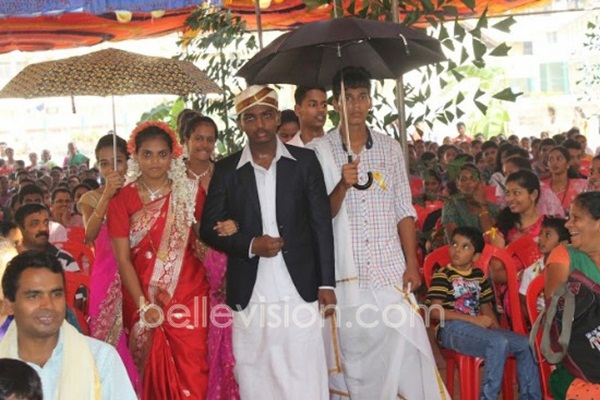
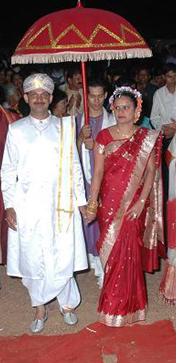
In the early days the traditional wedding dress worn by the bridegroom was a short loin cloth (kachhen or dhoti) with red and gold hem (todop), a shawl to cover his shoulders, a red handkerchief (leis) on the head and a shirt with gold buttons and a coat (kutav). The bridegroom wore a chakrasar-neck chain and a pair of sandals or a pair of socks.  The groom also wore the “Urmbal” (head gear).  The traditional unbrella used was a big umbrella with 10 sticks “Damaskachi Satri” depicted by the red unbrella.

Mangalorean_Catholic_wedding_costumes

Traditional wedding costume

Bellevision traditional wedding garments

Bellevision.com traditional wedding garments

On making enquires with friends I was told by Lydia Vas that her mother, who married in the year 1939 wore a ‘heavy embroidered skirt’ for her wedding and ‘chinelem‘ for footwear.  While researching on this topic I came across the “pano bhaju” and “chinelos” which is the attire of Goan catholics and quite believe this could have been the dress adopted by some brides in ealier times due to our Goan history.  Her mother-in-law though, wore the kirgi baju.

Goa tourism pano bhaju chinelem

GoaTourism – Pano Bhaju & Chinelem illustration
Kirgi Baju

Traditional Kirgi Baju

kirgi bhaju costume

Traditional Kirgi Baju

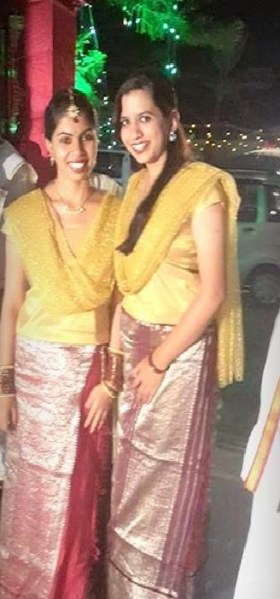
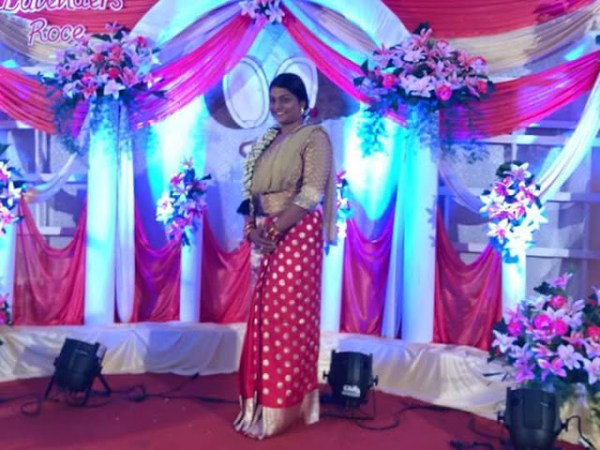
In fomer days the bride used to wear a “Kirgi” and a “baju”.  Kirgi is a piece of cloth 4 feet long and 3 feet broad wrapped waist down around the body.  The baju is a long sleeved jacket to cover the upper part of the body and covered with a veil in V shape.

After the wedding ceremony the bride would change into the “Sado” when she gets her pallu “Worl” to symbolise the change from spinster to married.

In today’s day the Kirgi Baju is worn by the bride for her roce and the kirgi is usually made from the bride’s mother’s wedding banarsi saree “sado”. 

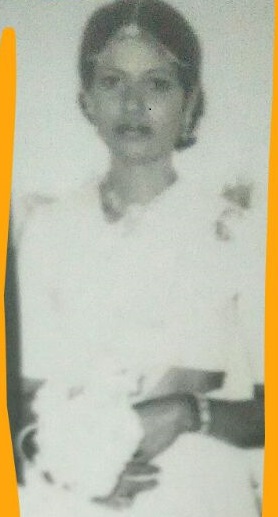
In later years the wedding dress gradually changed to the bride wearing a white saree but the bridegroom wore the dhoti and kutav. 

IMG-20180317-WA0009 (1)

Bride in white saree

Then & Now:

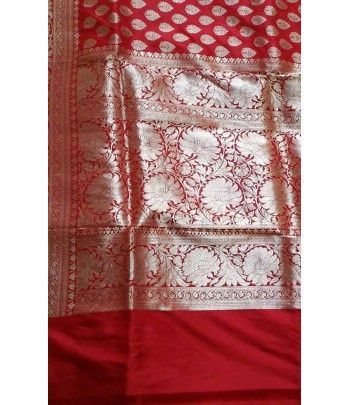
The traditional wedding saree worn by the bride is known as Sado and is presented by the groom. The second wedding saree is the dharma-sado  (also referred to as Sado vailem) which ranks second to the sado, also an expensive saree, and is presented to the bride by her mother/family (in some instances the bridegroom may voluntarily pay for the dharma sado and the sado as it was in my case).  The third saree is the “maipano” given by bride’s mother.  For my ‘porthapon’ I wore the dharma-sado and then changed into the maipano at my mother’s house. 
Red Banarsi

Sado

Sado veile dharma sado

Dharma-Sado

Sado maipano

Maipano

It was and still is customary to present sarees to the female members of the family and some female wedding guests, especially by the bridegroom and male family members and children and some guests also received presents of clothes.

Now:

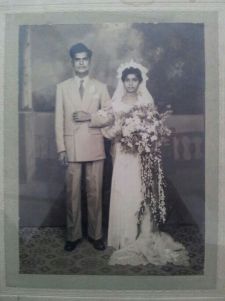
Now and in recent years bridegroom wears a suit without hat and the bride wears the white dress. Below are the wedding pictures of my late parents married 63 years ago, my wedding 36 years ago and most recent is my son, but all these weddings took place in Mumbai City hence the western influence however, the tradition of the bride changing into the sado (as in the traditional wedding costume pictures above) was maintained and still continues.

Brides and grooms in Mangalore also have switched to the western style of dress with Sado ceremony.
MaiPapawedd pic

My parents wedding 1955

Rudy Cecilia wedd (1)

My wedding 1982

376278_10100864179294703_832128952_n

My son’s wedding 2011

Then:

Wedding Ornaments

It was common practice to call the goldsmiths to the house to prepare the ornaments.  The traditional gold ornaments worn by the bride were:

  1. Pirduk-gold chain with black glass beads with a pendant also called mangalsutra which used to be tied by the mother-in-law. Another form of pirduk was a pendant with a cross studded with precious stones. To the top of the cross was a dove, symbol of the Holy Spirit minin” and sorpoli worn on a gold chain (without beads).
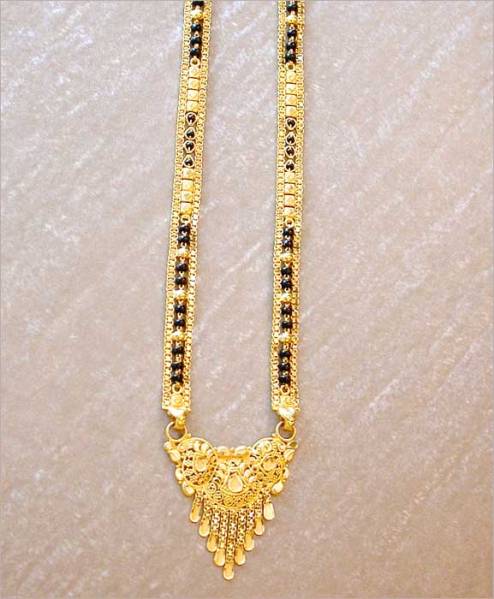
    Gold_antique_mangalsutra[1]

    Pirduk – Mangalsutra/Karimani

IMG-20180307-WA0004

Sorpoli with minin

Sorpoli with Minin

Sorpoli and Pirduk with Minin (Updated 4th October, 2021)

(Lately made by Mrs. D’souza who was kind enough to share

the picture with me for posting it here for the benefit of my viewers)

jewellery_cross1 (2)

Pirduk (Cross pendant) with Minin (Dove)

The cross design was mainly the ‘Trinity cross’ with a dove on top of the cross.

jewellery_trinity cross1 (1)

2. Kanti-necklace of gold beads or red coral and gold beads, various types as shown below.  Understand these are nowadays usually worn by senior married women.

Pouli corals

Coral Kanti

Coral and gold beads necklace

Coral Kanti

kanti

Gold oval beads Kanti strung on gold chain

GLAcharya Jewellers updated

Necklaces usually worn by elderly married women

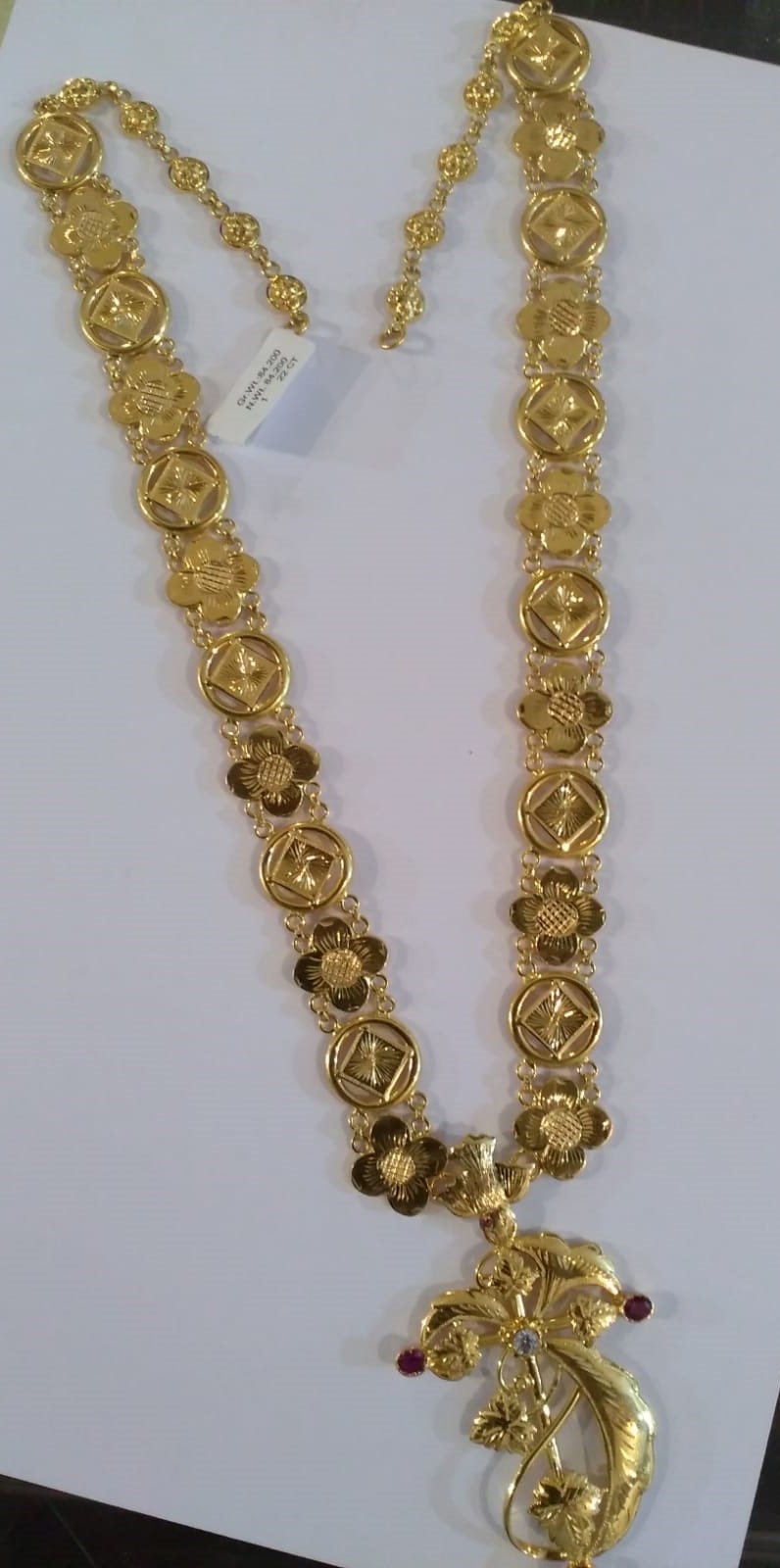
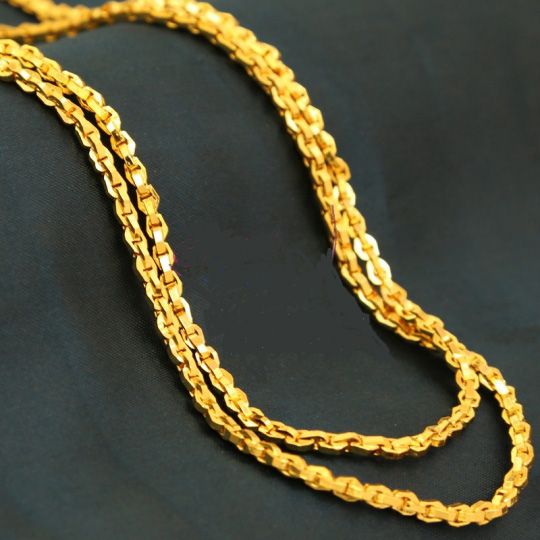
3. Chakrasar– Neck chain worn by men and chain of small round gold plates woven one into the other and forming a long chain, worn by women (also worn by Hindus).
ythy._men-and-women-long-gold-plated-chain-22-inches

Chakrasar – neck chain worn by men

Chakrasar Bride

Chakrasar – Bride

Gold Bead chain

Lakshmi Sara – Bride

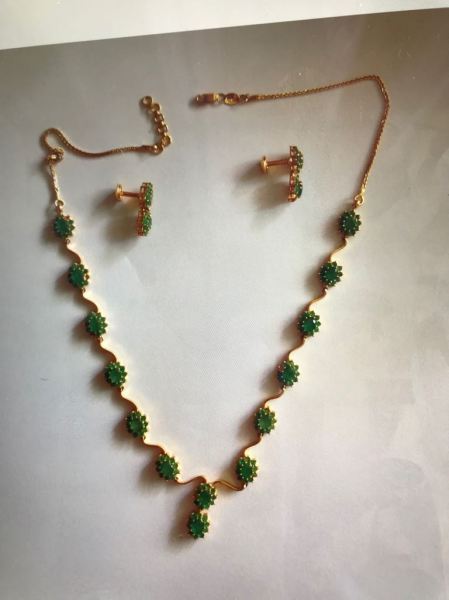
4. Fugador – Necklace of large green stones mounted on gold,
IMG-20180309-WA0008

Fugador

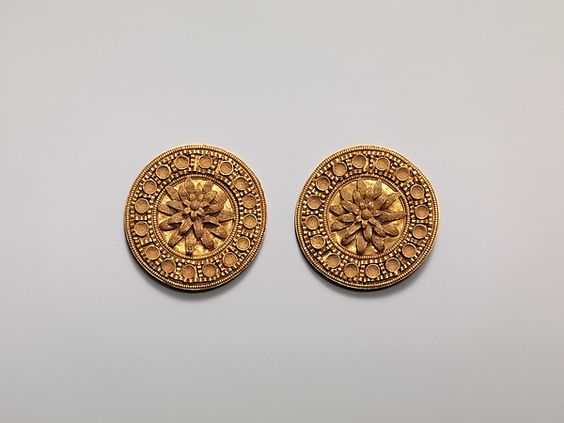
5. Kap – Round disc ear ornament inserted into the lobe of the ear. It is still the typical ear ornament for married women in Canara. But in later years the Kudkan became more common, which is a round gold disk surrounded by precious stones.
Earing discs ancient

Kap – Indicative

vajra_kutka_diamond earings

Kudkan

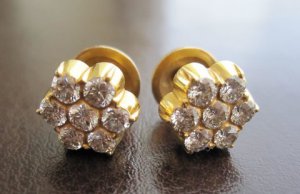
Diamond ear studs

Kudkan

6. Karap – Inserted in the middle ear with a thin gold chain attached to the hair,

Earing_with_chains[1]

Karap – Indicative

7. Mugud – Worn on the top of ear, a gold disk surrounded by pearls and attached to the hair by a chain,

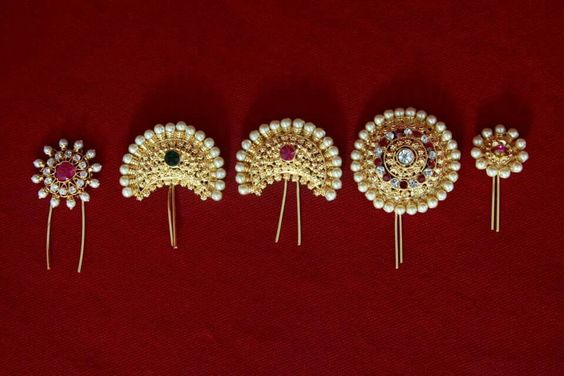
8. Kanto – Gold or silver pin with a gold head stuck through a bun at the back of the head.
c0686b24fccab8626c247d8f6d89e852

Kanto – Indicative

Gold hair pin with gold head

Kanto – Indicative

9. Dantoni – Two ordinary pair of combs with the top plated in gold and worn in the head on both sides above her ears.
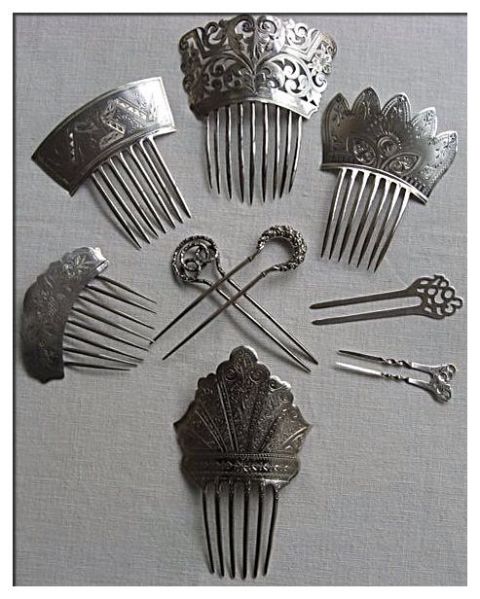
Antique silver hair combs southerbellekari

Dantoni  – Indicative

10. Masli-two more combs with a figure of fish in gold inserted in each comb,

11. Bang-gold chain with pendant in the centre of the forehead and hair parting,
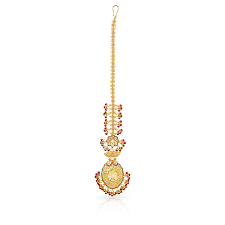
Bang

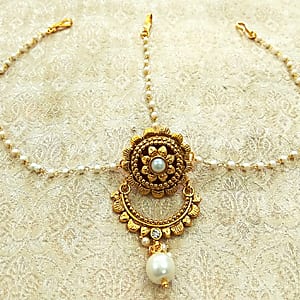
Bang (Maang Tikka)

Maang Tikka Traditional

Maang Tikka with chain

Bang Bride

Mangalorean Catholic bride wearing Bang with chain

12. Rings – on her hands several rings
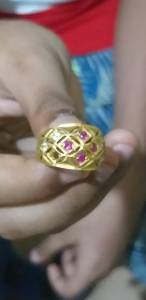
jewellery ring

Traditional Ring design

13. Bangles – Three sets of gold bangles
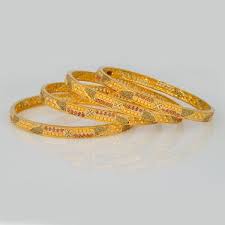
Bangles

14. Red Glass Bangles – plus some red glass bangles which are worn with sado.

red bangles lastbustovasco

Now:

Wedding Garments

Sado, dharma-sado and maipano and additional sarees may be purchased and as tradition dictates some close family female wedding guests are also presented sarees and male guests also receive presents of clothes. For the nuptials a white dress or saree are worn and the changing into the Sado is done mid-way at the wedding reception.

Wedding Ornaments

The basic jewellery is now a modern necklace, gold chain with pendant and bangles, much less jewellery than in the past. The mangalsutra is paid for by the bridegroom which he puts on the bride.  The mangalsutra though is simply a symbol of the married state adopted from old hindu traditions and is part of a social custom.  The Catholic Church recognises only the wedding bands” that are exchanged in the church and therefore only the wedding rings are blessed and witnesses testify to having witnessed the exchange of the rings.

Gold wedding bands

Wedding Bands

As explained in “Finalising the alliance – Sairik” the concept of Dowry has now changed from “cash” to “kind” – Gold what the Bride brings with her (based on her financial status) and 50% share of the wedding expenses.
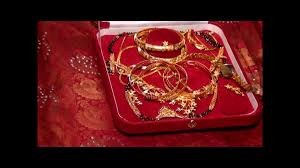
Modern bridal jewellery

Modern jewellery

gold-mangalsutra-big6

Modern Mangalsutra

Latest southindian Gold-bridal-jewellery-collections-2016

Modern necklaces

Usually the parents of the bride and groom and some elders from both families go together to pick the bridal sarees and jewellery, an event which would take almost the entire day and also provides a good opportunity to bond with the new relatives.

The brides’ jewellery and the wedding sado (although purchased by the groom is given to the bride for having the blouse etc. tailored) are to be taken to the grooms house by a couple of elders of the brides’ family a day or two before the wedding as “denem“.  The denem articles are displayed by the grooms mother to her family and guests and is brought to the church wrapped in a red velvet or satin fabric as these are to be carried to the church alongwith the Jasmine and Aboli (Crossandra) flowers by the bridegrooms family so that they can be blessed during the general blessing at the nuptials and then taken to the reception. The bridegrooms family is responsible for dressing the bride in the sado, flowers and ornaments.
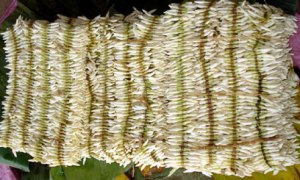
shankarapura-mallige

Jasmine mangalore flowers

garden-crossandra-string

Aboli flowers

Special thanks to Mrs. Lydia Vas for her valuable input and for sharing some jewellery pictures and Mrs. Diana D’souza for the picture of the bride in white saree.  Truly appreciate your efforts.  Thanks also go out to Mrs. Janet D’Souza and Mrs. Jenifer Dias for the additional jewellery pictures.

Previous Post:Bachelor Bachelorette Party Bridal Showers

Next Post : Wedding Invitation “Voulik”

References: Severine Silva and Stephen Fuchs & Victor D’sa, S.V.D.: The Marriage Customs of the Christians in South Canara, India, wikipedia, Bellevision, Goa Tourism, Konkani State Vishal Gomantak

Marriage customs and traditions – Bachelor Bachelorette Party Bridal Showers


STEP 5

Then:  Pre-Marriage Lunch/Dinner invitations

Upon conclusion of the formal engagement and a wedding date fixed, the soon to be bride and groom would be invited for lunch or dinner by their respective friends, relatives and neighbours, not together but separately.

18202163-beautiful-girl-with-flowers-in-hairThe girl was dressed up nicely for the occasion and put red flowers in her hair and was sometimes invited by her hosts to stay overnight and a bath was prepared for her. These invitations expressed the loving sentiments and respect the hosts had for the girl and her family.   Close family relatives could not easily excuse themselves from these invitations, which were expected to be returned when a wedding was to take place in the family of the hosts.
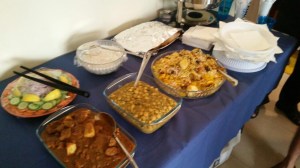
Family dinnerI do recall my elder sister who got married 39 years ago, being invited for a meal hosted by our Aunt and I had accompanied her as I was her brides-maid. Some of our other relatives and neighbours too may have also invited us but can’t recall.

Now:

Not sure if the above mentioned beautiful and sentimental custom is being followed due to present day busy lifestyle.

downloadThe custom now though is the Bachelor/Bachelorette also called hen-do-clipart-17‘Hen’ parties or ‘Bridal Shower’ hosted by the bridesmaid and groomsmen or close friends which signifies a farewell to his bachelor days and her spinster days.  These parties are based on Western traditions and are to some extent ‘wild’ parties giving the guests an opportunity to let their hair down, so to say, especially the bride and groom to celebrate for the last time their spinsterhood/bachelorhood.


However, in order to throw some light on these western inspired customs, the origin of the Bachelor party was in actual fact a black-tie images (4)event hosted by the groom’s father to raise a toast in honor of the groom and his bride.

Bachelor party is also known as Stag Party, Stag Night, Stag Weekend and takes place shortly before he enters marriage.

Bride-Image-900x675Equivalent to the Bachelor is the Bacholerette party for the bride which is also called Hen’s Night (Europe), Stagette (Canada).

 

To keep celebrations ‘sober’ and trim costs, it is becoming increasingly common to have “Stag & Doe”, Jack & Jill, or Stag & Hen parties, i.e. a joint Bachelor/Bachelorette party.

Hen & Stag Party

images (3)


Bridal Shower (celebrated mainly in U.S. & Canada) is as the name suggests, a gift-giving party for the bride to shower her with gifts.  It is said that bridal shower originated out of earlier dowry practices in Europe (and I thought dowry system existed only in India) when a woman’s family could not provide a dowry or if the father did not approve of the marriage, the friends of the woman got together to bring gifts and provide financial assistance so she could marry.  Bridal Showers are bridal-shower-300x300held 2 to 6 weeks before the wedding and traditional gifts are for bedroom or kitchen to help the bride start her new home, but nowadays the usual gifts are personal items for the bride, like sexy lingerie or sleep wear.
Bridal Showers usually take place in the afternoon (lunch) or evening (if only snacks are served) and all invitees are expected to bring a small gift for the bride and hosting is done by a close friend or one or more bridesmaid/s or the maid of honour.  Guests would typically be the bride’s close female friends and family members. In general, those who are invited to the bridal shower would also be invited to the wedding.  Opening of the gifts is done with some pomp, either before the meal or after and not during the meal.

tzmtqkk9ljalaixlagc3

There is nothing wrong in having both a Bridal Shower (2 to 6 weeks ahead of the wedding) and a Bachelorette (couple of days before the wedding). Much planning goes into these parties today so that the bride and the guests have a great time playing games, dancing etc. and there are numerable ideas and themes available on the world wide web.

Previous Post: Reading of Banns                   Next Post: Wedding Garments & Jewellery

References: Severine Silva and Stephen Fuchs & Victor D’sa, S.V.D.: The Marriage Customs of the Christians in South Canara, India, Wikipedia


Marriage Customs and Traditions – Reading of Banns – Chiti Vaschyo


STEP 4

banns-of-marriage-600x296

Introduction:

The word “Banns” is simply a “proclamation” traditionally announced and published in the home parishes of both the girl and the boy on three Sundays or Holy Days of Obligation before the marriage.  This law was decreed in 1215  and is commonly associated with the Catholic Church and the Church of England. The purpose of announcing the ‘Banns’ was to enable anyone to raise a canonical or civil legal impediment to the marriage so as to prevent invalid marriages.  Impediments vary but would normally include a pre-existing marriage that has been neither dissolved nor annulled, vow of celibacy, lack of consent or the couple being related within the prohibition degree of kinship. This act was meant to prohibit clandestine marriages and elopements by the underage. Reading of marriage banns was an important rite without which a marriage was considered null and void, unless a marriage licence was obtained instead.

marriage-licenseMarriage Licences began to be issued by a Church or a State Authority in the 14th century, to permit a marriage which would otherwise be illegal. There were always people who were in a hurry to marry for various reasons and didn’t wish to wait for the usual period for the three banns to be read; in such cases and with special approval and payment of a higher fee a marriage licence was issued giving the couple the necessary permission to be married.

In early days most of the people shared personal bonds with their neighbours, their communities and members of their parish and knew anyone and everyone in their neighbourhood but in later years with people becoming increasingly mobile, changing their domicile and emigrating to newer lands for jobs or other purposes, it became increasingly difficult to “know” all the people living around you or to be acquainted with all the people belonging to the same parish. Therefore, in 1983 the requirement of reading the banns was abolished by the Church as it’s usefulness in determining whether there were impediments to a marriage became limited for reasons stated. But many parishes still continue to publish marriage banns and it is still one of the requirements for marriage.

Then:

Before the Mudi  both parents of the bridegroom and bride would have approached the priest and informed him of their mutual intention to marry and would then fix the marriage date with the priest who records the names and details of the bride and groom and instructs the young couple in the duties of married life and tests their knowledge of the Christian faith and the prayers. The fee given to the priest was a banana bunch, a cock and some money.  Reading of the banns is an important rite following the engagement. The banns are read on three consecutive Sundays before the wedding date and the two persons concerned are present when the banns are read out. It is a matter of pride for the couple and their families.  If the wedding is to take place in an emergency an exception was made and the banns were read on one Sunday only.  Of course this required special permission from the priest or bishop and also higher fees!!

The formula for reading the banns :-

Devache Kurpen kazar zata puth avnkar Gregory, Balthuzar Saldanhanaso and dhu Juliana, Juze Almeida d’ Sachi Hi zavnasa (poli, dusri, thisri) chit. Konichi adkol asa pirge-jecha vodilank tilsunk.

Meaning:

By the grace of God, the bachelor son, Gregory, of Mr. Balthuzar Saldanha, is going to marry the daughter, Juliana, of Mr. Joseph Almeida. This is the (first, second, third) reading of the banns. In case anyone has any objection to this marriage he had the obligation of informing the ecclesiastical authorities.

 Now:

2015-12-08-18-05-20

Once the couple informs the priest of their mutual INTENT to marry, they must register and attend the marriage preparation course and prepare the required documents which are sent to the respective parishes.  Gone are the days when a church wedding could be performed within a week of the girl and boy meeting and accepting each other. These quick weddings used to be quite common prior to the 80’s and mostly between a foreign returned boy and local girl in India.

Curch notice board bannsBanns now are read/published on one Sunday only.  In Kuwait the banns are just put up on the church notice board for a week or two without any formal announcement during mass.

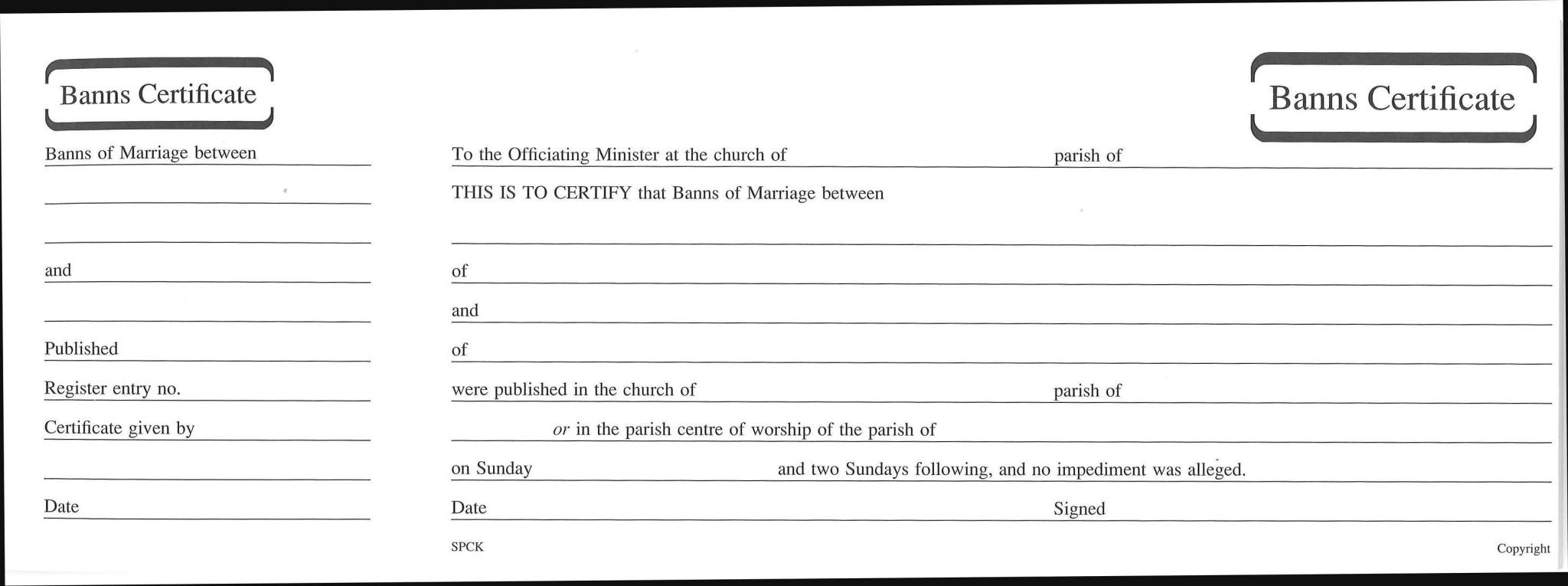
 

Today, the procedure from registering of INTENT to marry until the marriage dossier is complete, is a protracted and lengthy one between both the parishes of the couple. If the marriage is to take place in a church other than the parish then that Church too is to be involved in the required procedures. A minimum of three months to a maximum of one year is required depending on the rules of the respective Churches  involved, to complete all formalities and necessary paperwork like Registration, NOC, Marriage preparation course certificate, Proclamation of banns certificate, etc.

07-3004banns-6Once the banns are published and the results of the banns obtained, the Banns Certificate is issued to proceed.



In that it is worthwhile accessing the respective church website and checking out the marriage FAQs and procedures before approaching the church. The basic documents required to register are:-

  1. Baptism certificate (not older than six months)
  2. Your Passport copy or photo ID
  3. 2 Witnesses
  4. Boy must be not less than 21 years and girl not less than 18 years of age.

It is interesting to note how the wording on the Banns have evolved over time:

  1. 16th & 17th Century, only the names of the couple and the parish were mentioned.

2. 18th Century, fathers names were included (but not the mother as all women were considered fathers’ property even if they were married).

Example of the wording was as follows:-

  • By the grace of God, the bachelor son, Gregory, of Mr. Balthuzar Saldanha, is going to marry the daughter, Juliana, of Mr. Joseph Almeida. This is the (first, second, third) reading of the banns. In case anyone has any objection to this marriage he had the obligation of informing the ecclesiastical authorities.

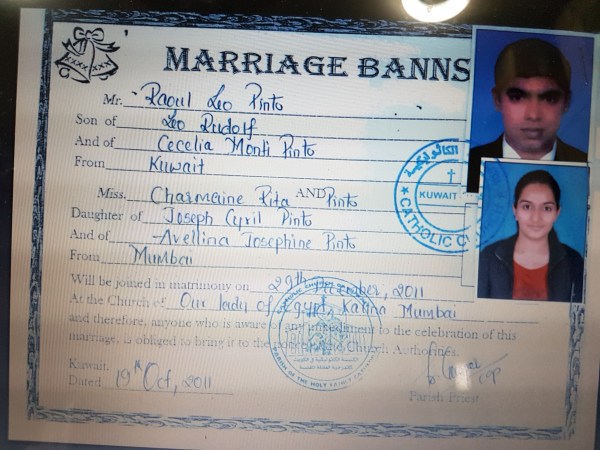
3. In today’s time, names of both parents are stated.
Banns RaoulCharm


Reading of Banns is therefore an important rite and does not apply to mangalorean catholics alone but to all communities that follow the catholic or christian faith.
Previous Post : Engagement Mudi                      Next Post: Bachelor/Bachelorette Party


References: Severine Silva and Stephen Fuchs & Victor D’sa, S.V.D.: The Marriage Customs of the Christians in South Canara, India. Introduction source, Wikipedia.


Mangalorean Marriage Customs and Traditions – Engagement Mudi


STEP 3

Engagement Mudi

While, “finalising of the “Sairik” is the formal acceptance of the promise made by the bride’s father to the groom’s father that he will give his daughter in marriage; the Engagement or the Ring ceremony i.e. “Mudi” is a mutual promise of later marriage and is a solemn and religious ritual. The Engagment may take place months, weeks or days ahead of the marriage. In some cases the engagement period may also last for a year or more.

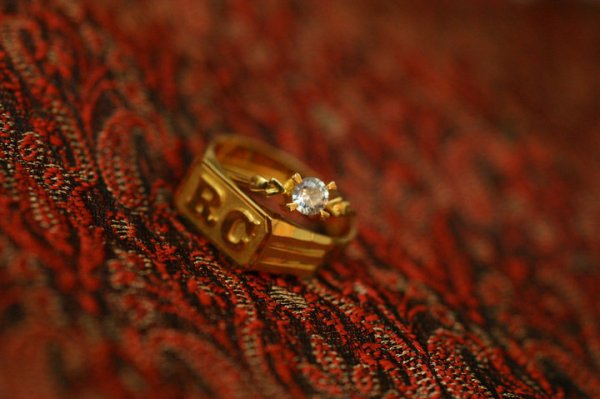
wedding-ring-finger

Engagement “Mudi”

Then:

The bridegroom would go to the girl’s house with his parents and close relatives on the engagement day. The priest would bless the engagement ring in the church or in the bride’s house and the bridegroom would put the ring “mudi” on the bride’s left ring finger symbolizing his claim on her.

He then presents some gifts like rosary, handkerchiefs, prayer book, perfume, cosmetics, etc. to the bride.

The bride then shows the gifts to all the guests. After the engagement the groom takes the bride to his house to acquaint her with his relatives and to show her his property. When such an engagement breaks, the mudi has to be returned to the bridegroom but the presents are not returned.

Now:

Engagements are optional but more formal if it must take place. Invitations are sent mostly through social media. The ceremony takes place either at the house of the bride or at a party venue officiated by a priest who blesses the mudi (rings) followed by cake cutting, raising of the toast.

58234_836118409983_1106470_n

Gifts given to the bride are jewellery and saree which the bride changes into during the function and sometimes the boy also changes his attire.  March-past, dancing, dinner, etc. in short a mini-wedding! Guests would be only close family and friends and all expenses are borne by the brides’ family.

My son Raoul’s engagement was at a hotel venue hosted by my daughter-in-law Charmaine’s parents and officiated by Rev. Fr. Jerome Pinto, Charmaine’s maternal grandfather’s brother.

526065_433750943342047_883322718_n

47476_459940930114_6281328_n

The gorgeous engagement cake was made by my sister Zenia “Julianz.in”.

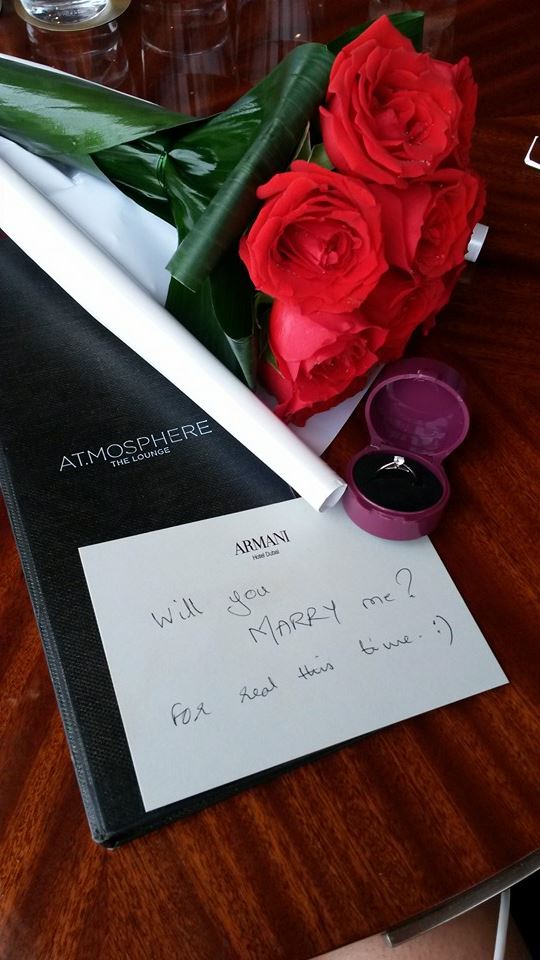
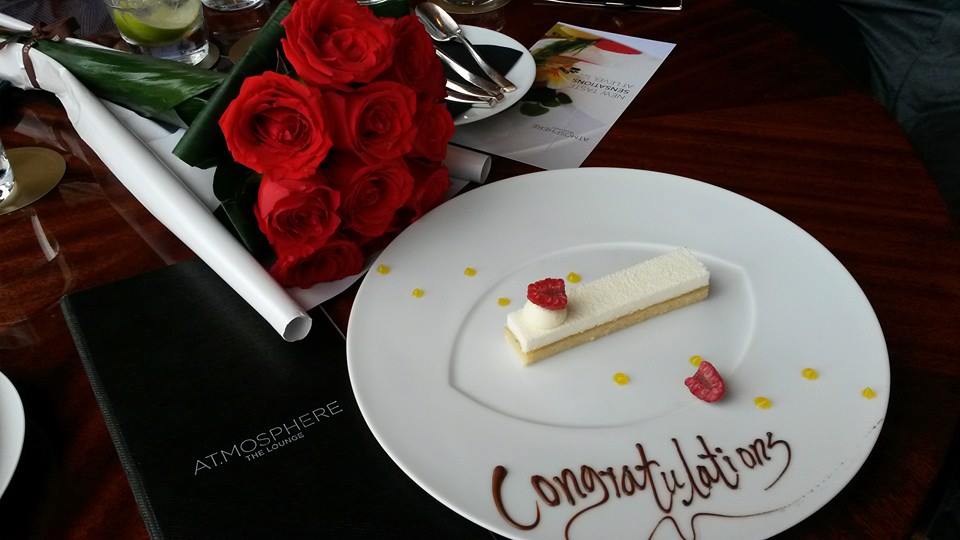
Nowadays engagement function is optional and replaced with a formal “proposal” especially in love-marriages where the boy throws a surprise for the girl (with just the two of them) and “proposes” with a ring (usually diamond!) at an exotic location, etc.

My son Rohan opted for the western style of proposing and took my daughter-in-law Valencia to Dubai to the Burj Al Arab’s “Atmosphere” restaurant on the 123rd floor to pop the question!

10382849_10154131207035251_54346878714995795_n10407012_10154131223650251_1643925479311536320_n


CIVIL Marriage or registered marriage is now compulsory effective 12 April 2012. This registered marriage is an important proof of marriage and also gives it a legal status. Civil marriage can be registered at a Marriage Court any time before or after the formal wedding.

Previous post: Finalising the Sairik                                 Next post: Reading of Banns

References: Severine Silva and Stephen Fuchs & Victor D’sa, S.V.D.: The Marriage Customs of the Christians in South Canara, India


Mangalorean Marriage Customs and Traditions – Finalising the Alliance Sairik


STEP 2

Then:

After the match was agreed, photos exchanged and approved, a day was fixed to visit the girls house to see the girl. The father, the boy, a maternal uncle and one or two close friends or relatives and the malo or gurkar*1 proceeded to the girl’s house to see the girl.

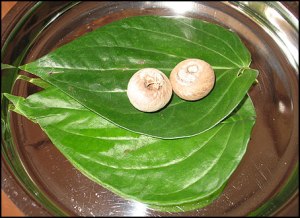
Pan podWhen they arrived they were welcomed with Pan-pod (betel leaf, betel/areca nut arranged on a plate) and udak (water).  This custom of offering pan-pod’ and udak is still symbolically practiced for all important ceremonies by many and is considered a mark of respect to the visitors and guests to whom it is offered.  This is clearly a survival of the Hindu wedding-ceremonies adapted by the Christians.** 2.

The girl was then called under some pretext.  She was asked to fetch water from the well or to place some object in the courtyard or to serve coffee to the guests.  The bridegroom and his father thus had an opportunity to observe her. The girl of course knew the reason she was called and would feel very shy.

If the grooms’ party approved of the girl the amount of dowry (dot), property and position and the family background was discussed in the girls house.  Amount of dowry differed according to the status of the family and it was considered a status symbol to pay an enormous amount of dowry.  Dowry was given by the bride’s father around two weeks before the wedding with great solemnity in the presence of many witnesses in the house of the bridegroom. To celebrate this occasion pan-pod was distributed i.e. a plate with pan-pod was passed from the bridegroom’s side to the bride’s party and vice-versa. This exchange was called badalchen (changing hands). A packet of pan-pod was also sent to the Parish Priest and to the other relatives as a seal to the final sairik.  With the dot, the bridegroom bought the jewellery especially the mangalsutra which was called ‘moni’ (silver beads in those days), gifts and clothes especially the “sado” red wedding saree for the bride.  When fixing the wedding date, certain days of the week and leap year were considered inauspicious.

Now:

sweets

Gifts of sweets

Fruit baskets

Gifts of fruit

In modern times an alliance became an even more intricate matter. Enquiries were made on sickness, physical and mental defects, etc. in the family and even remote relationships were minutely discussed.  These enquires were often so detailed that it gave rise to the proverb “Bara kathi jartalyo”  (to fix an alliance the soles of the feet are worn off twelve times).

In arranged marriages, it is appropriate to finalise the alliance. A day is fixed for the parents and few elders of the grooms family to go to the bride’s house to formally accept the bride into their family and to finalise the alliance “sairik’.

My elder son had an arranged marriage and the groom, the eldest aunts and uncles of the groom (from both sides of our family i.e my side and my husband”s side), me and my husband (eight of us) went to the bride’s house. It is customary to take some gifts of sweets, fruit and flowers to the girl’s house.  Additional gifts are given by the boy and his parents as a formal welcome to the girl, could be a watch, jewellery, saree, etc. These gifts depend on personal choice.

Mogra flower stringsIMG_4211IMG_4220

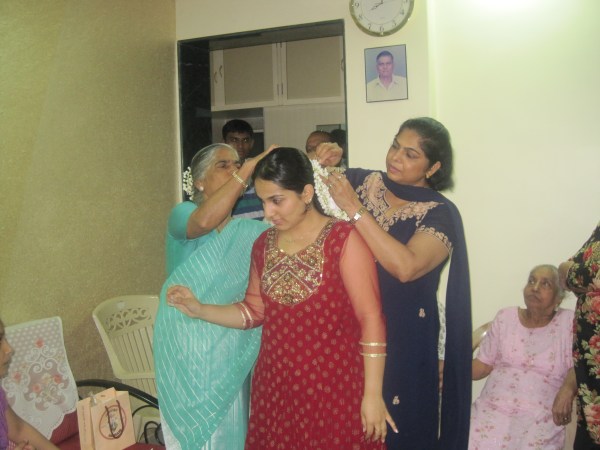
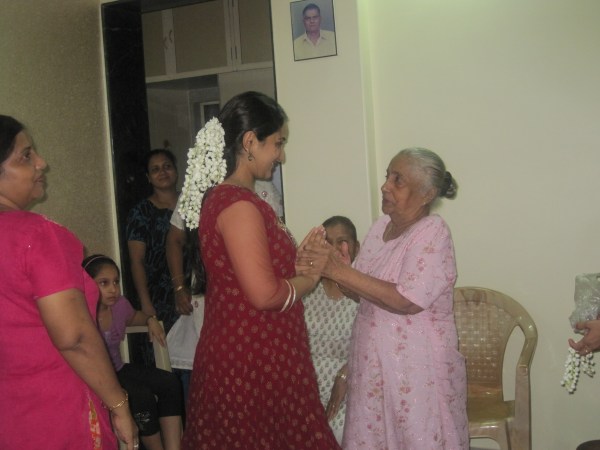
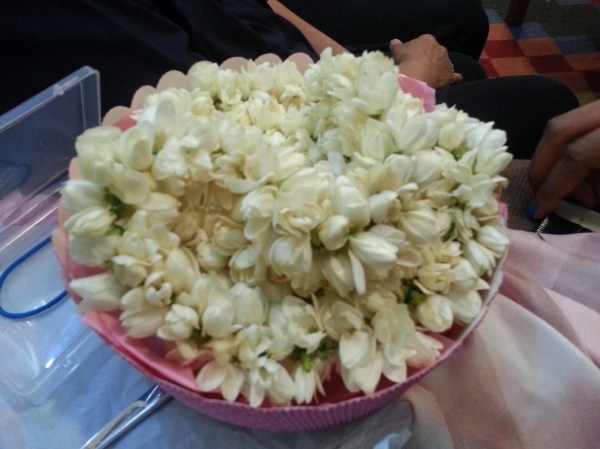
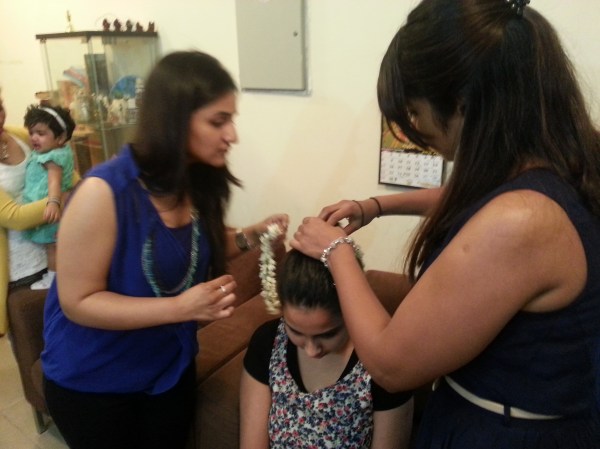
Flowers are put in the girl’s hair by the boy’s family once everything is finalized and sweets (instead of pan-pod) are distributed to seal the proposal.

In modern times dowry has lost it’s former importance, though it is still demanded in villages. However, the boys father or an elder relative would usually specify that they don’t want any dowry but that anything the girl’s parents wish to gift their daughter would be welcome and this is called denem (instead of dot). In this case, the girl and her family would buy her jewellery and sarees and the boy pays for the mangalsutra  (moni) and the sado and is also free to give more sarees or jewellery if he so wishes. This denem is then to be delivered to the groom’s house prior to the wedding day. (More on that will be covered later in the section “Wedding garments and Jewellery”). Other wedding plans are discussed and more often the wedding expenses are shared by the boy and the girl and their families. A wedding date would also be discussed, etc. and in todays time, any day of the week or even leap year is not considered inauspicious.

This custom of finalizing the sairik is for those who wish to follow some traditions otherwise like in love-marriages mutual consent becomes more important rather than parents decisions and the parents are just kept informed of the preparations and would generally just go along with the arrangements.  Yet, it would certainly be a beautiful gesture for the boy to seek the blessings of the girls parents.  His family may also formally ask for the girls hand in marriage.

20140613_19232320140613_19243020140613_192417


My second son had a love-marriage and we did go to the gir’s house to finalise the alliance as stated above as we felt it is important to give the bride and her parents due respect and importance.


*1.Gurkar system: As only a few priests had accompaned the Christian emigrants to Canara, it was impossible for these priests to look after them properly and they therefore made use of the gurkar system and appointed men of good moral character as headmen in the Christian settlements.  The gurkars also known as Social leaders was appointed for each village and in the Christian villages they had also to replace the absent priest and therefore acquired more influence and importance.

** 2.Hindu wedding ceremonies adapted by the Christians : Christianity was established in Canara in the 16th Century when the Portuguese made themselves masters of Mangalore and other coastal ports when Canara was placed under the ecclesiastic jurisdiction of the bishop of Goa in 1534. Immigration of newly converted Christians from Goa also started on a vast scale and coincided with the introduction of the Inquisition in Goa in 1560. The rules of the Inquisition forbade the observance of any traditional Hindu customs after conversion and those who refused to comply were forced to leave Goa and settle outside the Portuguese dominion.  Some went to the Deccan, others to Canara.  The second emigration from Goa was in 1683 when Goa was invaded by Mahratta chief Sambhaji and many Brahmins fled from the Bardes District in Goa and settled in Canara. These Chistians who fled continued to practise their christian faith after they left Goa which proves that they only wanted to observe their ancient social customs which had nothing to do with religion.

Previous Post:  Match making – Sairik                               Next Post: Engagement – “Mudi”

References: Severine Silva and Stephen Fuchs & Victor D’sa, S.V.D.: The Marriage Customs of the Christians in South Canara, India


Mangalorean Marriage Customs and Traditions – Match making


STEP 1

Image result for cupid free picture

1.MATCH-MAKING – SAIRIK

Then:

Marriages were predominantly arranged by the parents with the assistance of a match-maker (sairikecho malo) man or (sairikechi mali) woman, who were the important link between the parents and the prospective bride and groom and these match-makers were also considered professional and very influential persons. Once the marriage was finalized the match-maker was handsomely rewarded with money, sarees and expensive gifts.

Now:

Although arranged marriages are still prevalent, parents and potential brides and grooms resort to advertisements, marriage bureaus, matrimonial websites, if they have not already found a match for themselves as in “love-marriage” where mutual consent is of primary importance and parent’s consent becomes secondary. I personally know of many a successful marriage through websites like Shaadi.com. Several matrimonial websites exist like bharatmatrimony.com etc. For a more focused search on Mangalorean partners, Daijiworld.com offers paid advertisements. You can also advertise on Mangalorean.com. Catholics in general can also place advertisements at a nominal cost of Rs.100/- in the print edition of the ‘Examiner’ (a catholic newsweekly) by the Archdiocese of Mumbai.

Parents also discuss their aspirations with close relatives and friends to find suitable match for their children. Even in today’s fast-paced lifestyle where young boys and girls have far more opportunities to socialize, yet it does become a challenge to find the right match when marriage is being considered and although many would shun arranged marriages they do exist in modern society. Today’s match-maker can even be from one’s own peer group and not necessarily an elderly professional match-maker. Match-makers are rewarded even today but more often a saree would suffice. For those using matrimonial websites, would be worthwhile considering a premium subscription which would give better results in finding suitable matches.

Restrictions in Match-Making

Then:

Age of the girl had to be between 15-18 and the boy some years older. Boy had to be taller than the girl. Inter-caste marriages were not allowed and generally the marriage partners had no say in the matter. When I say Inter-caste here I am not referring to  Christians and non-christians but between the caste “Kuli” system retained by the Christians at the time which was the same as they had in Goa prior to their migration to Mangalore (Canara). The four castes were, in order of hierarchy – Brahmins (Bamons), Charodis, Shudras and Gaudis. So a Bamon boy was obliged to marry a Bamon girl and a Charodi boy had to marry a Charodi girl and so on.  However, later on it was acceptable for a boy of a higher caste marrying a lower caste girl but a lower caste boy was not accepted by a higher caste girl. Marriage between cousins was prohibited and so was marriage between members of the same parish which implies that marriage between members of the same village was also not allowed as these members who were attached to one parish felt like close relatives. Also a boy could not marry before his sisters and a younger sibling could not marry before the elder.

Several proverbs illustrate facts on choosing the bride and groom:

  1. Chedun adijai pioshilem, Ani jot adijai lagshilem

Meaning …

“A girl should be brought from a distant place; But a pair of bullocks should be bought in

the neighbourhood”.

  1. Avoik polovn dhuvek vhor, Dud polovn moshik vhor

Meaning…

“Take the girl after looking at her mother; And take the she-buffalo after looking at the milk”

  1. Dubleanchem chedum adizai, Grestak chedum dizai

Meaning….

A girl should be chosen from a poor family and should marry into a rich family

Now:

In the literal sense these proverbs would be outdated but figuratively do seem true even today. Most of the above arranged marriage practices have now been given up. Girls and Boys now choose to marry in their late 20’s and early 30’s. Education, professional career development and compatibility of the partners is given more importance and parents generally are more liberal today allowing children the freedom to decide their personal choices. ‘Live-in’ partnerships before stepping into a more permanent relationship of marriage are gradually growing and being accepted by society, the reasoning being that the couple should “KNOW” each other before marriage.

Personally, though I wouldn’t grudge a live-in relationship, I do not agree to the reasoning, as no amount of “knowing” your partner would guarantee a successful marriage. Each marriage or partnership requires a tremendous amount of effort, compromise, adjustment, understanding, commitment, acceptance, faith, trust and respect from both partners. Even if you have known your partner for a day, a year or ten years, eventually compatibility issues would creep in and the bottom line would be how much one is willing to compromise and sacrifice in the interest of their family. In today’s day we feel sorry to see so many marriages breaking-down over trivial issues which can easily be resolved with a little bit of patience and understanding. From my experience I have seen that eventually the difficult phase is overcome, patience and humility being the key.

Previous Post  : Marriage customs and traditions

Next Post: Finalising the Alliance

References: Severine Silva and Stephen Fuchs & Victor D’sa, S.V.D.: The Marriage Customs of the Christians in South Canara, India


Mangalorean Marriage Customs and Traditions


Image result for mangalorean catholic wedding
Traditional Wedding
376278_10100864179294703_832128952_n
Modern Wedding

Introduction:
My interest in Mangalorean customs and traditions now takes me to “Marriage” customs and traditions and although not an expert in this genre, I have always aspired to know and learn more. Having done some research on this subject coupled with some of my life experiences, I have chosen to write on the “Mangalorean marriage customs and traditions” for the benefit of those who have limited knowledge and are seeking some guidance on this issue.

Marriage is a sacred institution, a blessing from God and this is a universal truth. Marriage customs and traditions however, differ from country to country, community to community and in India from culture to culture.

Indian weddings are extravagant and full of grandeur. The rituals in the olden days were far more elaborate than today where most of the customs are ignored or overlooked and weddings are shortened from the customary ten days to maybe two or three days maximum. The contemporary wedding receptions on the other hand are held on such a grand scale which more than makes up for the entire ten day celebrations of yester year.

Many today aspire to follow the traditional customs even with limited resources and in limited circumstances if only to define the rich mangalorean culture that we should all be proud of. Many of the customs are also similar to Goan marriage customs due in fact to our ancestral links.

In an effort to remind us of the old customs and to apprise of the modern day customs, I will briefly describe the Mangalorean marriage customs and traditions “Then” and “Now” and in the sequence they were performed.

1.Match-Making “Sairik”

2.Finalising the Alliance “Sairik

3.Engagement “Mudi”

4.Reading Of Banns “Chiti Vaschyo”

5.Bachelor/Bachelorette Party

6.Wedding Garments/Jewellery “Sado” ETC.

7.Wedding Invitation “Voulik”

8.Wedding Pandal/Gifts of Food Etc. ” Kazara Matov”

9. “Vojem” etc.

10.Dot and Denem

11.Roce Ceremony

Laudate Psalm

Voviyos

Wedding Songs

12.Nuptial Blessing “Resper”

13.Wedding Reception “Kazara Jevon”

14. Mother-In-Law’s Gift of Ring to Son-In-Law “Maain Mudi Shivnchem”

15. Solemn transferment of Bride to Bridegrooms’s family “Opsun Divnchem”

16. Return Dinner “Porthapon”

17. Conclusion & Post wedding ceremonies

N.B.: I am open to accepting research projects on Culture and Traditions. Please email me with your requests at Cecilia65@gmail.com.

Thank you.

Continued………………. 1. Match-Making “Sairik”

References: Severine Silva and Stephen Fuchs & Victor D’sa, S.V.D.: The Marriage Customs of the Christians in South Canara, India

Kulith (Horse gram) the poor man’s superfood!


Traditional foods

Kulith – Horse gram

kulith-and-moghe-curry-3

Kulith (Horse Gram)

Kulith sprouted vegetable (3)

Kulith (Horse Gram) sprouted

Kulith, horse gram, kulthi or madras gram is a poor man’s super food widely cultivated and consumed in mainly rural India and although it is a powerhouse of nutrients, the bean has sadly been ignored and overlooked in today’s modern day.

This post hopes to give this humble legume its due and to encourage you to cook and consume this nutrient dense bean called Kulith or horse gram.

Horse gram is light to digest, increases pitta and Rakta (blood) according to Ayurveda. The beans contain plenty of calcium, phosphorous, iron and has the highest protein value and is a high-powered legume which is why it is also used as a common feed for horses and so the name ‘Horse Gram’.

Soaking the horse gram overnight or sprouting it gives it a higher nutritive value and makes it more digestible. The soaked or sprouted bean also takes less time to cook.

Continue reading

Hotel Calcutta Kuwait – Valentine’s Family Lunch


February 2017

hotel-calcutta-2

Our Valentine’s family lunch this year was at “Hotel Calcutta”; the name clearly a misnomer for me as, in my mind it conjured up images of traditional Bengali cuisine known for its subtle flavors like the jhals, jhols, kormas, Posto, and desserts like Mishti Doi and Roshgollas and we were already discussing that we would skip the ‘Macher Jhol’, etc.  But the menu, though very limited, is predominantely influenced by the distinct Awadhi legacy of the Nawab era of the 1700’s which is derived from Mughlai cuisine. Typical Mumbai street fare like Pau Bhaji, Sev Puri, Bhel Puri, etc. has also made it to the menu and can be enjoyed in a 5-Star setting, not sure if these are also part of Calcutta street fare as I have not visited Calcutta. Continue reading

Thyme (Zaatar) the wonder herb


Published, 11th May, 2016


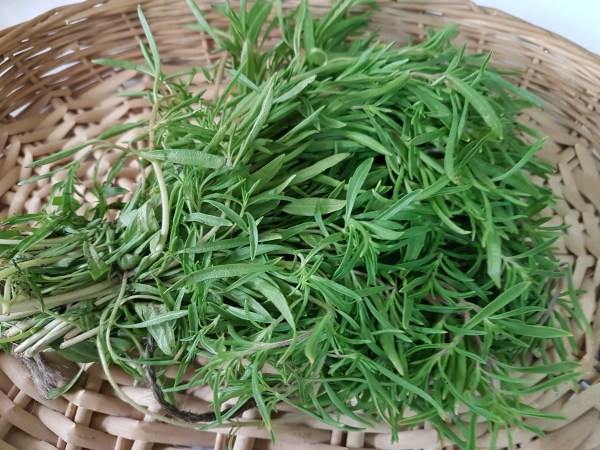
Thyme fresh (2)

Fresh Thyme

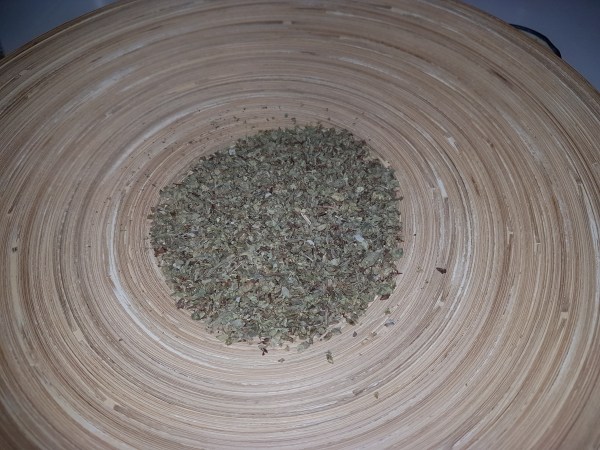
Thyme dried

Dried Thyme


Thyme fresh (1)


Thyme is a wonderful ingredient that’s used in cuisines around the world, particularly in France, Italy, across the Mediterranean and in the Middle East.

Za’atar is the Arabic word for Thyme  but Zaatar is also a prepared condiment generally made with ground dried thyme, oregano, marjoram, or some combination thereof, mixed with toasted sesame seeds, and salt, though other spices such as sumac might also be added.

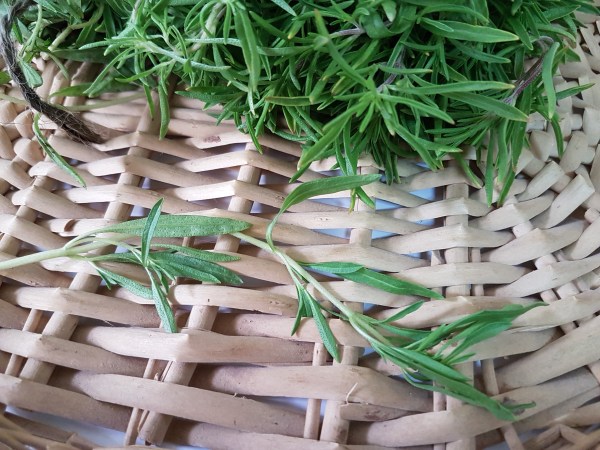
Thyme is a delicate looking herb with a strong penetrating fragrance and is a wonderful addition to bean, egg and vegetable dishes. Both fresh and dried thyme is available throughout the year.

Thyme has a long history of use in natural medicine in connection with chest and respiratory problems including coughs, bronchitis, and chest congestion and the health benefits of thyme are proven and  very real.

The volatile oil components of thyme have also been shown to have antimicrobial activity against a host of different bacteria and fungi and are packed with anti-septic, anti-viral, anti-rheumatic, anti-parasitic and anti-fungal properties, which explains why thyme-based formulas are used as an expectorant, diuretic, fungicide and antibiotic.

Thyme is also a powerful detoxifying agent, making it one of many liver detox foods. What’s more, the herb is a great immune system booster that encourages white blood cell formation while increasing resistance to foreign organisms.

Thyme as medicine

At the onset of a flu it is greatly advised to have Zaatar tea and I can swear by this decoction which not only helps flu and cold symptoms but also stomach and digestive tract ailments. Thyme herb tea is a popular health drink.

To Prepare the tea take 2 cups water and bring it to a boil then add 1 tsp. of dried sage, 3/4 tsp. dried thyme, 1/2 tsp marjoram and a 1/4 tsp. of rosemary.  Stir and switch off flame and keep covered to infuse for 10 minutes.  Strain and sip hot.

These four herbs are a must in my pantry and serve as a natural home remedy for a variety of ailments from stomach upsets to the common cold and influenza.

Thyme is effective against infections, most specifically respiratory and digestive. It can be taken for diarrhea, infections of the vagina including thrush and infections in the fallopian tubes. It has a relaxing effect on muscles in the bronchi and helps to relieve asthma, whooping cough, laryngitis, bronchitis and dry coughs. Mouth and gum infections can be treated with a solution made from as little as .1 percent thyme oil. Inhalation therapy is useful for those who suffer from chronic sinus infections. As an antioxidant, thyme protects the body from the effects of aging. As a stellar digestive herb, thyme can enhance appetite and digestion while stimulating the liver.

Thyme as food

For thousands of years, herbs and spices have been used to help preserve foods and protect them from microbial contamination, now research shows that both thyme and basil contain constituents that can both prevent contamination and decontaminate previously contaminated foods. Prior to the invention of the refrigerator, thyme was even used to help keep meats from spoiling.

It makes good sense to include thyme and basil in more of your recipes, particularly for foods that are not cooked such as salads. Adding fresh thyme and/or basil to your next vinaigrette will not only enhance the flavor of your fresh greens, but will help ensure that the fresh produce you consume is safe to eat.

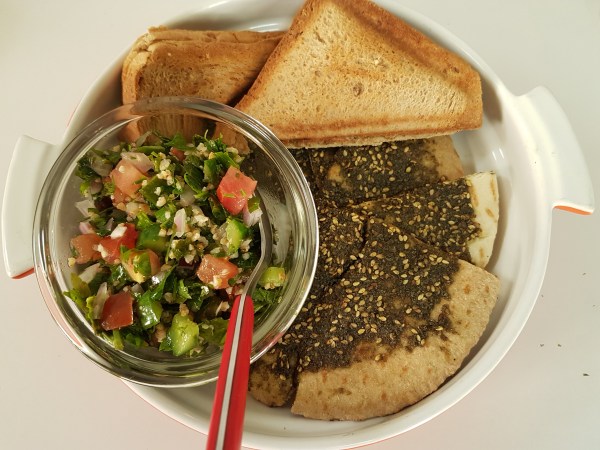
The ideal way to introduce Zaatar in our regular diet is to have it on bread. Having spent the last more than 30 years in the Middle East, we have grown up eating Fatayers (arabic pies with various fillings) and man’eesh bi zaatar (zaatar pastries). But an instant zaatar pastry can be made at home.  All you need is readymade zaatar, olive oil and arabic/pita bread. Zaatar goes well with white cheese or Labneh for breakfast and can be prepared as follows for a nutritious & healthy breakfast, meal, appetizer or starter.

Ingredients: 1 cup zaatar, Olive oil as required, various types of bread, Labneh if required.

Take the zaatar in a bowl and gradually add the olive oil and mix to a paste like consistency.  Apply on arabic/pita bread or any bread of your choice and toast in a preheated oven, pan or electric sandwich toaster till it heats through and the underside of the bread is slightly crisp.  If using labneh, apply to bread, sprinkle over with dry zaatar or apply the zaatar paste, cover with another slice of bread and toast in a sandwich toaster.

Serve with Tabbouleh for breakfast or as a starter or appetiser.

Zaatar (1)

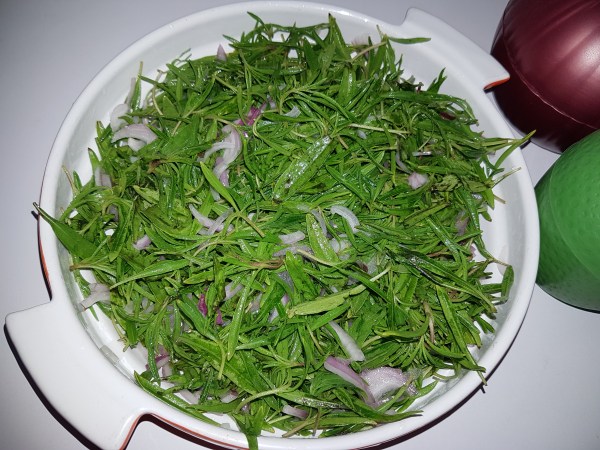
Fresh Thyme Salad  (Salatat Zaatar) Fresh Thyme Salad

20160509_200607

Fresh Thyme Salad

Ingredients

  • 1 bunch fresh wild thyme
  • 1 medium onion, finely chopped
  • ½ bunch green onions (optional)
  • 1 lemon, juice
  • 1 tbsp. olive oil
  • ¼ tsp. salt or to taste
  1. Clean the thyme and pick the leaves and tender stalks and discard the stems.
  2. Wash and drain well.
  3. Mix with the finely chopped onion, lemon juice, olive oil a d salt.
  4. Serve with a main course or with just some warm pita bread.
  5. Rocket leaves, mint and parsley may be added if desired.


Thyme is a nutrient-dense spice and is an excellent source of vitamin C, a very good source of vitamin A, iron, manganese, copper and dietary fibre. Whenever possible, choose fresh thyme over dried as it is superior in flavor.  The leaves must look fresh and be a vibrant green-grey in colour and free of dark spots and yellowing.

Fresh thyme should be stored in the refrigerator wrapped in a slightly damp paper towel. Dried thyme should be kept in a tightly sealed glass container in a cool, dark and dry place where it will keep fresh for about six months.

Thyme, either in its fresh or dried form, should be added toward the end of the cooking process since heat can easily cause a loss of its delicate flavor.

A Few Quick Serving Ideas

  • Add thyme to your favorite pasta sauce recipe.
  • Fresh thyme adds a wonderful fragrance to omelets and scrambled eggs.
  • Hearty beans such as kidney beans, pinto beans and black beans taste exceptionally good when seasoned with thyme.
  • When poaching fish, place some sprigs of thyme on top of the fish and in the poaching liquid.
  • Season soups and stocks by adding fresh thyme.

Ref: whfoods.org

Read more: http://naturalsociety.com


Easter Menu


Menu planning is essential for celebratory meal preparation.  Any recipe that requires some form of marination can be made a day ahead.  Spring Rolls and Potato chops can be made ahead except for the final frying. For spring rolls, make sure you place butter paper/baking parchment in between the layers to prevent them sticking to each other. Desserts too can be made ahead.

Liven-up your Easter celebration with these awesome recipes:

(Click on the pictures for a link to the recipes)

MENU OPTION ONE:

  • Mainly North Indian fare
  • Serve with any Indian bread
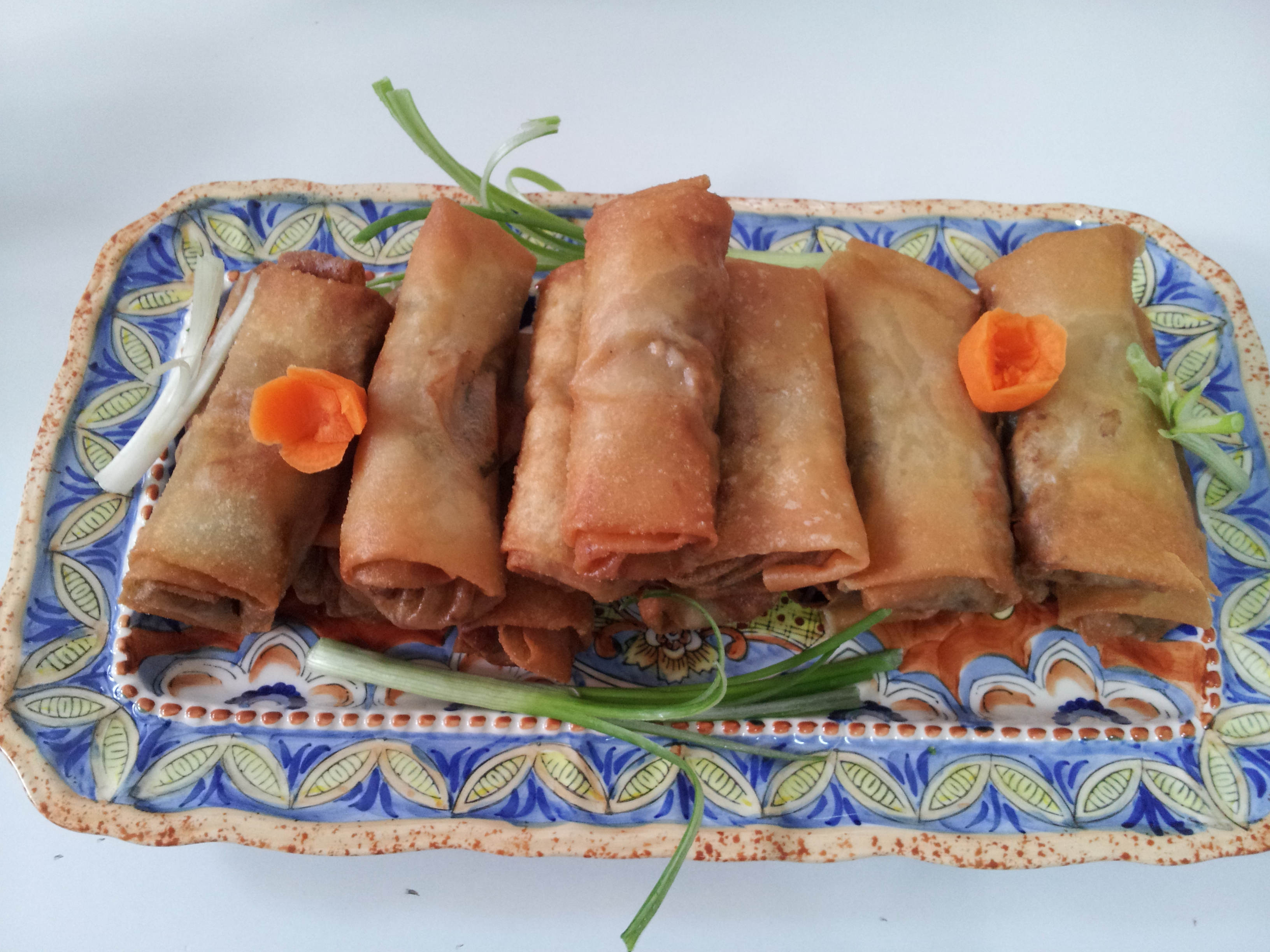
  • Starters: Spring Rolls
  • Dessert : Phirni

MENU OPTION TWO – “Mai’s Recipes”

  • Mainly Mangalorean fare
  • Serve with Sannas
  • Starters: Potato chops
  • Dessert: Egg Pudding/Caramel Custard

Making your own Marzipan Easter Eggs

Making Chocolate Easter Eggs

Menu Planning

Easter Eggs


A decade ago and very many years before that; come Easter season and I used to admire pictures of Chocolate Easter bunnies and eggs and Marzipan Easter eggs that used to appear in various magazines and wonder at the enormity of process making these gorgeous master-pieces.  I used think how difficult and impossible a task making them at home must be even whilst toying with the idea myself.  With three young children of our own and several children in the family and friends’ circle, it was a challenge to find “reasonably priced” good quality ‘edible’ easter eggs.

So about ten years ago when my niece Melissa (Dias) Pereira was in Kuwait and I was going through Femina which had pictures of the Easter Bunny, I wondered aloud how does one make these bunnies and to my great surprise she said “Aunty Zenia makes exactly these at home!”.  This was a revelation.  I knew my sister made marzipan easter eggs but had no idea about the chocolate ones.  As Melissa was due to visit Mumbai in the next few days, she volunteered to bring the chocolate molds etc.  and with my sister Zenia Machado’s recipes and tips and encouragement not to mention the chocolate molds, ribbons, wrapping papers, etc.that she was kind enough to send and by sourcing other things from local market, Melissa and I embarked on our first Easter Egg sale project in 2005 with these baskets, etc:

2005  Melissa & my first Easter Egg venture

Although it was a stressful two to three weeks of chocolate making in our spare time, I found it thoroughly rewarding and enjoyable even though it meant staying up late nights to fulfill orders and then having to rush to work early next morning. Both Melissa and my sister Zenia and I have come a long way since then….  Melissa is now settled in the UAE and works independently managing her cakes and confectionery business from home and my sister Zenia’s www.Julianz.in is well known in Mumbai!

That’s how my passion for chocolate making was stirred.  Since 2005, it’s been an On Off venture with my daughter Nicole joining the league since a few years…….would say we have acquired these genes from my mother and so it carries forth.  My husband Rudy has been a strong support and wrapping the chocolates has almost always been done by him.

2006 added the following and soft toys to the baskets :

2009 revamped and added a whole lot of new products some of which were made by my daughter Nicole:

2012 following Easter goodies made by Nicole, like Bunny and Egg cupcakes, Easter cookies and cake pops were added to the catalogue:

2014 added the following...

Since 2015 I have scaled down the venture and supply only to the local charity Easter bazaar held at a church/school. 2015 added Easter cookies:

Easter cookies

2016 made the following new product, half hollow egg with chocolates with almond, pistachio and cashewnut:

So much for my Easter ventures…….

Making your own Easter Eggs

In this blog I would like to share my knowledge and the art of ‘How to make Chocolate Easter Eggs’ to demonstrate step-by-step how easy it is to make your own!

The beautiful ‘blue’ colored nails and fingers are my younger daughter-in-law’s.  Valencia assisted me in making these Easter chocolates this year.

Ingredients and accessories

  • Chocolate Dark, Milk and White, as required
  • Chocolate molds
  • Rubber spatulas
  • Glass or ceramic bowls

Step 1 Melting plain Chocolate

Microwave method (I use this method)

Break or chop the chocolate and place in a clean dry microwave-safe bowl.  A glass bowl is best because it conducts the heat from the chocolate as it melts, and reduces the risk of over-heating.  For small quantities it is safest to use a LOW or MEDIUM setting.  For larger quantities and once you become experienced, use HIGH .  The table below should only be used as a guide because melting times vary according to the brand and type of chocolate, the initial temperature of the chocolate and the size and material of the bowl used.  Check the chocolate frequently and prod it with a spoon – it may look solid when in fact it has melted.  White chocolate will burn more easily so watch it carefully.  A few lumps that appear after microwaving will dissolve upon stirring and help bring the temperature down of the chocolate which is a key to tempering chocolate.  The super-market bars of cooking chocolate, also referred to as Baker’s chocolate, do not really require tempering but heating and cooling the chocolate (tempering) is important to avoid the patchy and mottled look, which doesn’t alter taste but wouldn’t give you the glossy professional finish.

Approximate melting times in a 650-watt microwave oven

QUANTITY                      LOW                   HIGH

  •  50 g (2 oz)                     5 mins                2 mins
  •  75 g (3 oz)                     5 mins                2 mins
  • 125 g (4 oz)                    5 mins                2 mins
  • 172 g (6 oz)                    6 mins               2 mins
  • 225 g (8 oz)                    6 mins               2 1/2 mins

Bain Marie (double boiler) method

Cut the chocolate into small pieces and put it in  the top of a double saucepan.  The bottom pan should  be three-quarters full of gently simmering water.  If you haven’t got a double saucepan, put the chocolate in a clean, dry heatproof, preferably glass bowl and set it over a saucepan that’s about one third full of gently simmering water.  The bowl should fit snugly over the saucepan so that no steam can escape  round the sides.  The base of the bowl or top pan should not touch the water below.  Heat the water gently but do not allow it to boil. Leave the bowl on the pan until the chocolate looks melted. Remove the bowl or pan  from he heat and gently stir the chocolate until it is completely melted.  The temperature of the chocolate should not go above 50 deg C (122 deg F).  If water or steam come into contact with the chocolate, the texture will be spoilt and the chocolate will ‘sieze’, that is it will turn into a solid mass and will not melt.

Step 2 Filling the chocolate molds

Using cotton wool or soft muslin cloth polish the insides of the Easter candy molds. Place on a tray or counter lined with  baking parchment.

Spoon the chocolate into the molds (do not over fill) and tap the mold lightly to smoothen the surface and remove air-bubbles, if any.

Step 3 Setting the chocolate

Place the molds in the freezer for a few minutes until set and the underside of the mold appears opaque.  If it has wet patches on the underside, then it is not fully set.  Keep a while longer.Easter Chocolates Eggs (19)

Step 4 Unmolding the chocolate

Remove molds from the freezer and unmold by turning the mold upside-down onto a flat surface. Tap the mold lightly to release the chocolate.  Leave to dry.

Step 5 Presentation

Finish by wrapping in colored chocolate paper and decorative boxes and ribbons.

Be creative and make chocolate eggs with fruit and nuts, rice krispies, praline, marzipan, truffles….

To make Hollow Egg:

Fill the mold with melted chocolate and place in the freezer for a few minutes till the sides are set but the centre is still soft.  Remove and pour out the soft chocolate from the centre.  Smoothen the interior of the egg with your fingers and place it back in the freezer until completely set.  Unmould and when dry join two halves together by applying some melted chocolate around the edges to form a full hollow egg. Prior to sealing the two halves, place some candy or small toy inside for a beautiful surprise for the kids.  Wrap and tie bows with colorful ribbons.

To make Chocolate with marzipan eggs:

  • Ingredients of Marzipan
  • 250 gm. Blanced almonds
  • 500 gms. Icing sugar
  • Rose water for kneading

Powder the almonds and mix with icing sugar.  Knead to a soft dough using rose water a little at a time.  Make small egg shaped portions depending on the size of the chocolate mold. The marzipan egg must be smaller than the chocolate mold.

Pour a little melted chocolate in the mold.  Place the marzipan egg in the centre and press lightly.  Pour more chocolate over the marzipan to cover and fill the mold.  Put in the freezer to set.  Unmold when the underside of the mold turns opaque.  Leave to dry, then wrap each half in choclate wrapping paper.  Place two halves together and wrap again in decorative paper for a full 3D egg!

Ref: Good Housekeeping

LEAVE A COMMENT :

← Back

Thank you for your response. ✨