Authentic tried and tested simple recipes in mainly Indian cooking, including traditional mangalorean, Goan, East Indian, North Indian recipes and much more…
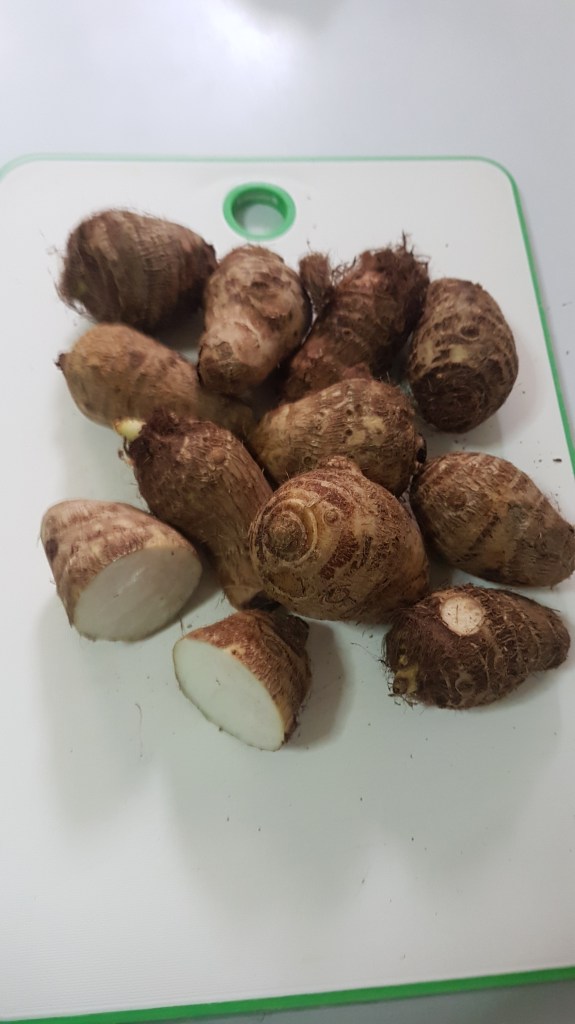
Taro croms (root) is also known as Arbi, Ghuiya, Colacasia root. The leaves are called colacasia leaves, Alun leaves, Pathra leaves. The root, stems and leaves are edible but should not be consumed raw as it containes toxic substances which are neutralised by cooking.
Taro is a tropical plant and consumption of both its root and leaves have many benefits namely, reduces infammation, controls cholestrol, boosts immunity amongst other benefits.
Available in abundance during the monsoons in India. It is also grown in African, Oceanic, Pacific and South Asian countries throughout the year. It is easily available in Indian, East Asian and Latin American Markets around the world and comes in various sizes from small to medium to large. When choosing Taro croms, pick those that seem heavy for their size, are firm and the hairy skin looks somewhat moist.
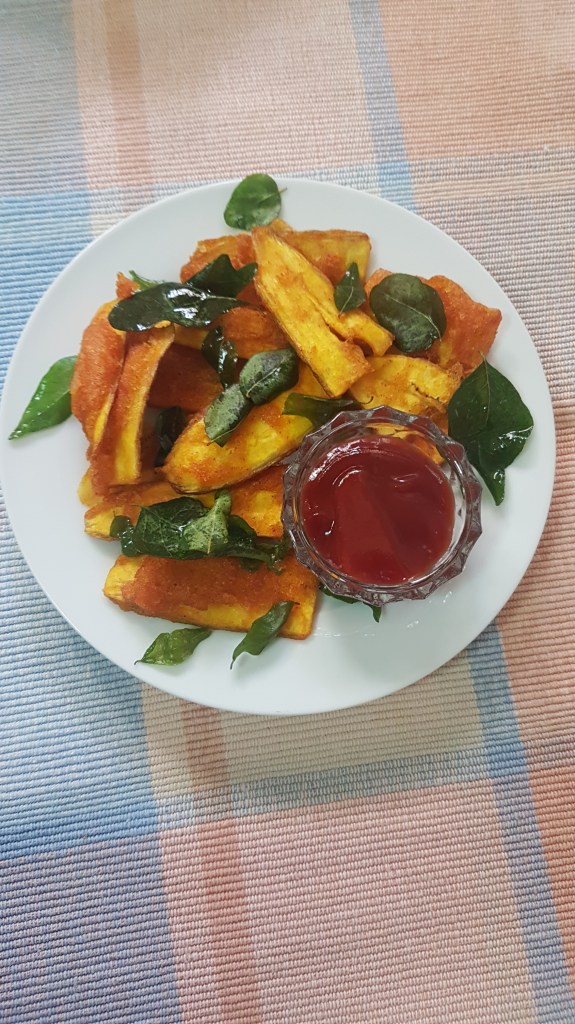
Taro Roots or Arbi can be prepared into various tasty snacks and vegetables, a few of which are mentioned below. Apply some oil on your hands when handling Arbi or wear gloves as it leaves a sticky liquid.
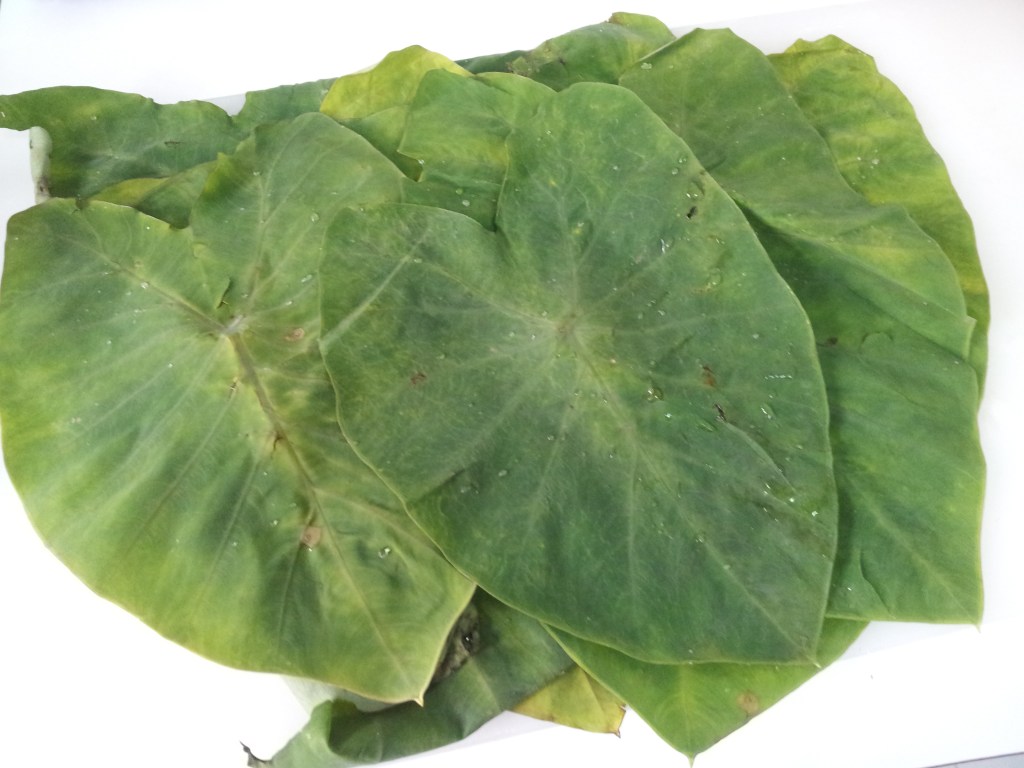
Taro or Colacasia leaves – also known as Colacasia leaves, Alun leaves, Pathra leaves, have an abundance of benefits and are most commonly used in the traditional mangalorean Pathrode and the famous gujarati snack Pathra (Alu Vadi). The stems of the leaves are also used in cooking and we usually make a curry by adding some legumes, etc.
It is beneficial to eat local and seasonal produce. Not only is it cheaper but also fresh as it is grown in local farms and the supply does not require transportation over days and weeks to long distances therefore the produce reaches markets quicker thereby preserving its nutritional value. Besides the nutrients lost due to contamination from pesticides etc. is eliminated as most local produce is grown organically. Any seasonal produce is naturally good as it supports the body’s nutritional requirements. Buying local produce also supports the local farmer.
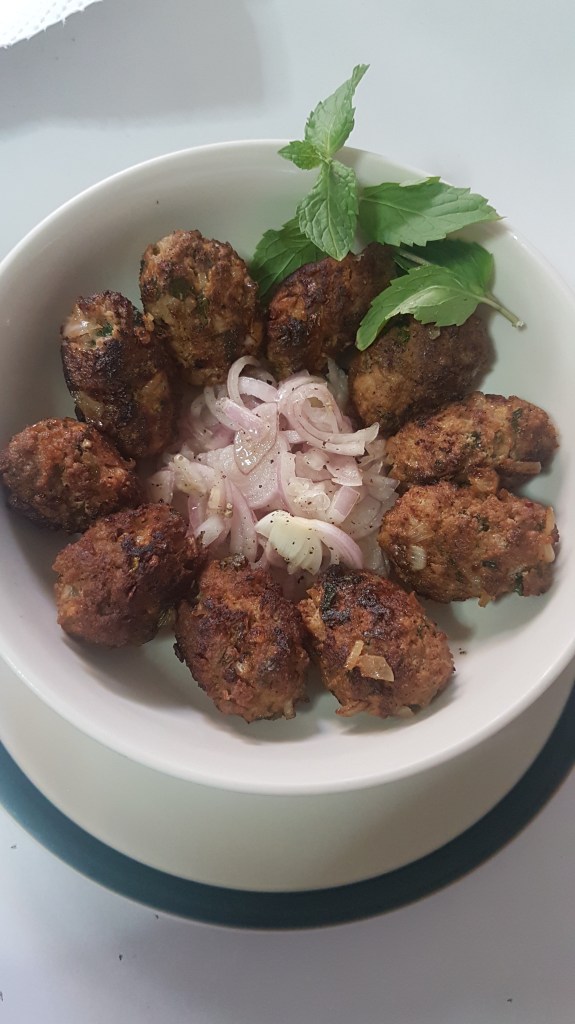
Kebabs are various grilled or baked meats cooked on skewers or may also be shallow fried on a pan. The meats typically used are lamb which is very common but chicken and beef are also used. Kebabs for vegetarians would include a variety of roasted or grilled paneer or vegetables on skewers or the Hara Bara Kabab.
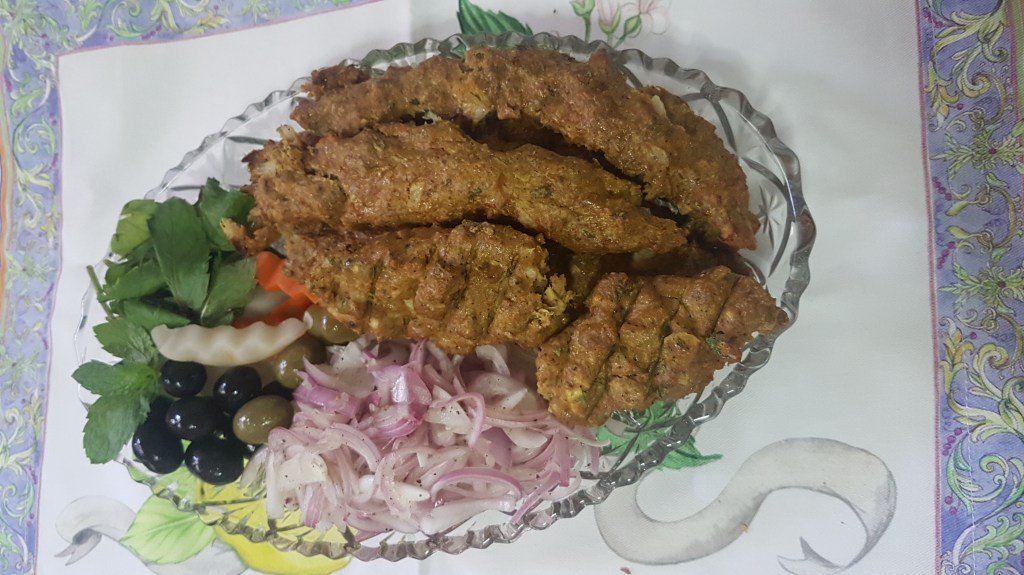
Here are three additional varieties of kebab using minced lamb/Beef and chicken which includes the delightful seekh kabab! The seekh kebabs are best roasted in an open outdoor grill, but can be roasted in a closed oven as well, as I have done. Besides, due to the Covid-19 lockdown there was no way we could venture outdoors!
The quintessential Seekh Kebab typically made of lamb or beef mince.
Typical daily diet for lactating mothers, to be followed for atleast one month after delivery.
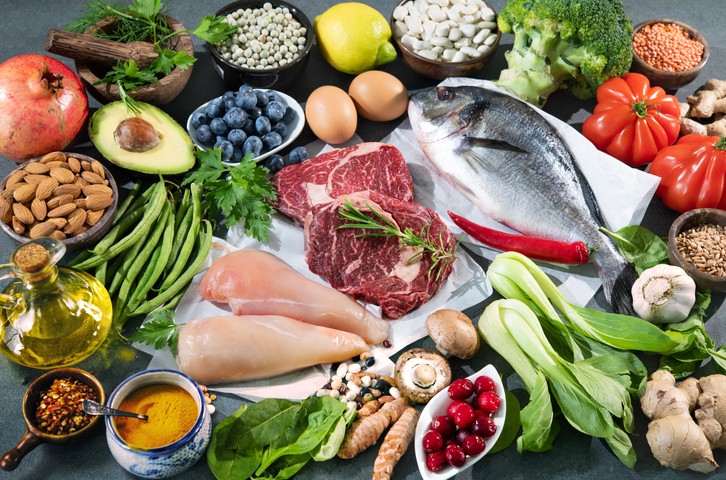
A constant dilemma usually faced is what to cook? and what to eat? and for women who have given birth many foods are restricted especially when breastfeeding their baby. Hence, the food choices get further narrowed down. This post is to alleviate some of the confusion as to the diet required to be followed by lactating mothers. Hopefully, these tips would also take away some of the stress in menu planning, faced by those caring for “mother and babe”.
Points to bear in mind:-
Include more of nuts, fruit, vegetables in your diet.
Meals should be light, freshly cooked and easily digestible.
Avoid packaged and processed foods, aerated drinks, alcohol and packaged juices. Fresh juices are preferable, include yogurt and buttermilk, if possible.
Use only healthy fats like pure ghee, coconut oil, olive oil, sesame oil for cooking.
Avoid heavily spiced food.
Limit sweets and fried food.
Avoid left-over food from previous day etc, as far as possible.
Avoid Pork and Beef.
Avoid Mackerels, Sardines, King Fish, Shrimps & Crabs, Shell-fish i.e. anything from the Crustaceans, shellfish, mollusks group.
Avoid potatoes, brinjals, starchy food and pulses to avoid flatulence and indigestion which can affect the baby through the breast milk.
Daily Diet Plan – Schedule is approximate and should be adjusted to suit your day. Most of the recipes are available on this site and can be accessed by clicking on the link. Additional options/recipes can be found in the book “Mais Recipes”.
Fenugreek/Ajwain (Carom seeds) tea 3 to 4 times a day or throughout the day instead of plain water.
To prepare Fenugreek Ajwain water : Add a teaspoon each of Fenugreek, Ajwain (Carom seeds), Cumin and Fennel (Badishep) seeds to one litre or 1.5 litres of water, bring to a boil, switch off flame, cover and let it infuse for 10 minutes. Strain and reserve, to be taken by the mother, preferably warm, throughout the day instead of normal water
On rising
Warm water or Ajwain/Fenugreek tea, 5 to 10 soaked almonds with 1 or 2 dates. (Pre-soak the almonds the previous night, next morning peel and eat).
Breakfast – 08:00 a.m. approx.
1.Preferably hot/warm breakfast consisting of either of the following options :
And for some quick breakfasts (especially for new mothers managing on their own without help) Toast n Boiled eggs, Bread Butter Jam, Cereal like corn flakes, Waffles, etc. are some options.
2. Milk, or tea coffee made with milk
3. A tablespoon of the lactating traditional preparation Thiklem.
Mid-morning: 11:00 a.m. approx.
Porridge made of oats, ragi (tisan), vermicilli, rawa, or bread butter with tea coffee made with milk.
Vegetables like, leafy greens, spinach, pumpkin, gourds, french beans, tendli (Ivy Gourd/Gherkins) yam (very good for internal healing), lady fingers, raw banana.
Similar to lunch options. With Rice preferably, or with any type of bread.
Bedtime: 10:00 p.m. (Optional)
Hot milk or Turmeric Milk (Haldi Doodh). Helps in healing and promotes good sleep, immunity booster.
To prepare Turmeric Milk – Boil one cup milk with 3/4 tsp. turmeric powder, 1 tsp. Misri (Candy sugar) or honey, 1/4 tsp. pepper powder. Sip slowly while hot. If using honey do not add while boiling, add after boiling, stir and drink hot.
Fruit – Anytime in between meals – Preferably seasonal fruit, Apples, Pears, Oranges, Bananas, Avocados, Cantaloup, Chickoo, Figs, Cherries, Grapes.
N.B. : Above is a guide for menu planning alongwith traditional mangalorean foods to consume while breastfeeding. Please bear in mind I am niether a dietician nor a nutritionist. The guide is what I have learnt from my mother and from elders in our family and from my personal experiences of giving birth to three children and having three grandchildren. As I have benefitted from these experiences, I am sharing the information. Please seek professional or medical advice when necessary.
‘Pole’ for Mangaloreans and ‘Kallappam’ for Keralites, these soft spongy pancakes can be relished with chutney for breakfast or even with jam, butter or eaten just plain dipped in your tea or coffee!! These dosas are quite popular in the South of India.
For lunch or dinner serve with a chicken curry, mutton curry or vegetable stew so the dosa mops up the delicious gravy giving you a succulent morsel of food thoroughly satisfying to your tastebuds and your tummy!
Set dosa can be made with sanna or dosa batter which uses rice and urad dal (black gram dal) as its ingredients.
The following recipe does not use urad dal but uses coconut and rice making the dosas lighter & spongy. The recipe is similar to Appam, but the consistency of the batter should be kept slightly thicker for making Set Dosas. The size is smaller than the Udupi masala or sada dosas. You can use a dosa pan for making them but a smaller cast iron pan or frying pan would give a uniform and perfect circular shape to these dosas.
Idli rice can be used, if available, but I used basmati rice with good results. If fresh coconut is not available, use ½ cup coconut milk or ½ cup coconut milk powder. If the batter is fermenting overnight, do check on it in case you wake up in the night (to drink water or use the washroom) and if it has risen but it is too early to make the dosas, promptly put the risen batter in the fridge and make the dosas once you are ready. You don’t have to worry about having to prepare them at 4 or 5 am just because the batter is fermented. The Batter will stay fresh in the refrigerator for 2 to 3 days.
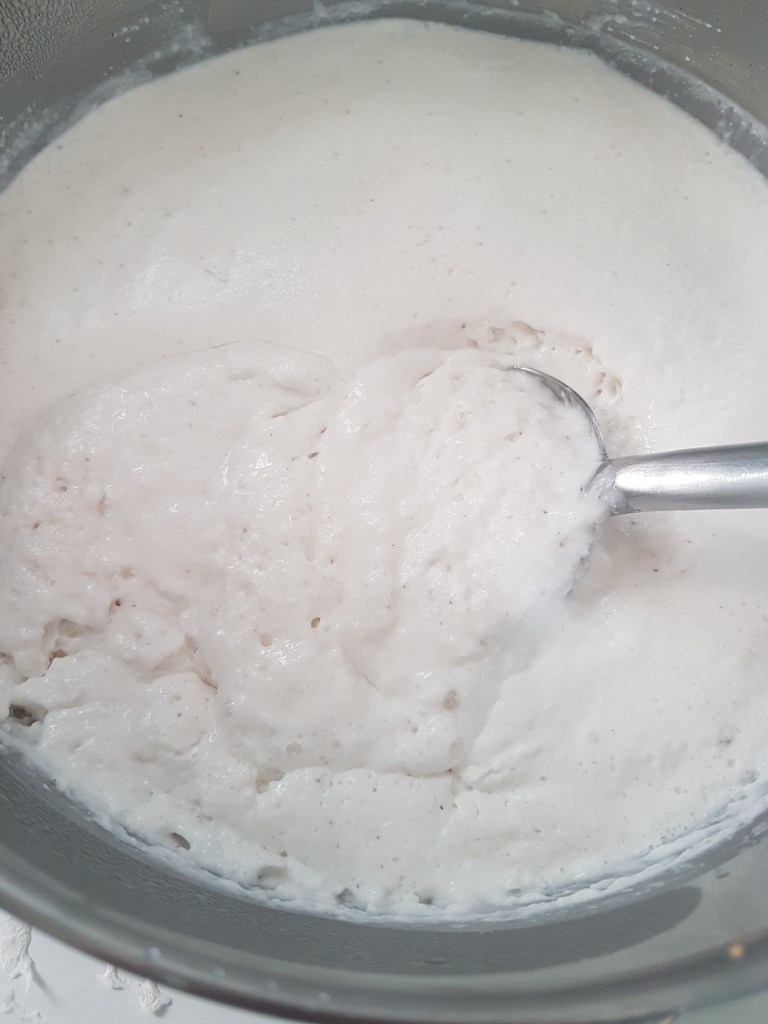
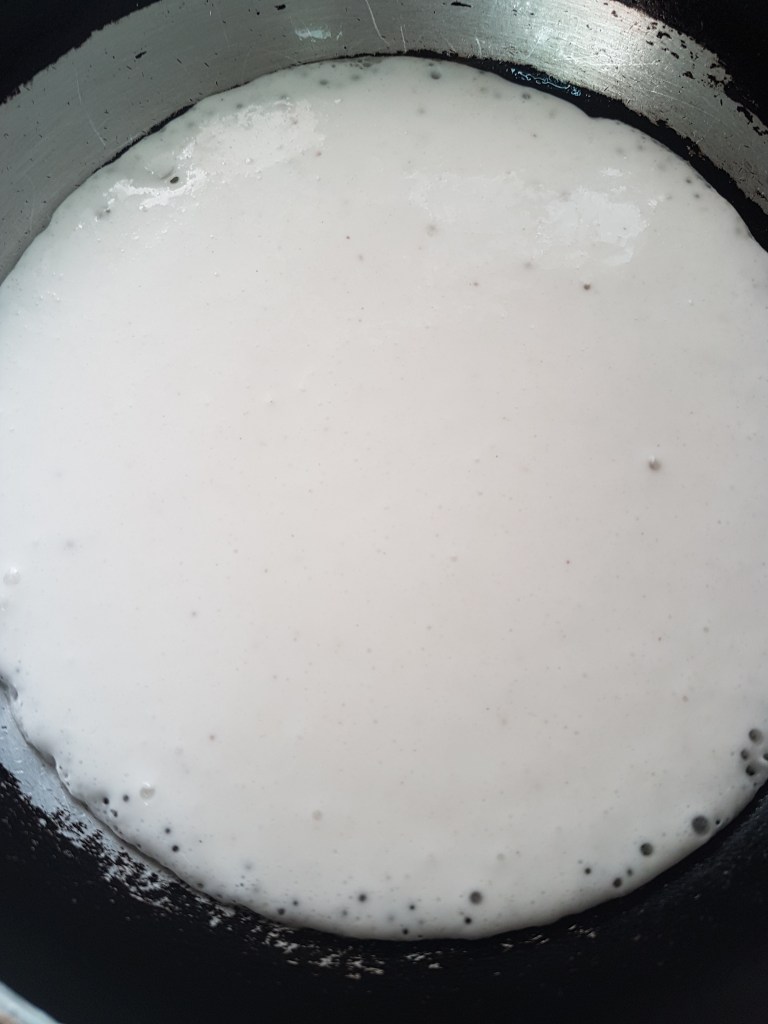
Soak the rice for 4 to 6 hours and grind to a thick paste alongwith the cooked rice and coconut. Mix the yeast with the sugar and warm water and leave to bloom for 10 minutes. Add to the rice paste, mix well and leave to ferment for 6 to 8 hours. Fermenting time will depend on room temperature. If weather is cold, use warm (not hot) water for grinding the batter. In warm weather it will ferment in 4 hours.
When the batter has risen, add salt and mix. Heat a cast iron pan or a frying pan on medium high heat until very hot.
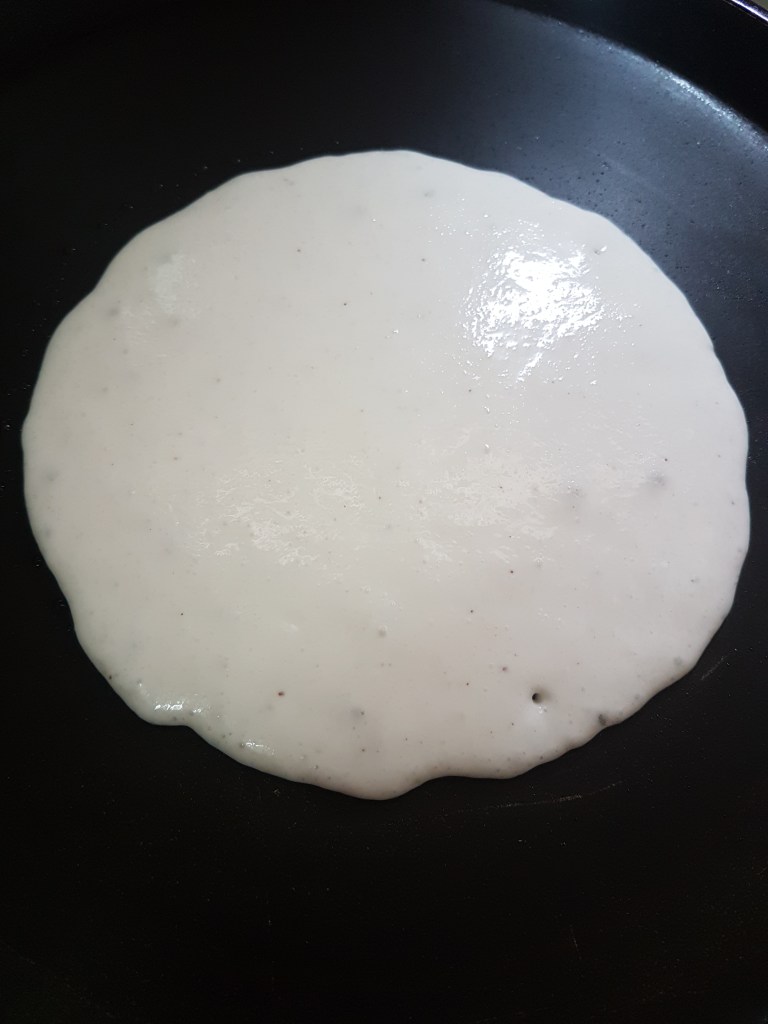
Pour one ladle or 1/2 cup of batter on the hot pan. (Do not spread the batter like you would do for the Masala dosa). Leave as is, cover with lid and cook till underside turns golden and dosa gets spongy and translucent and is covered with holes.
Soak the rice for 4 to 6 hours and grind to a thick paste alongwith the cooked rice and coconut.
Mix the yeast with the sugar and warm water and leave to bloom for 10 minutes.
Add to the rice paste, mix well and leave to ferment for 6 to 8 hours. Fermenting time will depend on room temperature. If weather is cold, use warm (not hot) water for grinding the batter. In warm weather it will ferment in 4 hours.
When the batter has risen, add salt and mix. Heat a cast iron pan or a frying pan on medium high heat until very hot.
Pour one ladle or 1/2 cup of batter on the hot pan. (Do not spread the batter like you would do for the Masala dosa). Leave as is, cover with lid and cook till underside turns golden and dosa gets spongy and translucent and is covered with holes.
If you wish you may turn and cook the other side.
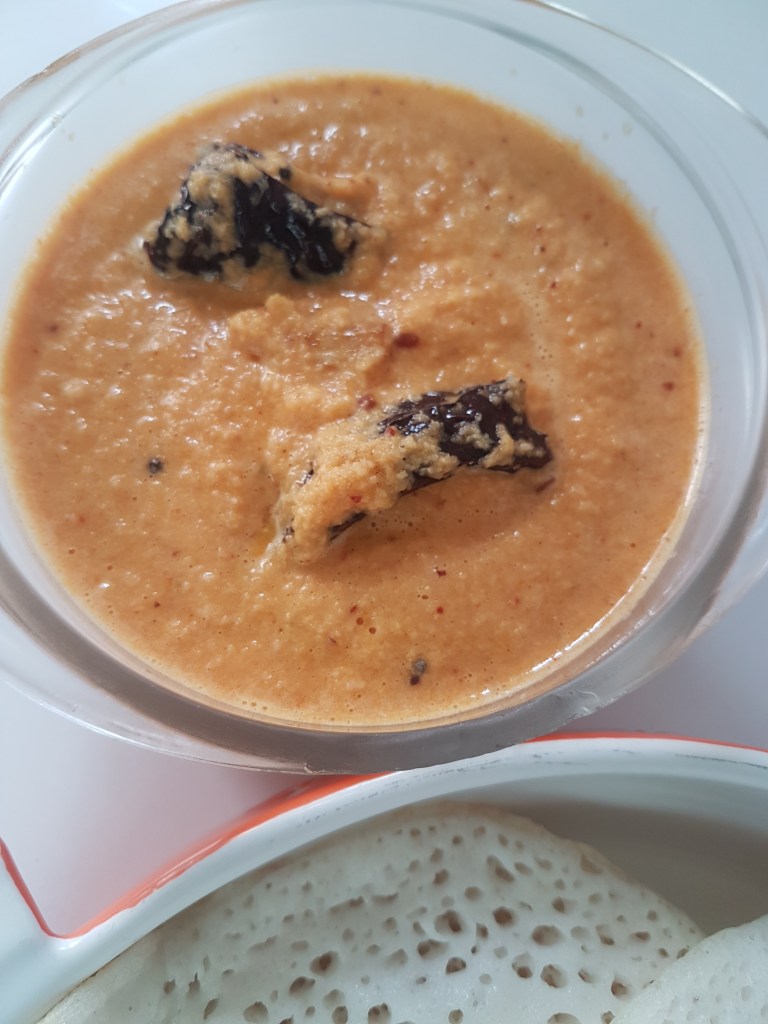
Serve with red coconut chutney
Red coconut chutney
Same as green coconut chutney but substitute the green chilles and coriander leaves with two to three red cillies.
Dibba Rotti… I am so glad I came across this recipe. Didn’t know of this Andhra speciality until I chanced upon it recenly on the net and have already made it a couple of times.
Makes a great breakfast, snack or a meal besides being easy to prepare. All you need is a frying pan! Although the taste seems like a combination of idli and medu vada, you don’t require an idli steamer, idli molds or a medu vada maker. It’s like a huge fried idli! Nice and crisp on the outside and soft on the inside. Eat as soon as it is made 😉
Would also go perfectly with any curry for lunch or dinner. Try it with chicken or mutton roce curry or sorpatel.
Wash Urad dal and soak in water for atleast 4 hours. Wash the idli rawa, drain all the water and set aside. Grind the urad dal to a smooth paste adding water as required. Keep the paste thick. Mix the urad dal paste and idli rawa together, add salt and cumin seeds. Mix well. Leave aside for 30 to 45 minutes. If you wish, you may leave to ferment overnight but not necessary.
Heat a frying pan, add ghee and when melted, pour 4 to 5 ladles of batter (to a small pan). If the pan is larger more batter may be required to get the desired thickness. The above quantity will give you two small dibba rottis or one medium.
Lower heat, cover the Pan and cook 10 to 15 minutes till the underside turns golden brown and crisp. When the rotti starts leaving the sides and turns brown, flip and cook the other side for 10 to 15 minutes till golden. Remove to a plate, cut into wedges or squares and serve with Idli Podi, coconut chutney and or anyother chutney of your choice. Would taste great with some sambar too.















 My Cooking Diaries "CooklikeCecilia.com"
Recent Comments