Uncategorized

Lockdown Cooking with minimum ingredients


  • A quick reference list of recipes for easily available ingredients to prepare simple nutritious meals.

Pursuant to my ‘COVID-19 Break’ post on the 16th of March 2020, we were little aware of the seriousness of the pandemic at the time and that the Lockdown directives would continue to be operative even after over a month and a half. We have realised the numerous ways people are trying to cope with the lockdown with no relaxation in sight although many data driven predictions have been made.

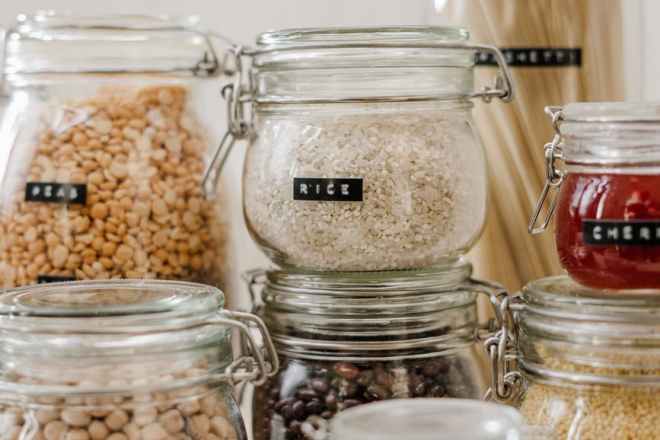
The Lockdown has created a shortage of food supplies and while some do have regular supply, many are having to struggle for their daily meals with their means of subsistence being suddenly non-existant due to loss of jobs, restrictions on movement, etc. As a result of which we need to manage our kitchens with ingredients at hand and adjust our meal plans accordingly. With this in mind, I have prepared a list of recipes using the least number of main ingredients (mainly grains and pulses) for your ease of reference.

All recipes are available on this site and by clicking on the name the corresponding link will take you to the recipe page.

I. RICE

Menu Item Main ingredients

  1. Rice
  2. Rice
  3. Rice Poha
  4. Rice flour + Rava
  5. Rice + Urad dal
  6. Rice + Urad dal
  7. Rice + Urad Dal + tomatoes
  8. Rice + Urad dal + Onion
  9. Idli (Rice) rava + Urad dal
  10. Idli (Rice) rava + Cucumber
  11. Rice + Coconut
  12. Rice + Urad dal very small quantity
  13. Rice + Cumin/Jeera small quantity
  14. Rice + peas or any available veggies
  15. Rice + Moong or Masoor dal
  16. Rice (leftover) + Besan/Gram flour small qty
  17. Rice + peas/capsicum or as available
  18. Rice + Red kidney beans
  19. Rice + Cabbage, capsicums as available
  20. Rice + some sugar
  21. Beaten rice (thin) + fresh coconut + jaggery
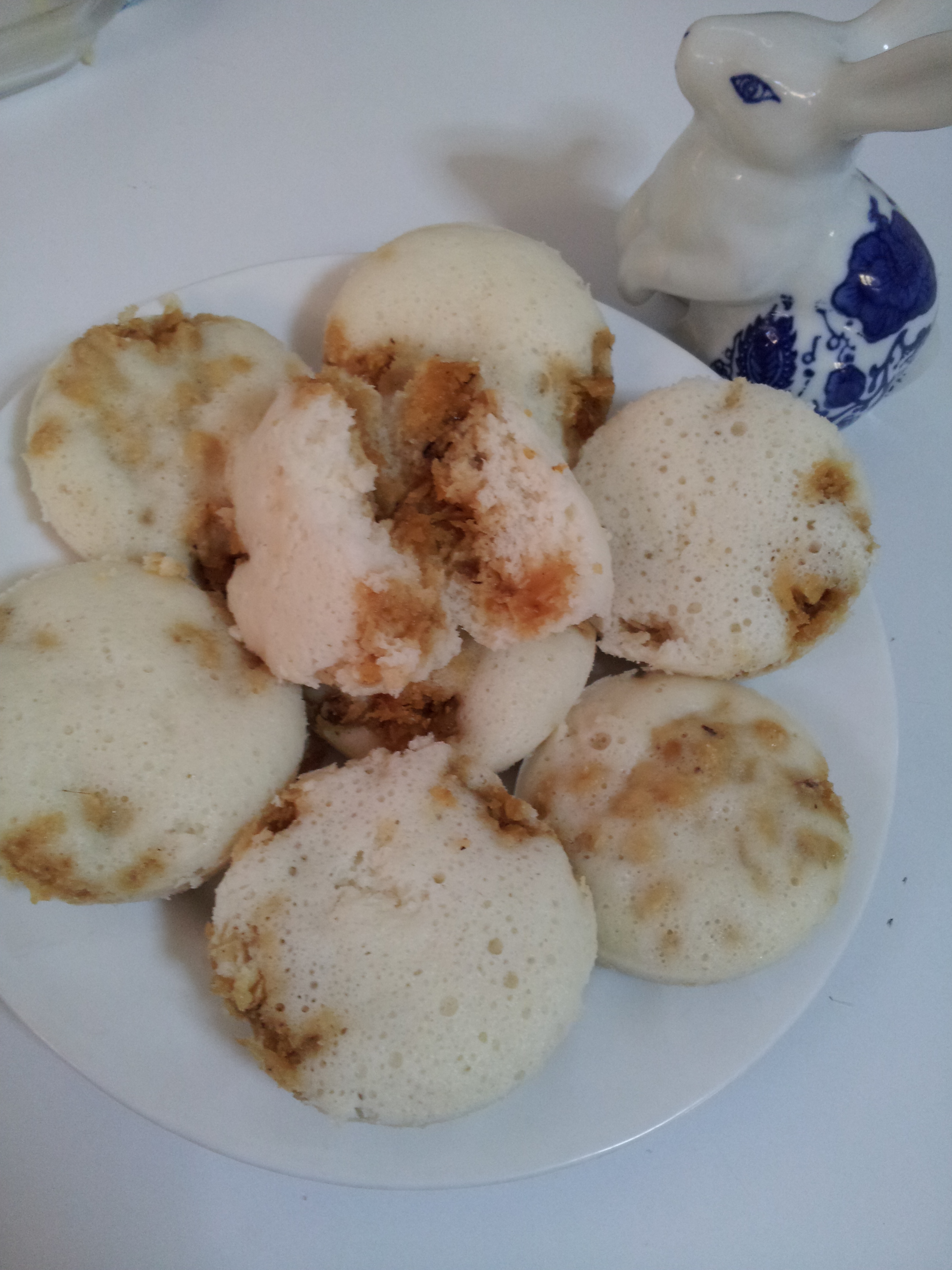
TIP: If you don't have Idli or sanna molds, 
     use a round steel pan or cake tin and 
     steam in a pressure cooker or ordinary 
     vessel, then cut into desired shapes.

II. Wheat/All Purpose Flour/Gram flour
  1. Wheat flour
  2. Wheat flour
  3. Wheat flour + Potatoes
  4. Wheat flour + Cabbage/Paneer, either if both not available
  5. Flour +eggs/blueberries/bananas as available
  6. Wheat flour + Doodhi(pumpkin)
  7. Flour + Rice flour small qty + yogurt
  8. Wheat flour + eggs
  9. Flour + yeast
  10. Flour + Olive Oil + yeast
  11. Gram flour

III. Eggs

  1. Eggs + Bread roll or use chappatis
  2. Eggs + Sliced bread
  3. Sliced bread + eggs + milk
  4. Eggs + Onions
  5. Eggs + Cherry or regular tomato
  6. Eggs + Mayonanaise + Bread
  7. Eggs + Milk + Bread
  8. Eggs
  9. Eggs + Onion + Tomatoes/paste

IV. Potatoes

  1. Potatoes + wheat flour
  2. Potatoes + wheat flour
  3. Potatoes
  4. Potatoes + Yougurt + gram flour
  5. Potatoes + gram flour
  6. Potatoes + minced meat

V. Chana/Chick Peas

  1. Chick Peas + Bhature – flour, rava, yogurt
  2. Chick Peas + Potatoes
  3. Black chana
  4. Chick Peas + Olive oil

VI. Dals – Tur/Masoor/Moong (Yellow)/Moong (green with skin)

  1. Dal + Onion + tomatoes if available
  2. Tur dal + veggies as available
  3. Moong dal with skin
  4. Rice + urad dal + channa (gram) dal

VII. Whole Moong beans

  1. Moong + grated coconut
  2. Sprouted moong + potatoes
  3. Sprouted moong + methi sprouts if available

VIII. Black Eyed beans & Red Kidney beans

  1. Black eyed peas + grated coconut
  2. Black eyed peas + Palak/pumpkin
  3. Rice + red kidney beans
  4. Red kidney beans + Onions + tomatoes

IX. Rava (Semolina)

  1. Rava + Ghee + Sugar
  2. Rava + Rice flour + Butter milk or yogurt
  3. Rava + Rice flour

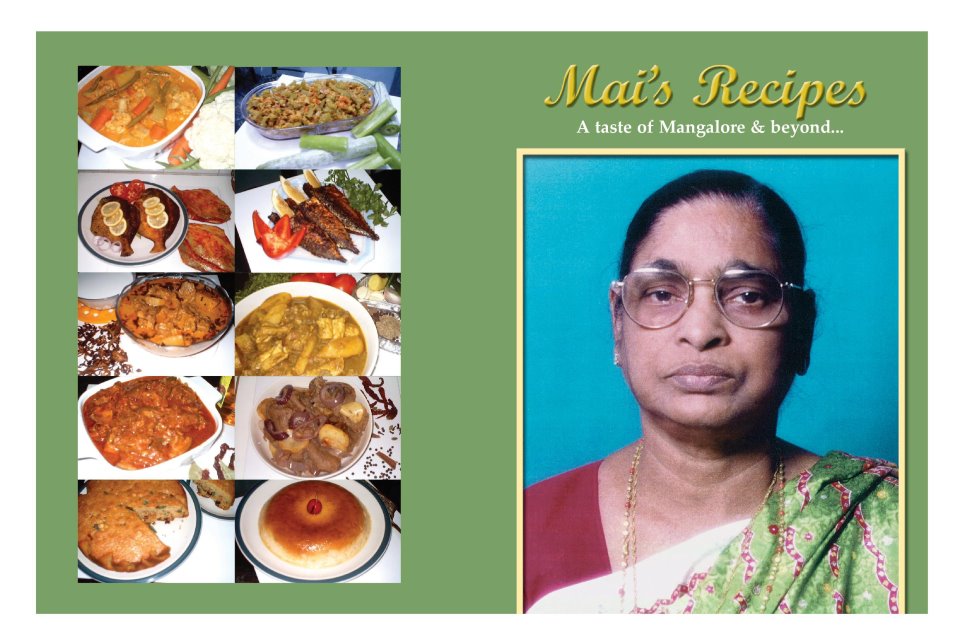
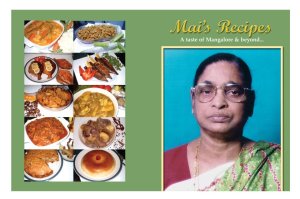
The above list includes mainly non-perishable ingredients. For more recipes explore the following links and continue to refer to the book Mai’s Recipes, which most of you must be having:-

  1. Indian cooking
  2. Traditional cooking
  3. Chinese & Asian cooking
  4. Continental cooking
  5. Breakfast Diaries
  6. Middle Eastern Cooking
  7. Sweets & Desserts
  8. Soups
  9. Sandwiches
  10. Salads

Experiment with new recipes if supplies like vegetables, meat, fish, chicken, etc. are freely available and indulge your family and yourself. Make use of the time available productively. Take care, stay safe, stay happy! 🙂

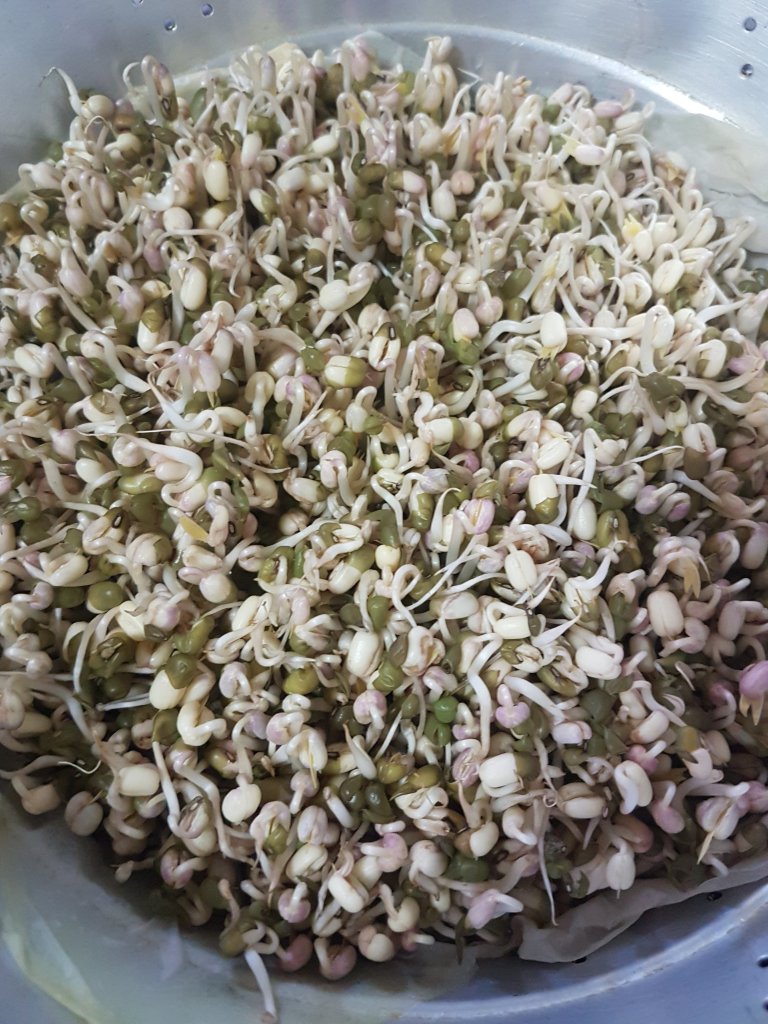
Growing Mung Bean Sprouts


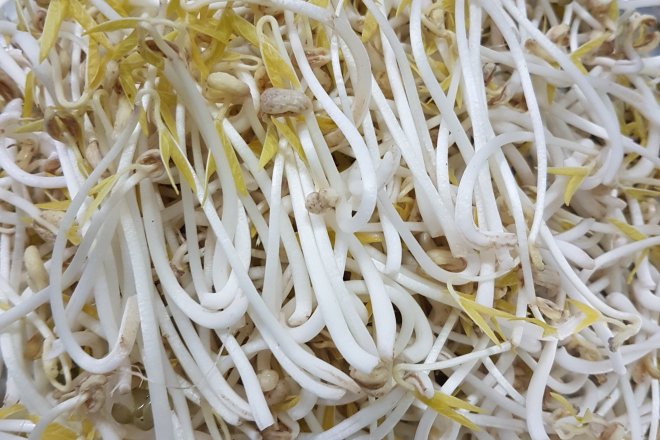
Bean (Mung or Moong – Green gram) sprouts are usually sold as a premium item in our super-markets here so I was delighted to learn that it is really simple to grow them at home.

The sprouts are highly nutritious and commonly used in Asian cooking, in stir fries, Chinese chow chow, american chopsuey, Veg Chow Mien, as filling for spring rolls, dumplings, wontons, in salads, soups, etc. They have a crunchy texture and mildly sweet taste. To retain its nutrition, avoid over-cooking. Best consumed fresh or lightly cooked.

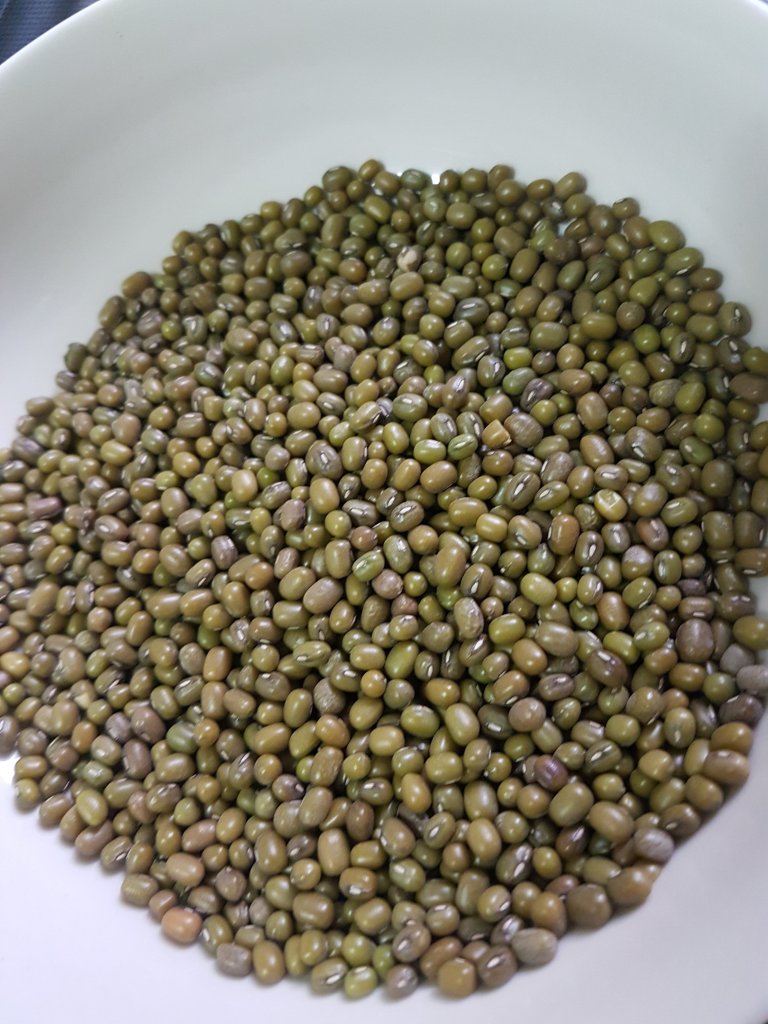
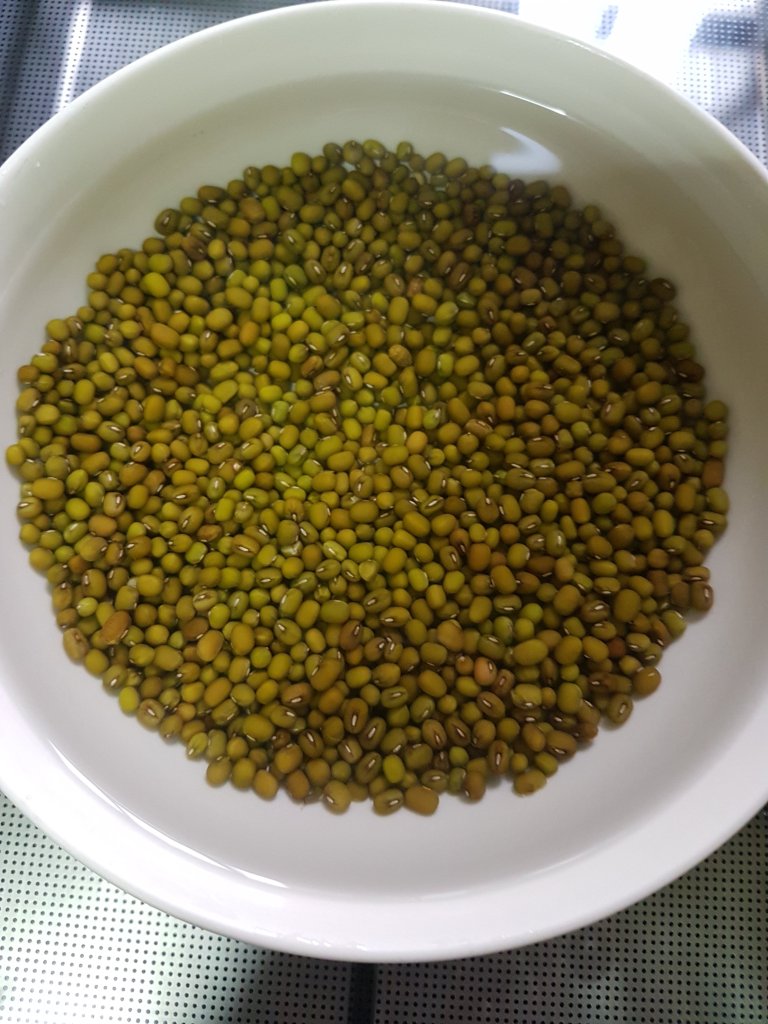
Wash and soak ½ cup mung beans overnight or for atleast 8 hours. If using a smaller container to grow use 1/4 cup beans.

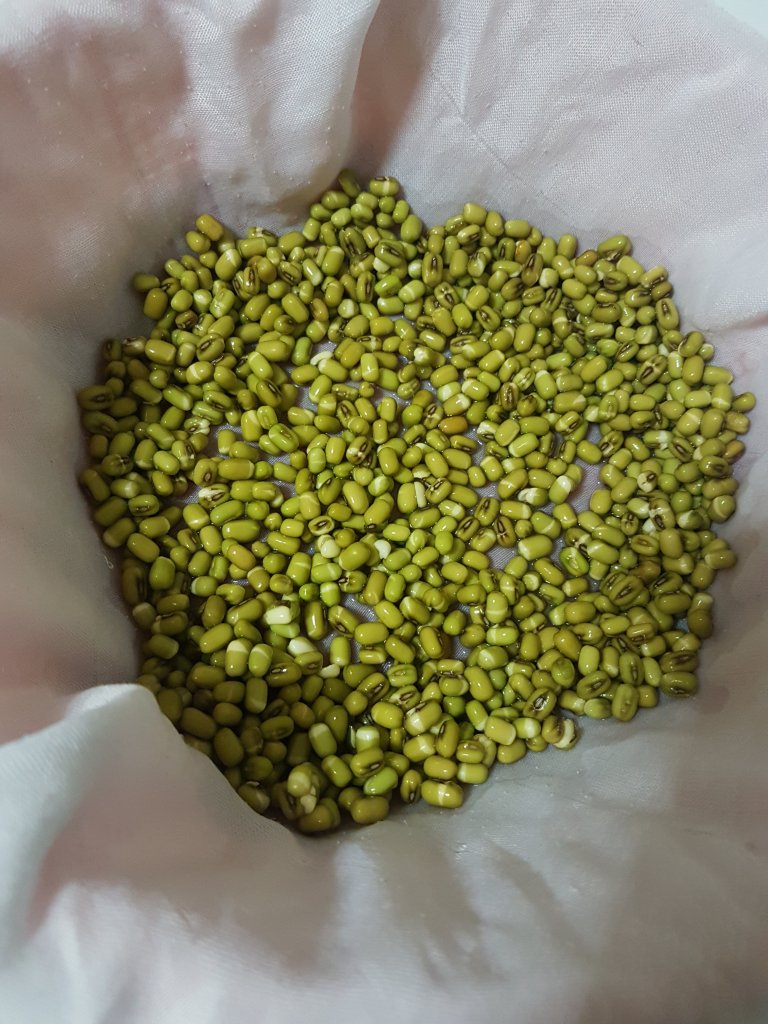
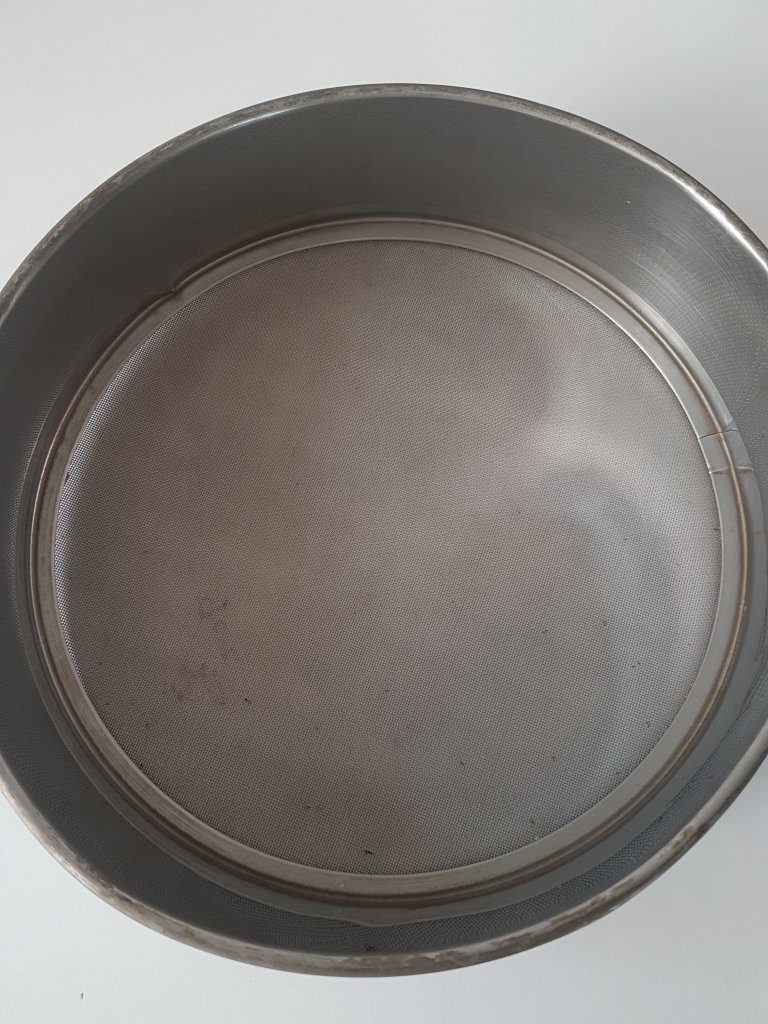
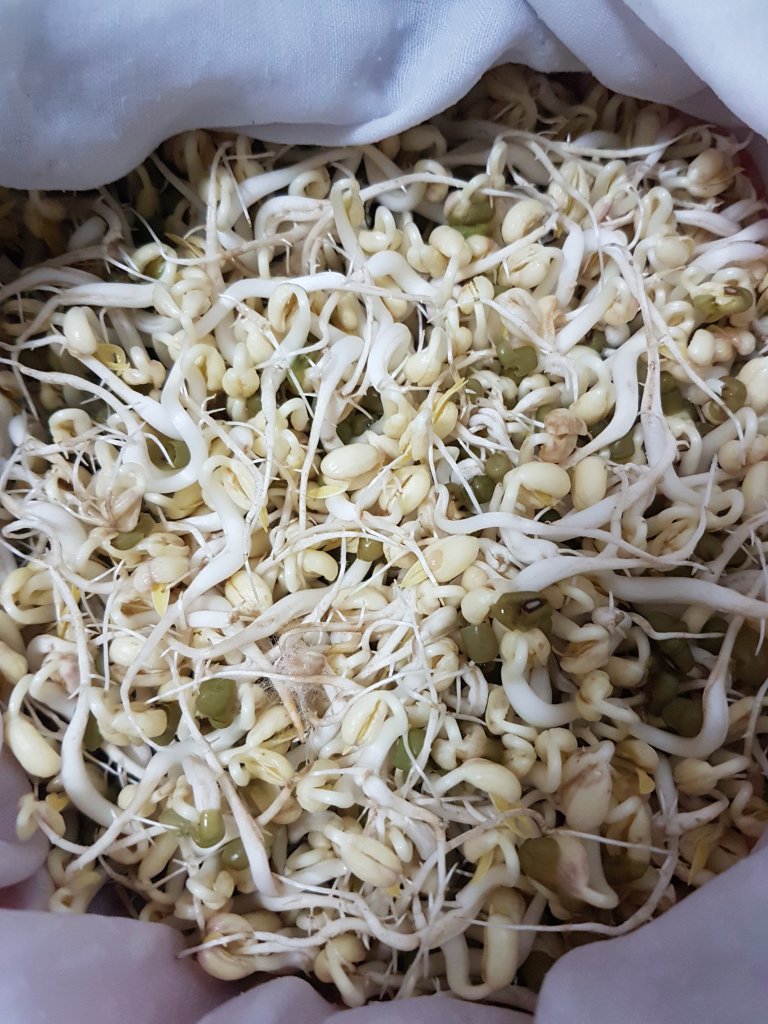
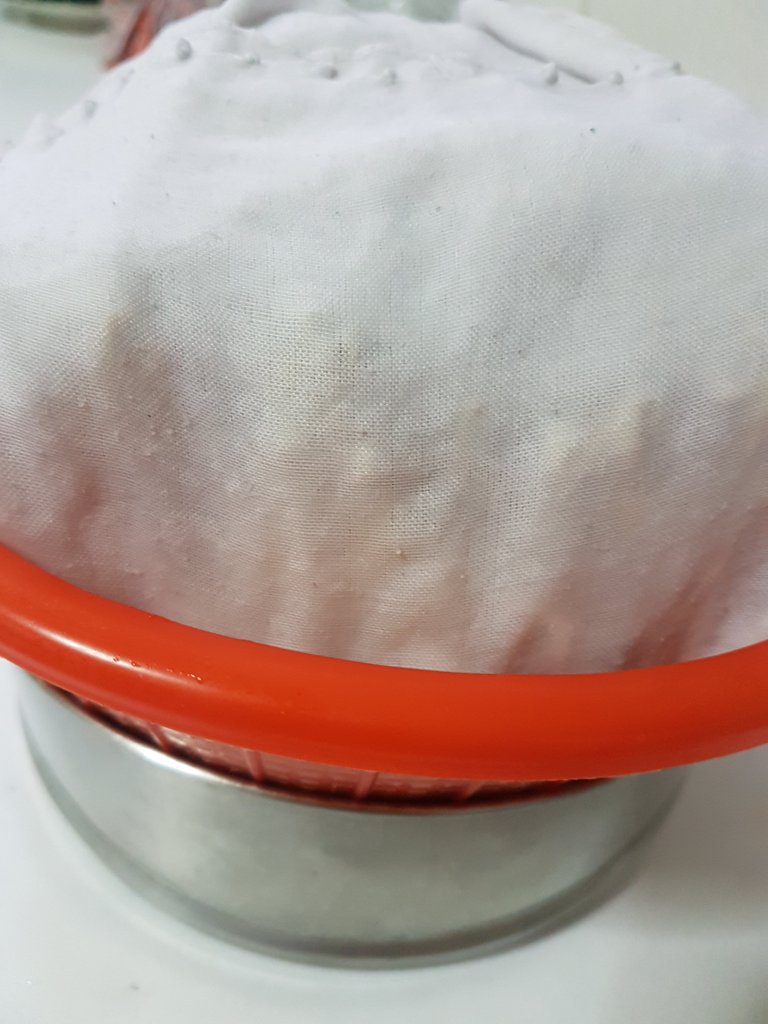
Take a sieve or colander or a plastic mesh basket and line it with muslin cloth. Spread the beans on the muslin cloth, preferably in a single layer and fold the cloth over to cover the beans completely. Spray well with water, place the basket in another vessel to catch the excess drained water.

Cover the basket with a black cloth or any dark towel as you need to block the sunlight to avoid the leaves becoming green (which gives it a bitter taste). Also we are not growing the moong plants just the sprouts.

Spray water four times a day, while keeping covered with the muslin cloth. This ensures the sprouts grow nice and plump. After watering cover with the black/dark cloth or towel.

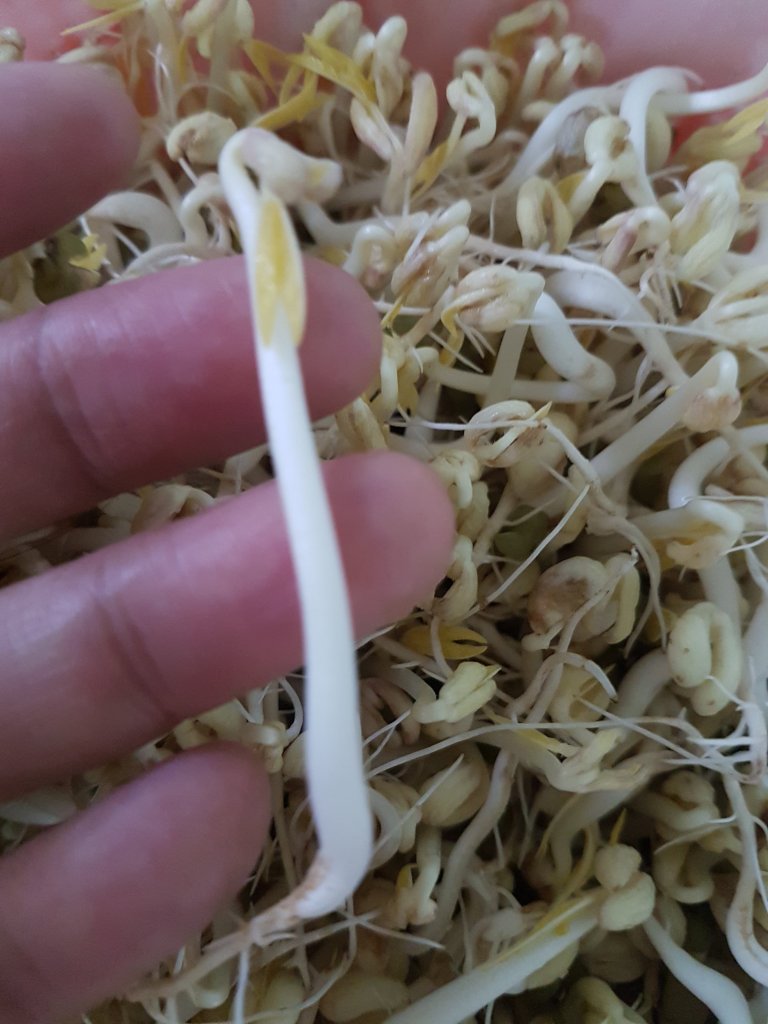
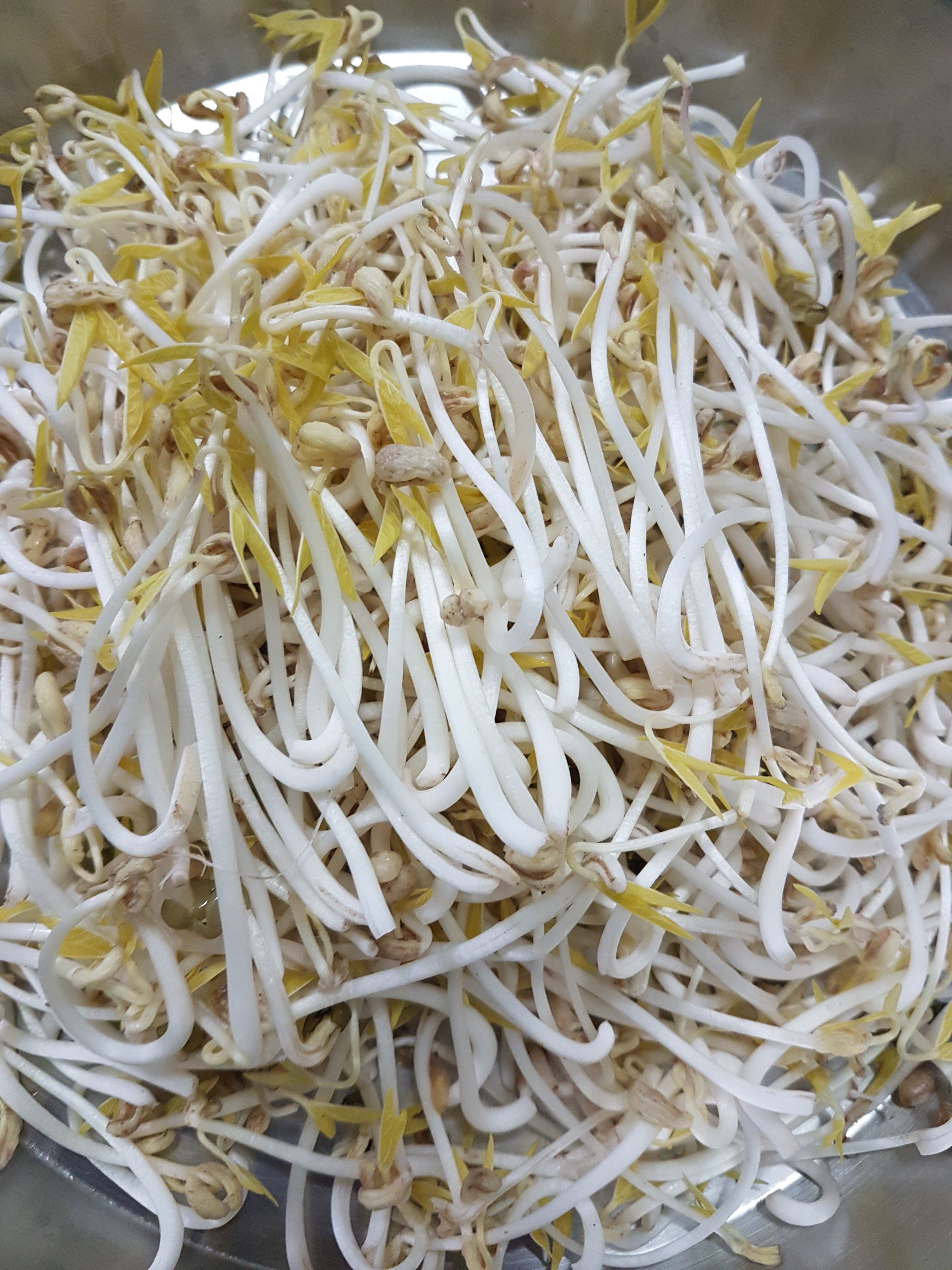
On the 6th or 7th day they should be ready to harvest. Snip off the roots and rinse well to remove the mung bean skins and use as required.

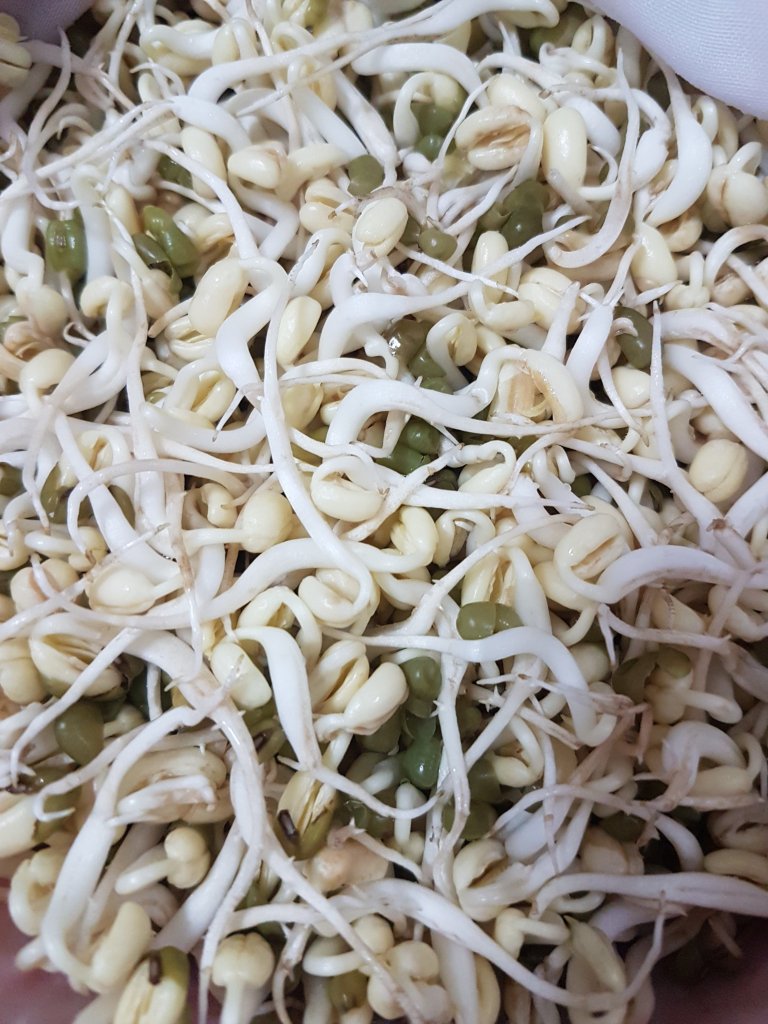
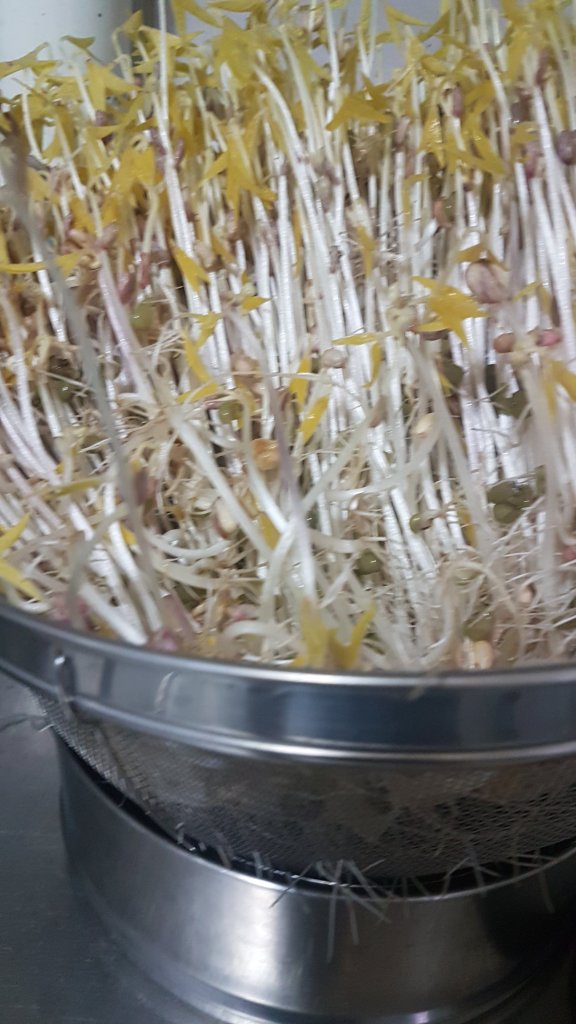
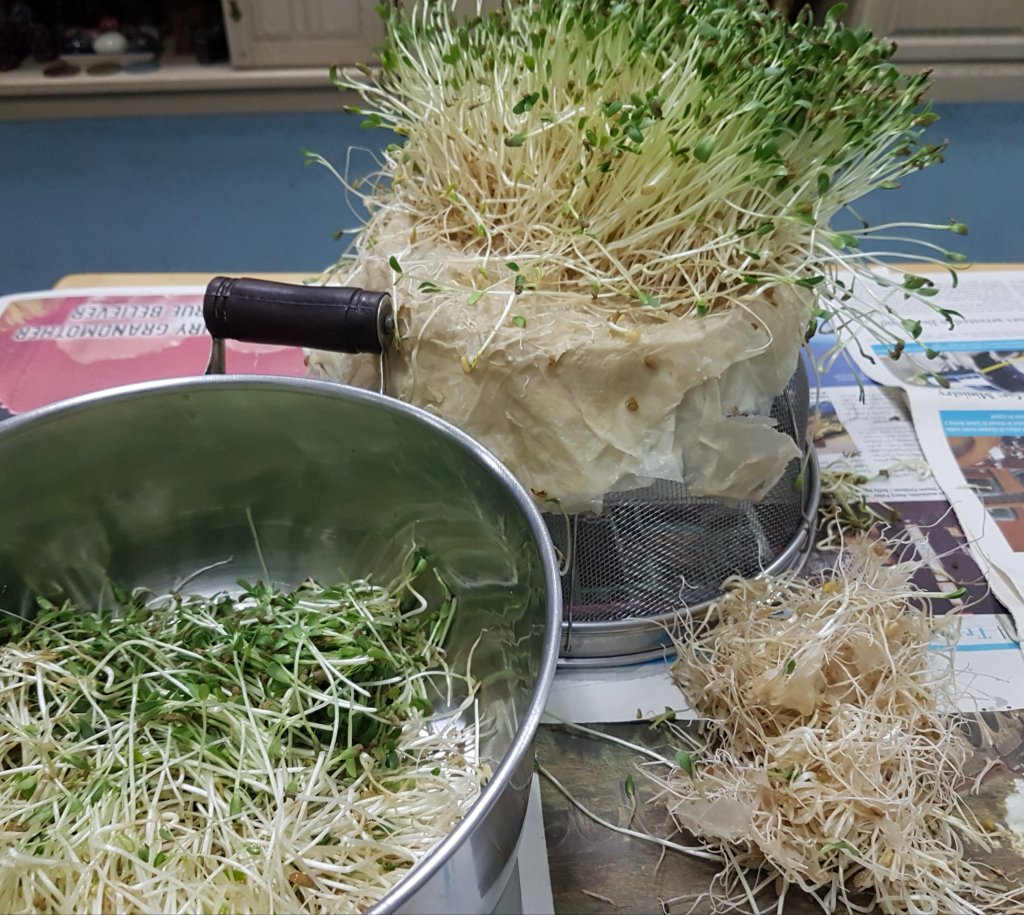
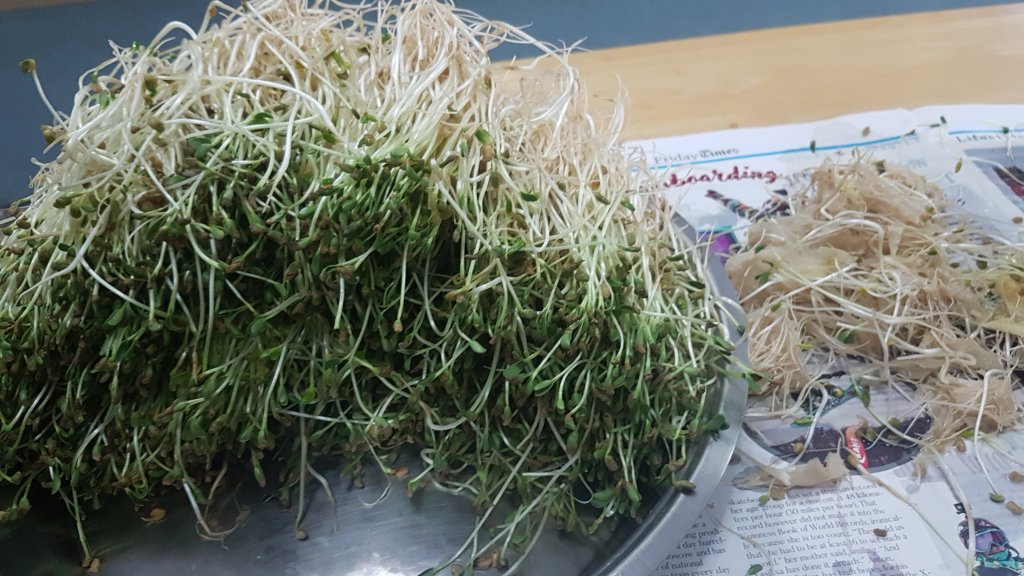
If the sprouts are allowed to grow without covering the beans with the muslin cloth they tend to grow thin and long as shown below. The plump sprouts however are more tender.

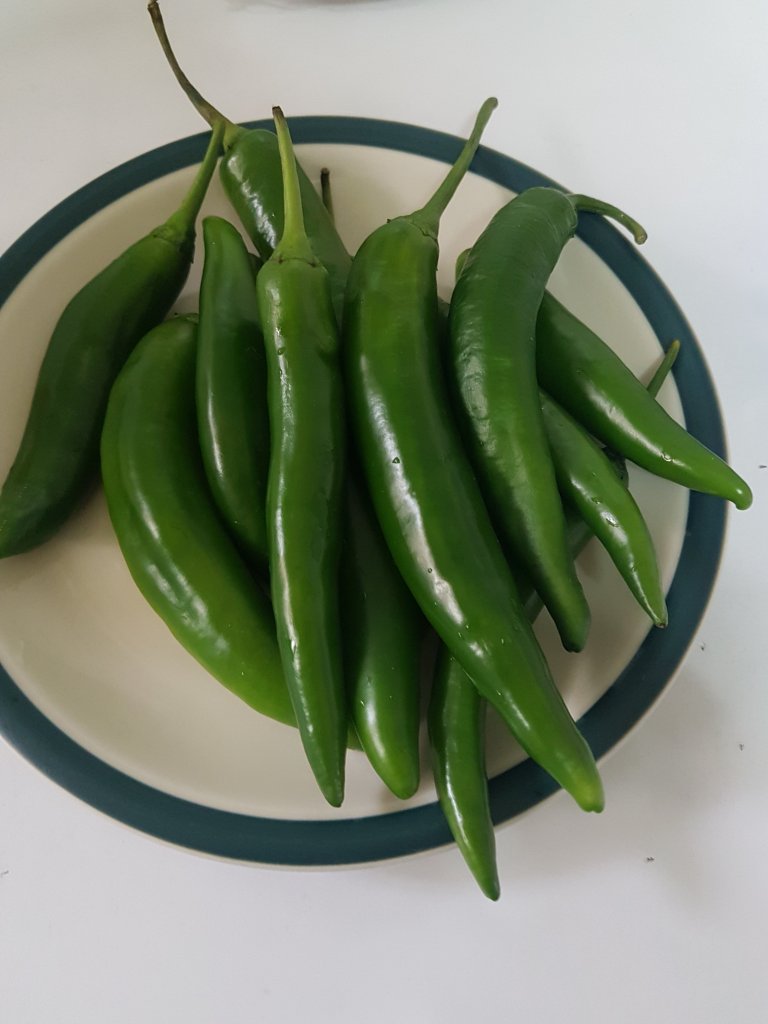
You can make a quick bean sprout salad. Blanch the sprouts for 2 minutes in boiling water, drain and rinse with cold water. Season with salt, chopped spring onion, chopped garlic, 1 tsp sesame oil, 2 tsp, soya sauce, pepper powder and chopped green chilli. Mix well and serve immediately.

Check out my post on Growing methi indoors without soil & Sprouting Seeds and Beans

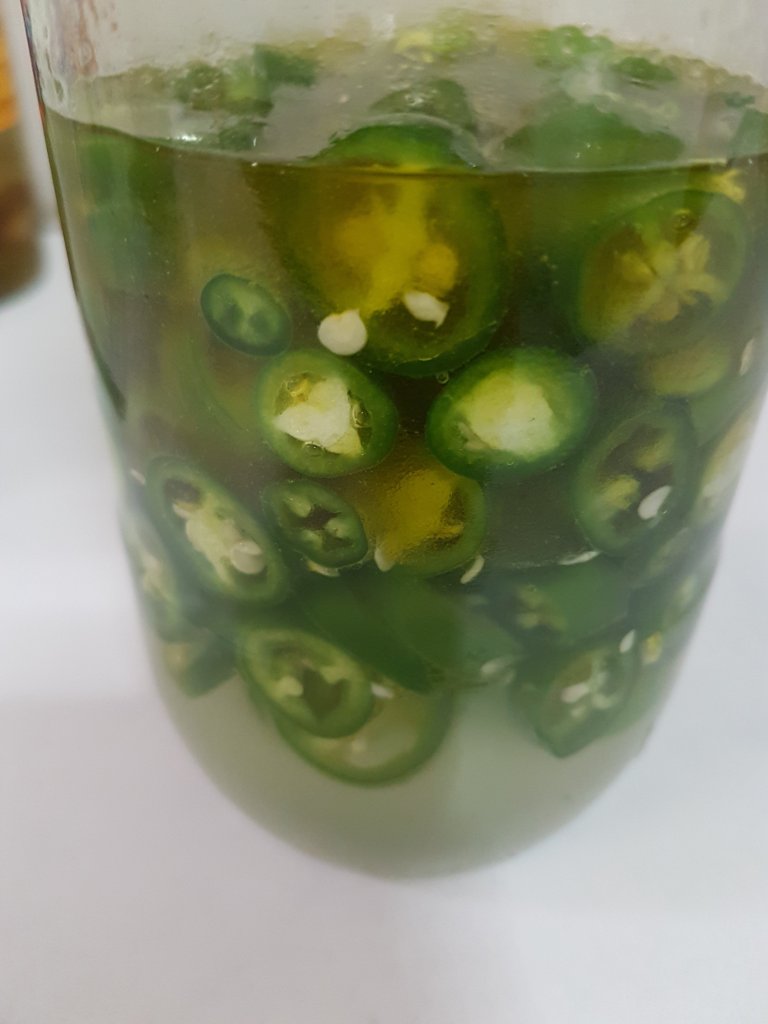
Pickled Jalapenos


A COVID-19 Lockdown post

Pickled Jalapenos

1 cup vinegar

½ cup olive oil

1 tbsp. sugar

1 tbsp. salt

¼ kg. Jalapenos

Mix together the vinegar, olive oil, sugar and salt.

Slice the jalapenos into rounds.  Add this to the vinegar mixture, to cover the jalapenos completely. 

Transfer all of it to a bottle or covered bowl and keep at room temperature for two days.

Thereafter refrigerate and use when required, in garnish, sandwiches, salads, hummus, etc.

Growing Methi indoors without soil


A COVID-19 Lockdown post

Recently tried growing fresh methi at home, without soil, and was quite pleased with the results although past attempts (a different method though) were not successful.

So I am sharing the step-by-step procedure to encourage all of you to give it a try especially now more than ever, as it would be almost impossible to purchase it in the market due to present COVID-19 Pandemic lockdown conditions in India and all over the world. Secondly, there’s every reason to be more self-reliant in these trying times.

Just as many Indians do, we too love consuming fresh fenugreek, not to mention the great health benefits associated with it. Generally, it’s an acquired taste as it is slightly bitter. In most parts of the world, it is sold as a herb!

Now, grow your very own fresh fenugreek/methi bhaji at home, organically, and enjoy it every week if you so desire.

You can’t go wrong with this Method:-

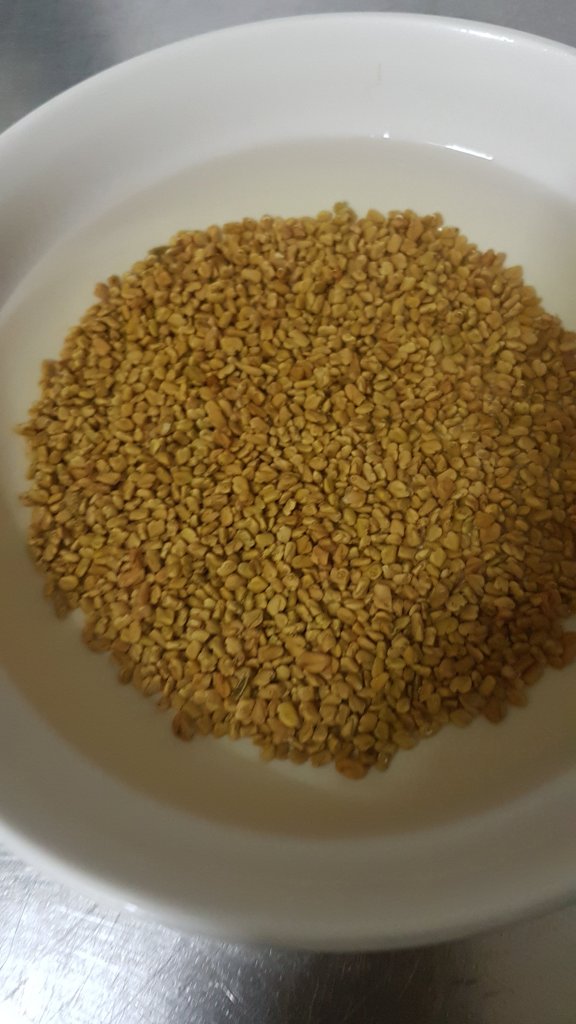
  1. Wash and soak ¼ cup of methi seeds overnight or for atleast 8 hours.

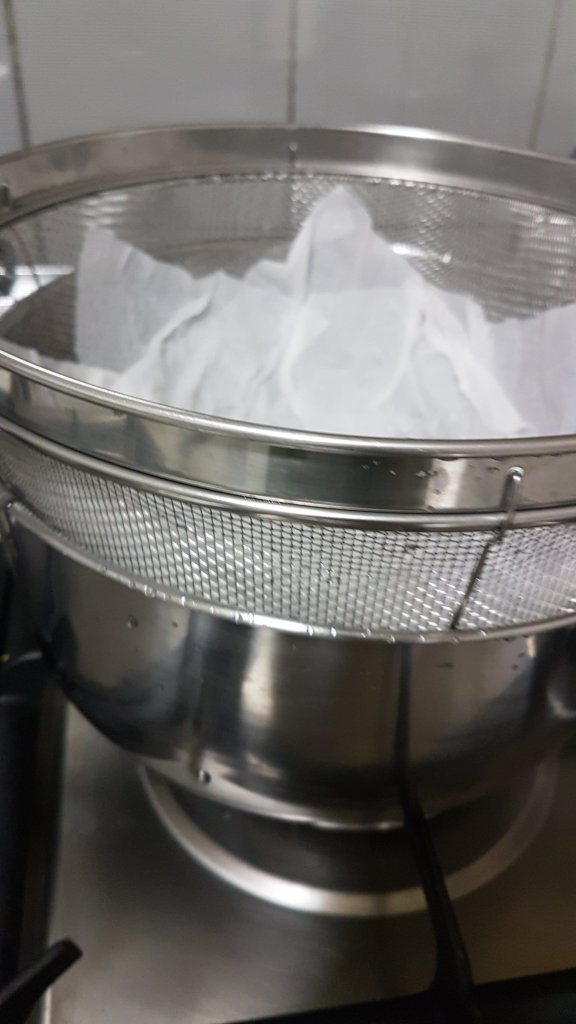
2. Take a sieve or colander, metal or plastic as may be available, line the base with muslin cloth or two to three sheets of paper towels.

3. Spread the soaked fenugreek seeds on the liner, spray with water, place the colander in another vessel to catch the excess drained water.

4. Cover with a wet tea towel and set aside.

Leave the wet tea towel for first two days. This makes the sprouts grow upwards towards the moisture.

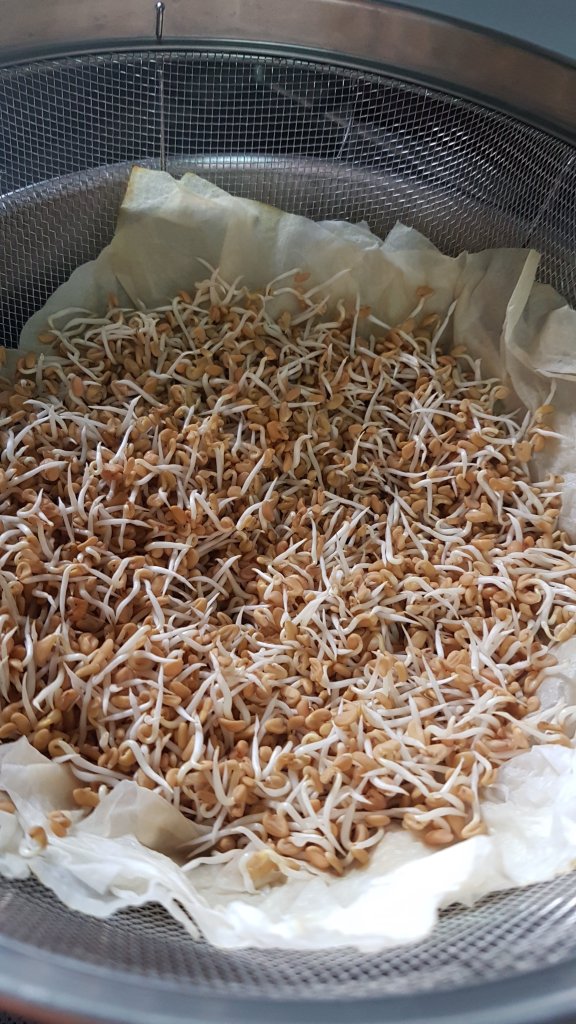
5. Keep spraying water every five to six hours so that the seeds/sprouts do not dry out. But also ensure the excess water is drained and the lined sheets remain moist at all times.

Sprouts after 24 hours – Day 1
Sprouts after 48 hours – Day 2

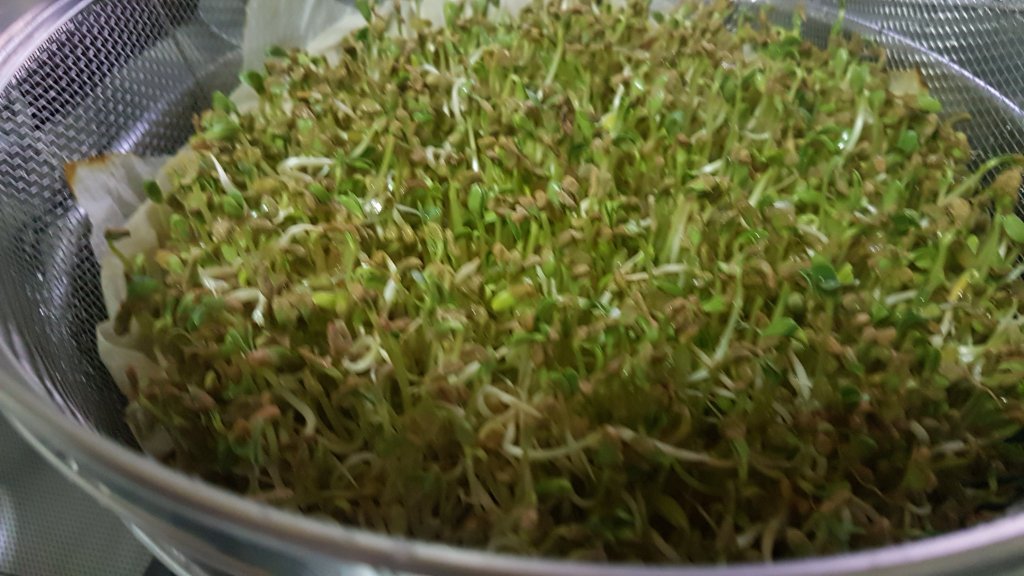
6. After Day 2 i.e. after 48 hours, remove the wet towel and leave the container open so the methi gets some air and sunlight, but do not place in direct sunlight. Keep the container near an open window with the sun’s rays falling on the container whenever possible. The sunlight enables it to grow well and gives a rich green colour to the methi leaves

Shoots and leaves are showing – Day 3
Day 4
Day 5

7. Allow to grow for 6 to 7 days, spraying water periodically, until the leaves open and are deep green.

Day 6
Day 6 – Evening and ready for harvest!
Hold the edges of the paper towel and lift the entire crop carefully from the container

8. Remove the methi and prepare for cooking by chopping off the roots which will also ensure the pieces of the paper towel stuck to the roots are discarded.

9. Chop the methi stems into one or two pieces. Cover with water and leave for few minutes for the husk to loosen and separate from the leaves. Some may still remain, but that is okay. Remove and wash again, drain and use. Since there is no mud or sand, repeated rinsing is not necessary.

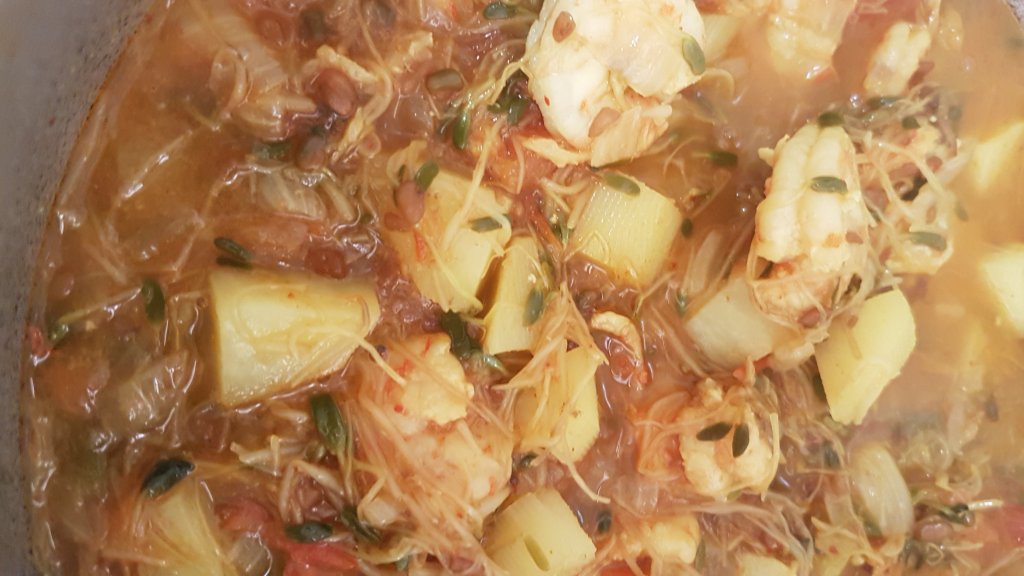
10. Cook the methi bhaji with baby shrimp or prawns alongwith potatoes. Serve with chappatis (or any bread of your choice) and pickle for a nutritious and complete meal. Please bear in mind that, like anyother leafy vegetable, the quantity of the methi bhaji reduces considerably when cooked.

“Methi Bhaji with Prawns” recipe is in Mai’s Recipes Page 69.

Other options for cooking fresh fenugreek.

Fresh methi has a number of uses. Here is another recipe where you can use fresh methi to cook Methi Murgh. Substitute the dried kasuri methi in this recipe for a cup of the fresh.

Methi Murgh

My sister Sheryl also makes a nice delicious and healthy salad, using shredded tender turnips and fresh methi mixed and garnished with lemon juice and salt. Dhansak the famous Parsi delicacy also has methi as one of its many ingredients.

Please note:-

You may extend the growing period of the methi for a couple of days, until you are ready to cook it, as it is always better to cook the methi freshly harvested for best results. However if necessary, you may store for a couple of days in the fridge. Make sure the methi does not have any moisture, wrap in dry cloth or paper and store.

If you wish to store in the freezer, would suggest chopping off the roots and clean and prepare as you would for cooking. Steam for 2 to 3 minutes, drain the water and leave to cool. Once cool store in zip lock bag in the freezer and use drectly, without thawing, whenever required.

Check out my post on Sprouting seeds and beans & Growing Mung Bean Sprouts

The COVID-19 Break!


Fijivillage.com

As the world begins to slowdown with the Coronavirus causing wide-ranging consequences and several countries locked-down or going into one sooner rather than later to control their population against the Pandemic, we pray that those infected recover quickly and the spread of the coronavirus is contained and mitigated swiftly and completely.

Those of us who have until now managed to escape the threat of the virus have to thank nature and The Almighty for keeping us safe and giving us the much needed “wind-down” time we are having.  We need to use this time to pray, meditate, exercise, read, write, relax and catch-up on things we always wanted to but were running short on time.

Given that we now have more family time, we should use this opportunity also to nurture and nourish our family members with fresh wholesome home cooked meals and prepare hot homemade breakfasts, lunches and dinners and snacks. Why not use this time to also prepare all those traditional recipes you thought were ‘time-consuming’ and always wanted to try and use the opportunity to introduce traditional cooking and culture to your children and family.

It is also an opportune time to stock up your pantry with your favorite home-made masalas, pickles, preserves, etc. all recipes available in “Mais Recipes” which has been in circulation for over twenty years!

So make the most of this break. Enjoy fresh home-cooked meals to boost your immunity which is important to fight any illness.  Additionally, include citrus fruits for its Vitamin C, lemons and lemon juice, nuts, ginger, garlic, raw onion, hot herbal teas, turmeric, green and leafy vegetables, coloured vegetables like carrots, red and yellow capsicums, squashes, sweet potatoes, yogurt, etc.

Meanwhile, stay calm, wash your hands with soap frequently and follow the official directives of your governments and local authorities.  Social-distancing at this time is of paramount importance, so stay sequestered if necessary and be safe.

With best wishes to one an all from Team Mai’s Recipes and cooklikececilia.com!!

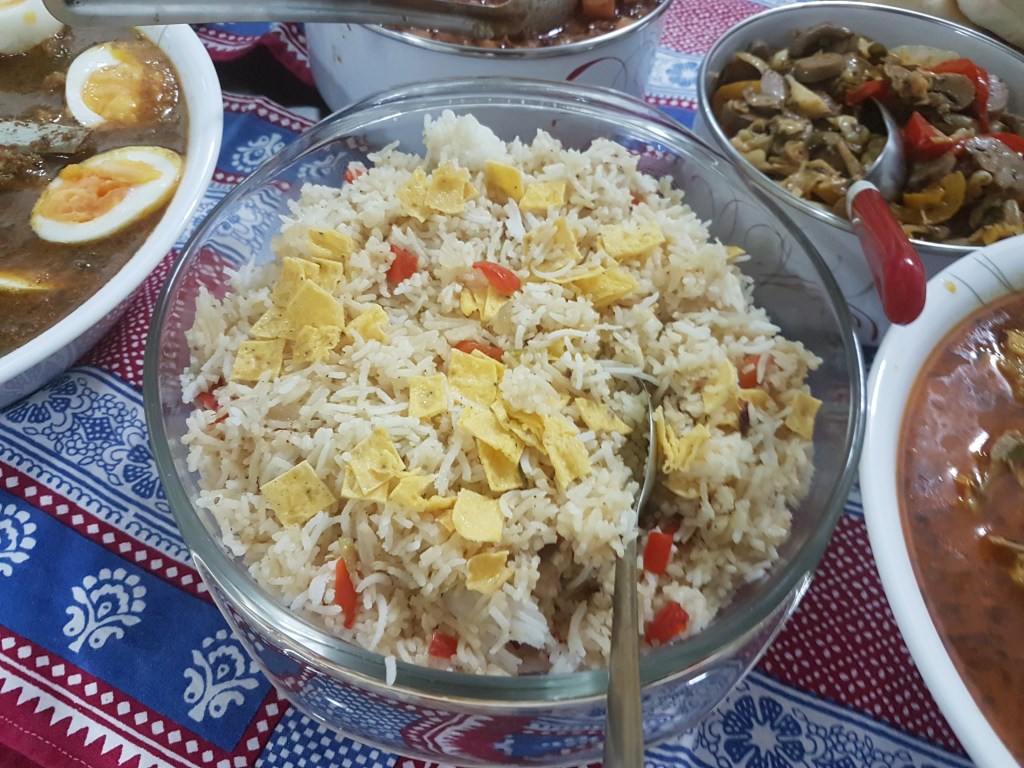
Kabuli Pulao


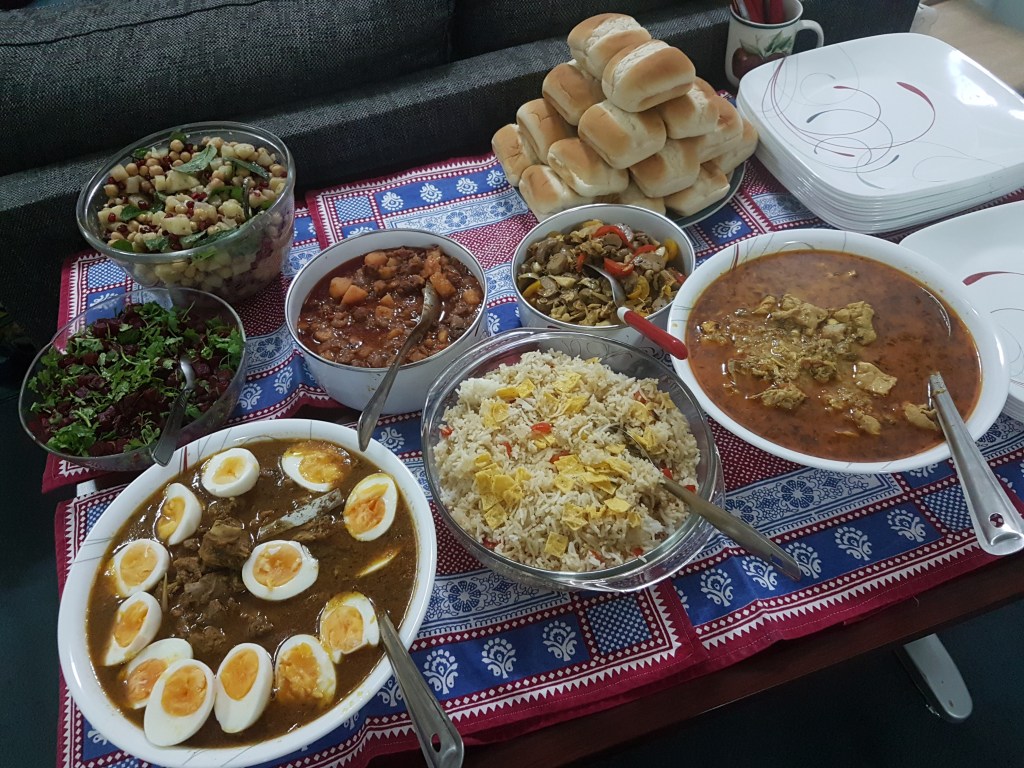
We recently had a birthday lunch for my husband Rudy celebrated with Afghani cuisine.

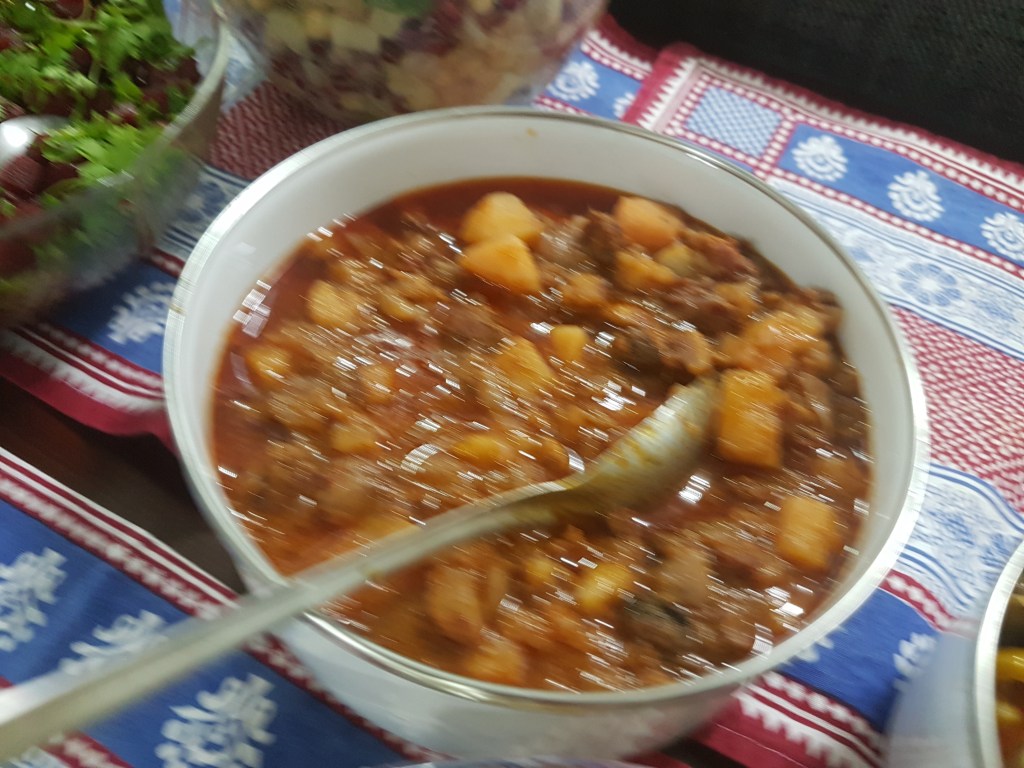
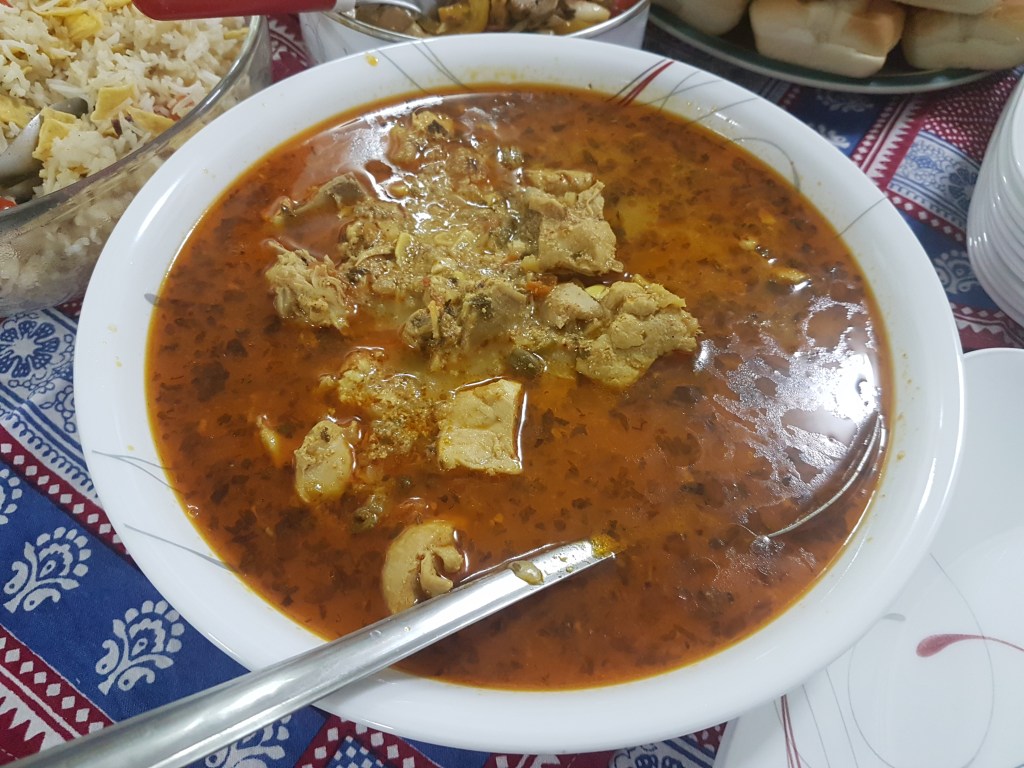
The menu consisted of Kabuli Pulao, Chicken Korma, Mixed Vegetable Korma, Chicken Kababs, Sweet and Sour onion salad.

Appetisers: Beef Mantu and Potato Bolani.

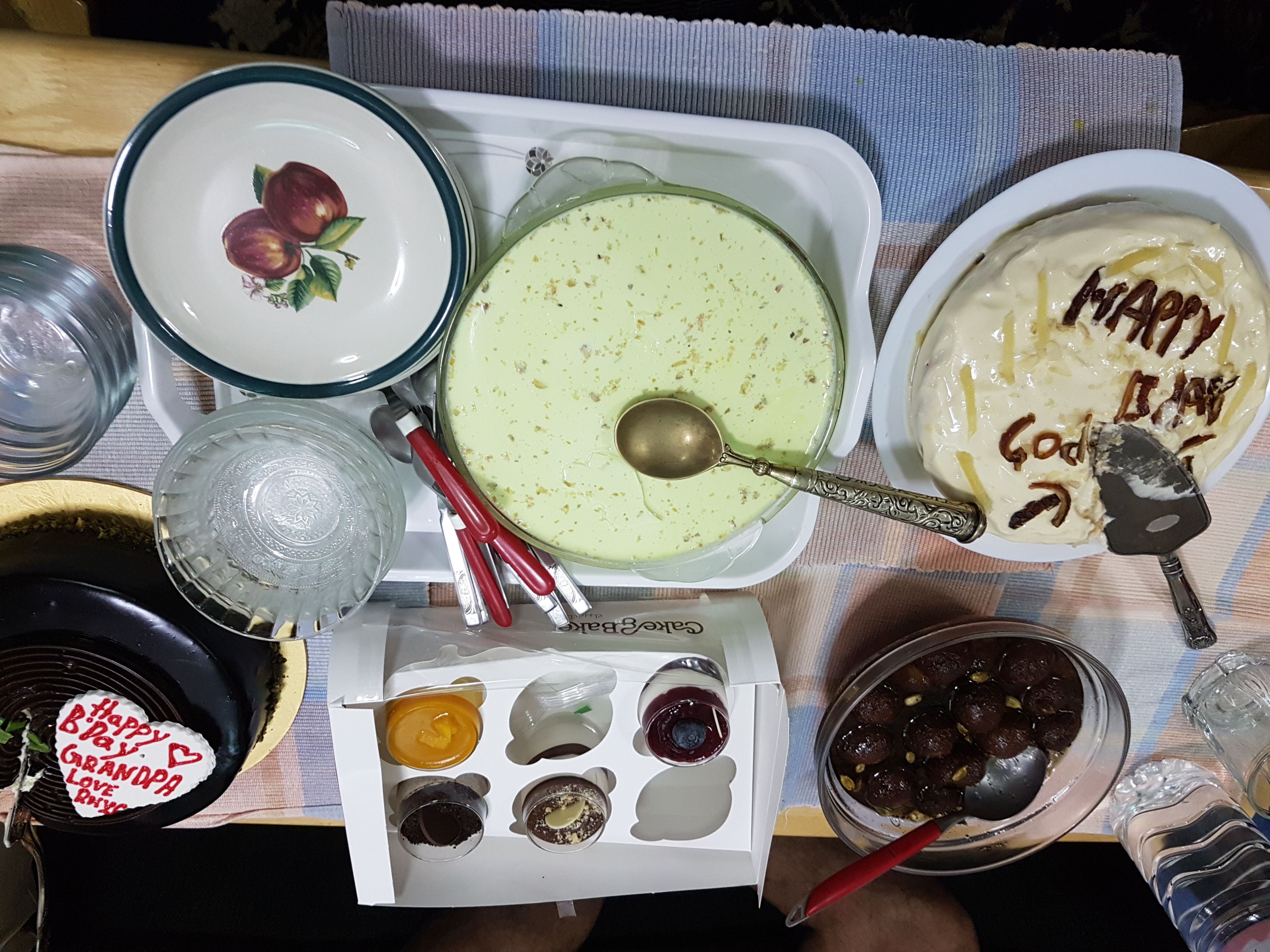
Dessert: Sheer Korma and Cake.

The Kabuli Pulao was a huge hit, especially with the birthday boy 🙂 Sharing with you all this ‘tried and tested’ recipe. Its absolutely sumptuous and delicious!!

Kabuli Pulao

  • Servings: 8-10
  • Difficulty: Average
  • Print

Ingredients
1 kg. mutton, cut in large cubes
3 cups Sela rice
4 medium onions, sliced
6 carrots, shredded
4 large tomatoes, sliced
6 cloves
6 cardamoms
3” cinnamon
1 tsp black cumin
1 tsp black pepper powder
3 tsp. garam masala powder
6 cloves garlic, crushed
1 cup raisins (or less if required)
A handful almonds and pistas for garnish (optional)
Salt to taste
Ghee or oil, as required

Method

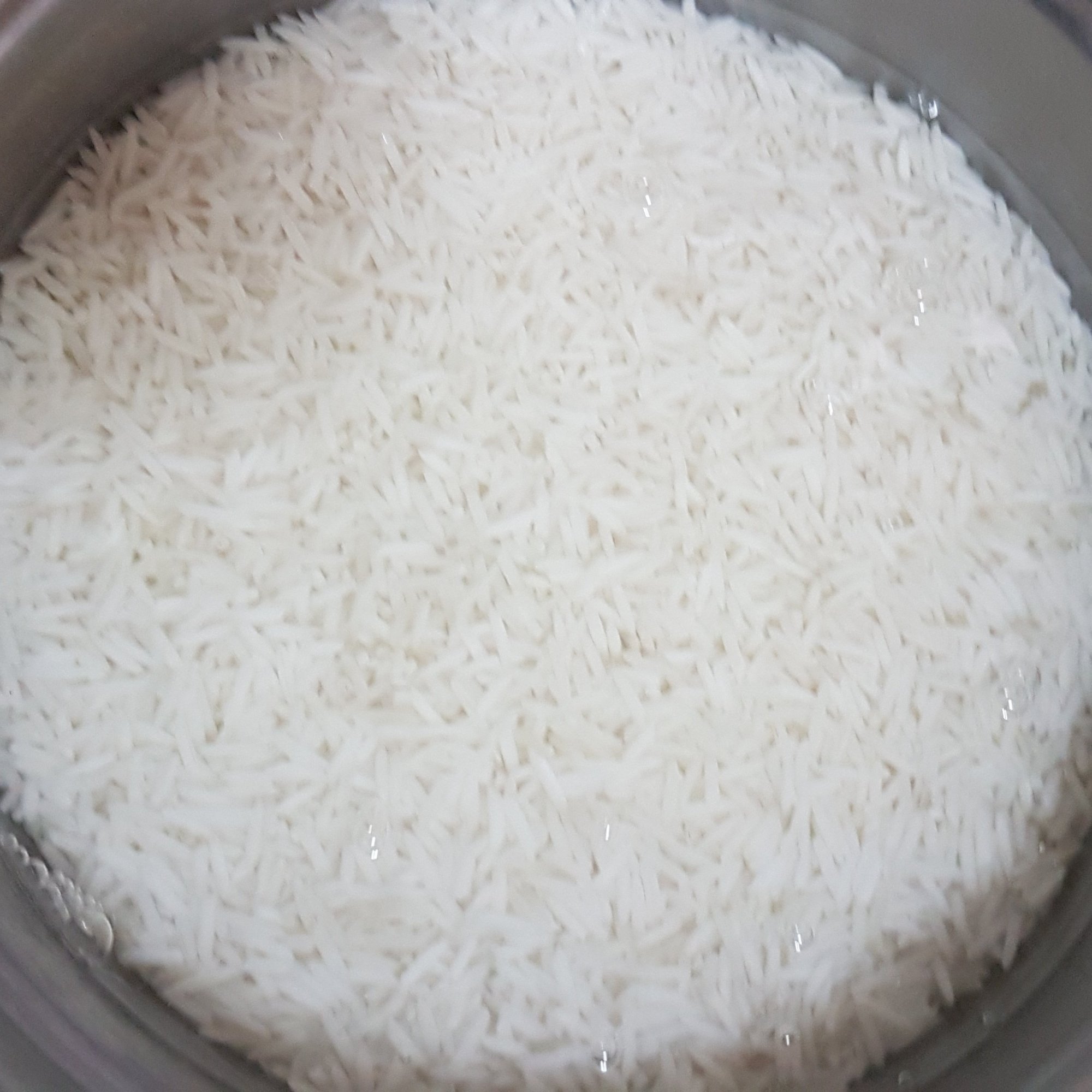
  1. Wash the rice. Add hot water to cover the rice and soak overnight .
  2. Clean and wash mutton and season with one teaspoon salt.
  3. Take a large pot to cook the pulao. Add 2 tbsp. ghee to the pot, heat and then add the shredded carrots, fry stirring often until cooked, then add the raisins and toss till the raisins are fried and swell up. Remove and set aside.
  4. Then add the meat and fry till brown. Remove.
  5. Add more ghee if required, add the onions and fry to a deep golden brown, then add the sliced tomatoes, cover and cook till the tomatoes dissolve and become a paste.
  6. Add the crushed garlic, cloves, cardamom, cinnamon, black cumin, pepper powder and 1 tsp garam masala, toss lightly. Add salt and the browned meat and sufficient water to cook. May use a cooker if desired.
  7. Cook the meat till tender and done. Remove the meat and set aside. Keep aside one cup of the stock.
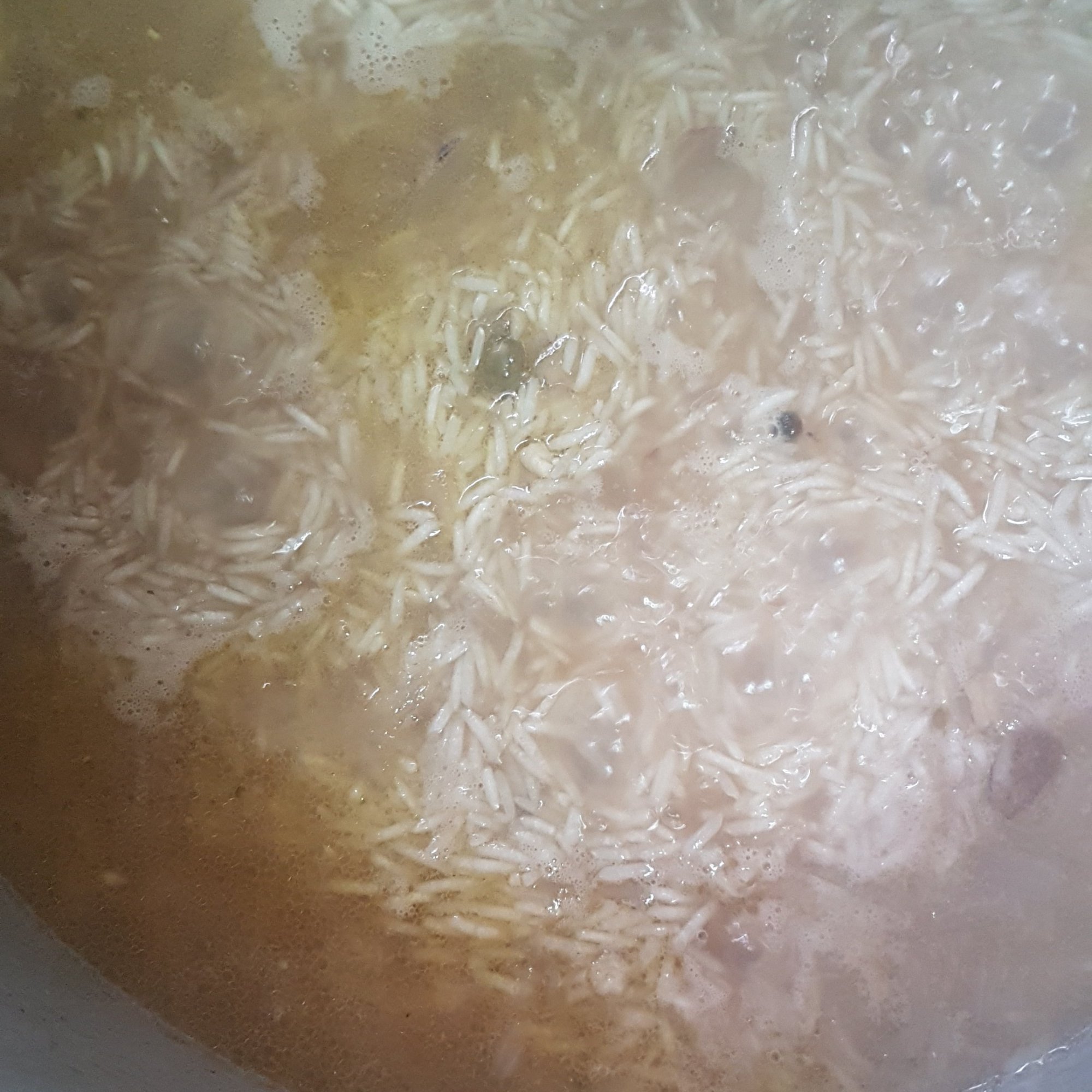
  8. To the remaining meat stock add the soaked rice, remaining garam masala powder and bring to a boil. Taste and add salt if required.
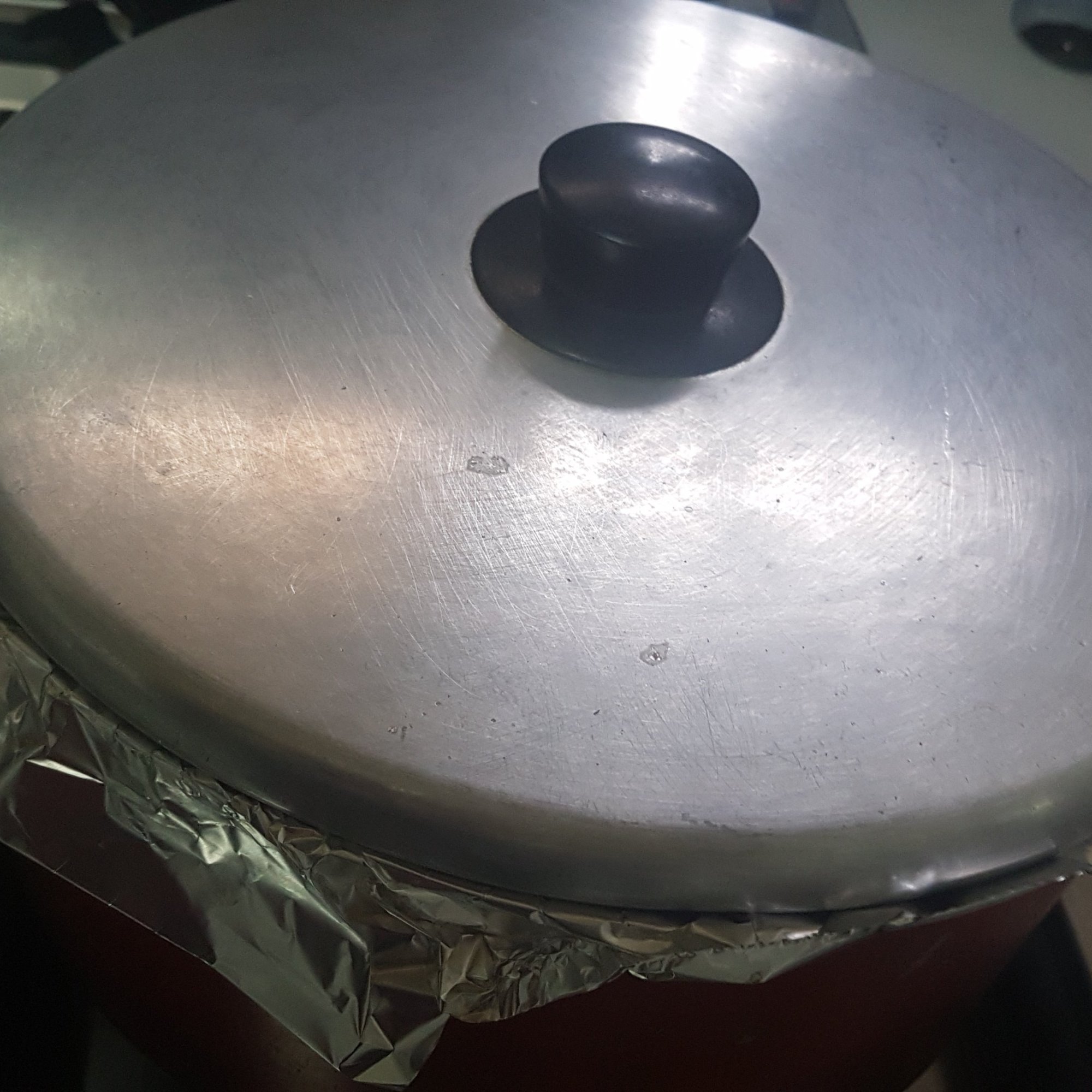
  9. Lower flame, cover with a tight fitting lid and cook till the rice is done and the stock is absorbed. Switch off the flame.
  10. Open the lid and sprinkle the reserved one cup stock over the rice, then place the cooked meat over the rice in a single layer, top with the fried carrots and raisins and make holes around the rice with the handle of a wooden spoon to allow steam to escape.
  11. Cover the pot with silver foil or a kitchen towel, place the lid and cook on high for 5 minutes, lower flame and cook 5 minutes more. Switch off the flame and allow to sit for 5 to 10 minutes. Serve hot.
  12. To serve gently move aside the meat and carrot raisins. Place the rice on a platter and top with the meat, then carrots and raisins. Garnish with toasted almonds and pistachios if desired.

Menu IV


A menu for a small gathering of guests by invitation to celebrate their special occasion.

The event was dinner and the food was prepared on the same day, starting in the morning for about fifteen people.

STARTERS

  1. Corn Canapes
  2. Tuna Fish balls
  3. Chicken Malai Kabab

MAIN COURSE

  1. Fried Rice
  2. Mutton Masala
  3. Methi Murg
  4. Choris Chilly fry Goa Sausage chilli fry Choris Pao
  5. Mushroom Capsicum masala
  6. Aloo Salaad Anarkali
  7. Beetroot Salad with orange dressing
  8. Bread rolls

DESSERT

  1. Shahi Tukda
  2. Jelly with fruit

Menu I & II (Easter Menu)

Menu III

How to make Marzipan Easter Eggs


DIY Making your own Marzipan Easter Eggs

To make marzipan eggs:

  • Ingredients for Marzipan
  • 250 gm. Blanced almonds
  • 500 gms. Icing sugar
  • Rose water for kneading

Powder the almonds and mix with icing sugar.  Knead to a soft dough using rose water a little at a time.  Divide into equal number of portions for colors you desire. Add a drop or two of the required colors for each portion and knead lightly till the color evens out. Shape into eggs with a mould or with your hands and decorate with flowers etc. using Royal Icing or fondant.

To make Royal Icing

Take egg white in a small bowl and keep adding icing sugar till the mixture becomes thick.  If runny add some more icing sugar, if too stiff add a little bit of water or milk till you get the right consistency for piping so that the piped designs hold and stand up in peaks.  I must admit, I am not very good in free hand icing designs, but I am sure you all can do better at the designing 😉

To make chocolate with marzipan eggs check out this link

To order all these and more in Mumbai, please check out my sister’s website Julianz.in

Easter Eggs

DIY Homemade Chocolate Easter eggs

How to make Chocolate Easter Eggs


DIY Making your own Chocolate Easter Eggs

In this blog I would like to share my knowledge and the art of ‘How to make Chocolate Easter Eggs’ to demonstrate step-by-step how easy it is to make your own!

Ingredients and accessories

  • Chocolate Dark, Milk and White, as required
  • Chocolate molds
  • Rubber spatulas
  • Glass or ceramic bowls

Step 1 Melting plain Chocolate

Microwave method (I use this method)

Break or chop the chocolate and place in a clean dry microwave-safe bowl.  A glass bowl is best because it conducts the heat from the chocolate as it melts, and reduces the risk of over-heating.  For small quantities it is safest to use a LOW or MEDIUM setting.  For larger quantities and once you become experienced, use HIGH .  The table below should only be used as a guide because melting times vary according to the brand and type of chocolate, the initial temperature of the chocolate and the size and material of the bowl used.  Check the chocolate frequently and prod it with a spoon – it may look solid when in fact it has melted.  White chocolate will burn more easily so watch it carefully.  A few lumps that appear after microwaving will dissolve upon stirring and help bring the temperature down of the chocolate which is a key to tempering chocolate.  The super-market bars of cooking chocolate, also referred to as Baker’s chocolate, do not really require tempering but heating and cooling the chocolate (tempering) is important to avoid the patchy and mottled look, which doesn’t alter taste but wouldn’t give you the glossy professional finish.

Approximate melting times in a 650-watt microwave oven

QUANTITY                      LOW                   HIGH

  •  50 g (2 oz)                     5 mins                2 mins
  •  75 g (3 oz)                     5 mins                2 mins
  • 125 g (4 oz)                    5 mins                2 mins
  • 172 g (6 oz)                    6 mins               2 mins
  • 225 g (8 oz)                    6 mins               2 1/2 mins

Bain Marie (double boiler) method

Cut the chocolate into small pieces and put it in  the top of a double saucepan.  The bottom pan should  be three-quarters full of gently simmering water.  If you haven’t got a double saucepan, put the chocolate in a clean, dry heatproof, preferably glass bowl and set it over a saucepan that’s about one third full of gently simmering water.  The bowl should fit snugly over the saucepan so that no steam can escape  round the sides.  The base of the bowl or top pan should not touch the water below.  Heat the water gently but do not allow it to boil. Leave the bowl on the pan until the chocolate looks melted. Remove the bowl or pan  from he heat and gently stir the chocolate until it is completely melted.  The temperature of the chocolate should not go above 50 deg C (122 deg F).  If water or steam come into contact with the chocolate, the texture will be spoilt and the chocolate will ‘sieze’, that is it will turn into a solid mass and will not melt.

Step 2 Filling the chocolate molds

Using cotton wool or soft muslin cloth polish the insides of the Easter candy molds. Place on a tray or counter lined with  baking parchment.

Spoon the chocolate into the molds (do not over fill) and tap the mold lightly to smoothen the surface and remove air-bubbles, if any.

Step 3 Setting the chocolate

Place the molds in the freezer for a few minutes until set and the underside of the mold appears opaque.  If it has wet patches on the underside, then it is not fully set.  Keep a while longer.Easter Chocolates Eggs (19)

Step 4 Unmolding the chocolate

Remove molds from the freezer and unmold by turning the mold upside-down onto a flat surface. Tap the mold lightly to release the chocolate.  Leave to dry.

Step 5 Presentation

Finish by wrapping in colored chocolate paper and decorative boxes and ribbons.

Be creative and make chocolate eggs with fruit and nuts, rice krispies, praline, marzipan, truffles….

To simply order all these and more from Mumbai, check out my sister’s website at Julianz.in

To make Hollow Egg:

Fill the mold with melted chocolate and place in the freezer for a few minutes till the sides are set but the centre is still soft.  Remove and pour out the soft chocolate from the centre.  Smoothen the interior of the egg with your fingers and place it back in the freezer until completely set.  Unmould and when dry join two halves together by applying some melted chocolate around the edges to form a full hollow egg. Prior to sealing the two halves, place some candy or small toy inside for a beautiful surprise for the kids.  Wrap and tie bows with colorful ribbons.

To make Chocolate with marzipan eggs:

  • Ingredients of Marzipan
  • 250 gm. Blanced almonds
  • 500 gms. Icing sugar
  • Rose water for kneading

To make marzipan Check this link

Powder the almonds and mix with icing sugar.  Knead to a soft dough using rose water a little at a time.  Make small egg shaped portions depending on the size of the chocolate mold. The marzipan egg must be smaller than the chocolate mold.

Pour a little melted chocolate in the mold.  Place the marzipan egg in the centre and press lightly.  Pour more chocolate over the marzipan to cover and fill the mold.  Put in the freezer to set.  Unmold when the underside of the mold turns opaque.  Leave to dry, then wrap each half in choclate wrapping paper.  Place two halves together and wrap again in decorative paper for a full 3D egg!

Ref: Good Housekeeping

Read my Blog on Easter Eggs for further information on making different types of chocolate and marzipan easter eggs and packaging.

How to make marzipan easter eggs


Menu Planning


Rudy Birthday 2018 (12)

MENU III 

A Birthday Menu

As stated is my post for Easter menu, where I have posted Menu I & II options, it is essential that any celebratory meal preparation would require some amount of planning ahead so that the day of the event becomes less stressful.  In my Easter Menu post I have given two menu options, one is North Indian fare and the second option is traditional food from Mais Recipes.

On my husband Rudy Pinto’s brithday on 6th November 2018, I had prepared the following menu which consisted of all traditional mangalorean food which he thoroughly relished and which without a doubt are his favorite dishes.

Any recipe that requires some form of marination can be made a day ahead.  Potato chops can be made ahead except for the final frying. Make sure you place butter paper/baking parchment in between the layers to prevent them sticking to each other. Alternatively, spread them out on a tray and place in the freezer to freeze individually, then place in polythelene bags or boxes.

MENU OPTION III

Mais Recipes and Mangalorean traditional dishes

Main Meal :

Rudy Birthday 2018 (11)

Page numbers refer to Mais Recipes

  1. Pork (Bafad)  Page 107
  2. Mutton Curry with coconut milk (Roce Curry)  Page 86
  3. Chicken Dry  (Chicken Sukka) Page 84
  4. Fried Chicken Page  81
  5. Plain Pulao Page 122
  6. Potato Chops Page 102
  7. Sannas Page 133

For starters/appetisers  homemade 🙂
  1. Canapes with Tuna & Cucumber filling
  2. Chicken samosas

Salads:-

  1. Beetroot salad with orange dressing
  2. Lettuce & Boiled egg salad

Desserts:-

  1. China Grass
  2. Gulab Jamun
  3. Assorted Mousse & cakes
  4. Ice Cream
Rudy Birthday 2018 (10)

Desserts

Menu I & II (Easter Menu)

Menu IV

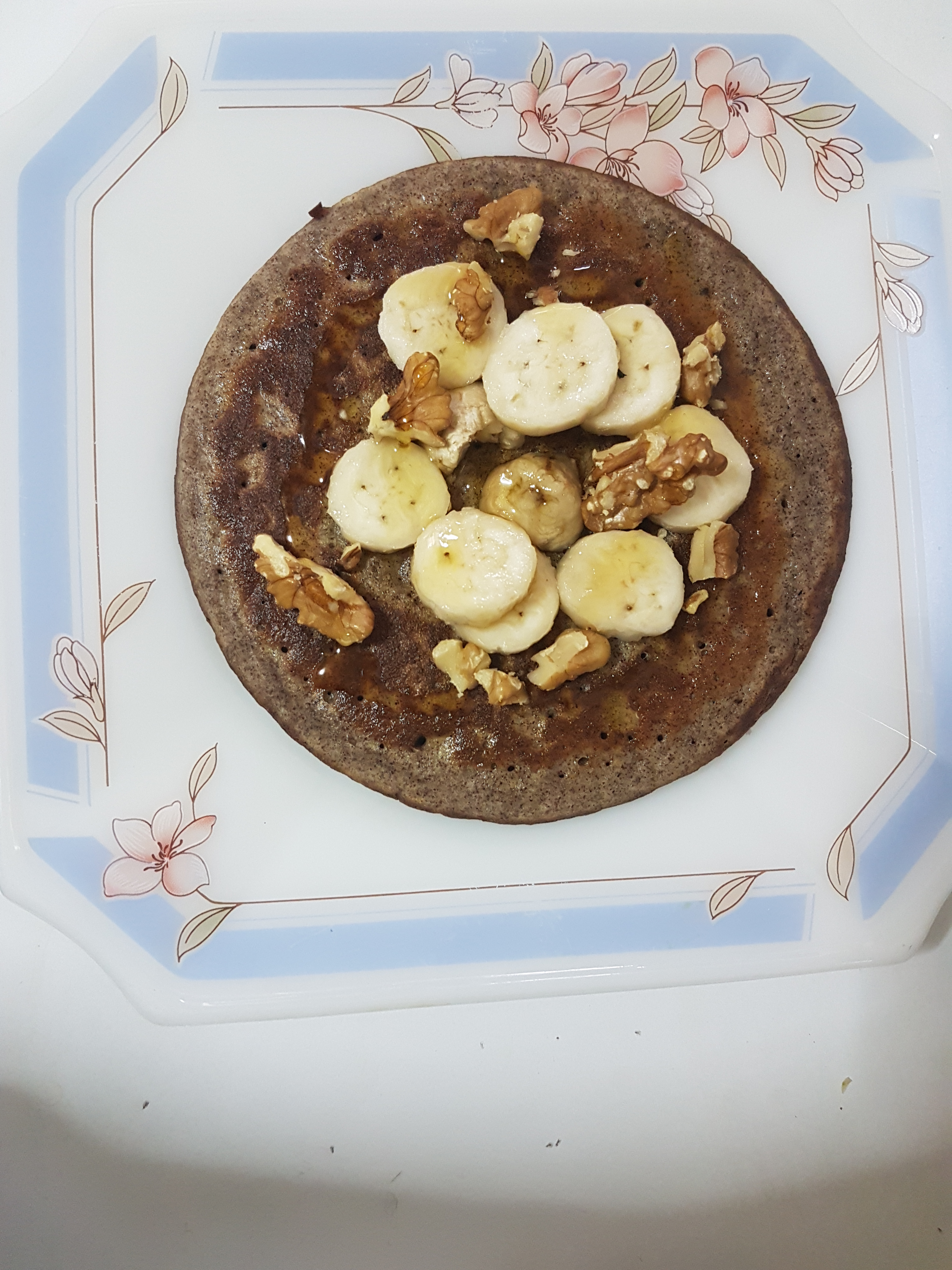
Ragi Banana Pancakes


The Ragi supergrain is making a come back. Also called finger millet or nachni it was one of the staples prior to the 50’s. The amazing benefits of Ragi is it is a good source of calcium, is super abundant in polyphenols and dietry fibres, has a low glycemic index, good for diabetics and an excellent source of natural iron.

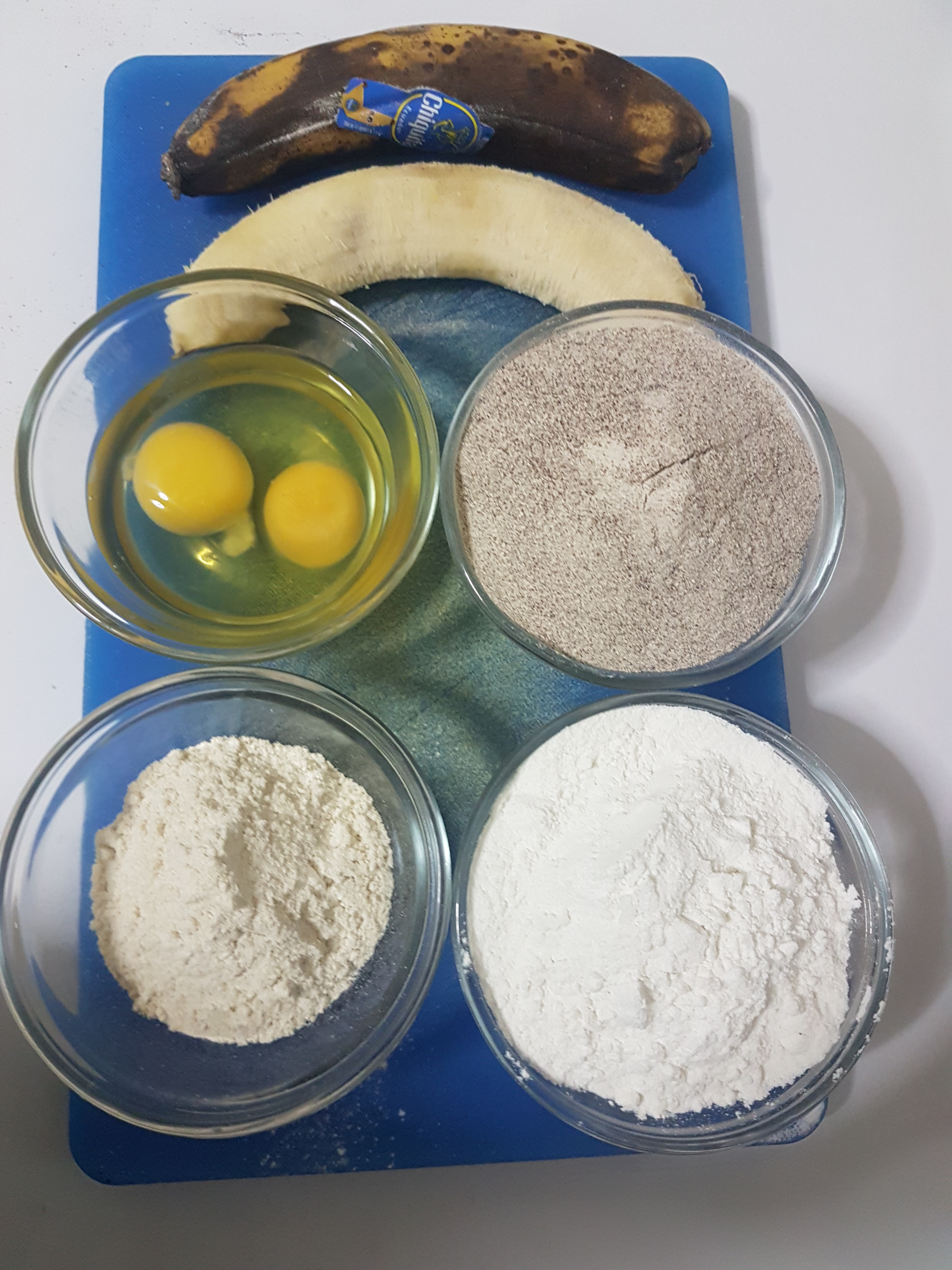
  • INGREDIENTS
  • 1 cups mashed bananas + 1 whole banana sliced for garnishing
  • 1/2 cup ragi (finger millet) flour
  • 1/2 cup rice flour
  • 1/4 cup wheat flour
  • 1/4 tsp soda bicarb
  • 2 eggs
  • 1 cup butter milk
  • 1/2 cup walnuts (or as required)
  • Salt to taste
  • Ghee or oil as required

METHOD

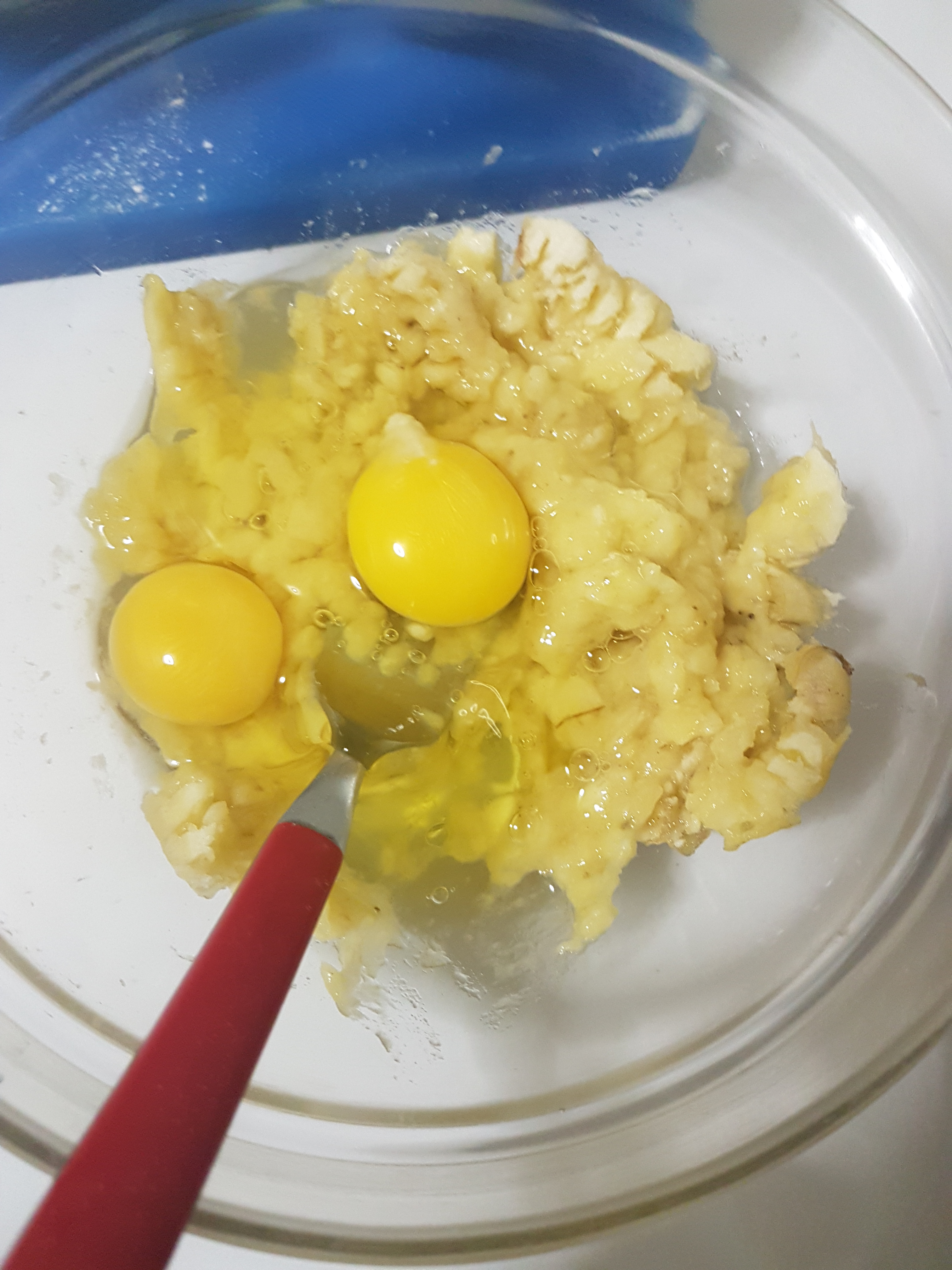
Sieve the flours together alongwith the soda bicarb and salt. Place the mashed bananas, eggs and butter milk in a bowl and whisk together. Gradually add the flours with the soda bicarb and salt and stir well to mix to a smooth batter. Add more butter milk if required, but keep the batter to thick pouring consistency.

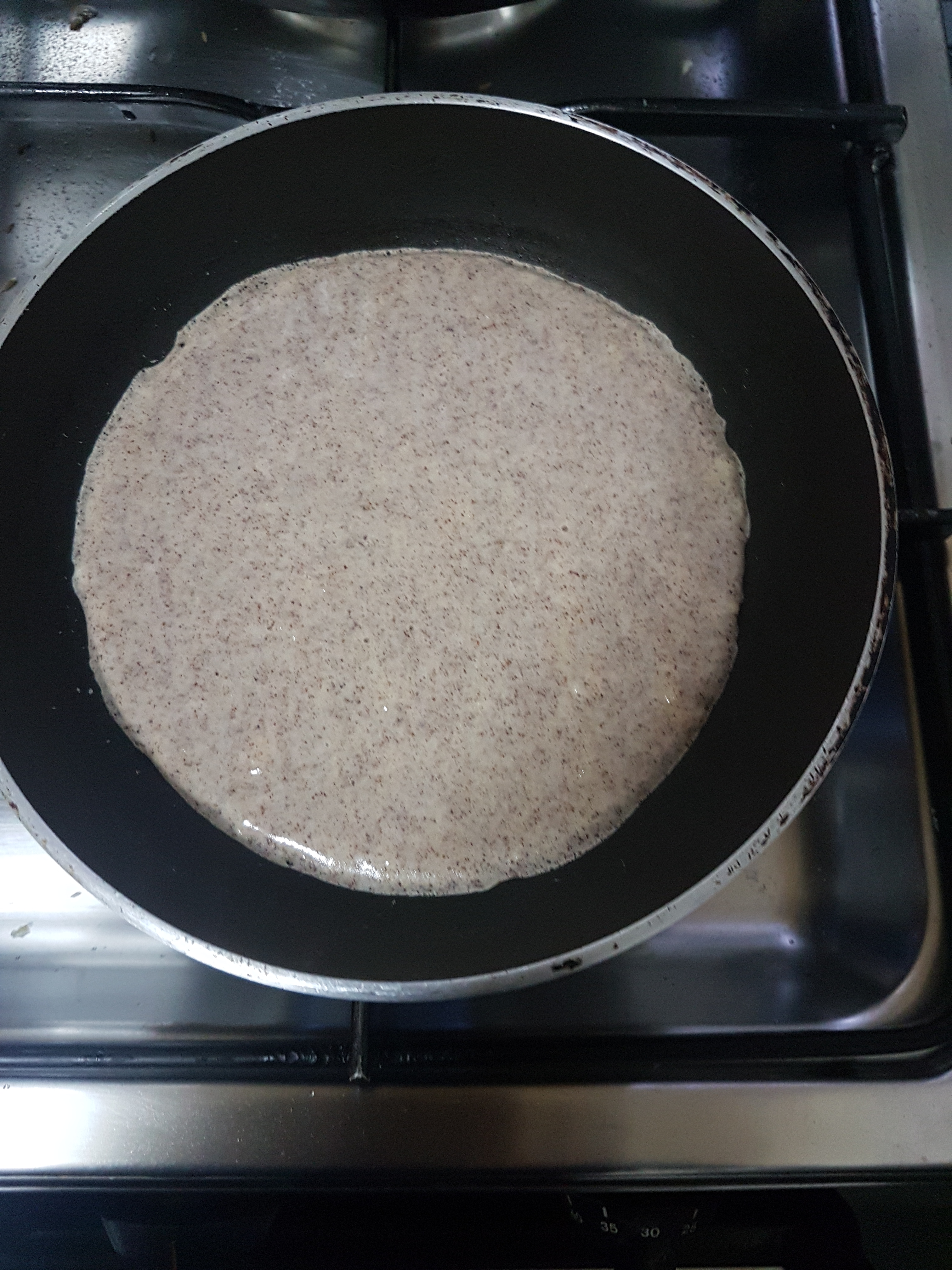
Heat an 8″ inch pan till very hot, grease with 1/4 tsp ghee and pour 1 cup batter and swirl the pan so it spreads evenly. Lower the flame to medium. Cover and cook till bubbles appear on the surface and the sides turn lightly brown. Take 1/4 tsp ghee and smear on the sides and middle of the pancake. Turn and cook till the underside turns brown.

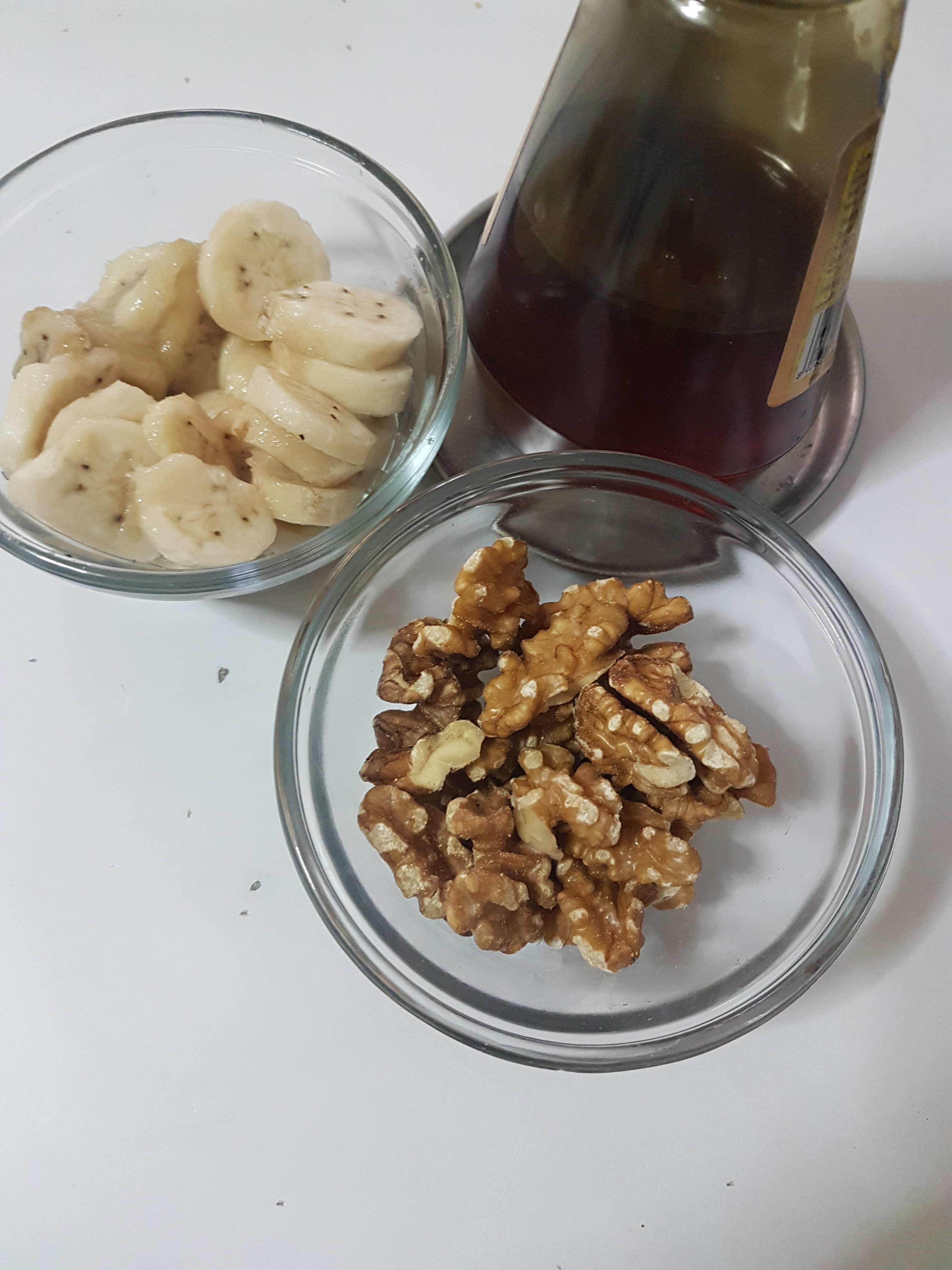
Remove to a plate. Serve hot topped with sliced bananas, walnuts and honey, maple syrup or simply spread with jam and enjoy for breakfast or a tea-time snack.

Powdered cinnamon or grated nutmeg may be sprinkled over the cooked pancake for added flavor.

Mais Recipes Corrections


Mai’s Recipes Book – CORRECTIONSMais Recipes the book

“VORN”-   Page 159

Dear friends ,

We would like to bring to the attention of all “Mais Recipes” patrons, specifically those who have purchased/received the new print edition of the book during the past two and a half to three years;

Due to a printing error the ‘Manni’ recipe is also printed for the ‘Vorn’ recipe.

The correct vorn recipe is given herebelow and we request you to kindly replace page 159 of Mai’s Recipes with this page.

You may also access the recipe with step-by-step procedure online, following this link :

https://cooklikececilia.com/vorn

We would like to thank Gwen Soeiro, for bringing this to our notice.

Thank you for your understanding and for your kind and continued patronage!

**********************************************************************************

CAKES & PUDDINGS   – Page 159

VORN

136 vorn[3]

Vorn

  • Ingredients
  • 1 cup rice
  • 1 cup moong dal
  • ½ kg. jaggery
  • 1 large coconut
  • 1 cup cashewnuts
  • 6 cardamoms, powdered
  • Salt to taste

Method 

  1. Wash rice and soak in cold water for atleast an hour. Grind to a fine paste.
  2. Grate coconut, grind and extract 2 cups thick milk and 2 to 3 cups thin milk.
  3. Wash the dal and boil alongwith salt and the thin coconut milk, adding some more water, if necessary, till cooked.   Remove scum.
  4. Add jaggery and cardamom powder and simmer till the jaggery is dissolved.
  5. Reduce heat and add the rice paste gradually, stirring all the time to prevent lumps forming.
  6. Cook till the mixture thickens and starts bubbling.
  7. Add the thick coconut milk and cashewnuts and simmer for 5 to 7 minutes.
  8. Serve warm or cold.

*************************************************************************************Additional minor corrections –

A few other corrections which we have noted and would be opportune to state in this post:-

  • Page 86 – Mutton curry with coconut milk –   Method – Substitute the word chicken with mutton
  • Page 167 – Nivol –  Method – Line 3, Grind with the onion and garlic to a paste

To get your copy of this invaluable Mais Recipe book, do check out this link:

Mai’s Recipes Contact details

Do write to us with your comments, clarifications and queries.

← Back

Thank you for your response. ✨


Mangalorean marriage customs and traditions – Conclusion


Marriage traditions – Conclusion

Mangalorean_Catholic_wedding_costumes

Mangalorean bride and groom

Marriage preparation from match-making to Porthapon consists of sixteen steps.  From finalizing the alliance/proposal to the marriage itself would require a minimum of six months for all church formalities, etc to be completed.  Even a civil marriage would require a minimum of one month from registration.

After the Porthapon etc. have taken place, personal invitations for lunch/dinner by close family and friends follow so that the bride can visit the home of the grooms family and friends and vice versa.  Thus the marriage celebrations are enjoyed for several days.  However, these personal invitations are now few and far between and gradually diminishing due to the fast paced lives that all lead.  In villages however, these customs would still be followed.

To state some of the rituals followed in earlier days, it is important to remember that (according to old records) most of the Mangalorean Catholic immigrants in 1683, were from the Bardes district of Goa.  The Konkani speaking Christians used the word kazar for marriage which is a portuguese word.  In South Canara (Mangalore) the Konkani Hindus as well as the Christians use the word vordik, which is probably derived from the sanskrit vri which means ‘to select’ and from the root vri are derived several words connected with marriage; bridegroom voreth, bride vokol, wedding invitation voulik, wedding party voran, female wedding guest vouli, male wedding guest voulo, wedding song vovi (plural: voviyo) and wedding procession is called vor.

The terms from the root vri were most likely imported by the Shenvi Brahmins of Bardes District in Goa who after their conversion were forced to emigrate into South Canara. Thus the marriage rites have many similarities with the marriage rites of the Shenvi Brahmins in Goa.

The ancient Shenvi marriages lasted nine days.  First day – Simant puja, worship at the boundary of village to drive away evil spirits.  Second day – The essential hindu rite of taking seven steps around the sacred fire. The Dravidian rite consisted in pouring water on the joined hands.  Third day – The bridal couple stayed at the bride’s house being feasted.  Fourth dayChouthandan, at night the bride was given to the bridegroom and they left for the bridegroom’s house.  Fifth day – At noon the bridal couple returns to the bride’s house. This was called panch parthana and the bridal couple stayed at the bride’s house.  Sixth day – The couple remained at the bride’s house.  Seventh day – Dinner (gaun jevan) was given at bride’s house.  Eigth day – At noon the couple returned to bridegroom’s house and a big dinner (gaun jevan) is held at bridegroom’s house.  Ninth day – The couple remained at bridegroom’s house.  Tenth day – The wedding ceremonies come to an end and the leave-taking (vasana) ceremony took place.

The Christians, after conversion, continued many of the ancient Hindu customs with some modifications like instead of a Brahmin priest blessing and sacrifices to various Gods, the blessing of the nuptials were performed in the church.  For the Porthapon and after a day’s stay at the bride’s house, the couple visit the bride’s house again a week later and again on the 30th day.  Also the newly wedded are invited by the bride’s family for all feast-days for a period of one year, the chief feasts being the parish feast, feast of St.John the Baptist, Infant Jesus (Minin Jesus) feast and Nativity of our Lady (Monthi Fest).  Apart from the official invitations, the bridegroom was as a rule not expected to visit his in-laws uninvited and if he visits in case of necessity he had to be accompanied by his father or another male relative and his mother does not accompany him, but a year after the wedding the bridegrooms’ mother is formally invited for dinner.  Similarly, the bride’s mother is also invited by the bridegroom’s mother and this dinner is called Yenicho samman’.

However as recent as 50 to 60 years ago, my Uncle Mark Oliveira (whose advice we invariably take for any marriage function) confirms that according to mangalorean customs and traditions wedding celebrations lasted 8 days and started one or two days before roce ceremony when all the required things (vojem) were brought by daijis (Uncle and Aunts, etc.) and cooked by wadegar (sector incharge) and their troop. Lawad (gurkar) will be the head of all the functions. Every function would take place in the afternoon due to transport problem and people had to walk for 10-12 miles to reach bride/grooms house.

Accordingly:-

  1. First Day – A day or two before the wedding the vojem ceremonies
  2. Second dayRoce ceremony
  3. Third dayNuptials/Church ceremony followed by  wedding reception (Lunch) at brides house.
  4. Fourth dayPorthapon Bride’s house
  5. Fifth day – Lunch at grooms house
  6. Sixth day – Lunch (Samman Jevan) at bride’s house
  7. Seventh day – Yeni samman for bride’s mother at groom’s house.
  8. Eighth day – Yeni samman for groom’s mother at bride’s house

Thus the community was used to elaborate marriage festivities especially in the rural areas and towns.

However, towards the close of the 19th century (as stated in the book “Catholics in the 19th Century”) efforts were made to trim down the festivities and bring reforms according to changing times as education was spreading.  The elaborate festivities were considered to be one of the reasons for poverty among the lower sections and one of the speakers in the Eucharistic Congress held in 1938 in Mangalore, gave a call to end ostentation in catholic weddings and festivities.

Present day wedding festivities go on for three or maximum four days.  Nonetheless, celebrations are still very elaborate and thoroughly enjoyable and full of emotions and sentiments if performed in the traditional manner in keeping with the culture and customs of the Mangalorean catholic community.  These marriage customs clearly manifest a mixture of the rich and impressive original rituals of our Hindu forefathers with the new Christian concepts expressed in a modern and Western style.

Previous Post : Porthapon                                                           Marriage customs & traditions

References: Severine Silva and Stephen Fuchs & Victor D’sa, S.V.D.: The Marriage Customs of the Christians in South Canara, India. Catholics in the 19th Century.


Mangalorean Marriage Customs and Traditions – Porthapon


STEP 16

Porthapon – Return Dinner

ghumat-or-ghumott-the-traditional-percussion-musical-instrument-of-goa-india-made-using-leather-membrane-and-earthern-pot-P8NT9M

Ghumat

Then:

The following day of the wedding the newly wedded couple return in the afternoon to the bride’s house which is called porthapon, from porthen apone, “calling again”.  The bridegroom is accompanied by twelve of his friends and the father by four close relatives.  A grand dinner is served at the bride’s house with great entertainment by singing and playing music with the ghumat**. The bridal pair is served heaps of food which they would never be able to eat but they have to put morsels of food into each other’s mouth.  When everyone has finished their meal the guests sitting last for the meal sing the laudate at the end of the meal.

The next day the bridal couple returns to the bridegrooms house for a dinner for the bride’s family and this way there is continuous visiting and re-visiting between the two homes. The following day the two again proceed to the bride’s house  and this time stay for four days which gave rise to the term choundisacho novro the ‘four-day bridegroom’. During these four days the couple is feasted by relatives and the bridegroom is given oil bath daily assisted by his own companions and the bride’s sisters.  Extra special care is taken to ensure the bridegroom does not leave before the end of the four days.

Now:

Today since the wedding functions are curtailed due to time constraints, only the next day dinner is celebrated amongst close relatives and friends of the bridal party.  The bride’s parents would enquire from the groom’s parents the number of guests who would attend or specify the number of guests they can bring. The grooms family may or may not have the return dinner, but nowadays it is common for the Porthapon to be held jointly by both families and the function is held at a party hall.  On my wedding the porthapon was at my parents’ house.

As tradition dictates two male relatives (like brides brother and an uncle) would go to the bridegrooms’ house to personally bring the bridal couple for the dinner. In the past the bridesmaids would accompany the bride to the bridegrooms house after the reception and stay there and then come along with them to the porthapon.

porthapon Fancy costume

Fancy dress costumes – Indicative


They would all then proceed in procession and the brides relatives would come forward at a convenient location to meet the party and welcome them in song and dance to the playing of the Ghumat.  The brides’ guests would dress in fancy costumes to add to the fun and entertainment quotient of the function and the men would usually dress as women.

The bride wears her Dharma Sado, saree given by her parents.   At her mother’s house she changes into the Maipano, saree gifted by her mother and flowers are put in hair.

The grooms mother would take along some gifts of fruit and/or sweets which she gifts to the mother of the bride/Yejman. The brides mother in turn would do the same.

Raoul charm porthapon


My younger son got married in Goa and so we did not have the sado ceremony at the reception.  Instead my daughter-in-law wore the sado for the porthapon which was at her parents house.  Upon reaching there she changed into the red dress (Goan sado) give by her mother.

Rohan Wedd portapon

Dancing and singing to DJ music and Ghumat continue through the night.  At the Porthapon it is customary for the senior members and close members of both families to be introduced to each other and the occasion enables the two new families to get acquainted with each other.


Formal functions may be conduted by a professional MC and DJ. After prayers when dinner is announced, the bridal couple is served first and their plates are piled with food, although they are not expected to finish it, but are expected to put a morsel of food in each others mouth.

The bride and groom usually stay at  bride’s house for the night, but this custom may or may not be followed nowadays. At the end of the function,  the bride’s suitcase with her personal belongings is carried to her new home by the Mal Dhedo.


** A brief of the Instrument Ghumat:
The ghumat is a membranophone percussion instrument from Goa and Karnataka. It is an earthen vessel, in the shape of a pot, having both sides open. On the bigger opening a drum membrane is tied taut around it. In the old days, it was mounted by a membrane made of the skin of the monitor lizard. Now, with the banning of the use of the skin of the lizard, more innovative methods are used. One of the membranes now used are synthetic membranes made from artificial materials. The sounds of the ghumat are manipulated by the opening and closing of the smaller hole with the palm of the one hand while the membrane around the larger opening is delicately struck with the other hand to produce the sound. (Ref: The live music project)

Previous Post: Mai’n Mudi Shivnchi & Opsun

Next Post: Conclusion

References: Severine Silva and Stephen Fuchs & Victor D’sa, S.V.D.: The Marriage Customs of the Christians in South Canara, India

N.B. I am open to receiving research projects on culture and traditions.  Please write to me at cecilia65@gmail.com


Contribution towards research on culture and traditions

If you find my research and posts on The Mangalorean Culture and Traditions useful and worthy and would like to participate towards improving and enhancing my website and my research, please contribute how you see fit.

$5.00

Manglorean marriage customs and traditions – Maain Mudi Shivnchen & Opsun Divnchen


STEP 14 and STEP 15

MAAIN MUDI SHIVNCHEN and OPSUN DIVNCHEN

These customs though important, are short ceremonies perfomed at the wedding reception either before dinner or at the end of the wedding, as this is mainly performed between the very close members of the family.

STEP 14 – MAAIN MUDI SHIVNCHEN – Mother-in-law presenting a ring to her son-in-law, the groom

Then:

After the wedding dinner was concluded, the mudi shivnchen ceremony was performed.  The bridegroom was made to stand in the matov and the bride’s mother presented him with a ring as a sign that she is his mother-in-law and henceforth he had to address her as “mai’ mother.  The elder women of the bride’s family her aunts’ i.e. sisters, sisters-in-law and cousins of her mother were addressed by the groom as fagor mai and any distantly related woman could become his fagor mai if she presented him with a ring. More importantly the woman were expected to give their blessings to the groom as his fagor mai.

Now:

As I have seen for my son’s wedding, the bridegroom is made to stand in a prominent place in the reception hall and his mal dedho stands next to him with a handkerchief held open in both hands.  The mother-in-law will bless the groom and present him with the ring.  The other fagor mais  i.e. the brides aunts, etc. will come forward to bless the groom and put some cash into the handkerchief held by the mal dedho (bestman).  This money goes to the bestmen who celebrate later with the money collected.

The following song is appropriately sung or played for the Mudi Shivnchen ceremony.

  • Bhaglyar Kityak Ubo Voretha….


The following video of Maxim and Melita’s wedding (Youtube) depicts the customs in detail and in a very clear format, thanks to the MC who has done a great job in explaining each step clearly and the videographer who has captured the important and solemn moments.


STEP 15 – OPSUN DIVNCHEN – The solemn transferment of the bride to the bridegrooms family

Then:

Once the presentation of rings was completed (at the bride’s house) the bridegroom takes the bride to his house in procession  with the band playing.   Relatives of the bride also accompany the bride. When the procession reaches the matov the Laudate is sung.  Then the solemn opsun divnchen ceremony is performed and here the bridegroom is not present.

The father of the bride or an older Uncle alongwith his closest relatives steps forward and takes the hand of his daughter and presents her formally to the bridegroom’s father and his family with the typical proclamation as follows (which is in english the konkani translation of which is in the above video :-

“Up to this time we have loved  this girl.  Today we hand her over to you in the hope that you will love her in the same measure”.

The bridegrooms father or an elder Uncle, takes the hand of the bride while giving an appropriate reply which is something like :

“We are happy to receive your daughter and will love her and take care of her even more than you have given her and will look after her just as our own daughter”.

The bride usually breaks into tears upon the realisation that she must now part from her near and dear ones in earnest. The women break into the parting song which brings everyone present to tears.

  • Sovo Sovo Surngarone (Opsun ditana song) ….


The bridegrooms mother then takes the bride by the hand and leads her into the house, accompanied by other women. While the bride steps over the threshold she must do so with her right foot.

Now:

Various Opsun Divnche scenes above.

In the wedding hall, after the Mudi Shivnchi ceremony the bride and groom are blessed by their parents and all elders of the family.  Then the bride is brought forward and the Opsun Divnchen ceremony takes place as detailed above with the bride and her family breaking into tears.

  • Rodonaka Baye ….


The laudate is sung at the end of the ceremony.

After the ceremony the bride is led away from her family and seated and welcomed by her monther-in-law with a glass of milk to drink (and in some customs also an elchi banana to eat).  This marks the end of the wedding ceremony.

  • Tambde Roza


When the bride reaches the bridegrooms house she is carried over the threshold by her husband.

melrish-0768 opsun to husband

YENI SAMMAN

In earlier times when weddings lasted for 8 to 10 days, the yeni samman i.e. the  brides mothers’ dinner and the grooms mothers dinner took place after the porthapon and both the mothers gifted each other a saree. But since the duration of the weddings are now curtailed to 3 to 4 days, skipping the yeni dinners, the yeni saree is exchanged at the porthapon or at the wedding reception.

Yeni kapad MaiNMai

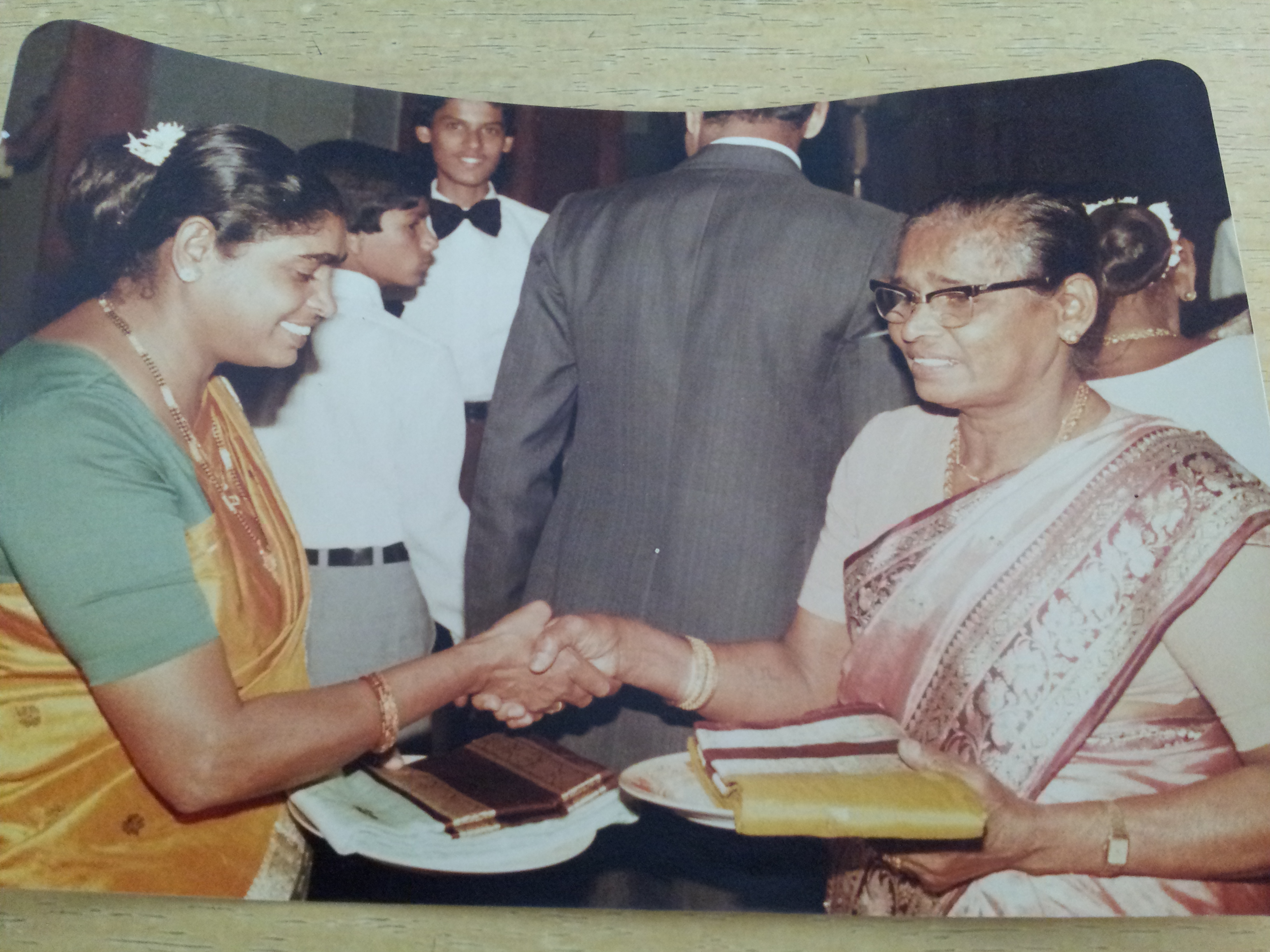
Yeni Kappad – My mother (L) and my mother-in-law (R)

The yeni saree gift exchange which was at the reception for my wedding 37 years ago.

Previous Post: Weddng reception – Kazara Jevon                  Next Post:  Porthapon

References: Severine Silva and Stephen Fuchs & Victor D’sa, S.V.D.: The Marriage Customs of the Christians in South Canara, India

N.B.: I am open to accepting research projects on culture and traditions.  Please email me with details to cecilia65@gmail.com

Contribution towards research on culture and traditions

If you find my research and posts on The Mangalorean Culture and Traditions useful and worthy and would like to participate towards improving and enhancing my website and my research, please contribute how you see fit.

$5.00