Authentic tried and tested simple recipes in mainly Indian cooking, including traditional mangalorean, Goan, East Indian, North Indian recipes and much more…
Shrove Tuesday or Pancake Tuesday or Pancake Day is the day in February or March immediately preceding Ash Wednesday (the first day of Lent), which is celebrated in some countries by consuming pancakes. In others, especially those where it is called Mardi Gras or some translation thereof, this is a carnival day, and also the last day of “fat eating” or “gorging” before the fasting period of Lent.
This moveable feast is determined by Easter. The expression “Shrove Tuesday” comes from the word shrive, meaning “absolve.[1] Shrove Tuesday is observed by many Christians, including Anglicans, Lutherans, Methodistsand Roman Catholics,[2] who “make a special point of self-examination, of considering what wrongs they need to repent, and what amendments of life or areas of spiritual growth they especially need to ask God’s help in dealing with.”[3]
As this is the last day of the liturgical season historically known as Shrovetide, before the penitential season of Lent, related popular practices, such as indulging in food that one gives up for the upcoming forty days, are associated with Shrove Tuesday celebrations. The term Mardi Gras is French for “Fat Tuesday”, referring to the practice of the last night of eating richer, fatty foods before the ritual fasting of the Lenten season, which begins on Ash Wednesday.
It has taken me a lot of courage to make Kesari Baath due to the amount of ghee and sugar used (equal to quantity of rava), but trust me it was truly satisfying and didn’t feel weighed down after consuming this delicious dish! It is a must try!!
My other rava or sooji halwa recipes have half the quantity of ghee/sugar, but this recipe turns out truly melt in your mouth. This is usually served as prasad at temples and at pooja ceremonies.
Ingredients
1 cup Rava (Sooji, Semolina, Farina)
1 cup sugar
1 cup ghee
1 tbsp. oil
2 tbsp. cashewnuts, broken
2 tbsp. raisins
½ tsp. Saffron (Kesar)
½ tsp. cardamom powder (optional)
Method
Heat 2 tbsp. ghee (from the one cup) in a kadai, fry the cashewnuts and raisins to golden brown.
Remove and set aside.
In the same ghee, roast the rava on low heat till aromatic, 10 to 15 minutes on low flame. Remove.
Add three cups water to the kadai, 1 tbsp. oil and half the remaining ghee, and the sugar and bring to a boil.
Add the kesar and cook till sugar dissolves.
Reduce flame to low and add rava and stir making sure no lumps are formed.
Stir cook for 2 minutes.
Cover and cook till all the water is absorbed, mix well till rava is well cooked.
Add the remaining ghee and stir cooking till the ghee is incorporated and the rava begins leaving the sides of the kadai and ghee begins to separate.
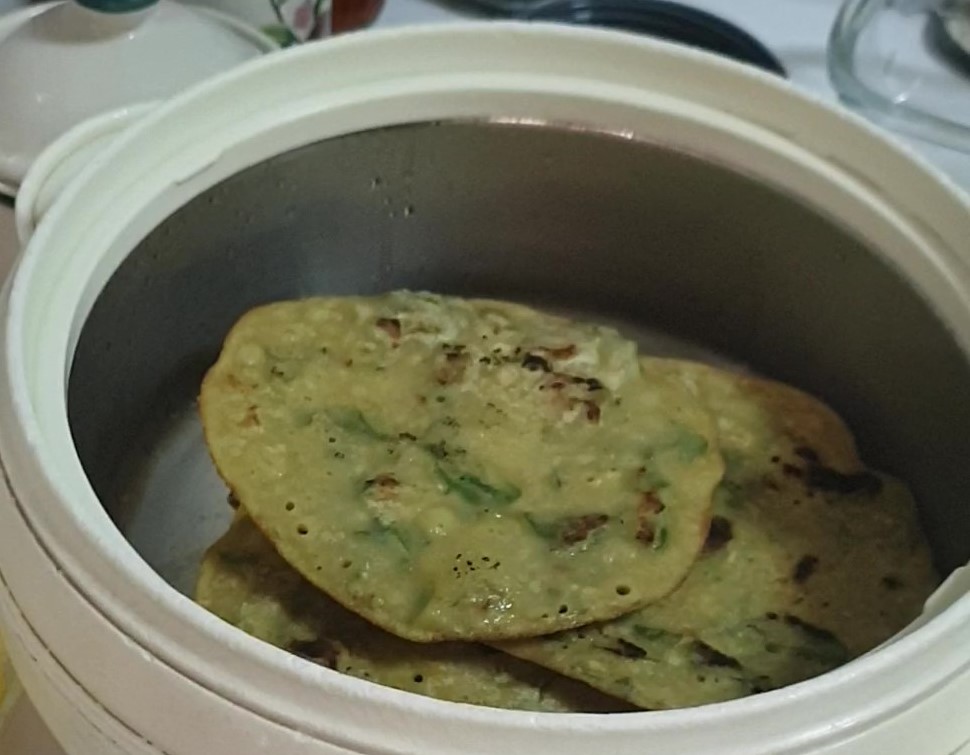
These are not the usual Mooli Parathas but more like theplas, usually served at mealtimes but can be enjoyed for breakfast or as a teatime snack with a hot cup of tea or coffee.
Ingredients
2 cups grated raddish
4 cups wheat flour
2 tsp. ginger-garlic paste
2 tsp chilli powder
1 tsp. ajwain
Salt to taste
2 tbsp. oil
Ghee for smearing the rotis
Method
Peel, clean and wash the mooli (raddish).
Mix all the above and and knead to a soft dough.
Divide into equal portions (about 15 to 18) and roll into a circle as thin as possible dusting some flour to prevent it sticking.
Cook the roti to a golden brown on a hot griddle (tava) on both sides applying some ghee on both sides.
Serve hot with lunch or dinner or for breakfast with yogurt, pickle.
What do you do when you feel like pancakes and have run out of eggs…. You make eggless pancakes! What do you do when you have some overripe bananas in the kitchen and don’t wish to discard them you add them to the eggless pancake batter and make ‘Eggless Banana Pancakes’. True deliciousness!! The best eggless pancakes ever…..
Eggless Banana Pancakes
Ingredients
1 Cup All Purpose flour or wheat flour
2 ripe bananas
1 tsp. sugar
¼ tsp. cinnamon powder (optional)
2 tsp. baking powder
¼ tsp. salt
1 cup milk
1 tbs. oil
1 tbs. water
1 tsp. vanilla essence
2 tbsp. butter, melted
Method
Whisk dry ingredients in a bowl.
In a separate bowl add milk, oil, water, vanilla, mix and add to the dry ingredients and mix lightly, its okay for lumps to remain.
Mash two ripe bananas and add to the batter and mix.
Melt the butter in a heated pan and add immediately to the batter and combine.
To the same pan, on heat, put ¾ cup of the batter, spread into circle, cover and cook till the wet look disappears and bubbles appear on top.
Flip and cook on other side for a minute or two till brown.
Serve hot with honey, maple syrup, butter or just enjoy them plain.
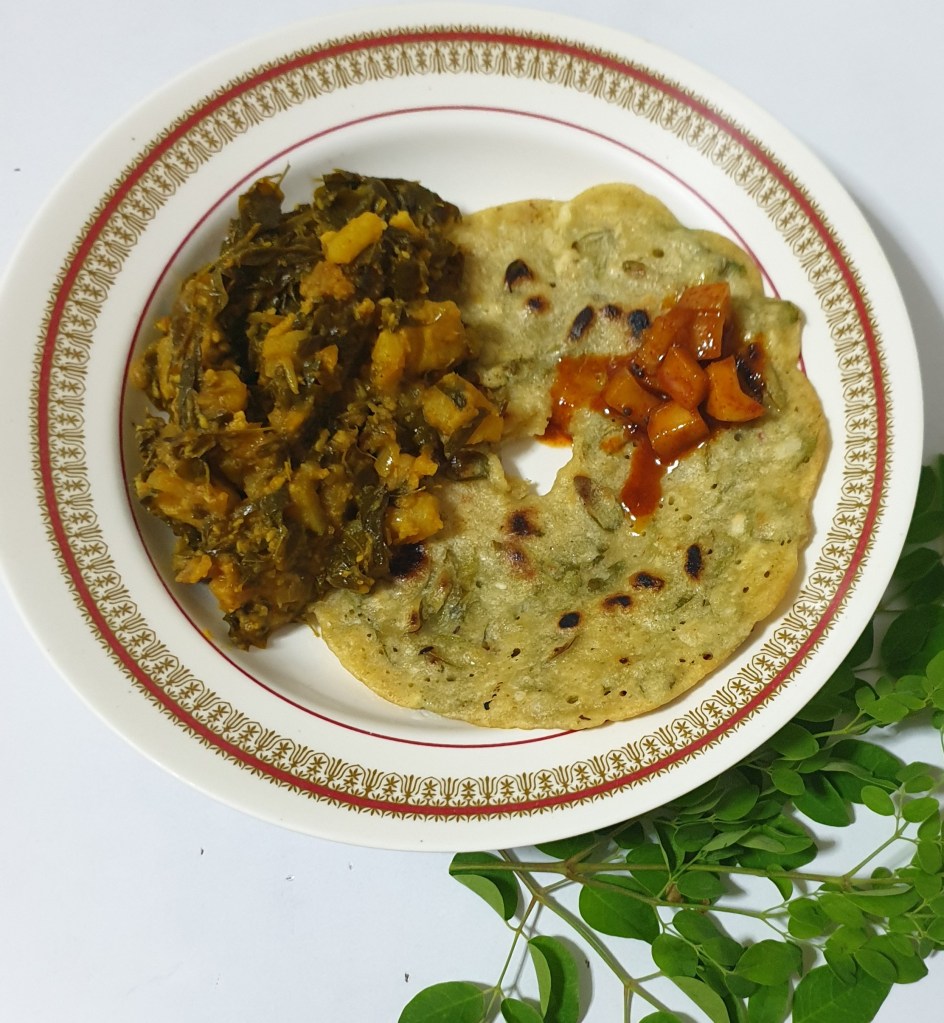
Enjoy healthy and nutritious drumstick leaves, popularly known as ‘Moringa leaves’ which are a powerhouse of nutrition. There are several ways to cook drumstick leaves some of which are herebelow. We used to have plenty of the drumstick trees around our houses and don’t think our mothers ever had to purchase drumsticks or the leaves for cooking.
As they are currently available in the market decided to make a few dishes and post recipes.
These cakes are usually steamed in teak leaves, which impart a unique fragrance and reddish color to the cake. In the absence of teak leaves here, I have used banana leaves but would surely use teak leaves whenever I can get some and re-post the pictures. Canned jackfruit has been used in this recipe.
Ponsache Patoleo – Jackfruit cakes steamed in banana leaves (Pelakai da ghatti in Tulu)
Jaggery 1/4 cup, or as required (may be omitted if jackfruit is extra sweet)
Salt to taste.
8 Teak leaves (or 5 to 6 banana leaves cut into medium sized pieces)
Wash and soak rice for 4 to 6 hours or overnight.
Grind along with jackfruit, coconut and jaggery to a very thick paste using very little water. Add salt.
If using rice rava, soak for 15 minutes. Grind the jackfruit, coconut, jaggery to a paste and mix with the rava.
Place 2 ladles (or more depending on the size of the leaf) and fold into a packet and place in steamer, seam side down and steam for 30 minutes. Cooking time would vary according to size and thickness of the jackfruit cake.
Remove and cut into pieces, if cakes are large.
Serve for breakfast or as tea-time snack. Also goes well with curries on festival menus.
Slice the almonds and pistas. Clean the raisins, removing stems if any.
Heat ghee in a kadai and fry the raisins till they swell. Remove and set aside. Fry the cashewnuts lightly and remove.
Add the rawa to the kadai and fry on medium low flame till it turns light brown and you get a nice aroma. Takes about 15 to 20 minutes. You can fry it longer if you prefer it nice and brown. Do not fry on high flame or the rawa will get burnt ruining the sheera.
Add the hot water and stir quickly to avoid lumps being formed.
Add the saffron and stir and mix well. When the rawa thickens add the sugar and mix till dissolved.
Then add the nuts and raisins. Keep stirring till it begins to leave the sides of the kadai and forms a ball.
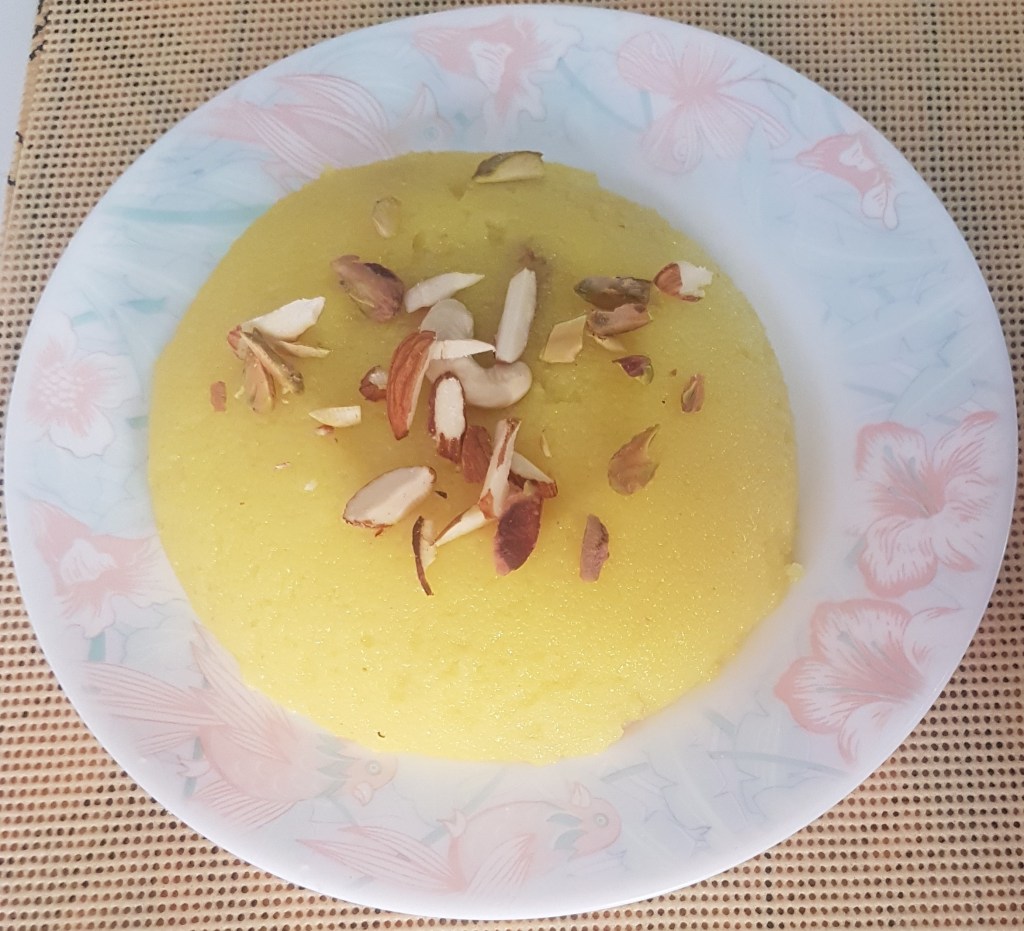
Put into bowls and press lightly and turn out onto a serving plate. Garnish with nuts and serve hot.
Avoided saffron (kesar), but intend to make kesari baath soon, going all out with the ghee and sugar in equal quantities to the rava!!
And the Kesari Baath is now published do check it out!
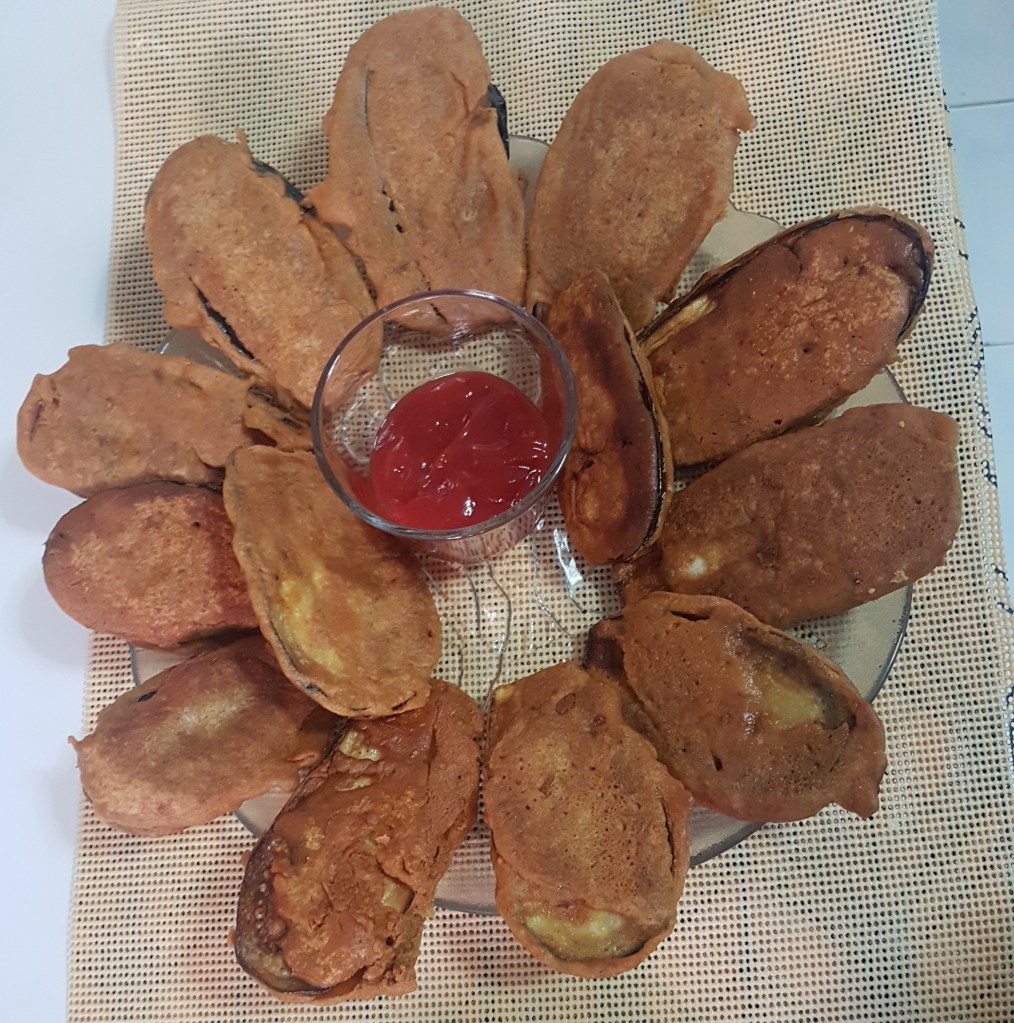
Brinjals or aubergines or eggplants as they are called are a very versatile vegetable and a universal favorite, available roundthe year. They are delicious fried as pakoras, bhajias, stuffed with mince or green chutney masala (these recipes are in the book Mai’s recipes). The brinjal bharta and brinjal pickle are famous and so is the turkish recipe Imam Bayildi
Ingredients
6 medium brinjals (or two large)
1 ½ cups besan (gram flour)
¼ tsp. soda bircarb (optional)
1 tsp. carom seeds (ajwain)
2 tsp. chilli powder or to taste
1 ½ tsp. amchur (dry mango powder) or pomegranate seeds powder
1 tsp. salt or to taste
1 ½ cups water
Oil for shallow frying
Method
Slice the medium brinjals horizontally. If large cut into round slices.
Mix the gram flour, soda bicarb, ajwain, chilli powder, amchur, salt to taste and make a batter with 1 cup water.
Add some more water if batter is too thick.
Batter should coat the brinjals without dripping.
At the same time the coating should not be too thick.
Shallow fry to golden brown on both sides in hot oil.
Serve hot with ketchup, mint sauce, chilli garlic sauce or any sauce of your choice.
Make into sandwiches with bread or pita bread or rolled into a chapati for breakfast, packed lunch or a snack.
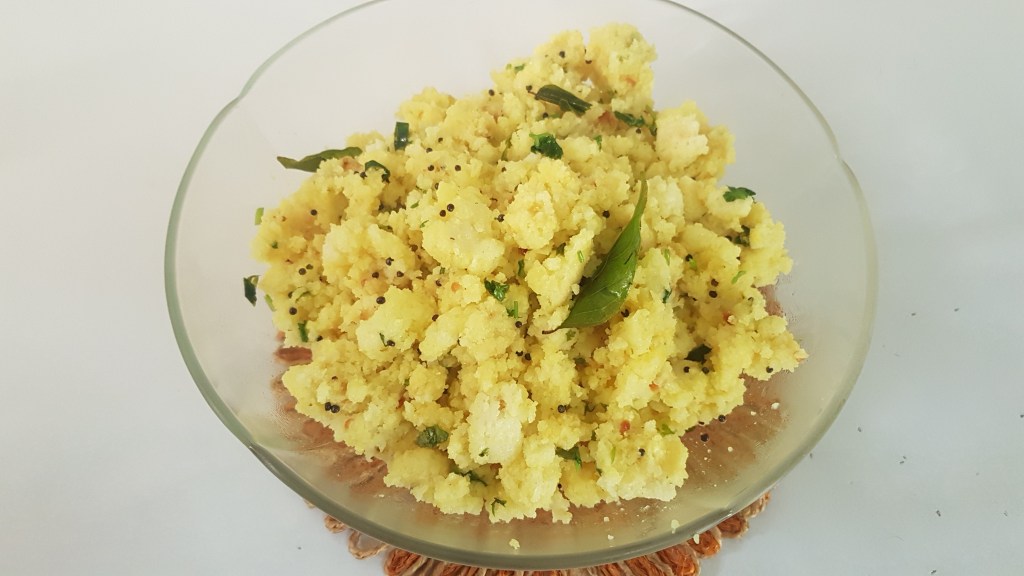
A simple and easy upma recipe to use-up leftover dosas, sannas, idlis, etc. Similar Upma can even be made of leftover bread. Transforms into a completely new and delicious dish which you will certainly enjoy!
Ingredients
1 Cup yogurt
2 cups Dosa, chopped into pieces
2 green chillies, chopped
½ tsp mustard seeds
1tsp. urad dal
2 tbsp. coriander, chopped
Few curry leaves
¼ tsp. turmeric powder
½ tsp salt
1 tbsp. ghee
Method
Beat the yogurt and add the dosa pieces and set aside.
Heat a kadai, add the ghee, when hot add the mustard seeds and allow to splutter
Add the urad dal, let it turn lightly brown.
Add the curry leaves and green chillies.
Saute lightly.
Add turmeric and the marinated dosa pieces.
Mix well and heat through.
Garnish with chopped coriander leaves.
Serve hot for breakfast or as tea-time snack or a mid-morning snack.
Typical daily diet for lactating mothers, to be followed for atleast one month after delivery.
A constant dilemma usually faced is what to cook? and what to eat? and for women who have given birth many foods are restricted especially when breastfeeding their baby. Hence, the food choices get further narrowed down. This post is to alleviate some of the confusion as to the diet required to be followed by lactating mothers. Hopefully, these tips would also take away some of the stress in menu planning, faced by those caring for “mother and babe”.
Points to bear in mind:-
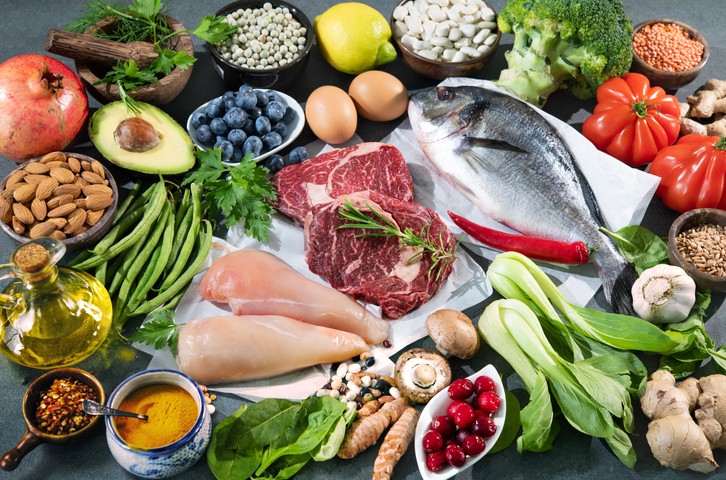
Include more of nuts, fruit, vegetables in your diet.
Meals should be light, freshly cooked and easily digestible.
Avoid packaged and processed foods, aerated drinks, alcohol and packaged juices. Fresh juices are preferable, include yogurt and buttermilk, if possible.
Use only healthy fats like pure ghee, coconut oil, olive oil, sesame oil for cooking.
Avoid heavily spiced food.
Limit sweets and fried food.
Avoid left-over food from previous day etc, as far as possible.
Avoid Pork and Beef.
Avoid Mackerels, Sardines, King Fish, Shrimps & Crabs, Shell-fish i.e. anything from the Crustaceans, shellfish, mollusks group.
Avoid potatoes, brinjals, starchy food and pulses to avoid flatulence and indigestion which can affect the baby through the breast milk.
Daily Diet Plan – Schedule is approximate and should be adjusted to suit your day. Most of the recipes are available on this site and can be accessed by clicking on the link. Additional options/recipes can be found in the book “Mais Recipes”.
Fenugreek/Ajwain (Carom seeds) tea 3 to 4 times a day or throughout the day instead of plain water.
To prepare Fenugreek Ajwain water : Add a teaspoon each of Fenugreek, Ajwain (Carom seeds), Cumin and Fennel (Badishep) seeds to one litre or 1.5 litres of water, bring to a boil, switch off flame, cover and let it infuse for 10 minutes. Strain and reserve, to be taken by the mother, preferably warm, throughout the day instead of normal water
On rising
Warm water or Ajwain/Fenugreek tea, 5 to 10 soaked almonds with 1 or 2 dates. (Pre-soak the almonds the previous night, next morning peel and eat).
Breakfast – 08:00 a.m. approx.
1.Preferably hot/warm breakfast consisting of either of the following options :
And for some quick breakfasts (especially for new mothers managing on their own without help) Toast n Boiled eggs, Bread Butter Jam, Cereal like corn flakes, Waffles, etc. are some options.
2. Milk, or tea coffee made with milk
3. A tablespoon of the lactating traditional preparation Thiklem.
Mid-morning: 11:00 a.m. approx.
Porridge made of oats, ragi (tisan), vermicilli, rawa, or bread butter with tea coffee made with milk.
Vegetables like, leafy greens, spinach, pumpkin, gourds, french beans, tendli (Ivy Gourd/Gherkins) yam (very good for internal healing), lady fingers, raw banana.
Similar to lunch options. With Rice preferably, or with any type of bread.
Bedtime: 10:00 p.m. (Optional)
Hot milk or Turmeric Milk (Haldi Doodh). Helps in healing and promotes good sleep, immunity booster.
To prepare Turmeric Milk – Boil one cup milk with 3/4 tsp. turmeric powder, 1 tsp. Misri (Candy sugar) or honey, 1/4 tsp. pepper powder. Sip slowly while hot. If using honey do not add while boiling, add after boiling, stir and drink hot.
Fruit – Anytime in between meals – Preferably seasonal fruit, Apples, Pears, Oranges, Bananas, Avocados, Cantaloup, Chickoo, Figs, Cherries, Grapes.
N.B. : Above is a guide for menu planning alongwith traditional mangalorean foods to consume while breastfeeding. Please bear in mind I am niether a dietician nor a nutritionist. The guide is what I have learnt from my mother and from elders in our family and from my personal experiences of giving birth to three children and having three grandchildren. As I have benefitted from these experiences, I am sharing the information. Please seek professional or medical advice when necessary.
Eggs form an essential part of our diets providing us with quality nutrients like protein, iron, vitamins, minerals and carotenoids and is a powerhouse of disease-fighting nutrients like lutein and zeaxanthin.
Eggs should also be cooked in the right manner to benefit from the nutrients. For perfectly boiled eggs check out my post on Think you know how to boil an egg.
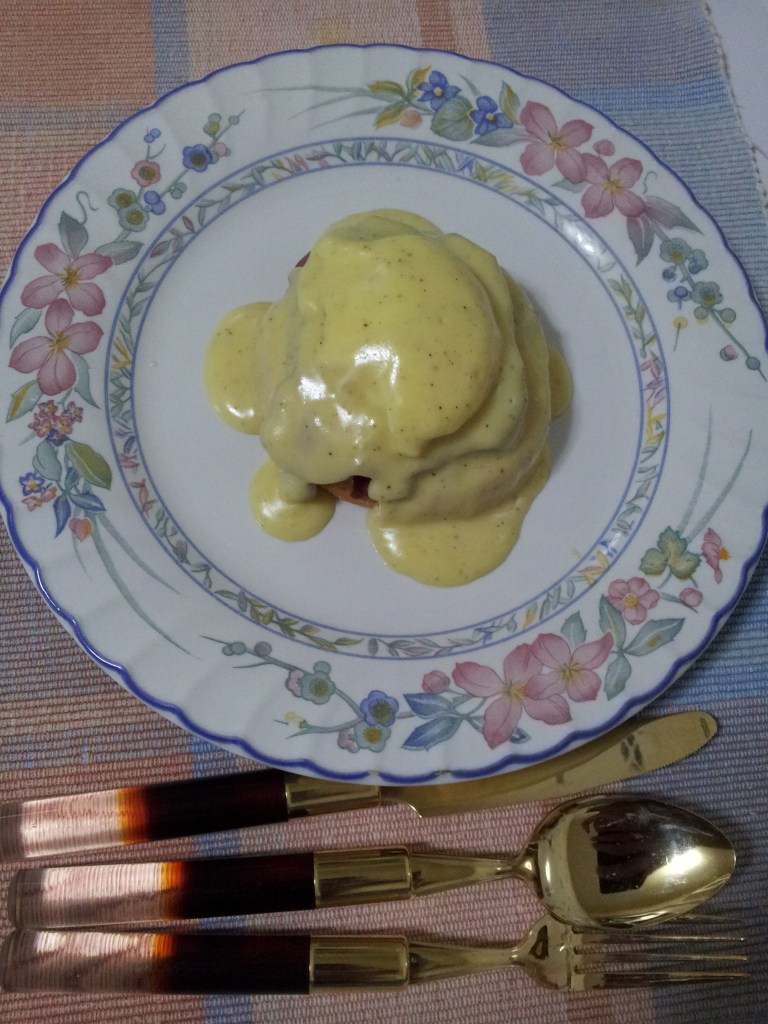
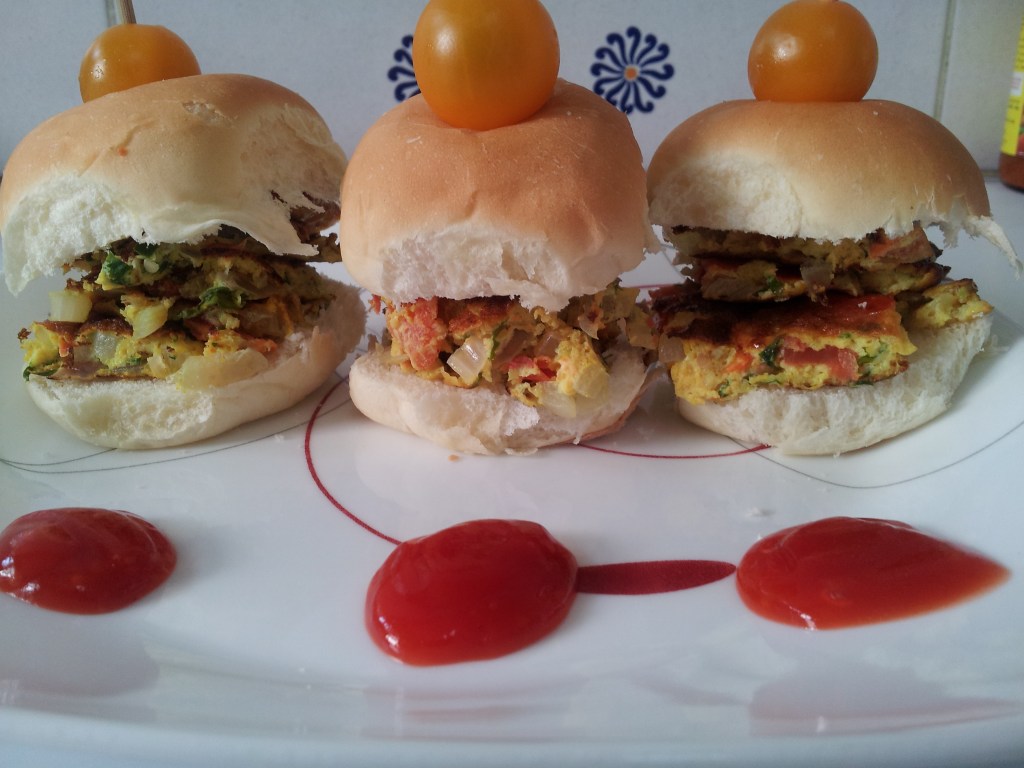
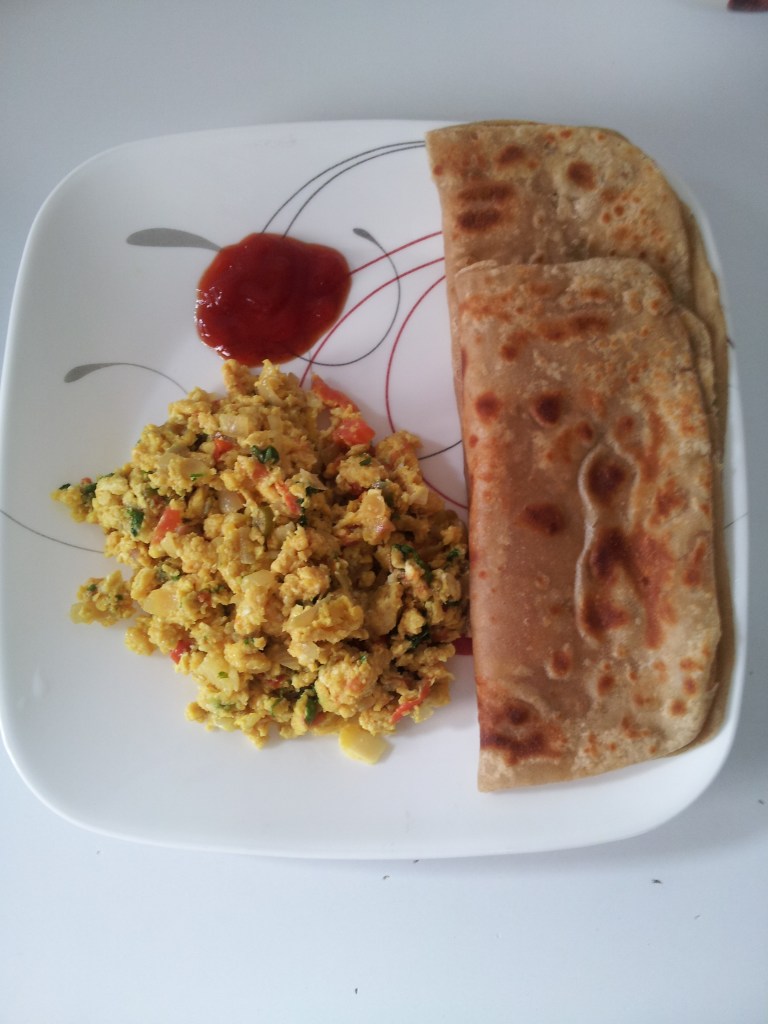
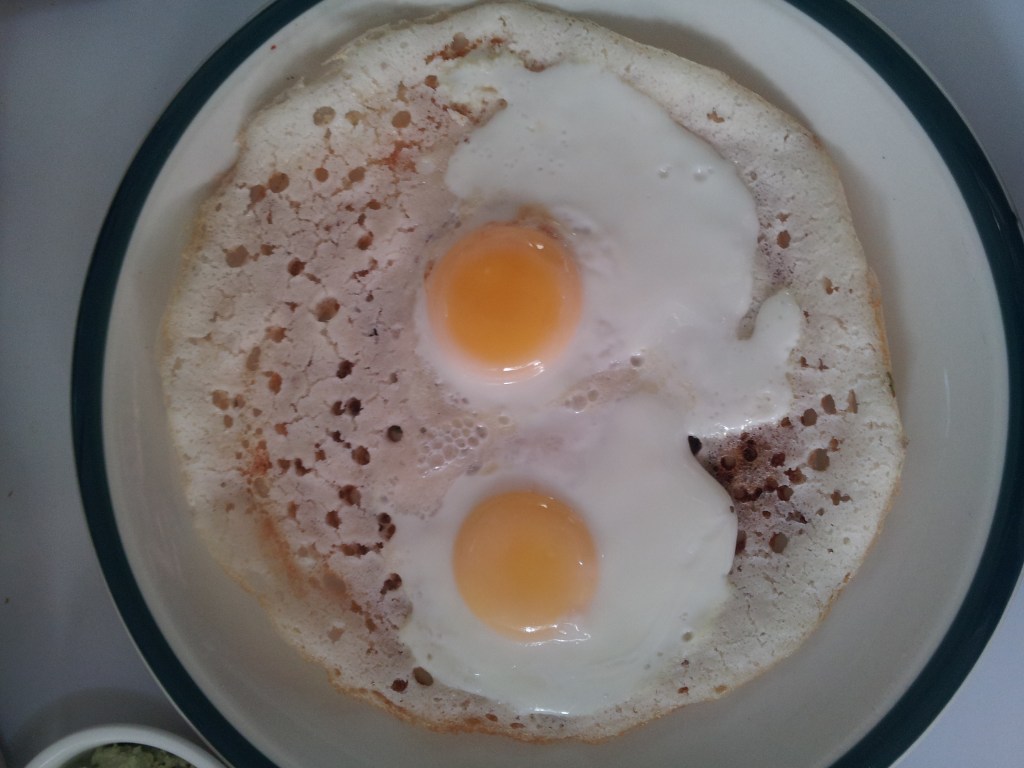
For those who love eating eggs, here are several options to enjoy this nutrient dense food for breakfast or even as lunch or dinner.
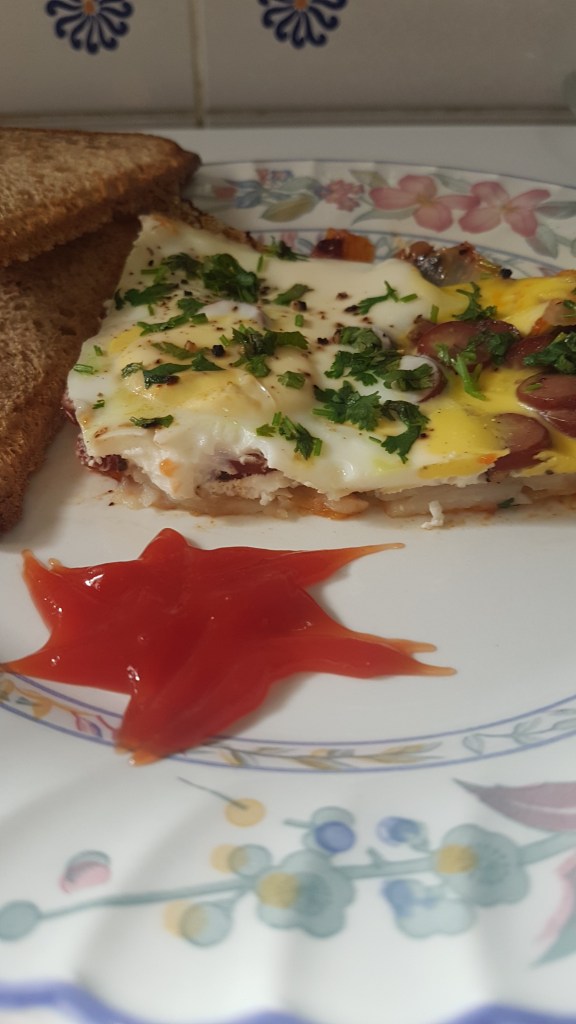
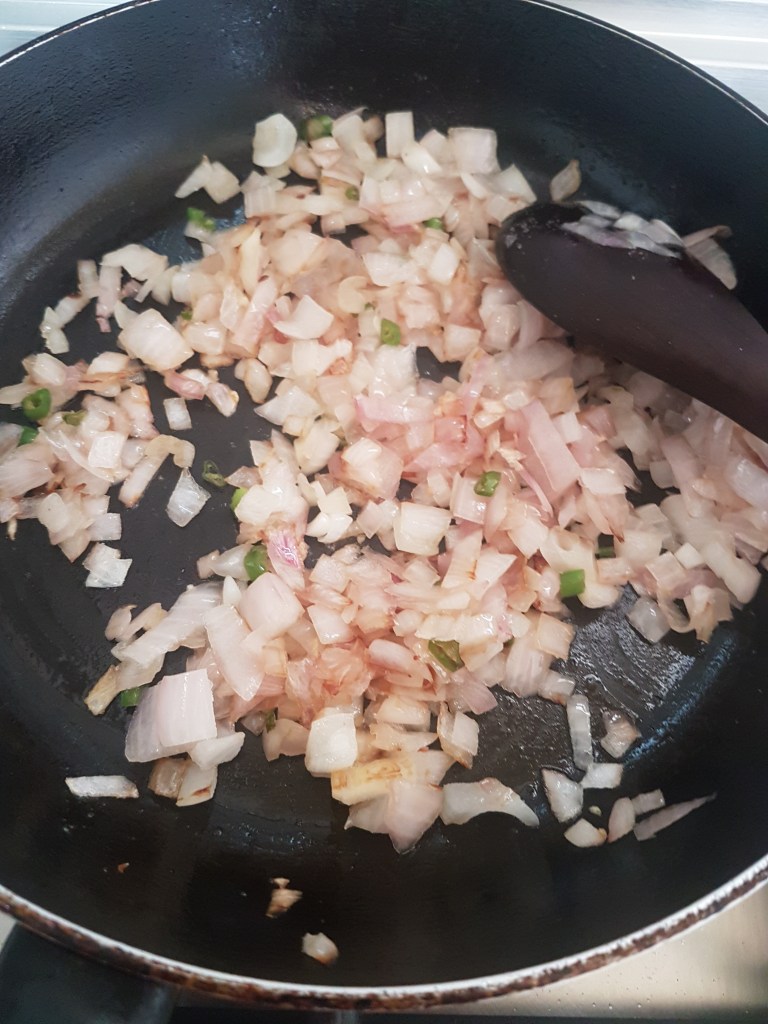
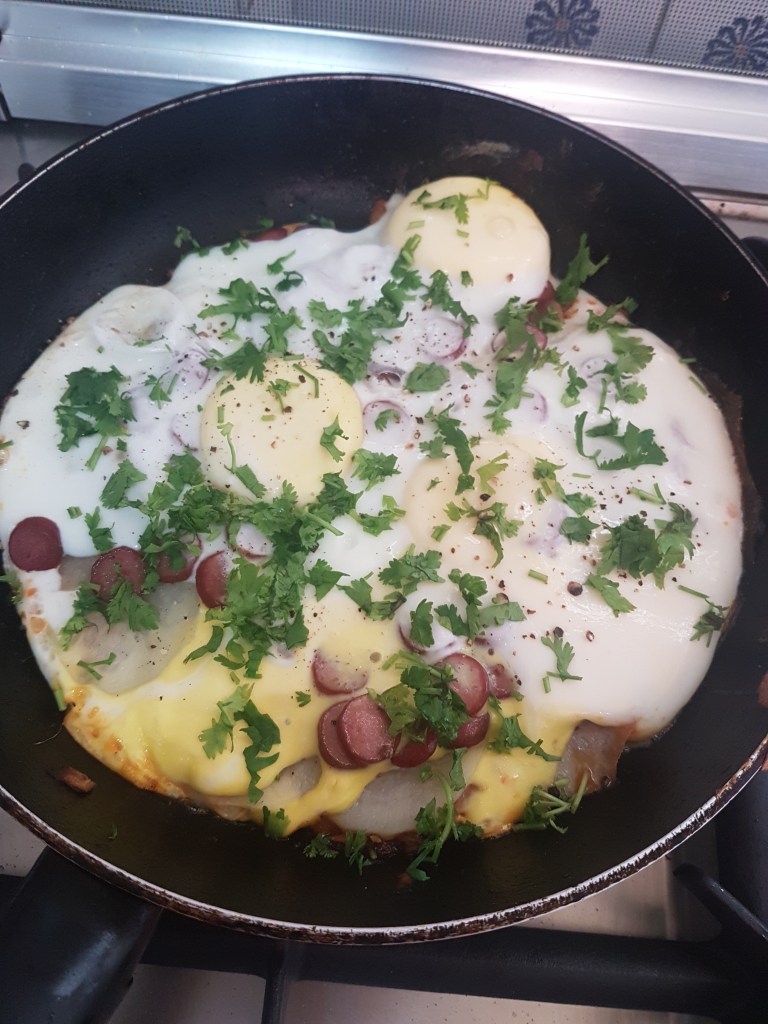
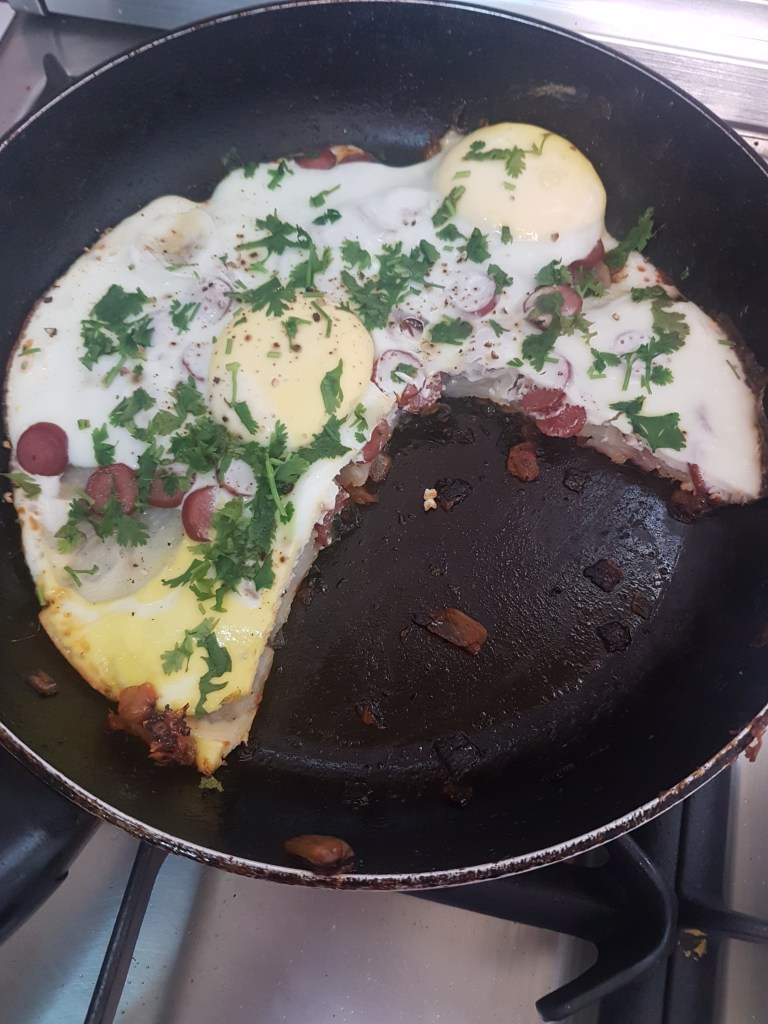
A spin-off on the famous Parsi “Papeta par Eedu”, with the additon of sausages, this is a really simple and quick breakfast bake, albeit in a frying pan! For more Egg-based options check out ‘Eggciting breakfasts’!
Slice the sausages thinly and fry 2 minutes till the edges turn crisp.
Fry the chopped onions & green chilli adding 1/2 tsp. salt. Add the tomatoes and fry for a minute and top with the sliced potatoes. Sprinkle over with salt and pepper. Cover and cook ten minutes.
Spread the fried sausages over the potatoes and break the eggs one by one over the sausages. Cover and cook till done. Garnish with chopped coriander leaves.
3 Beef or Chicken Sausages (Frankfurters), thinly sliced
Salt and pepper to taste
1 tbsp. coriander leaves, chopped
1 tbs. ghee
Method
On a frying pan or skillet, heat ghee and fry the sliced sausages for two minutes or till crisp at the edges. Remove and set aside.
To the same pan add chopped onion and green chillie and saute till onion is light brown, add a spoon of ghee if required. Add turmeric and mix.
Add tomatoes and sauté for a minute, add ½ tsp salt and mix.
Spread the potato slices evenly over the onion tomato mixture. Sprinkle with salt and pepper. Cover the pan and let cook 10 minutes on low flame, till potatoes are almost cooked.
Spread the sausage slices over the potatoes and then break the eggs one at a time over the sausages. Cover and cook ten minutes or until the top is opaque and the eggs are cooked.
If you like the eggs runny, remove as soon as the whites are set.
Sprinkle with coriander leaves and serve immediately.
I have been making Foccacia over and over since few years but I don’t know why it did not occur to me to post it sooner. My family just loves this bread and more than half of it gets gobbled up no sooner it comes out of the oven while still warm and crisp.
Top it with chopped olives, roasted tomatoes, roasted peppers, caramalized onions, etc. Foccacia is best eaten alone as a snack, but you can use it for sandwiches or pair it with dips for a delicious appetizer.
Here are the step-by-step pictures and method.
Mix flour, salt and active dry yeast in a large bowl. Add the water and with a wooden spoon or whisk, mix till all the flour is incorporated. Cover the bowl and keep in the refrigerator for 8 hours upto 24 hours. Alternatively, if you wish to bake the same day, leave to rise at room temperature for 2 hours.
After the dough has risen, add the Italian seasoning and knead the dough to incorporate the seasoning.
Take two rimmed trays 9” x 12” each and pour a tbsp. of olive oil in the centre of each. Divide the dough into two pieces and place each on the pan.
Cover with plastic wrap and leave to rise for two hours or more till the dough spreads and covers most of the pan.
Preheat oven to 220 deg C or 425 deg F. With your fingers make depressions all over the bread, drizzle with olive oil and sprinkle with flaky sea salt.
Bake for 25 minutes, until tops are golden and edges and underside are brown and crusty.
Mix all the above together and keep to infuse until required. I have used dried herbs, use fresh if available. Secondly, you may omit one or the other as per availability, but increase the quantity propotionately so the bread is well seasoned. You may also use chopped olives.
Method
Mix flour, salt and active dry yeast in a large bowl.
Add the water and with a wooden spoon or whisk, mix till all the flour is incorporated.
Cover the bowl and keep in the refrigerator for 8 hours upto 24 hours. Alternatively, you can also keep to rise for two hours, if you plan on making it the same day.
After the dough has risen, add the Italian seasoning and knead the dough to incorporate well.
Take two rimmed trays 9” x 12” each and pour a tbsp. of oil oil in the centre of each.
Divide the dough into two pieces and place one on each pan.
Cover with plastic wrap and leave to rise for two hours or more till the dough spreads and covers most of the pan.
Preheat oven to 220 deg C or 425 deg F.
With your fingers make depressions all over the bread, drizzle with the remaining olive oil, use more oil if required and sprinkle with flaky sea salt.
Bake for 25 minutes, until tops are golden and edges and underside are brown and crusty.























 My Cooking Diaries "CooklikeCecilia.com"
Recent Comments