Authentic tried and tested simple recipes in mainly Indian cooking, including traditional mangalorean, Goan, East Indian, North Indian recipes and much more…
Deep Fried Shrimp Balls (in sweet & sour sauce)Deep Fried shrimp balls (as an appetiser)
These delicious, super crispy and crunchy shrimp balls make a great appetiser to complement any chinese or other meal. Serve with ketchup, or any other chinese dipping sauce.
Serve it also as a main chinese accompaniment with noodles or rice, with a sweet and sour sauce.
2 Cups chopped shrimp, large or small pieces as desired
2 strips bacon
1 medium onion chopped or 3 to 5 water chestnuts chopped
½ tsp. pepper powder
1 tsp. salt
2 tsp. corn flour
1 egg beaten
6 slices bread, chopped into fine cubes (Use more bread if required)
Oil for frying
Sweet and sour sauce
2 tbsp. tomato paste
2 tbsp. rice vinegar (or regular vinegar)
2 tbsp. fresh orange juice
2 tbsp. light soya sauce
5 tsp. brown sugar
2 cups water
Method
Clean, devein and chop shrimp.
Chop the bacon strips. ( have used beef bacon).
Mix the shrimp, bacon and chopped onion (or chestnuts) with the beaten egg, pepper powder, salt and corn flour.
If you wish you may grind this mixture so it is easy to handle when forming the shrimp balls or cut the shrimps very fine.
Cut out the sides of the bread slices and discard.
Chop the bread.
Add a handful to the prawn mixture.
Keep the rest for coating the shrimp balls.
Heat oil in a wok.
Meanwhile form the shrimp balls
When the oil is heated, reduce the flame and fry the shrimp balls in batches.
Remove and keep aside.
Serve as an appetiser with any sauce or dip.
Alternatively serve in sweet and sour sauce as a side dish with Steamed rice, fried rice or noodles.
To Make Sweet & Sour Sauce –
Mix the tomato paste, vinegar, orange juice, soya sauce, brown sugar, corn flour and water. Heat a vessel with a tbsp. of oil, add the sauce ingredients and keep stirring on low heat till the sauce thickens and becomes translucent. Taste and add salt if required.
Reduce the amount of water if you want the sauce to just coat the shrimp balls. Add the deep fried shrimp balls to the sauce just before serving. Serve with steamed rice, fried rice or Chow mein.
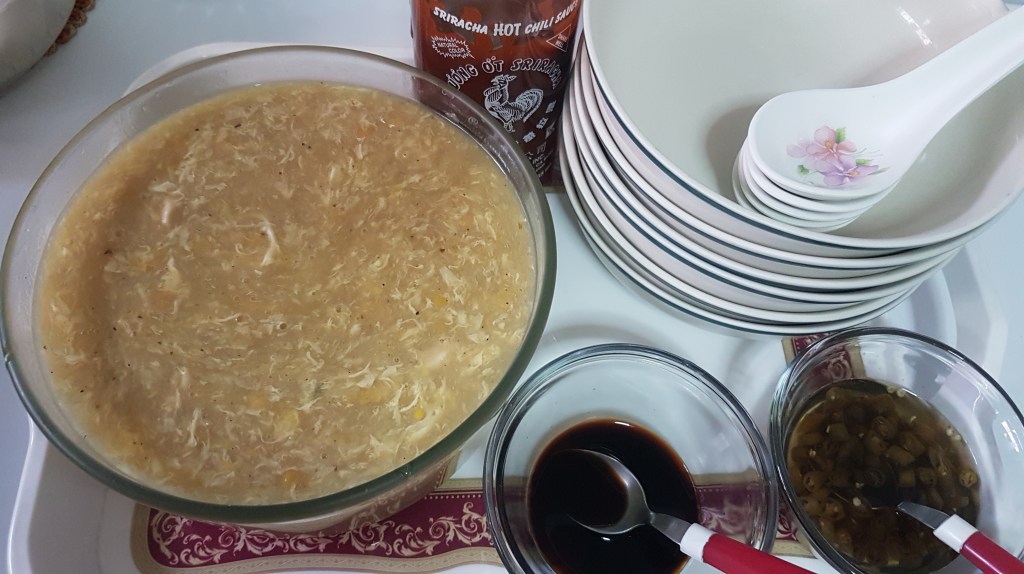
This soup (and the hot and sour soup) is the favorite of everyone in our family. So making a small quanity does not serve the purpose at all. It must be made in a huge pot so we can have sufficient seconds!
This recipe has chicken soup cubes for the stock, to keep it simple and quick. If you wish you may make the stock from scratch with chicken.
Traditional Karam Cucumber Coconut Salad – Thousyache Karam
Ingredients
2 Large cucumbers
2 medium onions
Salt to taste
Grind to a paste
1 cup fresh coconut
2 green chillies or to taste
½” piece ginger
3 to 4 pieces of tamarind
1 tsp. mustard seeds
½ tsp salt, if required.
Method
Cucumbers used for this recipe are the local cucumbers (we call it gaunti toushe).
Wash, peel and remove the seeds of the cucumbers.
Cut into thick slices.
Add a tsp of salt, mix and set aside for 10 to 15 minutes.
The cucumbers will release water.
Squeeze out the water and transfer to a serving bowl.
Slice the onion horizontally into thick slices and mix with the cucumber.
Grind the coconut, green chillies, ginger, tamarind and mustard seeds to a coarse paste with a little water.
Add ½ tsp salt if required.
Mix the ground paste with the cucumber onion mixture and combine well with your hands.
Serve cold.
This is a traditional Mangalorean salad, served on all festive and celebratory occasions. A must item for the “Novem Jevon” which is celebrated on 8th September, to celebrate the nativity of our Blessed Mother Mary and the blessing of the new harvest i.e. the grains of paddy.
Wishing one & all a Happy Feast!
Here are other dishes that make up the “Novem Jevon” menu:
The dishes can be any variety and any number but must be in odd number. Sannas, Alun Dento, Karatein Sukhe, Chana Bhaji, Vorn are commonly prepared. Understand Udupi and Kundapur side, fish curry alongwith veg dishes are prepared, but proper Managalore side it is only vegetarian preparations.
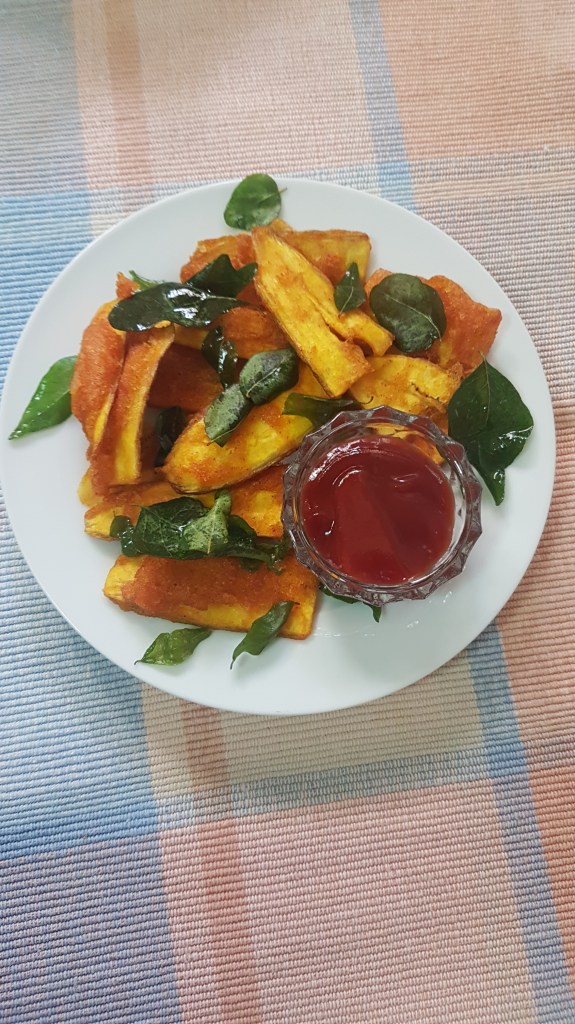
Enjoy the goodness and health of Raw Bananas by including them in your diet. Easily available throughout the year. Here are three delicious and easy recipes to try out.
Peel the bananas and soak in water to prevent them turning black.
Slice the Bananas horizontally into thin slices.
Mix the ginger garlic paste, chilli & turmeric powder, rice flour, corn flour, vinegar and salt and make a thick paste using as much water as required.
Mix the slices with the batter.
Heat oil for deep frying, when hot reduce flame and fry in small batches till crisp and golden.
Drain on kitchen towel.
Fry the curry leaves in the hot oil for a minute and remove.
Garnish the fried bananas with the curry leaves and serve as a side with a main meal or with tomato ketchup as a snack or appetizer.
P.S.: The same batter can be used to fry arbi, egg plant, zucchini, bread fruit, potatoes, yam, mushrooms, etc.
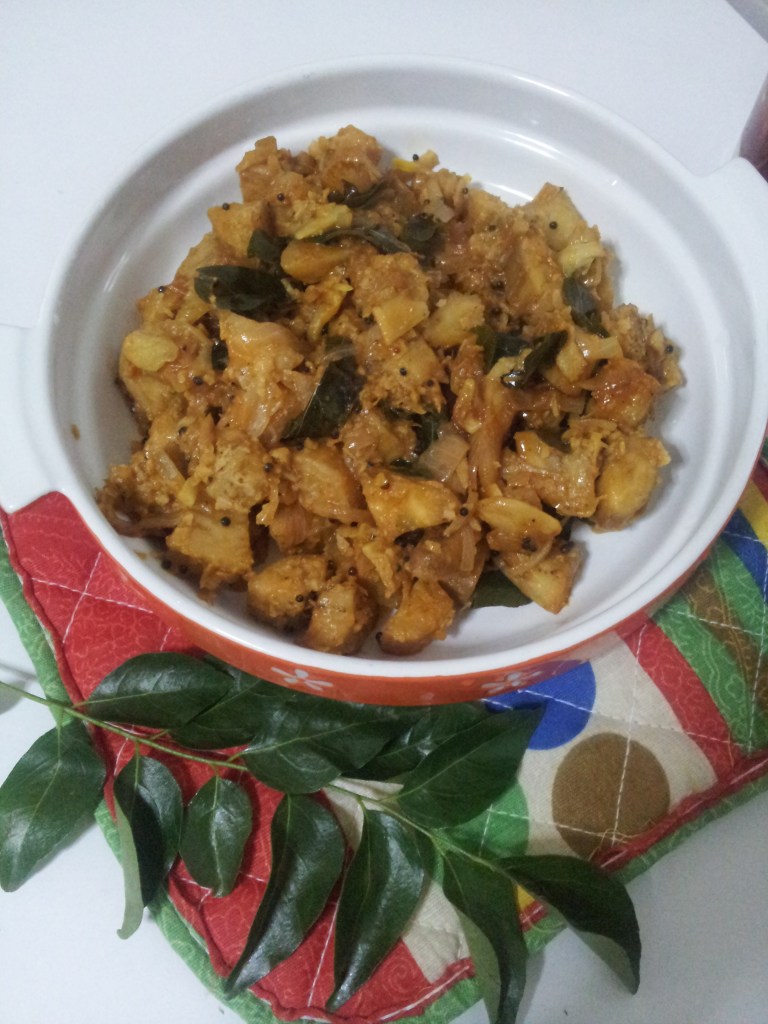
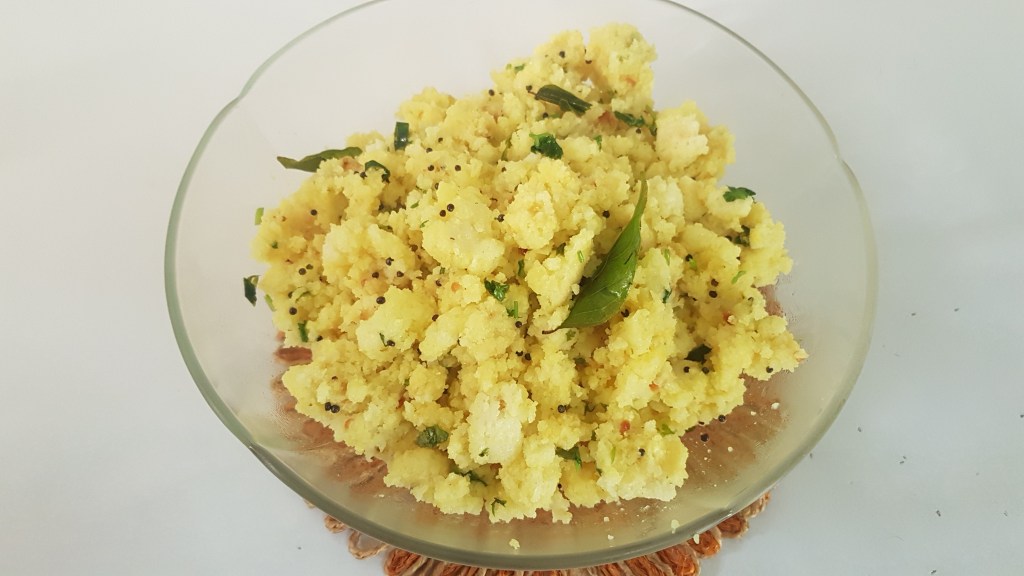
A simple and easy upma recipe to use-up leftover dosas, sannas, idlis, etc. Similar Upma can even be made of leftover bread. Transforms into a completely new and delicious dish which you will certainly enjoy!
Ingredients
1 Cup yogurt
2 cups Dosa, chopped into pieces
2 green chillies, chopped
½ tsp mustard seeds
1tsp. urad dal
2 tbsp. coriander, chopped
Few curry leaves
¼ tsp. turmeric powder
½ tsp salt
1 tbsp. ghee
Method
Beat the yogurt and add the dosa pieces and set aside.
Heat a kadai, add the ghee, when hot add the mustard seeds and allow to splutter
Add the urad dal, let it turn lightly brown.
Add the curry leaves and green chillies.
Saute lightly.
Add turmeric and the marinated dosa pieces.
Mix well and heat through.
Garnish with chopped coriander leaves.
Serve hot for breakfast or as tea-time snack or a mid-morning snack.
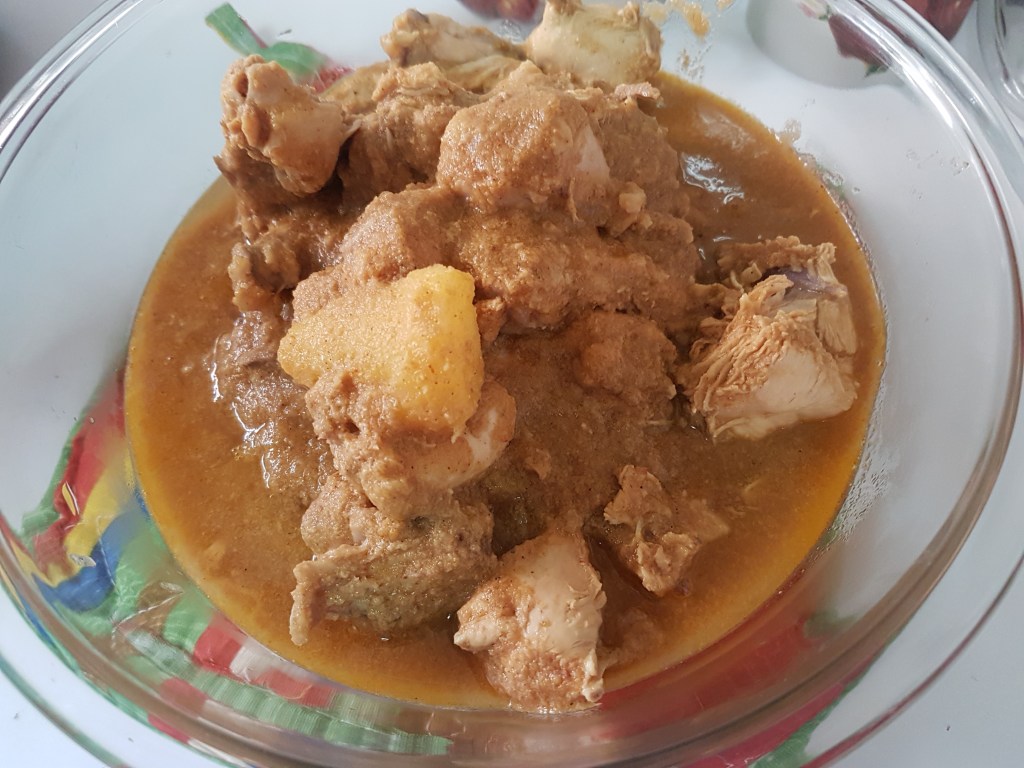
Clean, remove the skin and cut chicken into medium pieces or 8 large pieces if you wish.
Whisk yogurt in a large bowl, add salt and leave the chicken in this marinade for at least 30 minutes.
Peel, wash and chop onions.
Peel and chop garlic and ginger.
Remove stems and chop green chillies.
Wash and chop tomatoes.
Clean, wash and chop coriander.
Heat ghee in a pan, add whole garam masala and saute over medium heat until it begins to crackle.
Add onions and saute until golden brown.
Then add chopped ginger, garlic and green chilles, stir for 2 minutes
Dissolve turmeric, coriander powder and red chillies in 1/4 cup water and add. Stir for 30 seconds.
Now add tomatoes and fry until fat leaves the masala
Add the marinated chicken alongwith the marinade and 3/4 cup water
Bring to a boil, cover and simmer until chicken is almost cooked and fat leaves the masala once again.
Adjust the seasoning.
Sprinkle fenugreek, ginger juliennes and coriander. Cover with a lid.
Seal the pan if desired and keep on low heat for 15 mintues.
Serve with an Indian bread of your choice.
P.S.: Kasoori methi may be replaced with fresh fenugreek. If using fresh, clean, wash and immerse in salted water for 10 minutes to remove the bitterness. Drain and add to the marinade.
Fry the chopped onions and green chillies till onions turn slightly brown.
Add the ginger garlic paste and fry for few minutes.
Drain the mince completely and add to the pan with a tsp of salt.
Saute till the mince turns brown and the water completely dries up. Continue to brown the mince till fat begins to separate. Do not hasten this step. The browning of the mince brings out the flavor in the meat. Should take 10 to 15 minutes.
Once nicely browned, add the jeere merem powder, mix, add two cups of hot water and bring to a boil.
Lower flame and cook on medium for 30 minutes.
Open after 10 to 15 minutes and give it a good stir.
If water dries up, add some more hot water as per the consistency you desire.
Add the peas and cook further 10 minutes.
Add the vinegar and sugar and simmer 5 minutes.
Garnish with coriander leaves.
Serve with Pao or Parathas or Pooris or steamed rice or pulao.
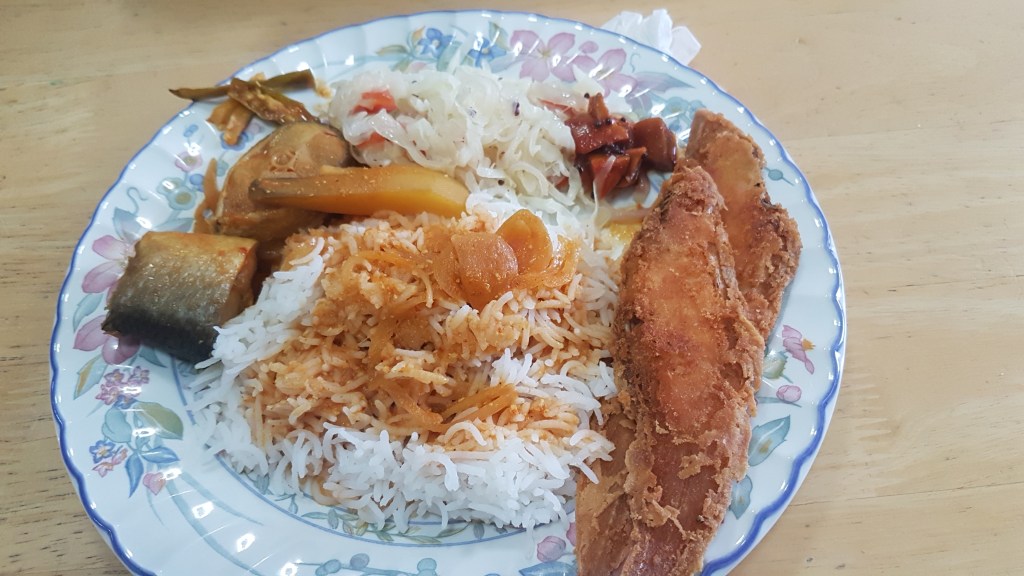
A Typical Konkan Coastal Fish Curry Rice Meal for Four persons cooked in less than 30 minutes (excluding preparation)
To keep it real have used my daily regular utensils 😉 😉
A meal for four persons
Raouns (Rawas, Indian Salmon) Fish Curry
Cabbage Vegetable
Lepo (Sole Tounge Fish) fry
Steamed rice
Mango pickle (homemade)
Rawas/Raouns (Indian Salmon) Fish curry
Ingredients
8 pieces Raouns fish
½ medium onion
2 green chillies
1” pc ginger
1 raw mango
1 tsp. Salt or to taste
To grind to a paste
4 Kashmiri chillies
1/4 tsp turmeric
1 tbsp. coriander seeds
6 peppercorns
½ tsp cumin seeds
3 tbsp. coconut powder
2 flakes garlic
½ medium onion
Method
Clean and wash & cut fish. Apply a little salt and set aside.
Grind the masala to a smooth paste.
Slice the onion, green chillies and ginger.
Wash and peel the raw mango and cut into wedges.
Heat 1 to 2 tbsp. coconut oil and add the sliced onion, green chillies and ginger. Saute till lightly brown.
Keep the flame low so the flavors of the onion, chillies and ginger release and give off a nice aroma.
Add the masala paste, the masala water, raw mango pieces and salt.
Stir and increase the flame and bring to a boil, simmer till oil appears on the edges.
Add the fish, stir and bring to a boil. Reduce flame to medium low and cook for ten minutes.
When curry is done it will leave fat and appear glossy.
Remove from flame.
P.S.: Same recipe may be used for Pomfret, Gole fish (Hammour), Mandeli (Golden Anchovies), Surmai (Kind Fish). This curry is called sweet fish curry where chillies are less and coriander seeds are more. Other curries are the amotik (Spicy hot) usually made with Tarle (Sardines), Bangde (Mackerels), Bhing (Herring) Tato (Shark) etc., Green curry with fresh green masala for Pomfret, Fresh Bombay duck, etc. and the Kane (Lady Fish) where curry to similar to above but Ajwain is added to the masala and onion and garlic are increased.
2. Cabbage vegetable
Ingredients
2 to 3 cups shredded cabbage
1 medium onion
2 green chillies
1 small tomato (Optional)
1 sprig curry leaves
4 flaked garlic
½ tsp mustard seeds
1 tbsp. coconut oil
2 tbsp. fresh grated coconut
1 tsp. salt or to taste
Method
Shred the cabbage and soak in salted water for few minutes.
Slice the onion and green chillies, chop the tomato.
Crush the garlic cloves and wash the curry leaves.
Heat the oil in a pan, add mustard seeds and allow to splutter.
Add the garlic and curry leaves, followed by the chillies and onion and saute for a minute.
Add the cabbage and salt, mix.
Cover and cook for 5 to 10 minutes till done. Do not add any water.
Garnish with fresh coconut.
3. Lepo fry (Sole Tongue fish fry)
Ingredients
8 to 10 Lepo
3 tsp. red chilli powder (or to taste)
½ to 1 tsp. salt (to taste)
2 tbsp. vinegar
Rice flour or Rava to coat the fish
Method
To clean the fish, cut the head and pull out the skin from both sides and the intestines. Wash and leave aside to drain.
Mix the red chilli powder, salt and vinegar to a paste and apply to the fish and marinate for half hour.
Heat some oil to shallow fry the fish.
Take some rice flour or rava in a plate.
Roll the fish to coat evenly and fry on medium flame for 5 minutes on each side till crisp.
4. Steamed Rice
1.5 cups basmati rice or boiled rice if you wish
1 tsp. salt
Wash the rice and soak in water for atleast 15 minutes.
Bring water to a boil in a vessel.
Add the pre-soaked rice, salt and bring to a boil.
Reduce flame and simmer till rice is tender. Strain the water.
Tip: Cook the rice on low flame so the grains remain whole and separate and do not break.
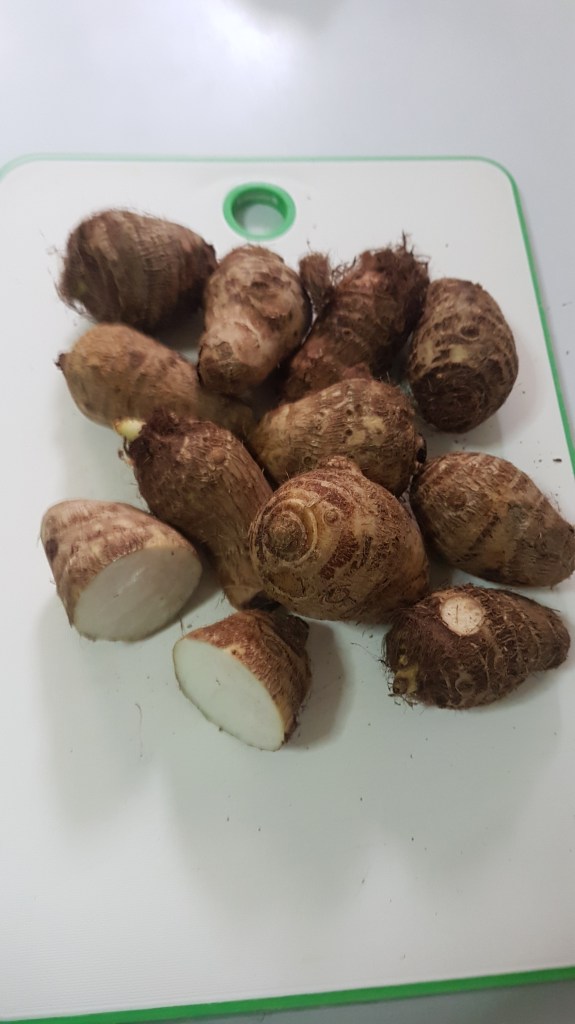
Taro croms (root) is also known as Arbi, Ghuiya, Colacasia root. The leaves are called colacasia leaves, Alun leaves, Pathra leaves. The root, stems and leaves are edible but should not be consumed raw as it containes toxic substances which are neutralised by cooking.
Taro is a tropical plant and consumption of both its root and leaves have many benefits namely, reduces infammation, controls cholestrol, boosts immunity amongst other benefits.
Available in abundance during the monsoons in India. It is also grown in African, Oceanic, Pacific and South Asian countries throughout the year. It is easily available in Indian, East Asian and Latin American Markets around the world and comes in various sizes from small to medium to large. When choosing Taro croms, pick those that seem heavy for their size, are firm and the hairy skin looks somewhat moist.
Taro Roots or Arbi can be prepared into various tasty snacks and vegetables, a few of which are mentioned below. Apply some oil on your hands when handling Arbi or wear gloves as it leaves a sticky liquid.
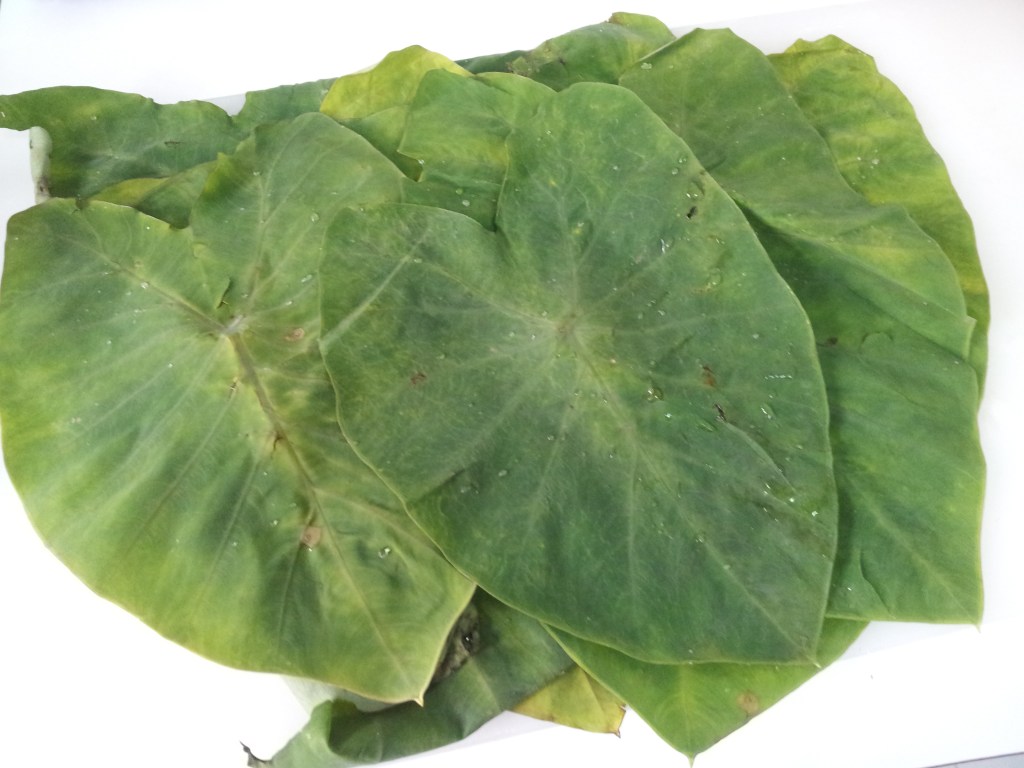
Taro or Colacasia leaves – also known as Colacasia leaves, Alun leaves, Pathra leaves, have an abundance of benefits and are most commonly used in the traditional mangalorean Pathrode and the famous gujarati snack Pathra (Alu Vadi). The stems of the leaves are also used in cooking and we usually make a curry by adding some legumes, etc.
It is beneficial to eat local and seasonal produce. Not only is it cheaper but also fresh as it is grown in local farms and the supply does not require transportation over days and weeks to long distances therefore the produce reaches markets quicker thereby preserving its nutritional value. Besides the nutrients lost due to contamination from pesticides etc. is eliminated as most local produce is grown organically. Any seasonal produce is naturally good as it supports the body’s nutritional requirements. Buying local produce also supports the local farmer.
Are weddings happening in the midst of the COVID-19 pandemic? Absolutely!
The COVID-19 Pandemic has jeopardised, among other things, wedding plans of many young couples i.e. those who were to get married in 2020, had all arrangements in place and were waiting for ‘D’ day to dawn. While one or two years may have been spent in planning and preparing for the auspicious occasion, the onslaught of the Coronavirus in early 2020 have brought all plans to an abrupt halt. Moreover, the virus continues to spread without showing any signs of retreating soon.
The answers to go ahead with a wedding or not in the present circumstances are not easy due to uncertainity surrounding the issue. But many young couples are now considering taking the plunge and starting to look ahead. Most countries are gradually opening up to the “new-normal”, of which we are still unsure of how long this “new-normal” period is going to last. Could be a year or even more. Churches also are begining to open.
Basically most non-essential travel for medical reasons, study and other personal plans have been put on hold albeit temporarily, with everyone adopting the ‘wait and see’ approach. Weddings however cannot be put on hold indefinitely. It is a day every young couple looks forward to with much anticipation, a journey they were both so looking forward to starting before the turn of events early this year.
Therefore, assuming the Church is willing to bless the nuptials, people should go ahead with weddings even in COVID times, with precautions so as to cause the least amount of risk to yourself and those attending. Every government has announced guidelines for weddings in COVID times which must be adhered to.
As such, the following points reportedly must be borne in mind while planning the wedding :-
Weddings should ideally be planned in the “outdoors” in the presence of a minimum number of people say no more than ten to thirty people, being family and very close friends. Rest of the guests can attend virtually.
Weddings can take place with just the two immediate families attending.
An indoor reception with no more than 30 people with proper PPE and social distancing factors.
A small ceremony with the Big party to coincide with the Anniversary, whenever life returns to normal.
Having written several posts on Traditional Marriage ceremonies where the weddings are celebrated for no less than three days with a large number of guests mingling with each other, elaborate ceremonies and great merriment, in contrast a lockdown wedding would basically be restricted to, provided all necessary precautions are followed and taken into consideration –
A one day event, with a symbolic Roce ceremony with immediate family.
Other pre-wedding parties like the Hen-party or Bachelors party would be celebrated on Zoom or such virtual platforms or dropped.
Bridesmaids & Groomsmen to be restricted to one or max two.
Photography would be restricted to one professional photographer, no videographer, no hashtags.
No party favors.
No immediate Honeymoon.
No hugs and kisses, no handshakes.
Proper social distancing, hand sanistisers and masks provided to those attending.
Definitely celebrate with a cake and wine, with only the bridal couple partaking.
Food may be served if it is just the immediate family and all are known to each other to be safe, if not ‘boxed’ meals would be safest. Buffets are to be avoided. If it is a small gathering at home, then home-cooked meals are preferable.
Many would feel it is safer for a 2021 wedding, but given that most people whose plans for a 2020 wedding have crashed, would most likely be planning a 2021 wedding. As a result, venues would be limited as most bookings may have already been made. So the quicker these are booked the better.
Another important aspect to consider is the size of venue. For a usual venue of say 250 guests in normal times, the venue in COVID times for 2021 would require to be bigger maybe double the size if social distancing norms are to be implemented.
The Pandemic has made people realize the importance of life and surviving with the most basic needs. Hence priorities have shifted and extravagance is certainly not one of them. So atleast till the curse of the virus has abated, one has to find ways to live a more meaningful and frugal life.
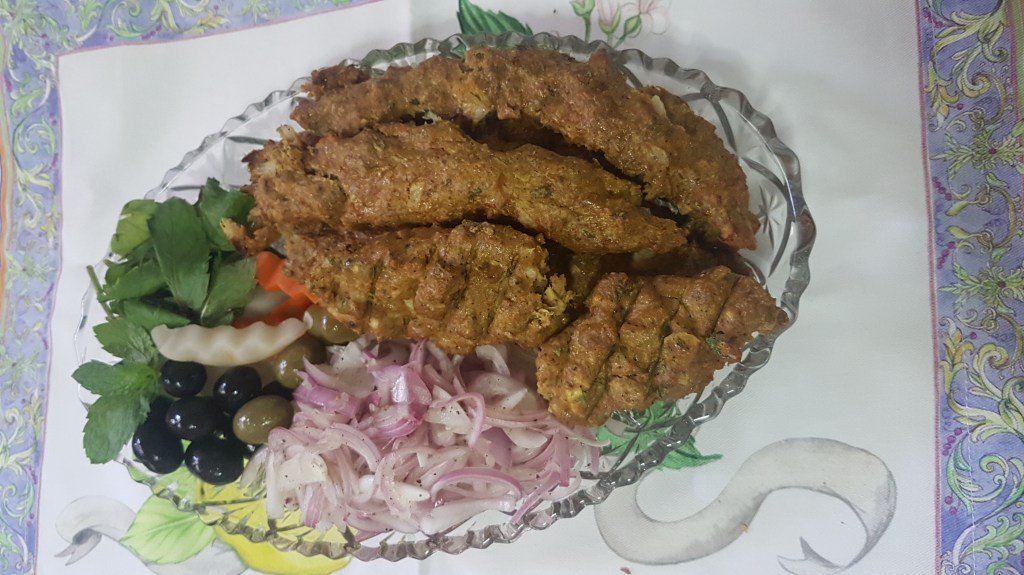
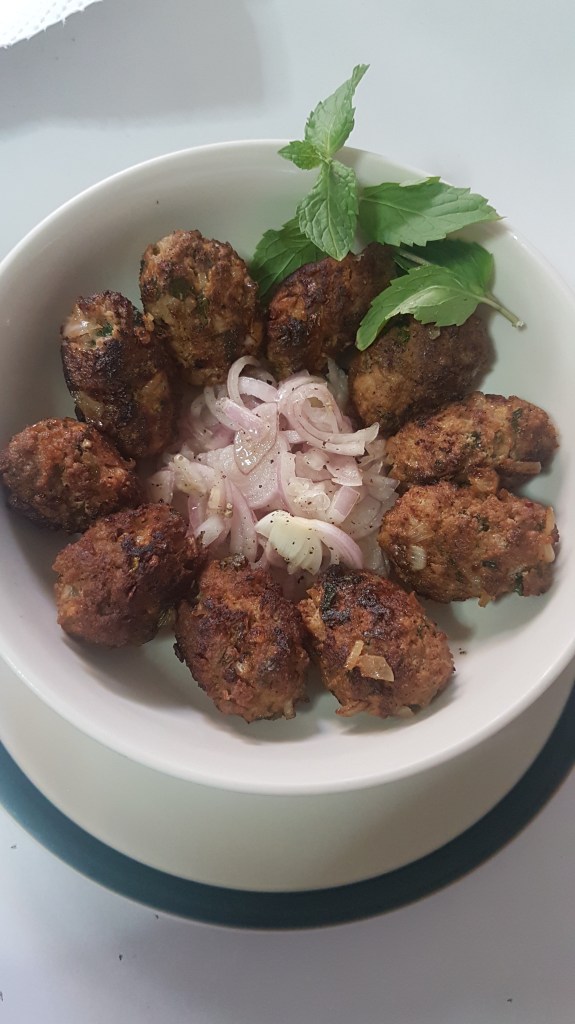
Kebabs are various grilled or baked meats cooked on skewers or may also be shallow fried on a pan. The meats typically used are lamb which is very common but chicken and beef are also used. Kebabs for vegetarians would include a variety of roasted or grilled paneer or vegetables on skewers or the Hara Bara Kabab.
Here are three additional varieties of kebab using minced lamb/Beef and chicken which includes the delightful seekh kabab! The seekh kebabs are best roasted in an open outdoor grill, but can be roasted in a closed oven as well, as I have done. Besides, due to the Covid-19 lockdown there was no way we could venture outdoors!
The quintessential Seekh Kebab typically made of lamb or beef mince.
A crispy and delicious hot snack to provide some warmth on a wet rainy day or cold weather or simply when relaxing at home wth a nice hot cup of tea or coffee!
To get crisp and crunchy edges, make sure the batter is thick and dry. Batter should not be of dropping consistency. You can achieve this by heating gradually in the microwave after grinding the dals, till you get the right consistency. Mix and then add the rest of the ingredients. When frying take a teaspoon of batter and slide with another spoon into the oil. Avoid making balls with your hand as that would give you smooth edges, you want uneven edges for these vadis to add to the crispiness and crunchiness!!
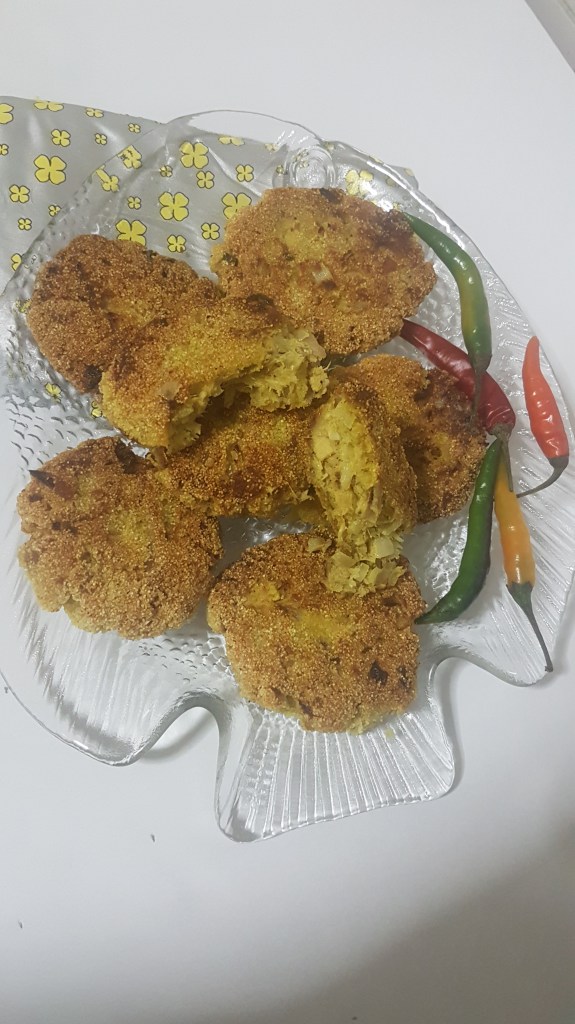
I owe my gratitude to our dear family friend Anita Martins for this easy and simply delightful recipe. Would never have know the ‘mayonnaise’ trick that really takes the taste to another level. Yes, absolutely, you add some mayonnaise to the tuna mix!!
This recipe is a hit at our home and made almost on a weekly basis as it is one of my childrens’ favorite. Even though they hardly eat fish, except for shrimp, they are game anyday for Tuna cutlets provided the tuna is out of a can! Moreover, since it is so quick and simple it is a go to recipe if short on time or out of options on what side dish to make. Goes very well with Dal or Moghe Sar, Vegetable curry,Kuwalo Bafad, etc.
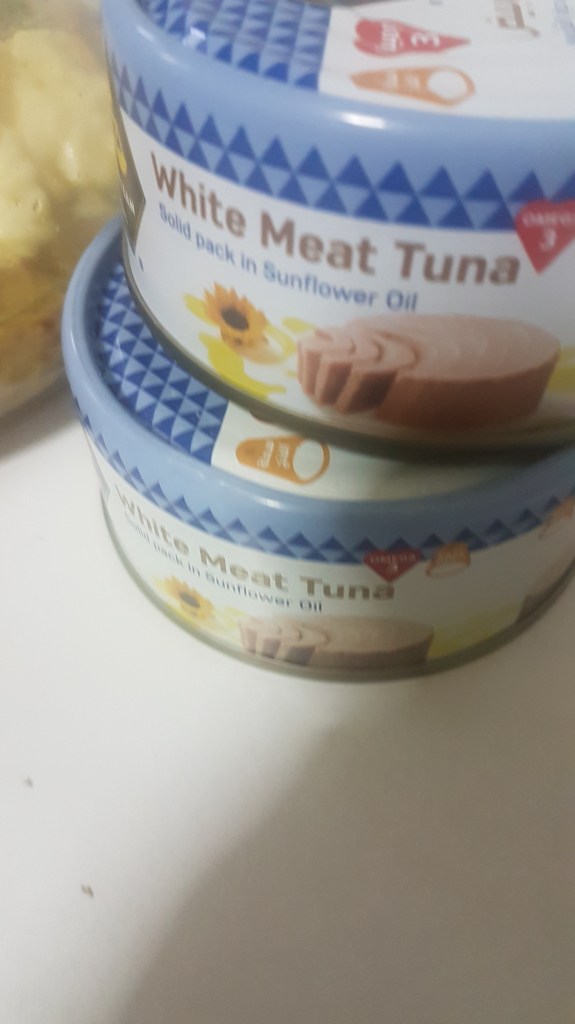
I prefer using the “White Meat Tuna in Sunflower Oil” and also add the oil to the mixture. This really adds to the taste and texture of the cutlets. Although making the cutlets would be a little difficult to handle due to the wet mixture, but once you roll in the semolina it becomes easier to shape.
Fry the cutlets as soon as the mixture is ready otherwise the onions may begin leaving moisture and as the mixture already has the fish oil it will tend to become too wet to handle. If there is a gap between preparation and frying, just put all the ingredients in the bowl and mix just before frying. Also making the cutlets and keeping them aside before frying will tend to break them. Just roll the ball of mixture in semolina and keep aside and form the cutlets when you are ready to place on the frying pan.
½ tsp. black pepper powder (use white peper instead, if available)
Small bunch fresh coriander (optional)
1 tsp. salt
Rava (Semolina) to coat the cutlets
Oil for shallow frying
Method
Empty the contents of the fish tins in a bowl alongwith its oil. Don’t be tempted to discard the oil as it adds to the flavor.
Chop the onions, chillies, ginger & coriander leaves finely and add to the fish.
Add the egg, mayonnaise, lemon juice, turmeric, garam masala & pepper powder and salt. Mix everything well.
Heat a frying pan on medium low and add 4 tbsp. oil.
Take a portion of the mixture the size of a lemon and roll in semolina.
Form the balls into cutlets on the palms of your hand and gently place on the frying pan and shallow fry on medium low till crisp and brown on both sides.
P.S.: The mixture will be quite wet but when rolled in the semolina will be easier to handle and will set when frying. Do not put too much oil, just fry in enough oil on medium low. The cutlets may break if fried in too much oil.























 My Cooking Diaries "CooklikeCecilia.com"
Recent Comments